
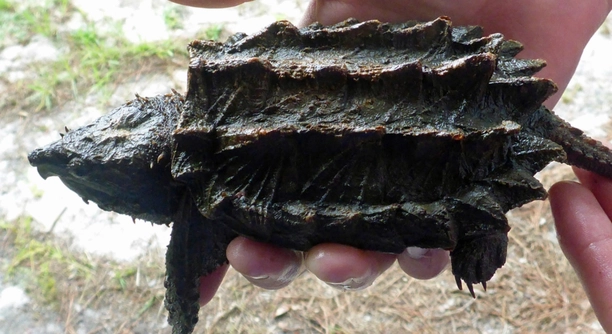
Is your alligator snapping turtle constantly biting at the water, leaving you wondering what is causing this behavior? This behavior can be concerning, especially if it happens frequently, but understanding the reasons behind it can help you address the issue.
Alligator snapping turtles bite at the water due to factors such as hunger, stress, environmental changes, or natural hunting instincts. In some cases, water quality issues or improper tank conditions can contribute to this behavior, requiring adjustments to their habitat and care routine.
Observing your turtle’s habits and making necessary changes can improve its well-being. Understanding these reasons will help ensure a healthier and more comfortable environment for your aquatic companion.
Hunger and Hunting Instincts
Alligator snapping turtles are opportunistic feeders, and biting at the water can indicate hunger. They rely on their strong jaws to catch prey, making this behavior a natural response when searching for food. If your turtle is frequently snapping, it may not be getting enough nutrients or the right diet. Ensuring a well-balanced feeding schedule with appropriate food, such as fish, insects, and high-quality turtle pellets, can reduce this behavior. Younger turtles require more frequent feedings, while adults eat less often. If the snapping persists, consider adjusting portion sizes or adding variety to their diet.
A turtle that is not getting enough food may become more aggressive or restless. Providing the right nutrition helps maintain its overall health and reduces unnecessary biting behaviors.
Observing feeding patterns can help you determine if hunger is the cause. If your turtle still exhibits this behavior despite a proper diet, other factors may be influencing it.
Stress and Environmental Factors
A snapping turtle may bite at the water due to stress caused by environmental changes. Loud noises, frequent handling, or improper tank conditions can contribute to this behavior. If your turtle feels threatened, it may react defensively by snapping at the water as a response to discomfort.
Maintaining a stable environment is essential for a healthy turtle. Ensure the tank size is appropriate, with enough space for movement and hiding spots. Water temperature and filtration also play a role in their well-being. Sudden changes in water temperature or poor filtration can lead to stress. Regular water changes and maintaining proper parameters help keep your turtle comfortable.
Lighting and basking areas also impact their stress levels. Providing UVB lighting and a designated basking spot allows them to regulate their body temperature and absorb essential nutrients. Reducing disturbances, handling them minimally, and keeping their habitat consistent will help lower stress-related behaviors, including biting at the water.
Water Quality Issues
Poor water quality can cause discomfort, leading to unusual behaviors like biting at the water. Ammonia buildup, unbalanced pH levels, or dirty conditions may irritate your turtle, making it react aggressively. Regular water changes and proper filtration are essential for maintaining a clean and safe habitat.
Testing the water regularly helps prevent imbalances. A high-quality filtration system removes waste and keeps the water oxygenated. Turtles produce a significant amount of waste, so frequent cleaning is necessary. Partial water changes every week and a full tank cleaning when needed will reduce harmful bacteria. A clean environment promotes healthier behaviors.
The temperature and pH balance should remain stable. Sudden fluctuations can stress your turtle and lead to increased snapping. Investing in a water heater and thermometer ensures consistency. Adding natural elements, such as aquatic plants, can also improve water quality and create a more comfortable space.
Territorial Behavior
Alligator snapping turtles can be territorial, especially in confined spaces. If your turtle feels its space is threatened, it may snap at the water to establish dominance. This behavior is more common in shared enclosures, where turtles compete for space, basking spots, or food. Providing enough room helps minimize aggression.
A spacious tank with hiding spots allows your turtle to feel secure. Overcrowding can increase stress and lead to defensive behaviors. If housing multiple turtles together, ensure they have separate basking areas and enough food to prevent competition. Territorial instincts are natural, but reducing stressors helps manage excessive aggression.
If aggression persists, consider separating turtles into individual enclosures. Some turtles do not tolerate tank mates and prefer solitude. Even in a single-turtle setup, rearranging decorations or adding new hiding spots can create a stimulating environment. Territorial snapping may decrease once your turtle feels secure in its habitat.
Curiosity and Natural Instincts
Alligator snapping turtles are naturally curious and may bite at the water when exploring their surroundings. This behavior is common in younger turtles as they adjust to their environment. Providing enrichment, such as floating objects or live food, can help satisfy their curiosity and reduce excessive snapping.
Observing how your turtle interacts with its habitat can reveal whether this behavior is exploratory. If the snapping is not aggressive and occurs randomly, it may simply be engaging with its environment. Offering a varied diet and changing tank decorations occasionally can keep your turtle mentally stimulated.
Improper Tank Setup
A tank that lacks proper space, hiding spots, or basking areas can cause stress. If your turtle does not have an adequate environment, it may react by snapping at the water. Ensuring the habitat meets its needs can help minimize unnecessary behaviors.
Overstimulation
Excessive movement outside the tank, bright lighting, or frequent disturbances can overstimulate your turtle. This can lead to restless behavior, including biting at the water. Reducing external stimuli by keeping the tank in a quieter area can help your turtle feel more at ease.
FAQ
Why does my alligator snapping turtle snap at the water?
Biting at the water is often a sign of natural behavior or discomfort. Your turtle may be hungry, stressed, or reacting to environmental factors like poor water quality or overcrowding. It could also be due to territorial instincts or curiosity. Observing your turtle’s behavior can help identify the cause.
How can I stop my alligator snapping turtle from snapping at the water?
To prevent snapping, ensure your turtle’s environment is clean, spacious, and comfortable. Regular water changes, proper filtration, and maintaining a stable temperature can reduce discomfort. Additionally, providing a varied and balanced diet, as well as avoiding overcrowding, will help ease stress and aggression.
Is it normal for my alligator snapping turtle to bite the water every time I approach?
Yes, snapping can be a response to your presence. Your turtle may be reacting to you as if you’re a threat or potential food source. It’s common for snapping turtles to bite at the water when they feel threatened or excited. Handling them less often and avoiding sudden movements can reduce this behavior.
Can water temperature affect my alligator snapping turtle’s snapping behavior?
Yes, water temperature can have a significant impact. If the water is too cold or too hot, it can cause stress, making your turtle more prone to snapping. Ensure the water temperature is within the recommended range, typically between 72-78°F (22-25°C), to keep your turtle comfortable and reduce aggressive behaviors.
How do I know if my turtle’s snapping is due to hunger?
If your turtle is snapping frequently or intensely, it may be a sign of hunger. Snapping is often associated with feeding behaviors, especially in wild turtles that hunt for prey. Ensure you’re feeding your turtle a balanced diet, including fish, insects, and high-quality pellets, and adjust the feeding schedule as needed.
Can my alligator snapping turtle bite at the water because it’s stressed?
Yes, stress is a common cause of biting. Stressful factors like poor water quality, overcrowding, sudden environmental changes, or loud noises can cause your turtle to snap at the water. Reducing stressors by improving water conditions, providing ample space, and minimizing disturbances can help prevent this behavior.
Is it safe to handle my alligator snapping turtle if it’s snapping at the water?
Handling a snapping turtle when it’s exhibiting aggressive behavior is not recommended. Alligator snapping turtles have powerful jaws, and their bites can cause serious injury. If you need to handle your turtle, do so carefully and avoid sudden movements. Let your turtle calm down first to ensure a safer interaction.
How can I improve my snapping turtle’s habitat to reduce snapping?
To reduce snapping, make sure your turtle’s habitat is well-maintained. A spacious tank with proper filtration, a reliable heating system, and a basking area are essential. Adding hiding spots, decorations, and plants will provide enrichment, making your turtle feel more secure. Stable water conditions and minimal disturbance also help maintain a calm environment.
What should I do if my alligator snapping turtle is snapping at the water constantly?
If your turtle is constantly snapping, it may be a sign that something is wrong with its environment. Check for water quality issues, such as ammonia buildup, or tank overcrowding. Ensure your turtle’s tank is the correct size and that the temperature and filtration are adequate. Providing a more suitable habitat may reduce the snapping behavior.
Can alligator snapping turtles bite at the water out of curiosity?
Yes, curiosity is a natural instinct for alligator snapping turtles. They may bite at the water as a way of exploring their environment, especially if they see movement or something unusual in the water. Providing enrichment, such as live food or floating objects, can satisfy this curiosity and reduce unnecessary snapping.
Are there any signs that my alligator snapping turtle’s snapping is a health issue?
If the snapping is accompanied by other signs like lethargy, loss of appetite, or abnormal behavior, it may indicate a health issue. In such cases, it’s best to consult a veterinarian who specializes in reptiles to rule out any underlying medical problems. Regular check-ups can help catch health issues early.
How much space does my alligator snapping turtle need to avoid snapping at the water?
Alligator snapping turtles need a spacious tank to feel secure. A general rule of thumb is a tank that provides at least 10 gallons of water per inch of shell length. Larger enclosures allow your turtle to move freely and create its own space, reducing territorial stress and snapping.
Is there any specific lighting I should provide for my alligator snapping turtle?
UVB lighting is essential for your alligator snapping turtle’s health. It helps them synthesize vitamin D3, which is vital for calcium absorption and shell health. Ensure the tank has a proper UVB light source, and provide a basking area for your turtle to absorb the light. This also helps reduce stress and snapping behaviors.
What kind of food can help prevent excessive snapping at the water?
A well-balanced diet is key to preventing snapping behavior due to hunger or aggression. Offer a variety of foods, including high-quality turtle pellets, live fish, insects, and vegetables. This provides your turtle with the necessary nutrients to stay healthy, reducing frustration and the tendency to snap at the water.
Final Thoughts
Alligator snapping turtles are fascinating creatures with unique behaviors. Their tendency to snap at the water can often be linked to several factors, including hunger, curiosity, or stress. By understanding these triggers, it becomes easier to address the root cause and create a more comfortable environment for your turtle. A well-maintained habitat, balanced diet, and appropriate temperature settings can reduce unwanted behaviors and ensure the health and well-being of your turtle.
Observing your turtle’s behavior closely can help identify whether snapping is due to an environmental issue or a natural instinct. For example, if the snapping seems linked to feeding time or curiosity, providing enrichment and a varied diet may solve the problem. If the behavior persists, it could be a sign of stress or discomfort caused by poor water quality, overcrowding, or a lack of space. In such cases, improving tank conditions and creating a more peaceful environment can significantly reduce snapping.
Ultimately, the key to managing snapping at the water is maintaining a stable and comfortable habitat for your alligator snapping turtle. By ensuring your turtle’s needs are met, from diet to tank size, you can prevent unnecessary stress and encourage healthier behaviors. Regularly checking water quality, temperature, and ensuring there are enough hiding spots will help reduce snapping and improve your turtle’s overall quality of life.

Hello,
If you enjoy the content that we create, please consider saying a "Thank You!" by leaving a tip.
Every little bit helps us continue crafting quality advice that supports the health, happiness, and well-being of pets around the world, for pets of all shapes, sizes, and species.
We really appreciate the kindness and support that you show us!