
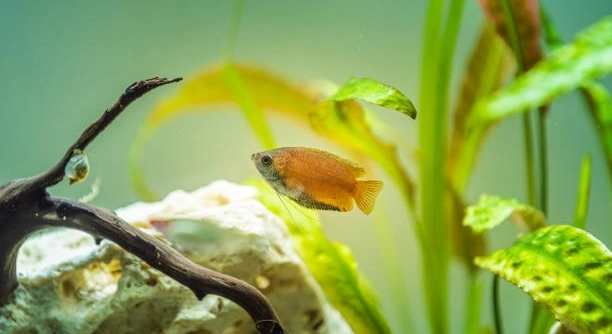
Gouramis are known for their curious nature and careful observation of their surroundings. When a new object enters their environment, they spend time inspecting it closely. This behavior is common among many fish species.
Gouramis inspect every new object to assess potential threats, understand changes in their environment, and establish familiarity. This cautious approach helps them maintain safety and adapt to their habitat effectively by gathering sensory information through sight and touch.
This natural behavior plays an important role in their daily life and well-being. Understanding why gouramis do this offers insights into their instincts and environment adaptation. The following sections will explain this behavior in detail.
Why Gouramis Are Curious by Nature
Gouramis are naturally curious fish, which explains why they take time to inspect every new object introduced into their tank. Their curiosity helps them understand if the object is safe, harmful, or simply unfamiliar. This behavior is essential for their survival in the wild, where unknown items could represent food, shelter, or danger. When a new decoration, plant, or equipment enters their environment, gouramis use their sensory organs to examine it carefully. They rely on their vision to detect colors and shapes and their lateral line system to sense vibrations and movements in the water. This slow and cautious approach reduces stress by allowing gouramis to process changes gradually. It also helps them avoid sudden reactions that could lead to injury or energy loss. In an aquarium, this inspection behavior reflects their instinctive need to protect themselves and maintain control over their territory.
Their curiosity is part of their natural survival instincts.
This behavior is consistent across many gourami species, showing how vital it is for their health and comfort. By observing new objects, gouramis avoid threats and make their environment feel more secure. This cautious behavior also encourages them to explore and become comfortable with changes at their own pace. Keeping an eye on their reactions helps owners provide a safer habitat and better understand their pets’ needs.
How Gouramis Use Their Senses During Inspection
Gouramis depend on multiple senses to evaluate new objects. Sight plays a key role, as they notice color, shape, and size differences quickly. They also use their sense of touch by gently brushing their fins or mouths against the object. Additionally, the lateral line system detects water movements and vibrations, which gives information about the object’s presence and position.
Sight is crucial for recognizing objects and their safety.
Using all these senses together allows gouramis to gather enough information before deciding how to respond. If the object poses no threat, they may become curious and explore it further. If the object causes discomfort, they may avoid it or show signs of stress. This sensory process also helps gouramis maintain awareness of their surroundings, which is important for territorial behavior and social interactions with other fish. For owners, understanding how gouramis inspect objects can guide how and when to introduce new items, reducing stress and promoting healthy adaptation.
How Gouramis React to New Objects
Gouramis often approach new objects slowly and cautiously. They may circle around or gently tap the item with their mouths or fins. These behaviors show they are trying to understand the object without risking harm.
This cautious approach helps gouramis avoid surprises or dangers. If the object is unfamiliar, they may hover nearby for a while, observing it from different angles. Some gouramis show brief signs of stress, like hiding or changing color, but these reactions usually fade once they feel safe. This inspection also helps gouramis decide if the new object can become part of their territory or if it needs to be avoided.
Over time, gouramis tend to accept new objects if nothing threatens them. They may even interact with the object regularly, using it as shelter or a play area. Consistent exposure reduces stress and helps gouramis adjust smoothly, making their environment more comfortable and stimulating.
Factors Influencing Inspection Behavior
The size and type of the new object affect how gouramis inspect it. Large or brightly colored items may cause more caution, while small, familiar-looking objects usually attract quicker interest. The tank environment also plays a role—if gouramis feel secure, they explore more freely.
Other factors include the gouramis’ individual temperament and past experiences. Some fish are naturally bolder, while others are more timid. Introducing new objects slowly and allowing gradual exposure helps reduce stress. Proper tank maintenance and stable conditions also encourage calm behavior during inspections. Understanding these factors allows owners to support their gouramis’ natural instincts effectively.
How Environment Affects Inspection
A stable and familiar environment helps gouramis feel safe when new objects appear. Sudden changes can increase their caution and stress levels. Keeping tank conditions consistent reduces anxiety and encourages quicker acceptance of new items.
Proper lighting and minimal disturbances also impact how gouramis react. Bright lights or loud noises can make them more wary, delaying their inspection.
Social Influences on Inspection Behavior
Gouramis often observe how other fish respond to new objects before investigating themselves. If tank mates show interest or calm behavior, gouramis feel more confident to approach. Conversely, signs of fear or aggression from others can increase their caution.
Social dynamics affect inspection speed and comfort. In peaceful groups, gouramis explore more freely, while in aggressive or crowded tanks, they remain more guarded and hesitant.
Importance of Gradual Introductions
Introducing new objects slowly minimizes stress. Placing items near existing decorations or outside the tank first allows gouramis to become aware gradually. This method supports natural inspection behavior and promotes smoother adaptation to changes.
Signs of Stress During Inspection
If gouramis avoid or aggressively attack new objects, it may indicate stress. Changes in color, hiding, or rapid breathing are signs to monitor closely for their well-being.
Why do gouramis inspect every new object in their tank?
Gouramis inspect new objects to understand their environment better and to ensure safety. This behavior is instinctive, helping them identify potential threats or opportunities, such as hiding spots or food sources. Inspecting slowly allows them to avoid harm by gathering sensory information before interacting fully.
How long do gouramis typically inspect a new object?
The inspection time varies depending on the object’s size, color, and position in the tank. Generally, gouramis may spend several minutes up to a few days cautiously observing and approaching the new item. They usually become comfortable once the object poses no threat and blends into their territory.
Is it normal for gouramis to avoid new objects at first?
Yes, initial avoidance is a common reaction. Gouramis are cautious by nature and prefer to keep distance until they feel safe. Over time, they usually grow accustomed to the new item and may even use it as shelter or a play area once trust is established.
What signs indicate that gouramis are stressed by new objects?
Stress signs include hiding more than usual, darkening of their body color, rapid breathing, or erratic swimming. If they attack the object aggressively, it can also signal discomfort. These reactions suggest that the new object may be too unfamiliar or perceived as a threat.
How can I help my gouramis adjust to new objects in their tank?
Introduce new items gradually. Place objects near existing decorations or outside the tank first to let gouramis get used to their presence. Ensure the tank environment is stable, with consistent lighting, temperature, and minimal disturbances to reduce stress during adaptation.
Do gouramis prefer certain types of objects over others?
Gouramis tend to be less cautious with smaller, natural-looking items like plants or smooth stones. Large, brightly colored, or shiny objects may cause more hesitation. Choosing decorations that resemble their natural habitat helps them feel more comfortable and encourages exploration.
Can gouramis damage new objects during inspection?
It is rare for gouramis to damage objects intentionally. They mainly use gentle tapping or brushing to explore. However, aggressive behavior due to stress or territoriality might lead to minor damage, especially with fragile decorations. Monitoring their behavior helps prevent potential issues.
Do gouramis inspect objects differently when other fish are present?
Yes, social context influences inspection behavior. Gouramis often watch how other fish react first. If tank mates approach calmly, gouramis are more likely to follow. In aggressive or crowded tanks, gouramis may remain more cautious or hide, delaying their inspection.
Is it necessary to remove new objects if gouramis show signs of stress?
If stress is severe and persistent, removing or repositioning the new object may be necessary. Giving gouramis time to settle before reintroducing items helps prevent prolonged anxiety. Gradual and thoughtful introduction reduces the need for removal in most cases.
How often should new objects be added to a gourami tank?
Frequent changes can cause unnecessary stress. It is best to introduce new objects sparingly and only when needed to enrich the environment. Allow gouramis time to adapt fully before adding more items to maintain a calm, stable habitat.
Can inspection behavior indicate gouramis’ health or mood?
Yes, active and calm inspection usually signals good health and comfort. Conversely, lack of interest or extreme stress behaviors may indicate health problems or poor tank conditions. Observing inspection habits helps owners monitor their fish’s well-being.
Are there any risks if gouramis do not inspect new objects?
Skipping inspection can lead to surprise or stress when encountering unknown items suddenly. This might cause injury or aggressive behavior. Encouraging natural inspection through slow introduction reduces risks and helps maintain a balanced aquarium environment.
How does the gourami’s habitat in the wild relate to their inspection behavior in captivity?
In the wild, gouramis face many unknowns daily, requiring constant evaluation of new objects for survival. This instinct carries over into captivity, where inspection helps them feel secure and adapt to changes in their artificial environment.
What role does the gourami’s lateral line play in inspecting objects?
The lateral line system detects vibrations and water movement around new objects. This sensory input allows gouramis to sense the object’s presence and position without direct contact, aiding cautious investigation and safety assessment.
Can gouramis recognize objects after inspecting them once?
Yes, gouramis develop familiarity with objects through repeated exposure. Once recognized as non-threatening, they generally accept these items in their territory and may interact with them regularly. Familiar objects contribute to a stable and comfortable habitat.
Final Thoughts
Gouramis inspect every new object in their tank as a natural way to understand their surroundings and ensure safety. This behavior reflects their cautious nature and survival instincts. By carefully examining new items, gouramis reduce the risk of harm and learn whether the object is a threat or something they can accept. This process helps them adapt to changes in their environment, which is especially important in captivity where new decorations or equipment are often introduced.
Providing gouramis with a stable environment makes inspection easier and less stressful for them. Gradual introductions of new objects allow gouramis to become familiar without sudden surprises. When the tank conditions are steady, with consistent lighting, temperature, and minimal disturbances, gouramis feel safer and more confident to explore. Understanding how gouramis react to new items helps owners support their well-being by reducing anxiety and encouraging natural behaviors.
Being mindful of gouramis’ inspection habits also contributes to a healthier and more balanced tank. Monitoring their reactions to new objects can reveal important information about their mood and health. Calm and curious behavior usually signals comfort, while signs of stress may indicate the need for changes in the environment or tank management. Keeping new objects familiar and introducing them slowly supports gouramis in feeling secure, helping maintain a peaceful aquatic home for these delicate fish.

Hello,
If you enjoy the content that we create, please consider saying a "Thank You!" by leaving a tip.
Every little bit helps us continue crafting quality advice that supports the health, happiness, and well-being of pets around the world, for pets of all shapes, sizes, and species.
We really appreciate the kindness and support that you show us!