
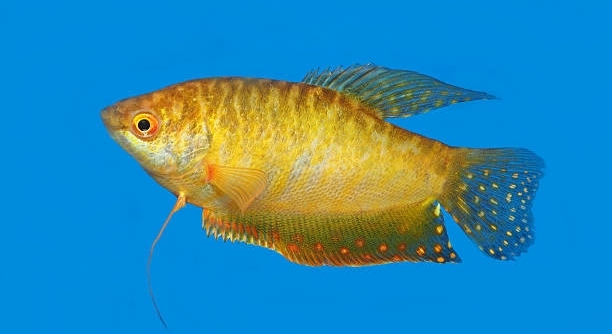
Gouramis are popular freshwater fish known for their peaceful nature and unique behaviors. Overfeeding these fish can cause noticeable changes in how they act and interact with their environment. Recognizing these behaviors is important for their well-being.
Overfeeding gouramis often leads to distinct behavioral changes, including lethargy, increased aggression, excessive surface gulping, and irregular swimming patterns. These behaviors result from digestive stress and poor water quality caused by leftover food and waste accumulation.
Knowing how overfeeding affects gouramis helps maintain a healthy aquarium environment. This article will explain seven key behaviors triggered by overfeeding and how to spot them early.
Lethargy and Reduced Activity
When gouramis are overfed, one of the first signs is lethargy. They tend to swim less and rest more at the bottom of the tank or near decorations. Overeating affects their digestion, making them feel uncomfortable and tired. The extra food breaks down in the water, causing lower oxygen levels, which also makes them less active. This behavior can be worrying since it’s a clear sign their system is stressed. Watching your gouramis move less than usual often points to overfeeding. It’s important to act quickly to prevent further health problems by adjusting feeding routines.
Overfed gouramis also show reduced interest in their surroundings and sometimes ignore their tank mates. This quiet behavior contrasts with their usual calm but alert nature.
Keeping an eye on activity levels helps maintain the fish’s health. Reducing food and improving tank maintenance will encourage gouramis to swim and explore again. Healthy movement means better digestion and a happier tank environment.
Increased Aggression and Territorial Behavior
Gouramis may become more aggressive when they are overfed. Excess food can cause discomfort and irritability, leading to fights over space or food. Even peaceful gouramis can act territorial, chasing others or showing flared fins. This change in behavior disrupts the calm balance in the tank and can stress all the fish. Overfeeding might also cause competition during feeding times, making gouramis more defensive.
Aggressive actions include chasing, nipping, and flaring fins. These behaviors often increase after feeding, especially if the food supply is too large or frequent.
The aggression is linked to discomfort from overeating and poor water conditions. When uneaten food decomposes, it lowers water quality, which stresses fish further. Stress makes them less tolerant of others, increasing territorial disputes. Fixing feeding amounts and improving cleaning routines will help calm your gouramis and restore peaceful interactions. Regular observation of their social behavior is key to catching these signs early and protecting all your fish.
Excessive Surface Gulping
Gouramis often gulp air at the surface when overfed. This happens because leftover food reduces oxygen levels in the water. The fish try to get more oxygen by breathing air directly from the surface, which is not normal behavior.
Overfeeding causes uneaten food to decay, consuming oxygen and releasing harmful substances. When oxygen drops, gouramis struggle to breathe underwater. They compensate by frequently rising to the surface for air, which can be stressful over time. This behavior signals poor water quality and possible health risks. Adjusting feeding amounts and improving filtration can restore oxygen balance and reduce surface gulping.
If left unchecked, this behavior can lead to respiratory problems. Regular water changes and careful feeding prevent oxygen depletion, keeping gouramis comfortable and active.
Irregular Swimming Patterns
Gouramis may swim erratically when overfed. They sometimes dart suddenly, circle in tight loops, or float oddly. These movements often indicate digestive discomfort or stress caused by too much food.
Erratic swimming is a sign that the fish’s system is overwhelmed. Excess food disrupts their digestion, sometimes causing bloating or swim bladder issues. Stress from poor water quality also affects their movement. These irregular patterns can worsen if feeding is not controlled, leading to long-term health problems.
Watching for changes in swimming helps catch issues early. Maintaining a balanced diet and clean tank supports healthy behavior and prevents these symptoms. Addressing overfeeding is the easiest way to reduce erratic swimming.
Appetite Changes
Overfeeding can lead to unusual appetite behavior in gouramis. They might eat less or refuse food after initially accepting it eagerly. This can confuse owners who assume the fish are still hungry.
A decreased appetite often results from digestive discomfort caused by too much food. Gouramis feel full or bloated and lose interest in eating. At the same time, poor water quality caused by overfeeding can weaken their overall health, reducing their desire to eat. This combination means it’s important to monitor feeding closely and avoid extra treats.
Recognizing appetite changes early helps prevent malnutrition and digestive issues. Adjusting feeding schedules encourages normal eating habits and keeps your gouramis healthy.
Bloating and Swelling
Overfeeding often causes bloating in gouramis. Their stomachs swell as they digest too much food, which can be painful and affect their swimming.
Bloating may also lead to swim bladder problems, making it hard for them to balance or swim properly. It’s important to reduce feeding to prevent these issues.
Hiding and Isolation
Gouramis may start hiding more when overfed. Discomfort from overeating and poor water conditions often make them seek quiet, safe spots away from others.
This behavior signals stress and should be addressed by cutting back on food and improving tank cleanliness to help them feel better.
Poor Water Quality Effects
Uneaten food from overfeeding breaks down and pollutes the water. This leads to higher ammonia and nitrate levels, which harm gouramis and cause further health problems. Poor water quality stresses fish, lowers immunity, and encourages disease. Regular cleaning and feeding control are essential to keep water safe and fish healthy.
Loss of Color
When gouramis are overfed and stressed, their colors may fade. Healthy gouramis usually have bright, vibrant hues, but stress dulls their appearance. Addressing feeding and water issues helps restore their natural color and overall health.
How can I tell if I am overfeeding my gourami?
Overfeeding usually shows up as leftover food in the tank and changes in your gourami’s behavior. Watch for signs like lethargy, bloating, or increased surface gulping. If uneaten food settles on the bottom or floats on top after feeding, it’s a good sign you’re giving too much. Also, if your gouramis act sluggish or swim oddly, reducing their food might help. Feeding small amounts and watching how fast they eat can prevent overfeeding. It’s better to feed less often but with good portions to keep them healthy.
What are the risks of overfeeding gouramis?
Overfeeding can cause many problems for gouramis. Excess food breaks down in the water, reducing oxygen and raising harmful chemicals like ammonia. This stresses the fish and can lead to diseases or even death. Overeating also causes bloating and digestive issues, making it hard for gouramis to swim properly. Their behavior changes too, becoming aggressive or hiding more. These risks affect not just individual fish but the whole aquarium’s health. Keeping feeding under control is essential to avoid these dangers and keep gouramis happy.
How often should I feed my gourami?
Feeding gouramis once or twice a day is usually enough. They do best with small portions they can eat within a few minutes. Overfeeding often comes from giving too much food at once or feeding too often. You can also try feeding every other day if you notice signs of overfeeding. Observing how much your gouramis eat helps adjust feeding schedules. Remember, it’s easier to add more food if needed than to fix problems caused by too much.
What type of food is best for gouramis?
Gouramis enjoy a varied diet, including flakes, pellets, frozen, and live foods. High-quality flakes or pellets designed for tropical fish provide good nutrition. Supplementing with frozen or live foods like bloodworms or brine shrimp helps keep them healthy and active. Avoid overfeeding any one type of food to prevent digestive problems. Balanced feeding supports good behavior and vibrant colors.
Can overfeeding cause health problems for gouramis?
Yes, overfeeding often leads to health issues such as bloating, swim bladder disorder, and weakened immunity. These conditions reduce their ability to swim, digest food, and fight off infections. Overfeeding also worsens water quality, which increases stress and the chance of disease. Keeping food amounts appropriate helps avoid these health risks and supports a longer, healthier life for your gouramis.
What should I do if I notice overfeeding signs?
If you see signs like leftover food, sluggish behavior, or bloating, reduce the amount of food immediately. Increase tank maintenance by performing partial water changes to improve water quality. Check the filtration system and clean the tank regularly to remove uneaten food and waste. You may also want to skip feeding for a day to let your gouramis’ digestive systems recover. Monitoring behavior and adjusting feeding routines will help reverse the negative effects.
Is it okay to feed gouramis treats or snacks?
Treats can be given occasionally but in very small amounts. Overfeeding treats like freeze-dried or live foods can cause the same problems as regular food if given too often. Use treats to add variety, not as a main part of their diet. Always watch how your gouramis respond to treats and avoid giving more than they can eat quickly.
How does overfeeding affect water quality?
Extra food that isn’t eaten sinks and decomposes, releasing ammonia and other toxins into the water. This process reduces oxygen levels, making it harder for fish to breathe. Poor water quality stresses gouramis and can cause illness or death. Regular cleaning and controlled feeding are necessary to keep water parameters safe and stable.
Can behavioral changes from overfeeding be reversed?
Yes, many behaviors caused by overfeeding can improve with proper care. Reducing food intake, cleaning the tank, and improving water quality help gouramis return to normal activity and social behavior. Early action is important to prevent permanent health damage. Patience is needed, as recovery can take days or weeks depending on the severity.
What is the best way to avoid overfeeding gouramis?
Feed small portions that your gouramis can finish in 2-3 minutes, once or twice daily. Avoid free-feeding or adding extra food if the tank is not clean. Use feeding tools or timers if necessary to control portions. Regularly observe your fish and tank to catch any signs of overfeeding early. Consistency and moderation are the keys to keeping gouramis healthy and active.
Overfeeding gouramis is a common issue that can affect both their behavior and health. It is important to feed them carefully to avoid problems like bloating, aggression, and poor water quality. Small, controlled meals are better than large amounts given too often. By paying attention to how much food your gouramis actually eat and removing any leftovers quickly, you can help keep your fish comfortable and healthy. Feeding less can sometimes feel like you are not doing enough, but it is actually safer for your gouramis in the long run.
Keeping the aquarium clean is just as important as controlling feeding. Leftover food breaks down and changes the water, which can stress the fish and make them sick. Regular water changes and proper filtration help maintain good water quality, reducing harmful chemicals and increasing oxygen levels. When gouramis live in a clean, well-maintained tank, they show healthier behavior and more vibrant colors. Watching for signs like unusual swimming, hiding, or surface gulping can help catch issues early before they become serious.
Understanding the effects of overfeeding helps create a better environment for gouramis. It is easy to spoil them by offering too much food, but this can cause long-term damage. Feeding them the right amount and keeping the tank clean encourages natural behaviors and supports their well-being. With a little care and attention, gouramis can live happily in a balanced environment where they feel comfortable and active. Remember, good feeding habits and tank maintenance are the foundation for healthy fish and a peaceful aquarium.

Hello,
If you enjoy the content that we create, please consider saying a "Thank You!" by leaving a tip.
Every little bit helps us continue crafting quality advice that supports the health, happiness, and well-being of pets around the world, for pets of all shapes, sizes, and species.
We really appreciate the kindness and support that you show us!