
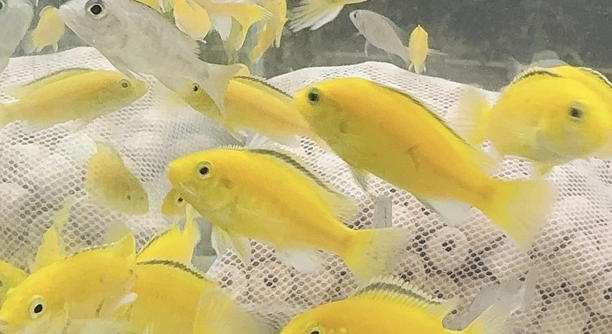
Cichlids are fascinating fish, known for their unique breeding habits and careful care of eggs. Many aquarists take pride in watching these eggs develop, but sometimes they mysteriously disappear without warning or explanation.
Several unusual factors can cause cichlid eggs to go missing. Eggs may be eaten by the parents themselves, attacked by other fish in the tank, or affected by environmental stressors such as water quality, temperature fluctuations, or insufficient hiding spots for protection.
Understanding these uncommon causes will help maintain a healthier aquarium environment and increase the chances of successfully raising cichlid fry. Awareness of these issues is essential for any dedicated fish keeper.
Eggs Eaten by Parents
Sometimes, even the most attentive cichlid parents eat their own eggs. This behavior can occur if the parents feel stressed, unwell, or uncertain about the survival of their offspring. Stress may arise from overcrowding, sudden changes in water conditions, or the presence of aggressive tank mates. Parents may also consume eggs if they sense that some are infertile or damaged, which could prevent future disease in the tank. Interestingly, this behavior is not always a sign of poor parenting. In some cases, it is a natural instinct to manage the number of offspring and ensure the strongest survive. Observing your cichlids carefully during breeding can help identify patterns and reduce the chances of egg loss. Providing stable water conditions, plenty of hiding spots, and minimizing disturbances can often prevent parents from eating their eggs.
Parent egg consumption usually happens early in the breeding process and can be minimized with proper tank management.
Adjusting tank conditions, reducing stress, and monitoring parental behavior can significantly improve egg survival rates in cichlids.
Predatory Tank Mates
Other fish in the tank may target cichlid eggs. Even species that are usually peaceful can show opportunistic behavior when eggs are present. Tank mates may consume eggs before they have a chance to hatch. This risk is particularly high in community tanks where multiple species coexist. Keeping cichlid eggs separate or providing plenty of hiding spaces can reduce predation. Dense plants, rocks, and breeding caves create environments where eggs are less visible and more likely to survive. Careful selection of tank mates is crucial. Avoid placing cichlids with aggressive or opportunistic species during breeding periods. Some fish are naturally inclined to seek out eggs as a food source, so even minor predators can impact the overall hatch rate.
Separating eggs or using a breeding tank ensures higher survival rates.
Egg predation is a common reason why cichlid eggs go missing, but proper planning can prevent losses. Using barriers, netted breeding boxes, or relocating eggs to a safe tank allows fry to develop without threat. Dense vegetation and secure caves make eggs harder to reach and less tempting to other fish. Monitoring tank dynamics and knowing which species coexist peacefully during breeding reduces stress for the parents and increases the likelihood of successful hatching. Maintaining water quality and avoiding sudden changes further supports the safety of the eggs. Careful management of both the breeding pair and tank mates ensures that more eggs reach maturity, supporting a healthy population of cichlid fry in your aquarium.
Poor Water Quality
Maintaining clean water is essential for cichlid eggs. High levels of ammonia, nitrites, or nitrates can stress parents and harm developing eggs. Regular testing and water changes are key. Even slight imbalances can lead to eggs being abandoned or eaten.
Contaminated or unstable water conditions can drastically affect egg survival. Fluctuations in pH, temperature, or hardness may cause parents to reject their eggs. In some cases, eggs may become cloudy, die, or be consumed by the adults. Ensuring proper filtration, performing partial water changes, and monitoring chemical levels creates a stable environment for egg development. Consistency in tank maintenance reduces stress on both parents and offspring, improving the likelihood of successful hatching.
Stress from poor water quality may trigger aggressive behaviors in cichlids, including eating their eggs. Parents instinctively respond to unfavorable conditions by reducing the number of offspring. Eggs left in dirty water are more prone to fungal infections or decay, which can spread quickly in the tank. Providing a well-maintained environment with adequate aeration and stable parameters not only protects the eggs but also supports the overall health of the breeding pair. Paying attention to these details can make a significant difference in the survival of cichlid eggs.
Temperature Fluctuations
Sudden changes in water temperature can shock cichlids and their eggs. Eggs are sensitive to heat or cold, which may cause them to be abandoned or eaten. Maintaining a consistent temperature is crucial.
Temperature swings can stress parents and hinder proper development. Even minor fluctuations may cause eggs to become infertile or develop abnormalities. Stable temperatures encourage natural parenting behaviors and reduce the risk of egg loss. Using a reliable heater, thermometer, and monitoring daily ensures that the environment remains suitable. Consistent warmth supports the parents’ instincts to protect and care for their eggs, preventing accidental consumption.
Extreme or repeated temperature changes can compromise the immune systems of both parents and eggs. This increases susceptibility to infections, fungus, and mortality. Eggs exposed to rapid cooling may fail to develop, while overheating can accelerate decay or trigger defensive behaviors from the parents. Carefully adjusting tank equipment, avoiding drafts, and placing the tank in a stable location ensures that temperature remains steady. Observing the parents’ reactions to environmental changes also helps identify stress early, allowing intervention before eggs are lost. Proper thermal management is essential for successful hatching in cichlid breeding.
Overcrowding
Too many fish in the tank increases stress and competition for space. Parents may feel threatened and eat or abandon their eggs. Adequate space reduces aggression and supports healthy breeding.
Overcrowding can also lead to poor water quality, increasing ammonia and nitrite levels. Less room makes it harder for eggs to remain hidden, making them vulnerable to other fish.
Lack of Hiding Spots
Cichlid eggs need secure places to stay safe. Without rocks, plants, or caves, eggs are exposed and often eaten. Parents rely on these areas to shield their offspring. Providing well-structured hiding spots increases egg survival and reduces parental stress during the breeding period.
Inexperienced Parents
Young or first-time cichlid parents may not recognize eggs as their own or may mishandle them. They might move eggs too often, drop them, or consume them accidentally. Experience plays a big role in proper care. Observation and guidance can improve outcomes for these novice breeders.
Fungal Infections
Fungal growth can destroy cichlid eggs quickly. Poor water quality, lack of aeration, or damaged eggs encourage fungus. Infected eggs often appear white or fuzzy. Removing affected eggs and improving conditions helps protect remaining healthy eggs.
What are the most common reasons cichlid eggs disappear?
Cichlid eggs can go missing for a variety of reasons. Parents may eat them due to stress, inexperience, or suspicion that the eggs are infertile. Other fish in the tank might consume the eggs if hiding spots are insufficient. Poor water quality and sudden environmental changes also contribute to egg loss. Overcrowding increases stress and reduces the space parents have to guard their eggs. Temperature fluctuations, fungal infections, and lack of hiding areas all play a role in egg survival. Understanding these factors helps in creating a safer breeding environment and increasing hatching success.
How can I prevent my cichlids from eating their eggs?
Ensuring stable water conditions is key. Keep pH, temperature, and chemical levels consistent to reduce parental stress. Provide plenty of hiding spots using rocks, plants, and breeding caves. Avoid overcrowding and aggressive tank mates that may provoke defensive or erratic behaviors. If the parents are young or inexperienced, consider separating eggs into a breeding box to protect them. Observing the parents during the first few days helps identify if they are likely to consume eggs. With proper planning, parental egg consumption can be minimized, and more fry can survive to hatching.
What tank setup supports egg survival?
A well-structured tank is essential for protecting eggs. Include dense plants, rocks, and caves to provide shelter. Ensure enough space for the breeding pair and reduce interference from other fish. Proper filtration and aeration maintain clean water and consistent oxygen levels. Stable temperature control prevents shocks that might stress parents or damage eggs. Avoid sudden changes in lighting or tank placement, as these can disturb the fish. Monitoring water parameters regularly and performing partial water changes supports a healthy environment. A thoughtfully arranged tank increases the chances of eggs surviving until they hatch.
How does water quality affect cichlid eggs?
Water quality directly impacts egg development. High ammonia, nitrite, or nitrate levels stress parents and can kill eggs. pH swings or improper hardness can cause eggs to become infertile or decay. Maintaining clean water through regular testing, partial water changes, and proper filtration ensures a safe environment. Healthy water reduces the likelihood of fungal infections and encourages proper parental care. Even minor chemical imbalances can trigger egg abandonment or consumption, so consistency is vital. Providing optimal water conditions gives eggs the best chance to develop successfully and supports the overall health of the breeding pair.
Are there signs that eggs are at risk?
Yes, several indicators suggest eggs are in danger. Parents may become restless, ignore eggs, or consume them. Eggs that appear cloudy, white, or fuzzy often indicate fungal infection. Sudden changes in parent behavior, such as hiding excessively or acting aggressively, can signal stress. Poor water conditions or temperature fluctuations may also manifest in eggs being abandoned. Monitoring the eggs daily allows early detection of problems, making it possible to take corrective action. Addressing these signs quickly helps save remaining eggs and improves the overall hatching success rate.
Should I separate eggs from the parents?
Separating eggs is often beneficial if parents are inexperienced or aggressive. Using a breeding box or a separate tank reduces risks from predation, parental consumption, or tank disturbances. This allows the eggs to develop in a controlled environment with stable temperature and clean water. Even experienced parents may benefit from a safer setup if the tank has aggressive species or overcrowding. Careful handling ensures minimal stress during transfer. Separation provides an opportunity to monitor eggs more closely and intervene if problems arise, greatly improving the likelihood of successful hatching.
How can fungal infections be prevented?
Fungal growth thrives in damaged eggs, poor water quality, and stagnant conditions. Removing dead or damaged eggs promptly prevents spread. Maintain clean water, adequate aeration, and stable temperature. Avoid overcrowding and handle eggs gently to reduce injury. Antifungal treatments can be used if necessary, but prevention is the best approach. Dense plants and breeding caves improve water flow and reduce areas where fungus can develop. Regular observation and maintenance keep eggs healthy and reduce the risk of losing them to fungal infection, ensuring a greater number of fry survive.
Does parental experience influence egg survival?
Yes, experienced cichlid parents are more likely to care for eggs properly. They recognize eggs, protect them, and minimize unnecessary handling. First-time parents may eat or mishandle eggs due to confusion or stress. Observing the pair during initial breeding attempts helps identify behaviors and guide interventions. Providing a stable environment and minimizing disturbances supports inexperienced parents. Over time, they learn to manage eggs more effectively, improving survival rates. Experience, combined with proper tank conditions and hiding spaces, significantly increases the likelihood that more eggs will reach hatching successfully.
How does temperature affect eggs?
Temperature consistency is crucial for egg development. Sudden drops or rises can shock both parents and eggs, causing abandonment or consumption. Eggs may fail to develop or become vulnerable to infections if exposed to extreme temperatures. Using a reliable heater, thermometer, and daily monitoring ensures stable conditions. Even small fluctuations can impact survival, so careful placement of the tank away from drafts or direct sunlight is important. Maintaining optimal temperature promotes healthy development, encourages parental care, and reduces the risk of egg loss due to environmental stress.
Can other fish in the tank cause eggs to disappear?
Yes, tank mates can be a major threat. Even peaceful species may eat exposed eggs if hiding spots are lacking. Aggressive or opportunistic fish increase the risk further. Providing dense vegetation, rocks, and breeding caves shields eggs from unwanted attention. Separating the breeding pair or using a breeding tank protects eggs from predation. Monitoring tank behavior and adjusting fish selection during breeding periods significantly improves egg survival. Awareness of how other fish interact with the breeding pair and their eggs is essential for maintaining a secure environment for developing fry.
What steps improve overall egg survival?
Stable water conditions, adequate hiding spots, and careful tank management are key. Avoid overcrowding and reduce stress for the parents. Monitor temperature, water chemistry, and parental behavior regularly. Remove damaged or infected eggs promptly and consider separating eggs if parents are inexperienced. Regular observation and maintenance create a safer environment, improving survival rates. Consistent care, combined with proper tank setup and attention to parent behavior, ensures that more eggs reach hatching successfully. Small adjustments in the environment can make a significant difference in the health and survival of cichlid eggs.
How long does it take for eggs to hatch?
Cichlid eggs generally take three to seven days to hatch, depending on species and environmental conditions. Temperature, water quality, and parental care influence development speed. Stable conditions and minimal disturbance allow eggs to hatch on schedule. Observing parents and eggs closely during this period ensures any issues can be addressed immediately. Hatchlings are vulnerable at first, so maintaining protective hiding spots and proper water parameters continues to be important even after the eggs have hatched. Proper care during the incubation period sets the stage for healthy fry development and higher survival rates.
Caring for cichlid eggs requires attention, patience, and consistency. Many factors can cause eggs to go missing, from parental behavior to environmental conditions. Even experienced breeders may face challenges, as cichlids have natural instincts that sometimes lead to egg loss. Understanding these factors allows you to create an environment that supports the health and safety of both the eggs and the parents. Stable water conditions, appropriate temperature, and a well-structured tank are essential. Providing hiding spots like rocks, plants, or breeding caves gives eggs protection from other fish and reduces stress on the parents. Overcrowding should be avoided, as limited space increases tension and the likelihood of eggs being eaten or abandoned. Paying attention to parental behavior, particularly in first-time breeders, helps identify risks early and gives an opportunity to intervene before significant losses occur.
Parental experience plays a crucial role in egg survival, but even inexperienced parents can succeed with proper support. Monitoring the tank, maintaining clean water, and minimizing sudden changes all contribute to a safer breeding environment. Eggs are highly sensitive to their surroundings, and even minor fluctuations in temperature or chemical levels can affect development. Fungal infections are another common threat and should be addressed promptly by removing affected eggs and improving water conditions. Separating eggs may be necessary in some cases to protect them from predation or accidental consumption by the parents. Creating a controlled space allows eggs to develop without interference while parents continue to exhibit natural care behaviors. Observation and patience are key, as interventions should be gentle and minimal to avoid adding stress to the fish.
Overall, successful cichlid breeding requires careful planning, consistent maintenance, and a thoughtful approach to tank management. By understanding the reasons eggs may disappear and addressing these issues proactively, you can significantly improve survival rates. Every tank and breeding pair is different, so adjustments may be needed depending on the species and individual fish. Consistency in water quality, temperature, and space management creates an environment where parents can focus on protecting their eggs. With the right setup, patience, and attention to detail, more eggs will survive, giving the cichlids a better chance to grow and thrive. Maintaining this balance between parental instincts and environmental support ensures healthier fry and a more rewarding experience for anyone raising cichlids.

Hello,
If you enjoy the content that we create, please consider saying a "Thank You!" by leaving a tip.
Every little bit helps us continue crafting quality advice that supports the health, happiness, and well-being of pets around the world, for pets of all shapes, sizes, and species.
We really appreciate the kindness and support that you show us!