
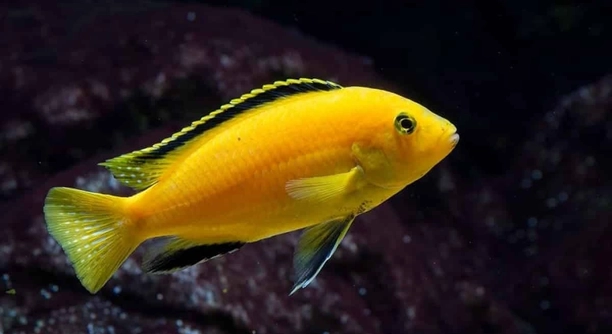
Electric yellow cichlids are striking freshwater fish often admired for their bright color and active behavior. Many aquarists notice these fish spend time around certain rocks, shaping their environment in specific ways. Observing their preferences can reveal a lot.
Electric yellow cichlids show clear preference for rocks that provide stable surfaces, suitable hiding spaces, and favorable chemical composition. These rock types support their territorial behavior, breeding, and overall health, influencing both activity levels and long-term well-being in captivity.
Learning about these rock preferences helps aquarists create a more comfortable and natural habitat for their cichlids, promoting both visual appeal and healthier fish behavior overall.
Understanding Rock Composition
The type of rock in an aquarium plays a significant role in how electric yellow cichlids behave and interact with their environment. Rocks that contain calcium carbonate, like limestone, help maintain stable pH levels, which is crucial for the fish’s health. Harder rocks create solid surfaces for cichlids to establish territories, while softer or crumbly rocks can break under pressure and stress the fish. Texture also matters: rough surfaces allow cichlids to scrape algae and establish hiding spots, whereas smooth rocks may feel unnatural and limit their activity. Over time, these choices influence breeding, aggression, and comfort levels. Aquarists often notice that cichlids spend most of their time near preferred rocks, rearranging them or using them for shelter. Even the placement of rocks affects swimming patterns, as fish tend to move around structures they trust. Understanding these subtle interactions can help create a healthier, more stable environment that aligns with the cichlids’ natural instincts.
Rocks rich in calcium also strengthen shells and bones, improving overall vitality. Choosing the right composition benefits growth and activity.
Even minor changes in rock arrangement or type can cause stress, reduce breeding activity, or alter feeding behavior. Electric yellow cichlids thrive when their surroundings mimic natural lake environments, including appropriate rock shapes, sizes, and chemical makeup. Using a mix of vertical and horizontal surfaces encourages movement and allows fish to claim territory comfortably. Rocks with crevices or small caves offer shelter, lowering stress and increasing security. The interaction with these structures is not just for protection but also supports social dynamics, allowing dominant fish to establish spaces without constant conflict. Regularly monitoring water chemistry is essential, as some rocks may leach minerals affecting pH and hardness. By understanding these preferences, aquarists can improve both the visual appeal of the tank and the overall health of the cichlids, ensuring a balanced and natural-feeling environment.
Rock Shapes and Fish Behavior
Rounded rocks encourage open swimming, giving cichlids freedom to explore the tank without obstruction. They feel less confined.
Sharp edges and vertical structures help define territories, prevent constant chasing, and provide safe spots for shy fish. They also support breeding behaviors by creating secluded areas. Vertical surfaces allow males to display dominance, while caves and overhangs reduce conflict. Fish interacting with structured rocks show more active feeding and healthier growth patterns. Choosing varied shapes encourages natural behavior and keeps fish engaged. Placement affects swimming routes, with open spaces complementing hiding spots to balance exploration and security. Proper arrangement of these rocks enhances both mental stimulation and comfort, leading to more dynamic and stable tank activity. Consistent observation of cichlids can reveal which shapes they prefer for resting, feeding, or breeding, allowing adjustments to optimize tank layout. Over time, carefully selected rock shapes can reduce stress, minimize aggression, and create a harmonious environment tailored to the fish’s instincts, ultimately supporting long-term health and vibrant coloration.
Rock Placement in the Aquarium
Proper placement of rocks affects how electric yellow cichlids move and interact. Positioning larger rocks near the center creates natural barriers, while smaller rocks along the edges provide hiding spots. Balanced placement encourages exploration and prevents overcrowding, making the tank feel safer for all fish.
Rocks should be arranged to mimic natural habitats, with vertical and horizontal surfaces mixed. Vertical rocks offer boundaries for territorial behavior, while horizontal rocks allow resting and grazing. Avoid stacking rocks too high, as falling structures can harm fish. Using a variety of shapes and sizes in strategic locations promotes active swimming, reduces stress, and supports social hierarchy. Placement also affects water flow and filtration, as open spaces improve circulation while tight clusters can trap debris. Observing cichlids’ behavior can guide adjustments to maintain a stable environment that supports feeding, breeding, and natural interactions over time.
Spacing and orientation of rocks influence both activity and safety. Creating accessible caves and open swim areas allows fish to choose their preferred zones. Overlapping or tightly clustered rocks may limit movement or trigger territorial disputes. Placement should balance visibility, shelter, and territory boundaries. Adjusting rock positions gradually encourages fish to explore without causing stress or sudden aggression. Strategic layouts enhance both natural behavior and overall tank harmony.
Rock Cleaning and Maintenance
Regular cleaning ensures rocks do not alter water chemistry or accumulate harmful bacteria. Light scrubbing with tank-safe tools prevents algae overgrowth without disturbing fish.
Rocks should be removed periodically to check for mineral buildup or sharp edges that may injure fish. Avoid using soaps or harsh chemicals, as residues can be toxic. A gentle rinse with dechlorinated water is sufficient. Cleaning also allows aquarists to inspect for cracks or unstable structures, reducing risk of collapse. Maintaining rocks preserves water quality and supports the cichlids’ health by preventing sudden pH or hardness changes. Observing algae growth helps determine feeding habits and overall tank balance. Proper care keeps the aquarium safe, visually appealing, and conducive to natural behavior.
Consistent maintenance prevents hidden hazards and supports a stable environment. Algae control, debris removal, and structural checks reduce stress and injury. Incorporating cleaning into a routine ensures fish remain active and healthy. Over time, well-maintained rocks enhance both tank aesthetics and long-term water stability, fostering a thriving habitat for electric yellow cichlids.
Selecting Safe Rocks
Choosing safe rocks prevents chemical changes that stress electric yellow cichlids. Avoid rocks that release toxins or sharp edges that can injure fish. Testing for hardness and pH impact helps ensure the rocks are suitable. Safe rocks support both health and natural behavior.
Natural stones like granite or slate are usually reliable. Avoid rocks collected from unknown outdoor sources, as they may contain contaminants. Smooth, stable rocks reduce risk of injury, while porous rocks can harbor algae or bacteria. Proper selection also influences tank aesthetics, creating a natural-looking environment that fish are comfortable in. Safe, stable rocks improve both activity and well-being.
Influence of Light on Rock Preference
Lighting affects how electric yellow cichlids interact with rocks. Bright areas near rocks encourage algae growth, offering food and foraging opportunities, while shaded areas provide hiding spaces that reduce stress. Rocks placed strategically with varying light exposure influence territorial and resting behavior, creating a balanced environment.
Seasonal Changes and Rock Behavior
Water temperature and seasonal variations affect how cichlids use rocks. Warmer periods may increase activity around shaded rocks, while cooler water can make fish stay near stable, sheltered areas. Understanding these patterns allows aquarists to optimize rock placement and tank conditions for consistent health and comfort.
Observing Fish Interaction
Watching how cichlids interact with different rocks helps identify preferences. Fish may spend more time near certain textures or structures, indicating comfort and suitability. Adjusting rock types based on observation enhances habitat quality and overall fish well-being.
FAQ
What types of rocks are safest for electric yellow cichlids?
Natural stones such as granite, slate, and certain types of limestone are generally safe. They are stable, non-toxic, and do not drastically alter water chemistry. Avoid rocks with sharp edges or unknown origins, as these can injure fish or leach harmful substances into the tank. Porous rocks should be used with caution because they can trap debris or promote excessive algae growth. Safe rocks help maintain a stable pH and hardness, supporting both health and natural behavior. Testing new rocks in a separate container before adding them to the tank can prevent surprises.
Why do cichlids prefer rough or textured rocks?
Rough surfaces offer better grip for territorial marking and allow fish to scrape algae for extra food. They also provide hiding spots that reduce stress and aggression. Smooth rocks lack these benefits, leaving fish less engaged and potentially more stressed. Textured rocks encourage natural activity, like grazing, exploring, and defending territory, which is essential for their mental and physical health. Cichlids naturally interact with complex environments in the wild, so replicating these textures in aquariums keeps them active and comfortable.
How should rocks be arranged for breeding purposes?
Rocks should create secluded areas with caves or overhangs for egg-laying. Vertical surfaces help males display dominance and claim territory, while horizontal rocks offer resting or feeding zones. Avoid overcrowding, which can trigger aggression or stress. Strategic placement encourages natural behaviors, like pairing and defending nesting sites, and helps maintain hierarchy. Monitoring fish interactions during breeding ensures that rocks provide both security and visibility. Proper arrangement increases the likelihood of successful spawning while keeping aggression under control.
Do rocks affect water chemistry significantly?
Yes, certain rocks can influence pH and hardness. Limestone and other calcium-rich rocks slowly release minerals, stabilizing water and supporting strong bones and scales. However, some rocks from unknown sources may contain toxins or metals that negatively impact water quality. Regular testing of water parameters is important, especially when adding new rocks, to prevent sudden chemical changes that can stress cichlids. Monitoring ensures a stable environment conducive to both growth and activity.
How often should rocks be cleaned?
Rocks should be checked and cleaned at least once a month or whenever algae buildup becomes noticeable. Use tank-safe brushes and rinse with dechlorinated water. Avoid soap or chemical cleaners. Regular cleaning prevents debris accumulation, maintains water quality, and reduces stress on the fish. It also allows inspection for sharp edges, cracks, or unstable formations that could harm the fish. Consistent maintenance keeps rocks safe, visually appealing, and functional for hiding and territorial behavior.
Can changing rocks suddenly affect fish behavior?
Yes, sudden changes can increase stress, trigger aggression, or reduce activity. Cichlids are territorial and accustomed to their environment. Gradual rearrangement or introduction of new rocks allows fish to adjust safely. Observing behavior after changes helps determine if further adjustments are needed. Proper planning and gradual changes maintain natural behavior patterns and prevent injury or stress-related health issues.
Do different rock shapes influence territorial behavior?
Yes, vertical rocks often become boundaries for territory, while caves or overhangs offer shelter. Rounded or horizontal rocks encourage open swimming and exploration. Fish use these shapes to establish dominance, rest, or hide, creating a balanced social environment. Selecting varied shapes promotes activity and reduces conflicts, supporting natural behavior.
Are there rocks to avoid entirely?
Avoid rocks that crumble easily, have sharp edges, or come from unknown outdoor sources. These can injure fish or release harmful chemicals. Rocks with metal content, heavy minerals, or unnatural coatings should never be used, as they may disrupt water chemistry and harm cichlids. Testing or observing new rocks before full introduction prevents hazards.
Can rocks impact algae growth in the tank?
Yes, textured or porous rocks provide surfaces where algae can attach. Algae can serve as supplemental food for cichlids, but excessive growth can affect water quality. Smooth rocks limit algae accumulation but reduce foraging opportunities. Balancing light exposure, water flow, and cleaning routines helps manage algae naturally while supporting fish behavior.
How do I know if a rock is causing stress?
Signs include reduced swimming, hiding excessively, or increased aggression. Fish may avoid certain rocks if they feel unsafe or unstable. Observing fish interaction with each rock type and monitoring water chemistry helps identify potential issues. Replacing or repositioning problematic rocks restores comfort and encourages normal behavior.
This FAQ provides guidance for creating a safe, engaging, and balanced environment using rocks that support electric yellow cichlids’ natural instincts, health, and long-term well-being.
Final Thoughts
Electric yellow cichlids are vibrant and active fish that respond strongly to their environment. The rocks in an aquarium do more than just decorate; they shape behavior, comfort, and health. Choosing the right types of rocks, such as granite, slate, or safe limestone, ensures that the tank remains chemically stable. Rocks that are too soft or porous can break easily, trap debris, or change water hardness and pH, which may stress the fish. Observing how your cichlids interact with different rock types helps identify what works best. Fish often spend time near preferred surfaces for grazing, hiding, or claiming territory. Proper rock selection encourages natural behavior, supports breeding, and creates a safer environment overall.
The placement and structure of rocks are just as important as their composition. Vertical rocks provide boundaries for territorial behavior, while horizontal rocks give space for resting or swimming. Caves, overhangs, and textured surfaces offer shelter and comfort, reducing stress and minimizing aggressive encounters. Even small adjustments in rock arrangement can impact fish movement and activity patterns. Rocks also affect lighting and water flow in the tank, influencing algae growth and foraging opportunities. Gradual changes in the layout are better than sudden rearrangements, as cichlids are territorial and may react negatively to abrupt modifications. Watching your fish’s response to different placements can guide decisions, making it easier to create a balanced and healthy environment that encourages natural activity while reducing conflict.
Maintenance and care of rocks are essential for long-term success. Regular cleaning prevents algae buildup, debris accumulation, and potential hazards from cracked or unstable rocks. Using tank-safe brushes and rinsing with dechlorinated water preserves both water quality and fish health. Avoid harsh chemicals or soaps, as even small residues can harm cichlids. Monitoring water parameters ensures that rocks are not altering pH or hardness unexpectedly. Over time, consistent maintenance keeps rocks safe, functional, and visually appealing. By understanding rock composition, placement, and care, aquarists can create an environment where electric yellow cichlids thrive. These practices support not only physical health but also natural behavior, allowing the fish to interact confidently with their surroundings while maintaining vibrant coloration and active lifestyles. A well-planned tank with appropriate rocks promotes a calm, engaging, and sustainable habitat for these beautiful cichlids.

Hello,
If you enjoy the content that we create, please consider saying a "Thank You!" by leaving a tip.
Every little bit helps us continue crafting quality advice that supports the health, happiness, and well-being of pets around the world, for pets of all shapes, sizes, and species.
We really appreciate the kindness and support that you show us!