
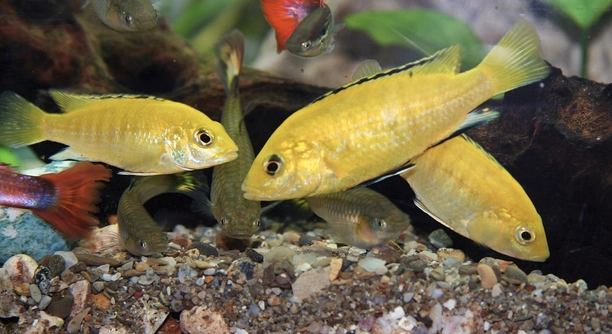
Many fish owners enjoy keeping their tanks clean, but nighttime inspections can sometimes feel tricky or stressful. Checking your aquarium after dark requires care, attention, and knowing what to look for to keep fish healthy and safe.
Nighttime tank checks are essential for maintaining a stable aquatic environment. Regular inspections help identify equipment malfunctions, water quality issues, and signs of stress or illness in fish, ensuring timely intervention and long-term well-being of the aquarium ecosystem.
Even small nightly observations can prevent bigger problems later. Learning effective practices ensures your fish stay healthy and your tank remains a safe, thriving space.
Observe Fish Behavior Closely
Watching how your fish move and interact at night gives important clues about their health. Fish may hide, swim erratically, or act unusually if they are stressed, sick, or uncomfortable with the tank conditions. Subtle changes in behavior are often the first signs of problems. Nighttime is particularly revealing because fish are less distracted and more predictable in their patterns. Some species are nocturnal, making nighttime checks essential to notice feeding habits, resting spots, and activity levels. Observing fish closely also helps you see how compatible species coexist and ensures no aggressive behavior goes unnoticed. Lighting adjustments at night can help reduce stress while still allowing you to monitor behavior. Consistent observations make it easier to spot patterns and act before small issues escalate. Keeping a small notebook or using an app to track changes can make these checks more effective and provide a record for future reference. Over time, these small observations lead to a healthier tank overall.
Fish behavior is a direct indicator of their well-being and tank conditions, making careful observation a key nightly practice.
Tracking behavior helps prevent health problems and ensures your tank’s ecosystem remains balanced and stable for all species involved.
Check Equipment Functionality
Ensuring filters, heaters, and lights work properly at night prevents unexpected tank issues.
Equipment failures can cause rapid water quality changes, temperature swings, and stress in fish. Regular nighttime checks allow for early detection and immediate action. Inspect cords, connections, and mechanical parts. Make sure heaters maintain consistent temperature and filters flow smoothly without clogging. Lights should operate on schedule to respect natural fish rhythms. Unexpected noises or vibrations can indicate mechanical wear or blockages. Keeping backup equipment ready helps reduce risks. Pay attention to air pumps and water circulation, as oxygen levels may drop overnight. Nighttime checks reveal subtle problems that daytime inspections might miss, such as intermittent malfunctions or low oxygen pockets. Documenting any irregularities allows you to compare patterns over time and identify recurring issues. Proper maintenance of all equipment ensures a stable environment, which directly supports fish health. Developing a habit of nightly equipment checks reduces stress for both the fish and the caretaker while minimizing sudden emergencies.
Consistent equipment monitoring keeps tanks stable, protecting fish from environmental fluctuations and mechanical failures.
Inspect Water Quality
Regular testing of water at night helps spot sudden changes that could harm fish. Checking pH, ammonia, nitrite, and nitrate levels ensures a safe environment. Nighttime inspections can reveal issues that daytime checks might miss.
Maintaining proper water quality is critical for fish health. Ammonia and nitrite spikes can occur overnight, especially in tanks with heavy feeding or insufficient filtration. Testing at night helps catch these issues early. Monitoring pH levels ensures the water remains stable, preventing stress or illness. Temperature checks are also important, as some heaters may fluctuate when the room cools at night. Recording water parameters over time highlights trends and potential problems. Small, consistent adjustments prevent long-term damage and support healthy fish behavior. Nighttime inspections offer a clear picture of the tank’s real conditions, rather than daytime snapshots affected by light or activity.
Water changes should be timed and measured carefully. Overnight observation allows you to see how fish react and whether adjustments are needed. Properly maintained water prevents disease, supports growth, and keeps your tank environment stable. Tracking water quality nightly builds confidence in your maintenance routine and ensures the tank remains a safe space for every species.
Examine Decorations and Substrate
Debris can accumulate around rocks, plants, and ornaments, affecting water quality and fish safety. Nighttime checks reveal buildup that is easy to overlook.
Debris trapped in decorations or substrate can lead to ammonia spikes or bacterial growth. Carefully inspecting decorations at night helps identify areas that need cleaning or rearranging. Uneven substrate may trap waste or create low-oxygen zones, which stress fish. Moving or cleaning items gently prevents damage to fish and plants. Observing how fish interact with their environment helps identify hiding spots, aggression, or overused resting areas. Nighttime inspections allow you to spot subtle changes in substrate color or clarity, signaling water quality issues. This level of care keeps the tank visually appealing and functionally safe. Proper arrangement of decorations also ensures water flow is not blocked and filtration remains effective. Regular attention prevents long-term problems and supports a balanced aquatic ecosystem.
Nighttime checks of decorations and substrate not only maintain cleanliness but also reveal interactions, stress points, and areas needing maintenance to ensure tank health.
Monitor Lighting and Nighttime Cycles
Proper lighting supports fish health and natural rhythms. Nighttime checks ensure lights are functioning correctly and not disturbing fish rest.
Adjusting light schedules prevents stress and supports nocturnal behaviors. Using dim or moonlight settings allows observation without disrupting sleep patterns. Consistent cycles help maintain tank stability and overall well-being.
Remove Uneaten Food
Leftover food can quickly degrade water quality. Removing it promptly prevents ammonia spikes and keeps the tank clean. Uneaten food also reduces bacterial growth that could harm fish.
Observe Filter and Pump Noise
Strange noises may indicate blockages or wear. Nighttime checks help catch these issues early, preventing sudden equipment failure and keeping water circulation steady. Properly functioning filters maintain oxygen levels and remove debris, supporting fish health.
Check Tank Temperature
Monitoring the temperature ensures heaters maintain a stable environment. Sudden drops or spikes can stress fish or trigger illness, making nightly checks essential.
FAQ
Why is nighttime tank checking important?
Nighttime inspections reveal issues that may not appear during the day. Fish are calmer, lights are dimmed, and water conditions may shift overnight. Observing the tank at night helps spot equipment malfunctions, water parameter changes, and early signs of stress or illness in fish. Regular checks reduce surprises and maintain a stable environment.
How often should I do nighttime checks?
A quick nightly check is ideal. Spending just a few minutes ensures filters, heaters, and pumps are working, and fish are behaving normally. Consistency is key; even small nightly observations prevent minor issues from becoming serious problems. Over time, this habit improves the long-term health of your tank.
What should I look for in fish behavior?
Look for hiding, erratic swimming, or unusual resting positions. Sudden changes in appetite, activity level, or interaction with other fish are warning signs. Observing these behaviors at night gives a clearer view because fish are less active and distractions are minimal. Tracking patterns helps identify early illness or stress.
Is water testing at night necessary?
Yes. Water conditions can change overnight, especially in tanks with heavy feeding or multiple fish. Checking pH, ammonia, nitrite, nitrate, and temperature at night helps detect spikes early. Maintaining proper water quality prevents stress, illness, and sudden fish loss. Consistent testing also helps track trends and long-term stability.
How do I manage uneaten food?
Remove leftover food promptly to prevent decay. Food left in the tank increases ammonia and nitrate levels and encourages bacterial growth. Using a small net or siphon helps clean the substrate without disturbing fish. Nighttime checks make it easier to see uneaten portions before water quality declines.
Should I inspect decorations and substrate?
Yes. Debris can collect in decorations and substrate, affecting water quality. Inspecting at night shows areas where waste accumulates, hiding spots, or uneven substrate that may trap water. Cleaning or rearranging carefully prevents bacterial growth and ensures fish have a safe, comfortable environment.
How important is monitoring lighting?
Lighting impacts fish behavior and stress levels. Nighttime checks ensure lights operate correctly and follow the intended schedule. Using dim or moonlight settings during checks allows observation without disturbing fish. Consistent light cycles maintain natural rhythms and support overall tank health.
What equipment should I focus on during nighttime checks?
Filters, pumps, and heaters require attention. Listen for unusual noises, check for proper water flow, and ensure heaters maintain a stable temperature. Air pumps and aeration systems should function smoothly. Identifying early problems prevents sudden malfunctions that could harm fish or damage the tank ecosystem.
Can nighttime checks prevent fish illness?
Yes. Observing behavior, water quality, and equipment functioning at night helps detect stress or environmental problems early. Prompt intervention reduces the risk of disease, improves recovery times, and supports long-term health. Regular nighttime monitoring complements daytime care for a balanced approach.
Are there any tips for making checks easier?
Use a dim flashlight or moonlight setting to avoid startling fish. Keep a small notebook or app to record observations, water parameters, and equipment issues. Over time, patterns become clear, making it easier to anticipate and prevent problems. Efficient routines make nighttime checks quick and effective, keeping your tank safe and thriving.
Nighttime tank checks are not just an extra step; they are essential for stable water conditions, healthy fish, and early detection of potential problems. Consistent observation, careful equipment monitoring, and timely maintenance help maintain a balanced and thriving aquarium environment.
Nighttime tank checks are an important part of maintaining a healthy aquarium. Fish behave differently in low light, and subtle signs of stress or illness can be easier to notice at night. By spending a few minutes each evening observing your tank, you can catch small problems before they become serious. This includes checking water quality, equipment performance, and the behavior of your fish. Consistency is key, as tanks are sensitive to changes, and regular attention helps maintain stability. Nighttime checks also allow you to see how fish interact with their environment in a quieter, calmer setting, giving you a clearer picture of their habits and needs.
Maintaining equipment and water quality at night ensures the environment stays safe for your fish. Filters, pumps, and heaters need to be monitored to prevent malfunctions, and water testing at night can detect fluctuations that occur while you are asleep. Leftover food, debris in decorations, and uneven substrate can impact water quality and fish health, so addressing these issues promptly is essential. By developing a habit of nighttime observation, you reduce stress for both the fish and yourself. You also become more familiar with what is normal for your tank, making it easier to spot anything unusual. Even small, consistent efforts at night can prevent larger issues during the day.
Nighttime tank checks are more than just a routine—they help you understand and support the life in your aquarium. Observing fish behavior, monitoring water parameters, and inspecting equipment creates a balanced, safe environment. Over time, these nightly checks become second nature and improve your ability to respond quickly to any problem. Healthy tanks are a result of careful attention and proactive maintenance, and nighttime inspections play a crucial role in this process. By making this practice a regular part of your care routine, you ensure your fish thrive, your equipment functions properly, and your tank remains a stable, enjoyable space.

Hello,
If you enjoy the content that we create, please consider saying a "Thank You!" by leaving a tip.
Every little bit helps us continue crafting quality advice that supports the health, happiness, and well-being of pets around the world, for pets of all shapes, sizes, and species.
We really appreciate the kindness and support that you show us!