
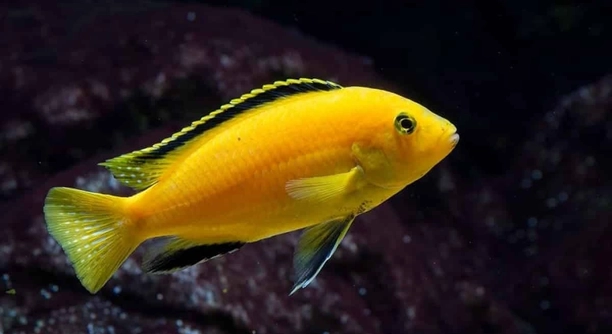
Electric yellow cichlids are known for their bright color and lively behavior. They often spend time near rocks or caves, moving around cautiously. These areas become central to their daily activities and interactions with other fish.
Electric yellow cichlids guard rocks or caves primarily to protect their territory and ensure safe breeding spaces. This behavior is instinctive, providing security for eggs and young fry while reducing competition and threats from other fish within their environment.
Learning why these cichlids prefer specific hiding spots can help you create a more comfortable and balanced tank for them. Understanding their habits ensures both their safety and well-being.
The Role of Rocks in Territory Defense
Electric yellow cichlids use rocks as natural barriers and vantage points in their tanks. These structures help them monitor movements around their territory while keeping them safe from potential threats. By positioning themselves near rocks, cichlids can react quickly to other fish entering their space. Rocks also provide a sense of security, allowing fish to retreat if they feel stressed. Many aquarists notice that cichlids spend most of their day near these formations, patrolling the edges and maintaining dominance. The placement and size of the rocks matter; larger, stable rocks offer better protection, while smaller or unstable ones may be ignored. Some cichlids even dig slightly around rocks to create deeper crevices, enhancing their shelter. Over time, these behaviors become part of the fish’s routine, influencing feeding, mating, and social interactions. Observing them shows how important a well-structured tank is for their natural instincts.
Rocks are essential not only for protection but also for marking boundaries. Cichlids clearly define their territory using these features.
Providing varied rock formations allows cichlids to establish clear zones. Each fish can claim a preferred spot, reducing conflicts. A mix of tall, flat, and hollow rocks supports natural behaviors, encourages exploration, and gives shy individuals safe areas to hide. Placement near hiding spots also helps during breeding, creating secure sites for eggs. Observing these interactions can help you arrange your tank more effectively and maintain a harmonious environment.
Why Caves Are Preferred Breeding Sites
Caves provide privacy and protection for eggs and fry, making them highly attractive to electric yellow cichlids.
Caves mimic natural shelters, offering controlled environments where cichlids can reproduce with minimal disturbance. Female cichlids often deposit eggs inside these structures, while males guard the entrance, ensuring only chosen partners approach. The enclosed space reduces the risk of predation and stress from other tank inhabitants. Caves also create microhabitats with slightly different light and water flow, helping fry develop safely. Over time, cichlids may show strong loyalty to particular caves, revisiting them for multiple breeding cycles. Observing these patterns can give insight into their preferences and help you select the best cave designs for your tank. Choosing the right size, material, and placement ensures the cichlids feel secure and encourages natural reproductive behavior, contributing to healthier fish and a more dynamic aquatic setup.
Territorial Behavior
Electric yellow cichlids display strong territorial instincts, often staking out the same rock or cave for extended periods. They patrol their area regularly, chasing away intruders and maintaining clear boundaries with consistent activity.
This territorial behavior helps reduce conflicts between tank mates. By claiming a specific area, a cichlid establishes a zone where it can feed, rest, and breed safely. Other fish learn to respect these boundaries, which decreases stress and aggressive encounters. The chosen territory often includes rocks, caves, or other decorations that provide cover. Cichlids mark these spaces with visual displays, such as flaring fins or swimming in a particular pattern. These actions reinforce ownership and communicate dominance without constant physical confrontation. Over time, a stable territorial arrangement contributes to a balanced and calmer aquarium environment for all inhabitants.
Territorial instincts also influence social hierarchies. Dominant fish often secure the best hiding spots and prime feeding areas. Subordinate fish adapt by keeping distance and seeking alternative zones.
Environmental Factors
Water quality and tank layout directly impact how electric yellow cichlids guard rocks and caves. Stable conditions encourage consistent behavior, while stress from poor water or overcrowding increases aggression and reduces exploration.
Tank design should include multiple hiding spots and open swimming areas. Rocks and caves should be arranged to prevent bottlenecks, allowing each cichlid access to shelter. Water temperature, pH, and hardness must remain within recommended ranges to maintain health and natural instincts. Cichlids are sensitive to sudden changes, so consistent filtration and regular water changes are crucial. Adequate lighting supports natural activity cycles, while plants or artificial structures offer additional visual barriers and comfort zones. Observing behavior can indicate whether the environment meets their needs, helping to adjust the layout or care routine. Proper environmental management promotes both the fish’s well-being and their instinctive rock- or cave-guarding behavior.
Feeding Near Rocks
Electric yellow cichlids often eat close to their rocks or caves. These areas provide safety while they search for food and reduce stress from nearby fish.
Feeding near shelters also allows cichlids to monitor intruders. They can quickly retreat or defend their territory without leaving the safety of their chosen spot.
Breeding and Rock Selection
Cichlids prefer rocks with flat surfaces or small crevices for breeding. These formations give females secure spots to lay eggs while males can guard efficiently. The texture and size of the rock influence site choice, with stable rocks being favored to prevent shifting or disturbance. During spawning, both parents remain near the chosen rock, protecting eggs and fry from other fish. Caves or hollow areas complement rocks by offering additional shelter, ensuring fry survival. Tank layout, spacing between rocks, and accessibility all contribute to successful breeding. Observing their selection process helps create an environment that supports natural reproductive behavior and reduces stress in the aquarium.
Interaction with Tank Mates
Rocks and caves help electric yellow cichlids manage social interactions. Dominant fish use these shelters to assert control and avoid unnecessary conflict.
Why do electric yellow cichlids guard specific rocks or caves?
Electric yellow cichlids guard rocks or caves because these areas provide safety, territory, and breeding opportunities. Rocks and caves act as natural shelters where fish can hide from potential threats. They also help define personal space within the tank, reducing aggression from other fish. During breeding, these structures become essential sites for laying eggs and protecting fry.
Is guarding behavior natural or a sign of stress?
Guarding is a natural behavior, not necessarily a sign of stress. It stems from instincts developed in the wild, where cichlids must protect their territory, eggs, and young from predators. However, excessive aggression around rocks or caves can sometimes indicate overcrowding or poor tank conditions, which may need attention.
How can I encourage my cichlids to use multiple rocks or caves?
You can encourage use of multiple structures by arranging rocks and caves with varied heights, sizes, and shapes. Place hiding spots throughout the tank to allow each fish to claim its own territory. Adequate spacing prevents bottlenecks, while leaving open swimming areas ensures all fish can move freely without constant confrontation. This setup encourages exploration and reduces stress.
Can electric yellow cichlids share a cave or rock?
Cichlids may share a rock or cave temporarily, especially during breeding or if the tank has limited hiding spots. Dominant fish usually control prime areas, while subordinate fish occupy nearby shelters. Sharing is more successful when the tank is large enough and there are multiple structures, allowing each fish to maintain some personal space.
Does the size of the rock or cave matter?
Yes, size matters. Larger rocks provide more surface area for display and patrolling, while hollow caves offer enclosed spaces for egg-laying and fry protection. Small or unstable rocks are less attractive because they do not offer adequate shelter or safety. Observing your cichlids’ preferences helps in selecting appropriate decorations for their tank.
How do I know if my cichlid feels secure in its territory?
Signs of security include relaxed swimming, regular feeding near the rock or cave, and occasional resting on or inside structures. Fish that constantly dart around or hide in corners may feel threatened. Providing stable structures and consistent water conditions helps them feel safe and maintain natural behaviors.
Should I rearrange rocks or caves regularly?
Frequent rearrangement can stress cichlids because they rely on familiar landmarks to establish territory. Minimal changes are best, such as adjusting one rock at a time. This approach allows fish to adapt gradually without triggering excessive guarding or aggression, maintaining harmony in the tank.
Do all electric yellow cichlids guard their rocks equally?
No, individual behavior varies. Dominant fish are more protective, while shy or subordinate fish may choose less conspicuous spots. Age, size, and personality influence how intensely a fish guards its territory. Observing interactions can help you understand which fish need the most shelter and which can coexist more peacefully.
Can adding plants reduce guarding aggression?
Yes, plants can create natural visual barriers and additional hiding spots. This reduces direct confrontations and allows subordinate fish to retreat without stress. Combining plants with rocks and caves enhances the overall habitat, giving cichlids both open and sheltered areas to feel secure and engage in natural behaviors.
How important is water quality for guarding behavior?
Water quality is critical. Poor water conditions increase stress and can intensify territorial aggression. Maintaining stable temperature, pH, and hardness ensures fish are healthy and behave normally. Proper filtration, regular water changes, and monitoring parameters support both natural guarding behavior and overall well-being.
Can I introduce new cichlids without causing fights over rocks or caves?
Introducing new fish requires careful planning. Adding new cichlids to a well-structured tank with multiple rocks and caves reduces competition. Rearranging some decorations slightly before introducing newcomers can help reset territories. Monitor interactions closely, separating aggressive fish if necessary to prevent injury.
What signs indicate a cichlid is breeding in its rock or cave?
Breeding behavior includes cleaning a chosen rock or cave, frequent guarding of the area, and pairing with a mate. Females lay eggs on flat surfaces or inside small crevices, while males defend the entrance. Fry may stay hidden in these structures for protection after hatching.
How do I maintain rocks and caves for long-term use?
Regular cleaning prevents algae buildup and ensures stability. Avoid harsh chemicals that could harm fish. Inspect rocks for cracks and caves for sharp edges, replacing or adjusting structures as needed. Stable, clean decorations promote safe and consistent guarding behavior, supporting both territory and breeding needs.
Can electric yellow cichlids recognize their territory over time?
Yes, they form strong associations with specific rocks and caves. Over time, they remember favored spots, patrol them regularly, and react to intrusions predictably. Consistent placement of decorations reinforces these behaviors and reduces stress, supporting a harmonious and structured tank environment.
How do tank size and layout affect guarding intensity?
Larger tanks with multiple hiding spots reduce intense guarding because fish can spread out and claim individual territories. Smaller or overcrowded tanks increase competition, leading to more frequent conflicts. Strategic placement of rocks, caves, and visual barriers helps manage aggression and ensures all fish have safe zones to retreat to.
What is the best material for rocks and caves?
Natural stone or aquarium-safe resin is ideal. Materials must be stable, non-toxic, and resistant to water erosion. Avoid sharp or porous surfaces that could injure fish or trap debris. Safe, durable materials support long-term guarding behavior and create secure shelters for both resting and breeding.
Do electric yellow cichlids ever change their favorite rock or cave?
Yes, preferences can change due to tank modifications, breeding needs, or social dynamics. New dominant fish, altered water flow, or improved shelter options may cause a cichlid to claim a different location. Observing these shifts helps maintain a balanced tank and ensures all fish remain secure and comfortable.
How can I reduce stress when multiple fish guard the same area?
Provide additional rocks or caves to split territories and prevent confrontations. Use visual barriers to reduce direct line-of-sight conflicts. Ensure enough space for swimming and access to food, and monitor interactions to separate overly aggressive fish if necessary. Proper environmental planning minimizes stress and supports natural behavior.
Can guarding behavior indicate overall fish health?
Yes, healthy cichlids exhibit consistent guarding behavior, regular feeding, and normal activity. Reduced interest in territory, lethargy, or unusual hiding can signal stress, illness, or poor water conditions. Maintaining proper tank parameters, nutrition, and structure supports both guarding instincts and overall well-being.
Is it necessary to replicate natural habitats exactly for guarding to occur?
Exact replication is not required, but providing rocks, caves, and hiding spots that mimic essential features of natural habitats encourages instinctive behavior. Structured environments with secure shelters, open swimming areas, and stable conditions allow cichlids to guard effectively and engage in normal territorial and breeding activities.
How long do cichlids typically guard a single area?
Guarding duration varies by individual, social status, and environmental conditions. Dominant fish may guard a prime spot for weeks or months, while subordinate fish may switch locations more frequently. Monitoring behavior and ensuring multiple suitable areas helps maintain balance and reduces stress.
Can electric yellow cichlids guard decorations other than rocks or caves?
Yes, they may claim other stable tank structures, such as driftwood, artificial ornaments, or densely planted areas. The key factors are stability, shelter, and visual barriers that provide security. Observing fish preferences helps optimize tank layout and support natural guarding instincts.
How do I balance multiple cichlids’ territories in one tank?
Provide sufficient rocks, caves, and hiding spots to allow each fish a distinct area. Space structures evenly to prevent overlap, leaving open swimming zones between territories. Monitor interactions and adjust placements as needed. Balanced layouts reduce aggression and ensure all cichlids have safe spaces.
Can guarding behavior change with age?
Yes, younger cichlids may be less territorial, while mature fish exhibit stronger guarding instincts. Age influences social rank, confidence, and breeding activity. Adjusting tank structure to accommodate growth and social dynamics supports healthy, natural behavior across all life stages.
Do cichlids communicate their territory to others?
Yes, they use visual displays, flaring fins, and chasing intruders to signal ownership. These behaviors establish dominance and reduce physical conflicts. Observing these cues helps understand social hierarchies and allows better tank management to minimize stress and aggression.
How do I safely introduce new rocks or caves without triggering fights?
Introduce one structure at a time in less contested areas. Monitor fish reactions and allow them to explore at their own pace. Gradually adding new shelters prevents sudden territory disputes and reduces stress, supporting a harmonious tank environment.
Can guarding behavior affect feeding times?
Yes, fish guarding territory may eat primarily near their chosen rock or cave. Dominant fish may restrict access to food for others, while shy fish may delay feeding until the area is clear. Providing multiple feeding zones helps ensure all fish receive adequate nutrition.
Is guarding stronger during breeding season?
Yes, guarding intensifies during breeding. Males defend the entrance to caves or flat rocks, while females protect eggs and fry inside. This behavior ensures offspring survival and reduces risk from other fish or disturbances, reflecting natural reproductive instincts.
Do cichlids ever abandon a guarded area?
They may abandon areas if water conditions deteriorate, dominant competitors arrive, or decorations shift. Observing these changes allows adjustments to maintain secure spaces and prevent stress. Stable, suitable shelters encourage long-term territorial behavior and reduce conflict.
What are the signs of a well-established territory?
Signs include frequent patrolling, limited intrusion from others, regular feeding near the site, and visible comfort behaviors. Consistent guarding without excessive aggression indicates a balanced hierarchy and effective use of rocks or caves.
Can lighting affect guarding behavior?
Lighting impacts activity levels and visibility. Moderate, consistent lighting encourages natural guarding and reduces stress. Too bright or irregular lighting may trigger hiding or increased aggression. Combining proper light with structured shelter areas supports healthy behavior.
How do I prevent overcrowding in territory-heavy tanks?
Ensure enough rocks, caves, and open swimming space relative to fish number. Avoid introducing too many cichlids at once and monitor interactions. Adequate structure, spacing, and visual barriers reduce competition and stress, promoting peaceful coexistence.
Does guarding influence overall tank harmony?
Yes, clear territorial boundaries reduce conflict, allowing all fish to feed, rest, and breed safely. Well-placed rocks and caves support this balance, promoting natural behavior and minimizing stress throughout the aquarium.
Electric yellow cichlids are fascinating fish to watch, especially because of their strong territorial instincts. Their behavior around rocks and caves is not random; it is a reflection of natural survival instincts. These structures provide safety from other fish, a secure place to rest, and ideal spots for breeding. Observing how a cichlid chooses a particular rock or cave can give insight into its personality, confidence, and comfort level within the tank. Dominant fish often select the most prominent locations, while shy or subordinate fish opt for less noticeable spots. This distribution helps reduce conflict and allows each fish to maintain its own space, creating a more balanced aquarium environment. By providing multiple rocks and caves of different shapes and sizes, aquarists can support these natural behaviors and ensure that each fish feels secure.
The guarding behavior of electric yellow cichlids is closely tied to reproduction. Caves and flat rock surfaces are particularly important during breeding. Females look for areas that offer both protection and stability to lay their eggs, while males stay nearby to guard against intruders. The presence of suitable structures in the tank helps reduce stress for both parents and increases the likelihood of healthy offspring. Beyond breeding, these shelters serve as a refuge during feeding and social interactions. Fish feel more confident exploring the tank when they know a safe spot is nearby. This behavior demonstrates the importance of a carefully arranged tank layout, where rocks, caves, and open swimming areas work together to create a supportive habitat.
Maintaining stable water conditions and a thoughtfully organized tank is essential to encourage natural guarding behaviors. Consistent temperature, pH, and hardness, along with regular cleaning and monitoring, ensure the fish remain healthy and active. Rocks and caves should be sturdy, safe, and placed to allow multiple territories while leaving enough open space for swimming. Plants or other decorations can provide additional visual barriers and hiding spots, helping to reduce conflict among tank mates. By understanding these behaviors and responding with appropriate tank design and care, it is possible to support both the physical and mental well-being of electric yellow cichlids. Observing their guarding instincts can be rewarding, offering a closer look at how these fish interact with their environment and each other. Proper care and a well-structured habitat allow their natural behaviors to flourish, creating a balanced and thriving aquarium that benefits every fish.

Hello,
If you enjoy the content that we create, please consider saying a "Thank You!" by leaving a tip.
Every little bit helps us continue crafting quality advice that supports the health, happiness, and well-being of pets around the world, for pets of all shapes, sizes, and species.
We really appreciate the kindness and support that you show us!