
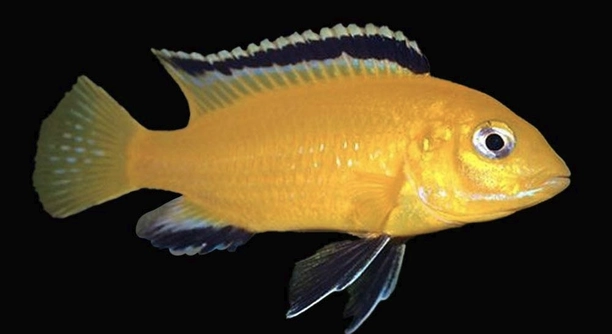
Electric Yellow Cichlids are colorful and active fish, but introducing them to a new tank can be stressful. Many owners notice hesitation or unusual behavior when these fish are placed in unfamiliar surroundings.
Electric Yellow Cichlids often resist new tanks due to environmental changes, territorial instincts, and stress factors. Sudden shifts in water chemistry, lack of hiding spots, and disrupted social hierarchies can trigger defensive or withdrawn behavior in these fish.
Understanding these common reactions helps ensure a smoother transition and a healthier, more comfortable environment for your cichlids. Proper preparation can make a noticeable difference in their adjustment.
Sudden Changes in Water Parameters
Electric Yellow Cichlids are sensitive to shifts in water temperature, pH, and hardness. When moved to a new tank, even slight differences can stress them. This stress may result in hiding, loss of appetite, or erratic swimming. New tanks often have unstable conditions that take time to stabilize, making the fish uncomfortable. Consistent water parameters help cichlids feel secure. Filtration, regular testing, and gradual adjustments are key. Sudden chemical changes, like adding new decorations or substrate, can also affect them. These fish rely heavily on their environment, so sudden shifts disrupt their comfort. Even if the water looks clear, it may still be chemically different from their old tank. Patience and careful monitoring are essential during transitions. Over time, as the water stabilizes, Electric Yellow Cichlids typically regain normal behavior.
Maintaining stable water parameters ensures cichlids adjust quickly, reducing stress and promoting healthier behavior. Sudden shifts in chemistry can significantly affect their comfort and feeding habits.
Acclimating fish slowly is worth the effort. Using drip methods or floating bags allows gradual adaptation to temperature and chemistry, helping them settle faster without unnecessary stress.
Lack of Hiding Spots
Electric Yellow Cichlids feel vulnerable without adequate hiding spaces.
Insufficient shelter in a new tank can make them defensive or withdrawn. Rocks, caves, and plants provide security and reduce aggression.
Providing multiple hiding areas helps cichlids explore safely. These spaces allow them to claim territories and manage social hierarchies naturally. Fish without shelters may constantly swim nervously, increasing stress. Dense decorations also diffuse aggression between tank mates by creating separate zones. Over time, cichlids use these areas to rest and avoid confrontation, which improves overall health. Observing their behavior shows which spots are preferred. Rearranging or adding new decorations can be beneficial but should be done gradually to avoid additional stress. Balancing open swimming areas with shelters creates a comfortable environment, encouraging natural behavior and feeding. A well-structured tank supports both social dynamics and individual security, ensuring cichlids remain active, healthy, and less reactive to minor disturbances.
Territorial Instincts
Electric Yellow Cichlids are naturally territorial.
When introduced to a new tank, they may claim areas aggressively. This behavior can cause chasing, fin nipping, or constant patrolling. Understanding their social dynamics is key to managing conflicts and ensuring all fish have space to feel secure.
Territorial behavior often intensifies in smaller tanks or when multiple males are present. Each fish attempts to establish dominance over limited areas, leading to frequent confrontations. Providing enough space, visual barriers, and hiding spots helps diffuse tension. Separating overly aggressive individuals may be necessary to prevent injury. Observing interactions during the first days is important, as it allows timely intervention before conflicts escalate. Over time, fish typically settle into their zones and reduce aggressive displays, especially when the tank layout supports individual territories effectively. Adjustments to decorations or introducing new hiding spots can further help in balancing territorial pressures.
Proper tank design and spacing are essential. Multiple rocks, caves, and plants allow fish to claim personal areas without constant conflict, promoting calmer behavior and reducing stress throughout the aquarium.
Stress From Transport
Moving Electric Yellow Cichlids can be stressful. Water changes, handling, and confinement trigger immediate stress responses, impacting appetite and immune function.
Stress affects behavior and overall health. Fish may hide for long periods, swim erratically, or refuse food. Stress hormones like cortisol rise, weakening their immunity and making them prone to disease. Temperature fluctuations during transport further contribute to instability, especially if bags are inadequately insulated. Minimizing handling and allowing a quiet, stable environment after transfer helps fish recover. Gradual acclimation to new water conditions and careful observation of feeding and movement can prevent long-term issues. Stress can also exacerbate territorial conflicts or aggression if multiple cichlids are introduced simultaneously.
Supporting recovery requires attention to diet, water quality, and tank layout. Offering familiar foods, maintaining consistent water parameters, and avoiding sudden changes reduces stress. Adding temporary shelters or soft lighting encourages fish to explore gradually. Monitoring behavior during the first week ensures early detection of potential health problems. Patience and proper care significantly increase the chances that Electric Yellow Cichlids adapt successfully to a new environment while remaining healthy and active.
Unfamiliar Tankmates
New tankmates can unsettle Electric Yellow Cichlids.
Introducing unfamiliar fish can trigger defensive or aggressive responses. Cichlids may hide or chase, adjusting to new social dynamics slowly to maintain comfort and establish hierarchy.
Acclimating fish gradually is important. Observing interactions during the first days helps prevent injuries. Placing cichlids with compatible species and providing visual barriers reduces stress. Fish adjust faster when overcrowding is avoided and each individual has personal space. Proper spacing and decorations allow fish to explore safely, reducing tension.
Strong Lighting
Bright or intense lighting can make cichlids nervous.
Excessive light may cause hiding, erratic swimming, or reduced feeding. Adjusting light gradually allows fish to adapt to their environment comfortably.
Water Flow Sensitivity
Electric Yellow Cichlids prefer moderate water flow. Strong currents can tire them and trigger avoidance behavior. Maintaining a balanced flow ensures energy conservation and encourages normal swimming patterns.
FAQ
Why do Electric Yellow Cichlids hide so much in a new tank?
Hiding is a natural response to stress and unfamiliar surroundings. New tanks often lack established territories, and fish feel vulnerable without familiar landmarks. Providing rocks, caves, and dense plants gives them a sense of security. Over time, as they recognize safe areas, they will explore more openly and display normal behavior.
How long does it take for them to adjust to a new tank?
Adjustment depends on water stability, tank size, and the presence of other fish. Typically, cichlids begin exploring after one to two weeks, but full acclimation may take up to a month. Gradual introduction of environmental elements, stable water parameters, and minimal disturbance speed up this process. Monitoring feeding and activity is a good way to track progress.
Do they get stressed from sudden water changes?
Yes, sudden changes in temperature, pH, or hardness can cause significant stress. Even small variations can make them hide or refuse food. Gradual acclimation using drip methods or floating bags for temperature adjustment helps minimize stress and allows fish to adapt slowly to new conditions.
Why are some cichlids aggressive when introduced to a new tank?
Aggression often stems from territorial instincts. When they encounter unfamiliar tankmates or a new environment, they attempt to claim space and assert dominance. Providing multiple hiding spots, visual barriers, and enough room for each fish helps diffuse aggression. Separating overly aggressive individuals may also be necessary temporarily.
Can they get sick from stress in a new tank?
Stress weakens the immune system, making fish more susceptible to disease. Common issues include fin rot, ich, or bacterial infections. Maintaining clean water, stable conditions, and a balanced diet reduces the likelihood of illness during the adjustment period. Quarantining new fish before introduction can further protect health.
Is feeding behavior affected by new tanks?
Yes, many cichlids eat less at first. Stress and unfamiliar surroundings can suppress appetite. Offering favorite foods in small amounts and feeding consistently helps them regain normal eating habits. Avoid overfeeding, as leftover food can degrade water quality and add to stress.
Do they recognize their old tank environment?
Cichlids rely heavily on visual and chemical cues. Sudden removal from a familiar tank removes these cues, increasing stress. Replicating elements from the old tank, such as decorations, substrate, or hiding spots, can make the transition smoother. Gradual adaptation helps them feel secure and reduce anxiety.
How can I help them settle faster?
Stability is key. Maintain consistent water parameters, provide shelters, limit disturbances, and introduce tankmates slowly. Gradually adjusting lighting, flow, and water chemistry reduces stress. Monitoring behavior and making minor adjustments when necessary ensures fish regain normal activity, feeding patterns, and social behavior more quickly.
Are certain tank sizes better for new introductions?
Larger tanks reduce stress by allowing fish more personal space and minimizing territorial disputes. Overcrowding increases aggression and hiding. Providing open swimming areas alongside sheltered zones balances activity and security, promoting calmer interactions. The right size and layout significantly affect how quickly cichlids adapt.
Does tank décor really matter?
Yes, decorations offer security, reduce aggression, and allow natural behavior. Rocks, caves, and plants create hiding spots and territories. Gradual rearrangement or addition of new decorations should be done carefully to avoid additional stress. Thoughtful design supports overall well-being and adjustment in a new environment.
Can I introduce multiple new fish at the same time?
Introducing several new fish simultaneously increases stress and territorial conflicts. Staggered introductions help establish hierarchy gradually and reduce injury risk. Observing behavior carefully during the first week ensures early intervention if aggression escalates, keeping all fish safe and calmer.
What signs indicate they are adjusting well?
Signs include regular swimming, active feeding, and exploration of shelters. Reduced hiding, stable coloration, and interaction with tankmates also indicate successful acclimation. Tracking behavior daily allows timely adjustments to improve comfort and minimize stress.
Are certain water conditions easier for adaptation?
Stable, moderate water parameters reduce stress. Sudden changes in pH, temperature, or hardness delay acclimation and may trigger defensive behavior. Consistency in water chemistry and filtration, along with gradual adjustments, ensures smoother transitions and healthier fish.
Can lighting affect adjustment speed?
Yes, overly bright light can increase hiding and nervous behavior. Gradually increasing lighting intensity or providing shaded areas allows fish to adapt without added stress. Balanced lighting supports natural activity and reduces anxiety during the adjustment period.
How often should I check water during the first week?
Daily testing is recommended during early acclimation. Monitoring pH, ammonia, nitrite, nitrate, and temperature ensures stability. Immediate corrections prevent stress-related issues and help maintain optimal conditions for fish to settle into the new environment.
Final Thoughts
Electric Yellow Cichlids are vibrant and lively fish, but they can be sensitive to changes in their environment. Moving them to a new tank is not just a simple task of transferring water and decorations. Their natural instincts make them cautious, and they respond strongly to differences in water chemistry, tank layout, and the presence of unfamiliar tankmates. Even small changes in temperature, pH, or hardness can cause stress, making them hide, swim erratically, or eat less. Understanding these behaviors is important for any cichlid owner. By recognizing that their reactions are normal responses to environmental changes, it is possible to create a smoother transition and reduce unnecessary worry. Proper preparation and careful monitoring can make the new tank a comfortable space for the fish more quickly.
Providing an environment that mirrors what they are used to can greatly reduce stress. Rocks, caves, plants, and other hiding spaces give Electric Yellow Cichlids areas to explore and claim as their own. Territorial behavior is natural, and having enough space and shelter can prevent aggression between individuals. Strong lighting or high water flow can make them nervous, so adjusting these factors gradually is helpful. Introducing new tankmates slowly and monitoring interactions ensures that social hierarchies are established without injury or excessive stress. Small steps, like replicating elements from their old tank or acclimating them slowly to water changes, can make a big difference in their comfort and overall health. A stable, well-thought-out tank encourages natural behaviors, helps fish regain normal feeding patterns, and allows them to explore without fear.
Stress from transport and new surroundings affects not just behavior, but also overall health. Stressed fish are more prone to disease, and their immune systems can weaken if conditions are not stable. Maintaining clean water, balanced nutrition, and consistent care is essential during this period. Observing feeding habits, swimming patterns, and interactions with other fish provides insights into how well they are adjusting. Patience is key; it may take days or even weeks for them to fully settle. Gradual changes, careful observation, and providing a secure and comfortable environment allow Electric Yellow Cichlids to regain confidence and thrive. With the right preparation and attention, new tank introductions can be a successful process, creating a healthy and active aquarium for these beautiful fish.

Hello,
If you enjoy the content that we create, please consider saying a "Thank You!" by leaving a tip.
Every little bit helps us continue crafting quality advice that supports the health, happiness, and well-being of pets around the world, for pets of all shapes, sizes, and species.
We really appreciate the kindness and support that you show us!