
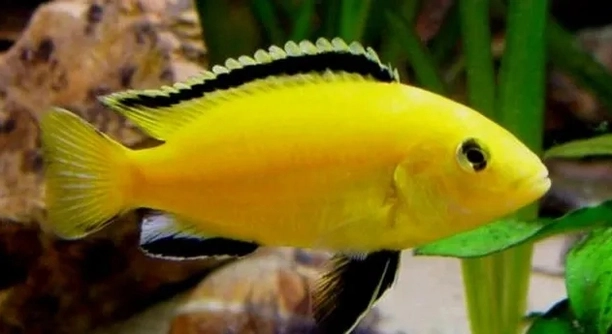
Do you ever notice your electric yellow cichlids swimming around the tank but avoiding the filter area? Observing their behavior can be puzzling, especially when you want all parts of the aquarium to feel equally safe and inviting.
Electric yellow cichlids tend to avoid the filter area due to strong water currents, increased noise, and perceived threats. These environmental factors create stress and discomfort, prompting the fish to seek calmer, quieter regions of the tank for security.
Understanding why these fish avoid certain areas of the tank can help improve their comfort and overall well-being, creating a healthier and more balanced aquatic environment.
Why Water Flow Matters
Electric yellow cichlids are sensitive to water movement. The filter generates strong currents that can make it difficult for them to swim comfortably. In many cases, they instinctively avoid areas where they feel they cannot control their position. Continuous exposure to high flow can increase stress levels and lead to erratic swimming or hiding. Additionally, these fish prefer calmer waters where they can maintain energy and explore safely. Positioning plants, rocks, or decorations near the filter can help break the current, creating pockets of slower-moving water. This allows the cichlids to enjoy the entire tank without feeling overwhelmed. Observing their patterns will reveal which areas feel safe, helping you adjust the environment. Proper flow management not only encourages natural behavior but also supports their health and reduces the risk of injury caused by fighting against strong currents.
Reducing excessive current near the filter can improve swimming comfort and reduce stress for your cichlids.
Adding flow breaks like rocks and plants near the filter balances the water movement. It creates safe zones while maintaining filtration efficiency. This method helps fish explore more freely and reduces fatigue from strong currents, ultimately supporting healthier behavior and stress management.
Noise and Vibration Effects
Electric yellow cichlids are highly sensitive to vibrations and noise in the tank. The filter often produces subtle sounds and pulsations that may be imperceptible to humans but stressful for fish. These vibrations can make the surrounding area feel unsafe, prompting cichlids to avoid the filter region. Even minimal mechanical noise from water pumps or tubing movement can trigger this response, especially in smaller tanks where sound carries more easily. Over time, constant exposure can reduce feeding, increase hiding, and affect overall activity. Adjusting the filter’s placement, using vibration-dampening materials, or opting for quieter models can create a calmer environment. Monitoring fish reactions after these changes helps ensure they feel secure and reduces anxiety-related behaviors.
Creating a quieter environment near the filter improves comfort and encourages fish to utilize more of the tank space.
Addressing noise and vibration allows electric yellow cichlids to behave naturally. Filters often generate continuous low-frequency vibrations that disrupt their sense of safety. By cushioning the filter with foam or isolating it from hard surfaces, you can minimize these disturbances. Quieter filters reduce stress, promote feeding, and encourage swimming throughout the tank. Fish exposed to calmer conditions exhibit more normal behaviors and interact more with their surroundings. Regular maintenance and proper installation also prevent rattling or excessive vibration. Over time, these adjustments can significantly enhance the overall habitat quality, helping the cichlids feel secure and active in all areas of the aquarium.
Territorial Behavior
Electric yellow cichlids are naturally territorial and may avoid areas near the filter if it overlaps with their preferred space. They tend to stake out calmer corners of the tank, leaving high-traffic zones less frequented.
Territorial instincts strongly influence their movement. When establishing dominance, cichlids mark specific areas and may see the filter region as part of another fish’s territory or a high-risk zone. Aggressive interactions or displays can occur near these boundaries, prompting less dominant individuals to stay away. Providing multiple hiding spots and visual barriers reduces competition and gives each fish its own secure space. Observing how they interact with their surroundings can guide tank arrangement to minimize stress and encourage more balanced activity across the aquarium.
This territorial behavior can also intensify if the tank is overcrowded. Electric yellow cichlids prefer well-defined spaces with clear separations. Rocks, caves, and plant groupings help delineate territories and reduce constant disputes. By arranging the tank to respect their natural instincts, you create a more harmonious environment. Fish are more likely to explore safely, including areas near the filter, once they feel secure in their own space. Strategic decoration placement can significantly reduce avoidance behaviors and improve overall tank dynamics.
Lighting and Shelter Preferences
Bright lighting near the filter can make cichlids uncomfortable, prompting them to seek shaded areas. They naturally prefer spots where light is diffused or partially blocked.
Shelter is essential for their sense of security. Electric yellow cichlids often use rocks, caves, and plant cover to hide from perceived threats or sudden movements. Filters are usually exposed and can feel unsafe without nearby cover. Providing ample hiding spaces allows the fish to explore the tank without fear and encourages natural behaviors like resting, feeding, and territorial displays. Well-placed shelters near the filter gradually draw fish closer, reducing avoidance.
Adjusting lighting intensity and providing protective structures significantly impacts tank utilization. Cichlids respond to gentle, diffused light rather than harsh illumination, especially near high-activity zones like the filter. Plants and rock formations create comfortable retreats, allowing fish to approach the filter at their own pace. By designing shaded paths and layered shelter areas, you enhance their freedom of movement and reduce stress. Combining these elements ensures a visually appealing tank while supporting behavioral health, encouraging cichlids to explore all regions without feeling threatened or exposed.
Filter Placement
The location of the filter influences fish behavior. Placing it in a high-traffic area can make electric yellow cichlids feel exposed, prompting them to avoid it.
Positioning the filter near tank corners or behind decorations creates a more secure environment. Fish feel safer when strong currents and noise are partially blocked.
Water Quality Considerations
Electric yellow cichlids may avoid the filter area if water parameters fluctuate near the intake. Uneven temperature, oxygen levels, or localized turbulence can create discomfort. Maintaining consistent water quality throughout the tank encourages fish to use all areas, including near the filter. Regular monitoring and adjustments ensure the tank remains a safe and healthy habitat.
Social Hierarchy
Dominant cichlids often control preferred areas, leaving less dominant fish to avoid certain regions, including near the filter. Recognizing these dynamics helps explain patterns of avoidance and informs tank arrangement and stocking decisions.
Why do electric yellow cichlids avoid the filter area?
Electric yellow cichlids avoid the filter area mainly due to strong currents, vibrations, and noise. These fish are sensitive to disturbances in their environment, and the filter creates constant movement that can feel unsafe. By staying in calmer regions, they conserve energy and reduce stress.
Can adjusting the filter placement help?
Yes, repositioning the filter can make a significant difference. Placing it near a corner or behind decorations reduces current exposure and provides partial cover. This helps cichlids feel more secure and encourages them to explore areas they previously avoided. The key is balancing water flow with accessible shelter.
Do territorial behaviors affect filter avoidance?
Absolutely. Electric yellow cichlids are naturally territorial. Dominant fish may claim areas near the filter or nearby hiding spots, forcing subordinate fish to avoid these regions. Adding multiple shelters and visual barriers allows each fish to establish its own territory, reducing conflicts and promoting more even tank usage.
Does lighting impact their behavior near the filter?
Yes, lighting intensity can influence where cichlids choose to swim. Bright light near the filter can feel exposed, so they prefer shaded or partially covered areas. Using plants or rocks to diffuse light near the filter creates more inviting zones, encouraging them to explore without stress.
Will quieter filters help my cichlids?
Quieter filters are beneficial. Fish can detect vibrations and low-frequency noise that humans might not notice. Reducing these disturbances with foam padding, rubber mounts, or silent filter models minimizes stress and encourages natural behavior. Observing fish after adjustments helps gauge success.
Can flow breaks improve fish comfort?
Yes, adding rocks, plants, or decorations near the filter creates flow breaks. These slow the current and offer resting spots. Fish can approach the filter gradually and feel safe while swimming through the tank. This simple adjustment significantly improves comfort and encourages natural exploration.
Do water quality fluctuations contribute to avoidance?
Inconsistent water parameters near the filter can discourage fish from entering that area. Rapid temperature changes, low oxygen levels, or turbulence can make the filter zone uncomfortable. Regular monitoring and maintaining uniform water conditions throughout the tank reduce avoidance and support overall health.
How does tank size affect filter avoidance?
Smaller tanks often concentrate water flow and noise, making the filter area more stressful for cichlids. In larger tanks, fish can find calmer zones more easily. Ensuring adequate space, hiding spots, and properly scaled filtration helps balance environmental stressors and promotes more natural swimming patterns.
Do social hierarchies influence avoidance patterns?
Yes, dominant fish can control desirable regions, including areas near the filter. Subordinate fish avoid these spaces to prevent conflict. Providing multiple shelters and evenly distributed resources reduces territorial disputes and encourages all fish to access more parts of the tank safely.
Are there behavioral signs that the filter area is stressful?
Signs include erratic swimming, constant hiding, reduced feeding, and staying in one corner of the tank. Observing these behaviors near the filter indicates the fish feels threatened. Adjusting water flow, noise, lighting, and providing shelters can alleviate stress and improve overall activity.
Can decorations near the filter help?
Decorations like rocks, caves, and plants create safe zones around the filter. They break up strong currents, provide visual cover, and allow fish to feel secure. Strategically placing these items encourages exploration, reduces stress, and helps fish utilize the entire tank more evenly.
How long does it take for fish to adjust to changes near the filter?
Adjustment varies by individual fish and tank conditions. Some may explore new areas within hours after modifications, while others take several days or weeks. Patience and consistent tank conditions are key. Gradual changes allow fish to feel secure and encourage natural behavior over time.
Do all cichlids react the same way to filter areas?
No, sensitivity varies by species and individual temperament. Electric yellow cichlids are particularly cautious, but other cichlids may tolerate stronger currents and noise better. Understanding species-specific needs helps in designing tank layouts and adjusting filtration for comfort and natural behavior.
Can filter maintenance affect fish behavior?
Yes, frequent disturbances during maintenance, like sudden water changes or moving equipment, can make fish associate the filter area with stress. Performing gentle, consistent maintenance and minimizing sudden disruptions helps fish feel safer and reduces avoidance behavior.
Is it necessary to completely hide the filter?
Complete concealment isn’t required. Partial coverage that reduces flow and visual exposure is often enough. The goal is to balance filtration efficiency with fish comfort. Strategically placed decor and shelters allow fish to explore around the filter while maintaining water quality.
Do plants help reduce avoidance?
Yes, live or artificial plants create shade, break currents, and provide security near the filter. Layered plantings encourage fish to swim closer and explore without feeling threatened. Properly arranged plants improve tank aesthetics while supporting behavioral health.
Does feeding near the filter encourage exploration?
Feeding near the filter can help fish associate the area with positive experiences. Offering food in calmer zones around the filter encourages them to approach gradually. Over time, this can reduce avoidance and promote more balanced use of the tank.
How often should I monitor fish reactions?
Observing fish daily, especially after changes to flow, lighting, or decorations, helps identify stress signs early. Regular monitoring ensures adjustments are effective and supports long-term well-being, helping fish gradually become comfortable with the filter area.
Are there long-term benefits to reducing avoidance?
Yes, reducing avoidance improves overall tank dynamics, encourages natural behavior, and lowers stress levels. Fish that feel secure explore more, feed better, and exhibit healthier social interactions, resulting in a more balanced and thriving aquarium environment.
Can filter type make a difference?
Different filters produce varying flow patterns and noise levels. Sponge filters, canister filters, and hang-on-back filters impact fish differently. Choosing a filter suited to the species’ tolerance and the tank size helps reduce avoidance while maintaining water quality.
Does temperature near the filter affect behavior?
Localized temperature fluctuations near the filter can create uncomfortable zones. Electric yellow cichlids are sensitive to such changes. Ensuring even heating and avoiding sudden temperature shifts encourages more uniform exploration and reduces stress-related avoidance.
Electric yellow cichlids are fascinating fish that show clear preferences for their environment. Their tendency to avoid the filter area is often misunderstood as a behavioral problem, but it is a natural response to environmental factors. Strong currents, vibrations, noise, lighting, and territorial dynamics all play a role in where these fish feel comfortable. Understanding their instincts and observing their patterns provides insight into how they interact with the tank and the people maintaining it. By acknowledging these factors, you can create a more balanced and secure environment for the cichlids, allowing them to express their natural behavior without stress or discomfort.
Adjusting the tank setup is one of the most effective ways to address filter avoidance. Small changes such as repositioning the filter, adding plants, rocks, or caves, and creating shaded areas can dramatically improve how electric yellow cichlids interact with the entire tank. Managing water flow is particularly important, as strong currents near the filter can tire or stress the fish. Similarly, addressing noise and vibrations from the filter can create a calmer space that encourages exploration. Providing multiple hiding spots also supports territorial balance and reduces aggressive interactions, allowing all fish to feel secure. These simple but intentional adjustments can help electric yellow cichlids utilize more areas of the aquarium while maintaining their health and natural behavior.
Maintaining consistency in water quality, temperature, and lighting is equally important. Electric yellow cichlids are sensitive to sudden changes, and uneven conditions near the filter can reinforce avoidance. Regular monitoring and careful maintenance help ensure the tank remains stable and comfortable. Observing how the fish respond over time allows you to fine-tune the environment to meet their needs. In the end, understanding why cichlids avoid certain areas and taking practical steps to improve conditions benefits both the fish and the aquarist. Creating a harmonious aquarium environment encourages healthy activity, reduces stress, and supports long-term well-being for these vibrant and engaging fish.

Hello,
If you enjoy the content that we create, please consider saying a "Thank You!" by leaving a tip.
Every little bit helps us continue crafting quality advice that supports the health, happiness, and well-being of pets around the world, for pets of all shapes, sizes, and species.
We really appreciate the kindness and support that you show us!