
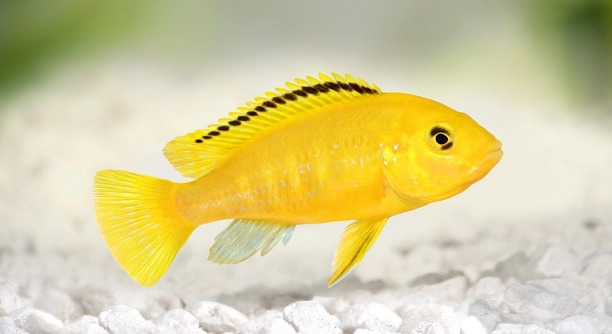
Raising fry can be a rewarding experience, but many new breeders struggle to keep them alive through their early stages. Small mistakes in water quality, feeding, or tank setup can quickly impact their survival and growth.
Enhancing fry survival rates requires careful attention to water parameters, proper feeding schedules, and appropriate tank environments. Providing optimal conditions reduces stress, improves immune responses, and supports healthy development during the critical early stages of life.
Learning simple adjustments can make a noticeable difference in your fry’s chances of thriving and growing into strong, healthy fish.
Maintain Optimal Water Quality
Keeping water clean is essential for fry survival. Frequent water changes help remove waste and toxins that can harm delicate fish. Monitor pH, ammonia, nitrite, and nitrate levels regularly, as even small fluctuations can stress fry. Using a gentle filter ensures water movement without sucking in the fry. Avoid overcrowding, as too many fish in a tank increases waste and reduces oxygen levels. Temperature consistency is also important; sudden changes can weaken fry immunity. Conditioning water with appropriate dechlorinators or water treatments helps create a safe environment for young fish. Observing your fry daily can help spot early signs of stress or illness. Simple practices like feeding in moderation and removing uneaten food prevent water contamination. By focusing on these water quality factors, you give fry a stable environment that supports growth and reduces mortality rates. These habits become easier with routine and careful attention.
Clean water reduces the risk of disease and promotes healthier, stronger fry. Regular checks are crucial.
Consistent water quality allows fry to thrive, grow steadily, and develop strong immune systems. Even minor lapses in maintenance can lead to illness, slow growth, or death. Setting a schedule for water testing and changes keeps conditions stable. Gentle aeration improves oxygenation without stressing fry. Properly conditioned water reduces chemical shocks, and avoiding overfeeding prevents excessive waste. Observing water clarity and smell provides quick feedback on tank health. Combining these practices ensures a safe environment where fry can develop naturally, giving them a better start in life and making breeding efforts more successful overall.
Provide Proper Nutrition
Feeding fry the right diet supports growth and survival. Start with small, high-quality foods suitable for their size.
Young fry require frequent feedings to meet high energy needs. Balanced nutrition ensures proper organ and skeletal development while boosting immunity.
Offer finely crushed flakes, specialized fry food, or live foods like infusoria and baby brine shrimp. Introduce new foods gradually to avoid digestive issues. Feed small amounts multiple times a day to prevent overfeeding. Uneaten food should be removed promptly to maintain water quality. Rotate food types to provide essential nutrients and vitamins. Proper feeding helps fry grow evenly and reduces competition among siblings. Avoid skipping feedings, as young fry cannot store energy for long periods. Overfeeding can cause water pollution, while underfeeding slows growth and weakens immune systems. Tracking fry growth and adjusting portion sizes supports optimal development. With careful attention to diet, fry gain strength, show healthy coloration, and are more likely to survive through their early stages. Regular observation and small adjustments make feeding manageable and effective.
Separate Fry from Adult Fish
Adult fish can eat fry, so keeping them separate is crucial. Using breeding nets, fry tanks, or partitions prevents accidental predation and reduces stress.
A dedicated fry tank allows better control over feeding, water quality, and monitoring growth. It prevents adult fish from disturbing or eating fry and reduces competition for space and food. Fry can be more active and less stressed in a tank suited to their size, which improves survival. Regular observation becomes easier, allowing quick responses to any issues such as illness or stunted growth. Proper separation also makes it simpler to maintain optimal water conditions and feeding schedules without interference from adults.
Separating fry ensures safer development, faster growth, and a higher overall survival rate. Attention to their environment is key.
Control Feeding Frequency
Fry need small, frequent meals to maintain energy levels. Overfeeding or underfeeding can cause health problems and affect water quality.
Providing tiny portions multiple times daily ensures fry get sufficient nutrition without polluting the water. Observing how much they consume in a few minutes helps prevent leftover food from decaying. Different species may have specific dietary needs, so adjusting feeding frequency and food type accordingly is important. Consistency in feeding supports growth, strengthens immunity, and reduces stress. Using a timer or schedule can make this process manageable, keeping the fry on a predictable routine and helping them thrive.
Proper feeding frequency promotes uniform growth and prevents competition and malnutrition. Maintaining this balance contributes significantly to survival.
Monitor Water Temperature
Fry are sensitive to temperature changes, which can affect metabolism and growth. Maintaining a stable, species-appropriate temperature is essential for survival.
Use a reliable heater and thermometer to ensure the tank stays consistent. Sudden fluctuations can cause stress, reduce immunity, and slow development.
Provide Hiding Spaces
Adding plants, moss, or small decorations gives fry places to hide from stressors and feel secure.
Hiding spaces reduce aggression, prevent accidental injuries, and create a safer environment. This simple adjustment helps fry explore and feed comfortably, improving overall survival rates.
Avoid Overcrowding
Too many fry in a single tank increases stress, competition, and waste accumulation. Overcrowding can stunt growth and cause illness. Maintaining a proper fry-to-space ratio ensures better water quality and healthier development.
Observe Behavior Daily
Watching fry behavior helps identify problems early. Changes in swimming patterns, feeding, or coloration can indicate stress or illness.
FAQ
How often should I change water for fry tanks?
Water changes are critical for maintaining a clean environment. For most fry, a 20–30% water change every two to three days works well. Smaller fry tanks may need more frequent changes because waste accumulates quickly. Always condition new water before adding it to the tank to avoid shocking the fry. Regular changes prevent ammonia and nitrite buildup, which can be fatal. Observing water clarity and smell gives clues about when extra maintenance may be needed. Keeping a consistent schedule helps fry grow in a stable, safe environment.
What type of food is best for newly hatched fry?
Newly hatched fry need very small, easily digestible food. Infusoria, newly hatched brine shrimp, or finely crushed commercial fry food work well. Feeding multiple times a day in tiny amounts ensures all fry get enough nutrition. Avoid overfeeding, as leftover food quickly pollutes the water. Gradually introduce more substantial foods as fry grow. Rotating food types provides essential vitamins and nutrients that support strong growth. Consistency in feeding helps fry develop healthy digestive systems and strengthens their immune response.
Can fry survive with adult fish in the same tank?
Generally, it is not safe to keep fry with adults. Most adult fish will see fry as food. Using breeding nets, separate tanks, or dividers protects fry while allowing adults to remain in their environment. Separation also reduces stress on fry and makes it easier to monitor health, water quality, and feeding. Some species are exceptions, but for most, dedicated fry space improves survival rates.
How do I prevent fungal infections on fry?
Fungal infections often appear as white, cotton-like patches on fry. Maintaining clean water and avoiding overfeeding reduces the risk. Using antifungal treatments designed for fry can help if infection occurs. Removing sick or dead fry immediately prevents spread. Quarantining new batches of fry before mixing them with others is also beneficial. Regular observation ensures early detection, which increases the chances of successful treatment.
What temperature is ideal for fry growth?
Temperature needs vary by species, but a stable range is essential. Sudden fluctuations stress fry and weaken immunity. Use a reliable heater and thermometer to maintain the recommended temperature. Slight variations may slow growth but won’t be fatal, while rapid changes can cause serious harm. Adjust temperature gradually when necessary to avoid shocking the fry. Maintaining consistent warmth encourages normal activity, feeding, and metabolism, improving overall survival rates.
How can I reduce stress for fry?
Stress comes from overcrowding, sudden water changes, aggressive tankmates, or bright lighting. Providing hiding spots, consistent water quality, and gentle handling helps reduce stress. Avoid tapping the tank or making sudden movements near fry. Less stress leads to stronger immune systems and better growth. A calm environment allows fry to feed more effectively and explore their surroundings safely.
How soon should I start feeding fry after hatching?
Many fry have a yolk sac that provides nutrition immediately after hatching. Begin feeding once the yolk sac is absorbed, usually within a day or two. Start with very small, easily digestible foods. Frequent, tiny meals help fry get used to feeding while reducing the risk of water contamination. Observing feeding behavior ensures all fry receive adequate nutrition and prevents competition issues.
Is it necessary to use a filter in a fry tank?
Filters help maintain water quality but must be gentle. Strong currents can harm or suck in fry. Sponge filters or filters with protective coverings work best. Filters remove waste and oxygenate the water, creating a healthier environment. Even with a filter, regular water changes are essential to prevent waste buildup. Choosing the right filter helps fry grow safely without unnecessary stress or injury.
How can I tell if fry are healthy?
Healthy fry swim actively, feed regularly, and have clear, bright coloration. Lethargy, gasping at the surface, abnormal swimming, or discoloration indicates stress or illness. Observing fry daily allows for early intervention. Promptly addressing problems like poor water quality, insufficient feeding, or disease increases survival rates and promotes consistent growth.
What is the best tank size for fry?
Tank size depends on the number of fry. Overcrowding leads to poor water quality and stunted growth. A small number of fry can thrive in a 10–20 gallon tank, while larger batches need more space. Providing enough room ensures each fry has access to food and reduces stress. Monitoring population density and adjusting tank size when needed supports healthy development and long-term survival.
Raising fry can feel challenging, but it becomes manageable when approached step by step. Ensuring clean, stable water is the foundation for their survival. Frequent water changes, careful monitoring of ammonia and nitrite levels, and maintaining a consistent temperature all contribute to a healthier environment. Overfeeding or overcrowding can quickly undo these efforts, so it is important to keep portions small and provide enough space for all fry to move freely. Using gentle filtration and conditioning water before adding it to the tank further supports fry development. Observing the tank daily allows for early identification of any issues, helping to prevent illness or stress before it becomes serious. Paying attention to these basics builds a stable environment where fry have the best chance of thriving.
Nutrition plays a crucial role in fry survival. Newly hatched fry require very small, easily digestible foods, and frequent feedings are necessary to meet their energy needs. Live foods, finely crushed commercial options, or specialized fry food provide essential nutrients for proper growth and immune system support. Rotating different food types ensures that fry get a balanced diet, helping them develop strong, healthy bodies. Introducing new foods gradually reduces the risk of digestive problems, while consistent feeding schedules encourage normal growth patterns. Observing how much the fry consume in each feeding session helps prevent overfeeding, which can lead to water contamination and stress. Proper nutrition, combined with careful attention to water quality and tank conditions, significantly improves survival rates and overall health.
Managing fry also requires attention to their environment and behavior. Keeping them separate from adult fish prevents accidental predation, while adding plants or decorations provides hiding spaces that reduce stress. Controlling tank population prevents competition for food and space, and monitoring behavior daily allows for early detection of illness or stress. Even small adjustments, such as regulating temperature, using gentle filtration, or observing growth patterns, have a noticeable impact on survival. Over time, these practices become routine and make it easier to provide optimal care. With careful planning, consistent maintenance, and attention to feeding and tank conditions, fry can grow into strong, healthy fish, increasing the satisfaction and success of breeding efforts.

Hello,
If you enjoy the content that we create, please consider saying a "Thank You!" by leaving a tip.
Every little bit helps us continue crafting quality advice that supports the health, happiness, and well-being of pets around the world, for pets of all shapes, sizes, and species.
We really appreciate the kindness and support that you show us!