
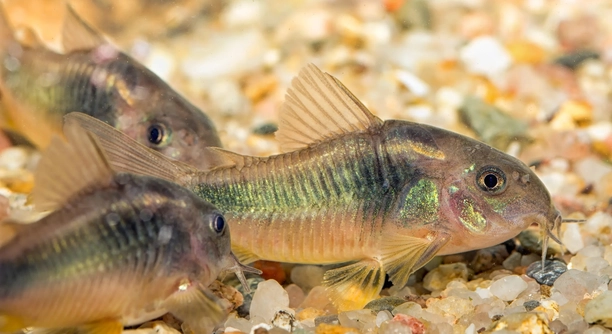
Corydoras catfish are known for their interesting behaviors, and one common activity is swimming near the filter inlet. This may leave aquarists wondering about the reasons behind this. Understanding their behavior is key to a healthy tank.
Corydoras catfish often swim near the filter inlet due to the water current, which provides a constant flow of oxygen and detritus. The movement offers a convenient source of food, while also aiding in maintaining their gill health.
Understanding why your Corydoras catfish exhibits this behavior can improve your aquarium management and their overall well-being.
The Water Current’s Appeal
Corydoras catfish are naturally drawn to areas with water movement, such as near filter inlets. These fish are bottom dwellers and prefer to stay close to currents for a few reasons. The steady flow of water helps them breathe more efficiently, allowing oxygen to pass over their gills. Additionally, the water movement helps dislodge small particles and detritus, providing them with an easy food source. This behavior is typical for Corydoras, as they are scavengers in their natural environment, often swimming in current-rich areas to gather food.
The water movement near the filter acts as a natural feeding ground. The current moves particles toward the catfish, and their small, barbels detect these bits. It’s a comfortable place for them to search for food.
Their preference for the filter inlet is also linked to the clean, oxygen-rich water that flows through these areas. Since Corydoras thrive in well-oxygenated environments, they seek areas where water quality is consistently good, which contributes to their health and activity levels.
The Need for Oxygen
Corydoras catfish require a high level of oxygen in their environment. Filter inlets provide a consistent supply of oxygenated water, which helps the fish maintain their energy and stay healthy. When the water near the filter is constantly flowing, it encourages gas exchange, benefiting the catfish.
The water current near the filter plays a key role in ensuring a high oxygen content, essential for Corydoras’ well-being. This behavior is entirely natural and allows the catfish to thrive in a comfortable, healthy environment, mimicking their natural habitat.
The Filter Inlet as a Food Source
Corydoras catfish swim near the filter inlet because it brings food directly to them. Small particles and debris are carried by the water current, which they can easily pick up. This area serves as a convenient feeding ground, saving them the effort of scavenging further away from the inlet.
Their barbels are extremely sensitive and help them detect food particles in the water. The filter inlet effectively brings the detritus to them, allowing Corydoras to feed without much effort. These fish are opportunistic feeders, making the filter area a perfect spot to find a meal, especially when there’s a lot of organic matter in the water.
In addition to food, the filter area helps Corydoras keep their environment clean. They often feed on algae, leftover food, and small invertebrates that accumulate near the filter inlet. This behavior helps maintain the health of the tank and ensures a clean living space.
Maintaining Tank Health
Corydoras catfish contribute to maintaining the health of the tank by swimming near the filter inlet. As they feed on debris and organic matter, they help keep the substrate clean. This behavior also ensures that the filter is working effectively, reducing the risk of stagnant areas where harmful substances may accumulate.
By regularly swimming near the filter inlet, these catfish help reduce excess nutrients and waste, which can otherwise lead to poor water quality. Their natural scavenging helps with cleaning up the tank, promoting a more stable and balanced aquatic environment. Over time, their actions can contribute to better tank conditions and a healthier ecosystem for other fish.
Reduced Stress from Current Movement
The steady water movement near the filter helps Corydoras catfish feel more secure. The current mimics the natural flow they experience in rivers and streams, reducing stress. This is especially important in aquariums, where the environment can sometimes feel artificial for these sensitive fish.
The water flow near the filter gives them a sense of safety and security. Corydoras prefer areas with constant movement, as it feels more like their natural habitat. This behavior is a way for them to cope with the stillness of tank life.
Healthy Swimming Exercise
Swimming near the filter provides Corydoras with healthy exercise. The current allows them to stay active without exerting too much effort, which is important for maintaining their physical health. This behavior ensures they stay strong and continue to thrive in the tank.
Movement in the water near the filter helps them engage in low-impact exercise. By swimming with the current, Corydoras strengthen their muscles and stay physically fit, contributing to their overall well-being.
FAQ
Why does my Corydoras catfish swim near the filter inlet?
Corydoras catfish swim near the filter inlet because the water current helps them find food. The flow brings detritus and small particles that they can easily consume. Additionally, the moving water provides oxygen, which is crucial for their survival. Corydoras are bottom-dwelling fish that naturally seek areas with currents for feeding and better water quality. The filter inlet mimics the river conditions they’re accustomed to in the wild.
Is it normal for Corydoras to swim in the current near the filter?
Yes, it is completely normal. Corydoras catfish are known to seek out areas with water movement, such as near filter inlets. The current helps them gather food more easily, and it provides a continuous supply of oxygen. This behavior is instinctive, as it mirrors their natural habitat. As long as the filter is properly functioning, this behavior indicates that your Corydoras are comfortable and healthy in their environment.
Should I be worried if my Corydoras are always near the filter inlet?
No, you don’t need to worry if your Corydoras are constantly near the filter inlet. It’s a natural behavior for them to swim in areas with current. However, if you notice other signs of stress or discomfort, such as erratic swimming, loss of appetite, or faded colors, it could indicate water quality issues or tank conditions that need to be addressed. In general, this behavior is not a cause for concern unless accompanied by other symptoms.
Can the filter current be too strong for Corydoras?
Yes, a filter current can be too strong for Corydoras, especially if they are small or young. Corydoras prefer gentle water flow as it helps them conserve energy while swimming. If the filter current is too powerful, it can stress the fish, cause them to struggle against the flow, or even result in injury. To ensure the safety of your fish, adjust the filter’s flow rate if needed, or position the filter in a way that reduces the intensity of the current in certain areas of the tank.
Do Corydoras need a filter with strong current?
No, Corydoras do not need a filter with a strong current. They thrive in moderate water movement that mimics their natural river habitats, but they do not require a strong current. A filter with gentle flow is sufficient to keep the water clean and provide them with a suitable environment. If your filter creates too much flow, it can create stressful conditions for the catfish. It’s important to ensure the water flow is balanced to avoid stress while maintaining good water quality.
How can I reduce the filter’s current if it’s too strong for my Corydoras?
If the filter current is too strong, there are several ways to reduce it. First, you can adjust the flow rate on the filter itself, if it has that option. Another option is to reposition the filter intake or place it in an area where the water flow is less intense. Adding plants or decorations in the tank can also help break the flow, creating calmer areas for your Corydoras to swim in. Lastly, consider using a sponge filter or a filter with a lower flow rate specifically designed for fish that prefer gentle currents.
What other factors could cause Corydoras to swim near the filter inlet?
Besides the water current and food availability, Corydoras may swim near the filter inlet to find cleaner water. Filtered water typically contains fewer pollutants and debris, which is important for their health. Corydoras are sensitive to water quality, and they may naturally seek out areas with better oxygenation and cleaner water, such as near the filter inlet. In addition, Corydoras might be seeking refuge from stronger tank mates or stress in other areas of the tank.
Are there any risks to having Corydoras near the filter inlet?
While it’s generally safe for Corydoras to swim near the filter inlet, there are some risks to keep in mind. If the water current is too strong, they could be swept away or struggle to swim, which may lead to stress or injury. Additionally, excessive exposure to high-flow areas could cause physical strain over time. Monitoring your filter’s flow rate and the fish’s behavior will help minimize these risks. It’s also essential to ensure the filter intake is properly covered to prevent the catfish from getting trapped.
How can I tell if my Corydoras are stressed near the filter?
Signs of stress in Corydoras near the filter can include erratic swimming, excessive hiding, or struggling to stay in place against the current. If they are being pushed around by the water flow or unable to find a calm area, this could be an indication of stress. Corydoras may also stop feeding or show faded colors when stressed. If you notice these signs, it’s important to assess the filter’s flow rate, the tank’s water quality, and ensure that the environment is suitable for your fish.
What should I do if my Corydoras won’t stop swimming near the filter?
If your Corydoras seem fixated on swimming near the filter and aren’t moving around the tank, it could be a sign that they’re seeking food, oxygen, or cleaner water. If this behavior becomes excessive, it’s worth checking the tank’s overall water quality, filter efficiency, and any potential stress factors. Make sure the tank provides enough hiding spots and peaceful areas for the fish to feel safe. Occasionally, Corydoras may swim near the filter simply due to preference, but it’s important to ensure their needs are being met in other parts of the tank as well.
Final Thoughts
Corydoras catfish swimming near the filter inlet is a common and natural behavior. These fish are attracted to the steady water flow, which provides food and oxygen. The filter’s current mimics the movement of water in their natural habitats, where they are accustomed to swimming in rivers and streams. By swimming near the filter, Corydoras can easily access food particles carried by the current, making it a convenient feeding area. This behavior also helps them stay active and maintain healthy physical conditions, as the current provides low-impact exercise.
While this behavior is generally harmless, it’s important to ensure that the filter’s flow rate is not too strong for your Corydoras. A gentle current is ideal for these fish, as they prefer calm, flowing water. If the filter is too powerful, it can stress them out, causing them to struggle or become exhausted. To prevent this, you can adjust the filter’s flow, or place plants and decorations in the tank to break the current. By doing this, you create a more comfortable environment where your Corydoras can feed and move around without being pushed around by the water.
Maintaining good water quality is key to keeping your Corydoras healthy. They naturally swim near the filter because it provides cleaner water and better oxygen levels. Regular tank maintenance, including cleaning the filter and monitoring the water parameters, will help keep the tank environment optimal. By ensuring the filter works properly and that the water flow is appropriate, you provide the best conditions for your Corydoras to thrive.

Hello,
If you enjoy the content that we create, please consider saying a "Thank You!" by leaving a tip.
Every little bit helps us continue crafting quality advice that supports the health, happiness, and well-being of pets around the world, for pets of all shapes, sizes, and species.
We really appreciate the kindness and support that you show us!