
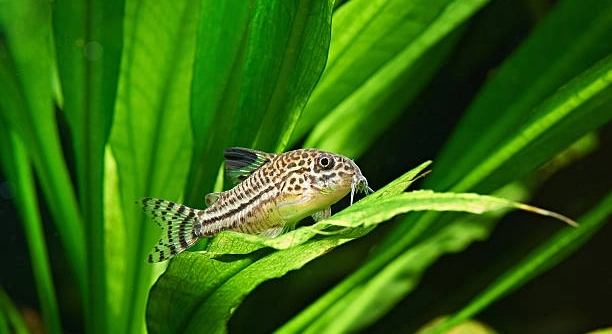
Do your Corydoras catfish seem to stay in one spot most of the time? These little fish need a variety of activities to stay active and healthy, just like any other pet. Proper care includes ensuring they have enough time for play.
To make sure your Corydoras catfish get enough playtime, it’s essential to provide them with stimulating environments. This includes adding hiding spots, varied substrates, and appropriate companions. Regular changes to their surroundings can encourage exploration and activity.
Creating a lively tank setup with enriching elements can help your Corydoras stay active and happy. Discover simple strategies to bring out the playful side of your fish.
Provide Hiding Spots and Structure
Corydoras catfish are naturally shy creatures that feel more secure when they have places to hide. These fish thrive in environments where they can retreat and feel safe. Adding caves, driftwood, or plants to the tank gives them spots to explore and take refuge. This helps reduce stress, allowing them to feel comfortable enough to come out and play more often. A few rocks or decorative items will also encourage them to swim around and interact with their surroundings.
Incorporating hiding spots into your tank setup isn’t just about aesthetics; it’s also essential for their mental health. Creating a cozy, varied environment will encourage Corydoras to be more active.
With these additions, the tank will offer stimulation, both visually and physically. By placing different types of hideouts around the tank, you can help Corydoras feel like they have choices. This way, they won’t feel trapped in a monotonous environment, making them more likely to explore and interact.
Add Varied Substrates
The substrate you choose has a direct effect on how your Corydoras behave. They enjoy rooting through sand or fine gravel, searching for food. Having a soft, fine substrate lets them display their natural foraging behavior. This activity encourages movement and exploration, ensuring that your catfish get more exercise.
The texture of the substrate also impacts their comfort. Using sand or smooth gravel prevents injury to their delicate barbels, which are sensitive sensory organs. Keeping this in mind can make a big difference in how much your fish move around and engage with their environment.
Adding a variety of substrates to different parts of the tank can create an exciting environment. For example, combining soft sand in some areas with slightly coarser gravel in others mimics the diverse habitats that Corydoras would encounter in nature. This variety can encourage natural behaviors such as digging, scavenging, and socializing with tank mates. The more they can interact with their environment, the more likely they are to play and stay active.
Provide Tankmates that Encourage Activity
Corydoras enjoy the company of peaceful tankmates that are active and not overly aggressive. Adding small, non-threatening species like tetras or rasboras can help your Corydoras feel more comfortable and motivated to move around. Fish that school together will encourage the catfish to swim more.
By having a few other fish that enjoy swimming actively in the same tank, Corydoras will likely follow them. This mimics natural behavior, as they often swim alongside other fish in the wild. It’s important to ensure that your tankmates are not too large or aggressive, as this could stress your catfish.
Try introducing species with similar care needs that will bring out the playful side of your Corydoras. Watch how their movements create a positive environment where your fish feel safe enough to swim and explore together. This social interaction can lead to a healthier, more engaged pet.
Offer a Balanced Diet with Variety
Feeding your Corydoras a varied diet encourages more natural foraging behavior, which keeps them active. Offering them sinking pellets, frozen or live foods like bloodworms, and occasional plant matter helps mimic their natural diet. By offering different textures and tastes, you can increase their excitement during feeding time.
A varied diet also supports their health, helping them feel better overall, which translates to more energy for play. Corydoras will spend time foraging in the substrate for food, a behavior that encourages them to be more active. Additionally, feeding at different times or in new ways can keep them stimulated.
To enhance playtime, you can spread their food around the tank. This forces the Corydoras to search and engage with their environment more. It’s a simple trick that makes mealtime an exciting activity while providing the nourishment they need to stay strong and playful.
Maintain Clean Water and Proper Tank Conditions
Clean water is crucial for your Corydoras’ health and activity levels. Regular water changes and proper filtration ensure that toxins do not build up, which can lead to stress and inactivity. Keeping the water conditions stable helps your fish feel safe and more inclined to move around.
Good water conditions prevent diseases that could slow your fish down. Make sure the temperature is consistent, and the pH is in an appropriate range. If your Corydoras feel uncomfortable due to poor water quality, they’ll be less likely to explore and play in their tank.
Include Plants and Natural Decor
Adding plants and natural decor encourages exploration and hiding, which are important for Corydoras. Plants provide cover and give them spots to scavenge for food. This added complexity in their environment will keep them active.
Plants help recreate the natural habitat, giving Corydoras a more engaging environment. Live plants can also help maintain water quality by absorbing excess nutrients. Adding plants like Java fern or Anubias can increase the visual appeal of your tank while supporting your catfish’s activity and wellbeing.
Use Floating Objects for Interaction
Floating objects like foam or small decorations can encourage Corydoras to swim up and engage with their surroundings. It creates a new level of interaction, encouraging your fish to move vertically as well as horizontally.
These floating objects can also serve as additional hiding spots or resting areas. Corydoras will enjoy exploring these new additions, helping to prevent them from staying in one spot for too long. The activity of swimming up and down provides a good workout for the fish.
FAQ
How much space do Corydoras catfish need in the tank?
Corydoras catfish should have at least 10 gallons of water for a small group. While they are small fish, they like to have space to swim around and explore. A larger tank with more open areas encourages them to stay active. Crowded tanks can lead to stress, which will make them less likely to engage with their environment. A 20-gallon tank is ideal for a few Corydoras, as it allows them room to move around and swim freely.
What temperature should the water be for Corydoras catfish?
Corydoras catfish prefer water temperatures between 72°F and 78°F (22°C to 26°C). Keeping the temperature within this range helps ensure they stay active and healthy. Too cold or too warm water can cause stress, leading to reduced activity. Invest in a reliable heater to maintain a stable temperature for your fish.
Can Corydoras catfish live with other fish?
Yes, Corydoras are peaceful fish that can live with a variety of other species. Choose tankmates that are not overly aggressive and have similar water requirements. They do well with tetras, guppies, and other small, non-aggressive fish. Be cautious of larger fish that may see them as prey or chase them around.
How often should I feed my Corydoras catfish?
Feed your Corydoras once or twice a day, offering only what they can consume within a few minutes. Overfeeding can lead to water quality issues and inactivity in your fish. A balanced diet that includes sinking pellets, live or frozen food, and occasional plant matter will encourage them to stay active as they forage and swim.
Do Corydoras catfish need a lot of light?
Corydoras don’t require a lot of light, but they do benefit from a natural day-night cycle. Keep the lighting on for around 8-12 hours a day to mimic the natural environment. Too much light can cause stress, while too little can discourage activity. Use gentle lighting to maintain a calm environment.
How can I tell if my Corydoras catfish are stressed?
Signs of stress in Corydoras catfish include hiding excessively, lack of movement, clamped fins, or not eating. Stress can result from poor water quality, aggressive tankmates, or unsuitable environmental conditions. If you notice any of these signs, check your tank conditions and adjust them as needed to help your fish feel more comfortable.
Can Corydoras catfish live in a tank with no substrate?
Corydoras catfish need a substrate, such as sand or fine gravel, to forage naturally. Without substrate, they won’t be able to perform their natural digging and scavenging behaviors, which are important for their physical and mental stimulation. A soft substrate also prevents injury to their sensitive barbels.
How do I clean my Corydoras catfish tank?
Regular tank maintenance is important for keeping your Corydoras healthy. Perform weekly water changes of 20-30% to maintain clean water. Vacuum the substrate to remove waste and debris, and clean the filter regularly to ensure proper filtration. Keeping the tank clean reduces stress and promotes playtime by maintaining stable conditions.
Why are my Corydoras catfish staying in one spot?
If your Corydoras are staying in one spot, it could be due to stress, poor water quality, or a lack of enrichment in their environment. Ensure the water parameters are within the ideal range, and check that your tank has enough hiding spots, plants, and suitable tankmates to encourage movement and activity.
What is the best substrate for Corydoras catfish?
The best substrate for Corydoras is fine sand or small, smooth gravel. Sand allows them to dig and forage naturally without injuring their barbels. Avoid sharp-edged gravel or large pebbles, as they can harm the fish. Ensure the substrate is soft enough for them to move around and explore comfortably.
Can Corydoras catfish play with toys?
While Corydoras catfish don’t play with toys like some other animals, they can engage with items in their tank. Floating decorations, caves, and plants serve as interactive elements for them to explore. Corydoras will swim around, hide in, and forage through these objects, which can help keep them active.
How long do Corydoras catfish live?
Corydoras catfish generally live for 5 to 7 years in a well-maintained tank. Some individuals may live longer if they are kept in optimal conditions with proper care. Providing a balanced diet, good water quality, and an enriched environment can help your Corydoras live a long and healthy life.
How do I know if my Corydoras catfish are happy?
Happy Corydoras catfish are active, social, and curious. They will swim around, interact with their tankmates, and forage for food. Healthy Corydoras are also brightly colored, have clear eyes, and show no signs of illness or stress. Regular observation of their behavior can give you insight into their overall well-being.
Can Corydoras catfish jump out of the tank?
Although Corydoras catfish are not typically jumpers, it is still important to have a well-secured lid on your tank. Corydoras are curious creatures, and they might leap if they feel stressed or startled. A secure lid will prevent accidental escapes and keep your fish safe in their environment.
What should I do if my Corydoras catfish is injured?
If your Corydoras is injured, isolate it in a quarantine tank to prevent further stress and monitor the wound closely. Ensure the water quality is excellent and treat with appropriate medications if necessary. Keep the fish in a calm, low-stress environment and provide it with plenty of hiding spots to recover.
How can I encourage Corydoras to come out of hiding?
To encourage your Corydoras to come out of hiding, try offering food in a way that requires them to swim around. Place sinking pellets or live food in different areas of the tank to encourage foraging. You can also adjust lighting or reduce stressors in the tank to make them feel safer.
Final Thoughts
Corydoras catfish are fascinating creatures that enjoy an active and stimulating environment. Providing the right conditions for them to play and explore can greatly improve their well-being. These fish thrive when they have enough space, hiding spots, and a variety of tankmates. A clean and balanced tank is essential for them to remain healthy and energetic. By ensuring that their needs are met, you can help them stay active and happy for many years.
It’s important to understand that Corydoras, like all fish, require a bit of effort and attention. Maintaining clean water, feeding a varied diet, and creating a stimulating environment will help keep your catfish active and engaged. You can add plants, natural decor, and substrates that allow them to dig and forage naturally. Adding peaceful tankmates will also encourage social behavior, making the tank a more lively and enjoyable place for your Corydoras. Ensuring their tank setup is as close to their natural environment as possible will allow them to flourish and express their natural behaviors.
While Corydoras are fairly easy to care for, it’s still important to pay attention to the details. Regular water changes, proper filtration, and a consistent temperature are key to their overall health. Avoid overcrowding the tank, as this can cause stress, which can lead to inactivity. With a little effort, you can create a thriving environment where your Corydoras feel secure enough to interact and play. By focusing on their needs and creating an enriching environment, you’ll provide them with a fulfilling life, full of movement, play, and natural behaviors.

Hello,
If you enjoy the content that we create, please consider saying a "Thank You!" by leaving a tip.
Every little bit helps us continue crafting quality advice that supports the health, happiness, and well-being of pets around the world, for pets of all shapes, sizes, and species.
We really appreciate the kindness and support that you show us!