
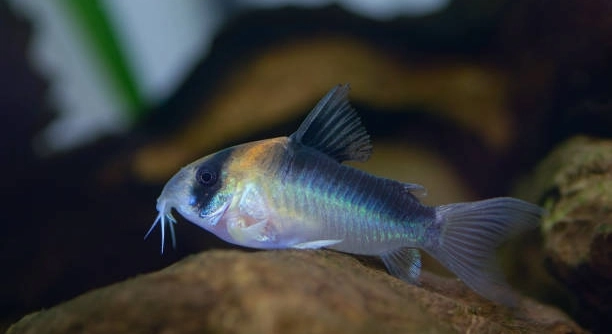
Corydoras catfish are known for their peaceful and social nature. They thrive in groups, often interacting with other fish in the tank. However, when they feel lonely, their behavior may change in noticeable ways.
Corydoras catfish tend to display signs of loneliness through changes in activity levels, feeding habits, and interactions with other fish. They may become more reclusive, reduce their movement, or show signs of stress, which are all indications of isolation.
Understanding these behavioral signs can help improve your catfish’s well-being. Recognizing loneliness early on can ensure a happier, healthier environment for your fish and prevent further distress.
Why Corydoras Catfish Need Companions
Corydoras catfish are naturally social fish that enjoy the company of their kind. In the wild, they live in large schools, which helps them feel safe and comfortable. When kept in aquariums, these catfish often rely on the presence of other fish for companionship and security. Without these companions, they may experience stress, which can affect their overall health and well-being. Corydoras rely on their group for protection and social interaction. They often swim together, share food, and even “scoot” on the substrate in a group, creating a natural bond. If your Corydoras are alone, you might start to notice signs of loneliness. They may be less active or more prone to hiding, as they miss the social interactions that come with being in a group.
It’s important to keep at least a few Corydoras together in your tank. A small school of 3-6 catfish is ideal, as they feel safer and more confident when surrounded by others of their species. Without this social structure, their behavior can become erratic and more anxious.
Understanding the importance of companionship is the first step to ensuring your Corydoras are happy. If you notice your fish becoming inactive or stressed, it’s time to consider adding more to the tank. With a few more friends, your catfish will likely become more active and playful, improving their overall health.
Signs of Loneliness in Corydoras
If your Corydoras is feeling lonely, their behavior will change in several ways. They may swim less or hide more often.
Lonely Corydoras are more likely to stay in one spot for long periods. They might become less responsive during feeding times and can appear more timid than usual. These behavioral changes are key indicators of their stress and need for companionship.
Without the presence of other Corydoras, these catfish often struggle with finding comfort in their tank. You may notice they stop exploring their environment or become hesitant to interact with other tank mates. In severe cases, they could even exhibit signs of illness due to prolonged stress. Corydoras that are isolated may display lethargy, slow movement, or become less interested in food. Their once lively behavior will become dull, and they may hide for long periods, which is uncommon in a happy and well-adjusted Corydoras.
Keeping an eye on your fish’s behavior is crucial. If you spot these signs, adding more Corydoras to the tank could resolve their loneliness and bring back their cheerful disposition.
Reduced Activity and Hiding
When Corydoras are lonely, they often become less active. Instead of swimming around or interacting with the environment, they may spend more time hiding in corners or under decorations. This behavior is a clear sign of stress or unease. If they are the only catfish in the tank, they may retreat to the substrate or darker areas to feel safer.
Lonely Corydoras will often swim less and may become less curious about their surroundings. Their movement can slow down as they feel anxious and less confident in the absence of companionship. This behavior isn’t typical for these active, bottom-dwelling fish when they are in a group. When a Corydoras is isolated, it may seem as if the tank has become a place of retreat rather than enjoyment.
Keeping a few Corydoras together can help restore their lively and curious nature. The presence of companions will encourage more exploration, and their activity levels should increase as they feel more secure. With proper social interaction, these catfish can return to their usual behavior, showing more interest in their surroundings.
Disinterest in Food
A Corydoras that is feeling lonely may lose interest in food. Normally, these catfish are enthusiastic feeders, actively foraging for food along the substrate. However, loneliness can lead to a lack of appetite. Without the stimulation of fellow catfish or social interactions, they may not feel motivated to eat as they usually would.
This disinterest in food can be concerning, especially if it persists for a while. Corydoras rely on their peers for comfort and a sense of security. Without companionship, the stress they experience can dampen their enthusiasm for eating. A lack of appetite is a key sign that your Corydoras is not feeling at ease in its environment.
In a tank with more than one Corydoras, the presence of others can often lead to more competition for food, encouraging the fish to eat. If you notice your Corydoras not eating, it may be time to consider adding another fish to the tank. Giving your catfish the social interaction it needs can help restore its appetite and overall health.
Slow or Hesitant Movements
Lonely Corydoras often move slower than usual. Instead of their usual energetic scooting around the tank, they may take their time and appear hesitant. This slower pace is a sign that they may not feel safe or comfortable on their own. The presence of other catfish typically encourages them to move more confidently.
Without companions, Corydoras might also avoid moving through the open areas of the tank. They may stay near objects or decorations, where they feel more secure. This behavior signals that they are missing the social interactions that would typically keep them active and less anxious.
Increased Hiding
When a Corydoras feels lonely, it may spend a lot of time hiding. The lack of companionship can cause these catfish to seek out places where they feel more secure. They might retreat to the darkest corners of the tank, where they feel shielded from potential stressors.
If your Corydoras is hiding more often, it’s likely a sign of loneliness. Corydoras typically prefer exploring and interacting with their environment, but without others around, they may choose to stay hidden. Adding more Corydoras to the tank could help restore their confidence and reduce hiding behavior.
Changes in Social Behavior
Corydoras are social fish by nature, and their behavior changes when they are lonely. They might become less engaged with other fish in the tank or avoid interacting altogether. Their usual curious nature turns into passivity, as they no longer seek out social interactions.
Lonely Corydoras may not display the same energetic social behavior they would with other fish. In a group, they playfully interact with one another, swimming in tight schools and foraging together. Without these companions, the fish may act more withdrawn, avoiding other tank mates and not engaging with their environment. Socializing with other Corydoras will likely encourage them to interact and become more active.
FAQ
How many Corydoras should I keep together?
Corydoras are social fish, so it’s essential to keep them in groups. The ideal number is at least 3-6 Corydoras, as this helps them feel secure and safe. A small school allows them to interact with each other, reduce stress, and maintain their natural behavior. If kept alone, a Corydoras may feel isolated and anxious, which can affect its health and activity. Keeping a group also helps with feeding, as they are more likely to be active and engage with their surroundings when they have companions. If you can, try to provide them with more than the minimum number to ensure they thrive.
Can I keep Corydoras with other fish?
Yes, Corydoras are peaceful and get along well with most other fish, especially non-aggressive species. However, it’s best to avoid keeping them with large or aggressive fish, as they may feel intimidated and stressed. Corydoras are bottom dwellers, so they prefer tanks with peaceful mid- or top-level swimmers. A community tank with other calm species, like small tetras, guppies, or other catfish, is ideal. Just make sure the tank is large enough for everyone, and that there are plenty of hiding spots, so the Corydoras can retreat when they need to.
What type of environment do Corydoras prefer?
Corydoras are bottom-dwelling fish that prefer tanks with soft, sandy substrates where they can dig and forage. They also enjoy having plenty of hiding spots, such as plants, rocks, and decorations. A well-planted tank offers a more natural environment and encourages them to feel secure. They thrive in a peaceful, well-maintained environment with stable water parameters. Corydoras enjoy slightly acidic to neutral pH levels, a water temperature between 72-78°F (22-26°C), and soft to moderately hard water. Ensuring these conditions helps reduce stress and promotes their natural behavior.
How do I know if my Corydoras are happy?
Happy Corydoras are active, curious, and social. They will actively swim around the tank, interact with their tank mates, and explore the substrate. They will also forage for food, digging through the sand with their barbels. If your Corydoras are frequently hiding, swimming erratically, or staying in one spot, this might indicate they are stressed or unhappy. Happy Corydoras will also show normal feeding behavior, eagerly eating when food is introduced. If they are eating well, interacting with others, and staying active, they are likely content.
Why is my Corydoras hiding so much?
If your Corydoras is hiding more often than usual, it could be a sign of stress, illness, or loneliness. Corydoras are naturally curious and social fish, so excessive hiding often indicates that something is wrong. It could be that they feel insecure due to a lack of companionship, or that they are overwhelmed by changes in their environment, such as sudden water parameter shifts, aggressive tank mates, or excessive noise. If your Corydoras is hiding, try to observe their behavior and look for any changes in the tank. Adding more Corydoras or adjusting their environment may help.
Can Corydoras live alone?
While Corydoras can technically survive alone, they are social fish that prefer the company of others. Keeping a single Corydoras in a tank can lead to loneliness and stress, which can negatively impact their health. These catfish are happiest when they have other Corydoras to interact with. If you want to keep a Corydoras, it’s best to have at least two or three to ensure they feel secure and content. If space is an issue, consider adding a smaller group, as they will thrive in a community setting.
How do I tell if my Corydoras is stressed?
Stress in Corydoras can manifest in several ways. Some common signs of stress include excessive hiding, slow or erratic swimming, loss of appetite, and changes in behavior, such as increased aggression or lethargy. Stress can be caused by several factors, including poor water quality, incompatible tank mates, or a lack of social interaction. If you notice your Corydoras displaying these behaviors, check the water parameters to ensure they are within the proper range. You may also need to adjust the tank environment by adding more hiding spots or reducing the number of tank mates.
What do Corydoras eat?
Corydoras are omnivores, meaning they eat both plant and animal matter. In the wild, they feed on small invertebrates, detritus, and plant material found at the bottom of rivers. In an aquarium, you can feed them a variety of foods, including sinking pellets, algae wafers, frozen or live foods like bloodworms or brine shrimp, and vegetables like cucumber or zucchini. It’s important to offer a balanced diet to ensure they get the necessary nutrients. Corydoras also enjoy foraging, so providing them with food that sinks to the substrate allows them to engage in their natural behavior.
How do I care for Corydoras?
Caring for Corydoras involves maintaining a stable environment and ensuring they have social interaction and a proper diet. They need a tank with a sandy substrate for them to dig and forage. Keep the water temperature between 72-78°F (22-26°C), and make sure the water is soft to moderately hard with a neutral pH. Corydoras also need clean, well-filtered water, as they are sensitive to poor water quality. Regular water changes and monitoring the water parameters are crucial to their health. Additionally, keep them in groups and provide them with hiding spots to reduce stress.
Final Thoughts
Corydoras catfish are peaceful, social fish that thrive when kept in groups. Their behavior is a reflection of their need for companionship and a secure environment. When kept alone or in unsuitable conditions, Corydoras can show signs of loneliness and stress, which may affect their health and overall well-being. By paying attention to their social needs and providing a suitable tank environment, you can help your Corydoras feel comfortable and happy. A few simple changes, like adding more catfish or adjusting the tank setup, can make a big difference in their behavior.
If you notice your Corydoras showing signs of loneliness, such as hiding, reduced activity, or loss of appetite, it’s important to act quickly. These changes in behavior are often indicators that your fish are stressed and not feeling secure. By adding more Corydoras to the tank, you can help restore their natural social interactions and reduce their stress. Corydoras are happiest when they have other catfish to interact with, and their behavior will improve once they feel less isolated. Ensuring a peaceful and stable environment with compatible tank mates also plays a key role in maintaining their happiness.
Remember that keeping Corydoras requires more than just feeding them properly; it’s about understanding their social and environmental needs. These fish need both physical and emotional comfort, so keeping them in groups with plenty of space, hiding spots, and suitable water conditions will help them thrive. A little attention to these factors can lead to a healthier and more active tank, where your Corydoras will enjoy exploring and interacting with each other. By fostering a positive environment for your fish, you are helping them live their best life.

Hello,
If you enjoy the content that we create, please consider saying a "Thank You!" by leaving a tip.
Every little bit helps us continue crafting quality advice that supports the health, happiness, and well-being of pets around the world, for pets of all shapes, sizes, and species.
We really appreciate the kindness and support that you show us!