
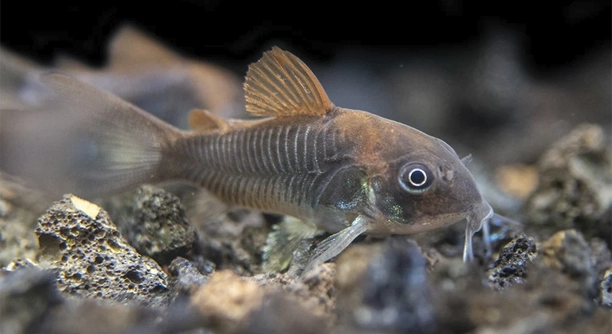
Corydoras catfish are popular aquarium pets, known for their gentle nature and bottom-dwelling habits. However, if you’ve noticed your Corydoras staying away from the light, it could be a sign of several underlying issues worth exploring.
Corydoras catfish avoid bright light due to their natural behavior and sensitivity to light. They are nocturnal creatures, preferring dim or dark environments to feel safe. This instinctive response is linked to their evolutionary need to avoid predators.
Understanding why your Corydoras stay away from the light can help you create a more suitable environment for them. Adjusting their habitat could improve their comfort and health, benefiting both the fish and your aquarium setup.
Natural Behavior of Corydoras Catfish
Corydoras catfish are naturally inclined to stay away from light. These fish are nocturnal, meaning they are more active during the night and prefer low-light conditions. This behavior stems from their need to avoid predators. In the wild, they are bottom dwellers, often hiding under rocks, plants, or debris to stay hidden. Bright lights make them feel exposed and vulnerable, leading them to retreat into darker areas of their tank. It’s important to recognize that this is entirely normal for Corydoras and doesn’t indicate any health concerns. They are simply following instincts that have kept them safe for centuries.
Their sensitivity to light is a protective mechanism. In the wild, they typically reside in environments with little light penetration, such as rivers with dense plant cover or murky waters. To mimic their natural habitat, aquarium lighting should be dimmed, and hiding spots should be provided.
Ensuring that your Corydoras feel secure in their environment is key. They need places to hide, such as plants, caves, or driftwood. You should also consider using subdued aquarium lighting to create a more comfortable atmosphere. By maintaining these conditions, your Corydoras will feel safer and more at ease, helping them thrive in their tank. Reducing stress not only improves their well-being but also supports their natural behaviors and ensures they are healthy.
Aquarium Lighting Issues
If the aquarium lights are too bright, it can cause stress for Corydoras catfish. Overhead lighting can interfere with their natural patterns, making them less active. A simple solution is to reduce the intensity or duration of the light.
Aquarium lighting plays a big role in your fish’s comfort. Corydoras catfish are sensitive to bright lighting, so it’s best to use a dimmer or more natural lighting setup. Consider using low-wattage LED lights or a light cycle that mimics the natural day-night rhythm. A consistent light-dark cycle is essential for their mental and physical health. You can also use floating plants or aquarium decorations to block some of the light. These adjustments will allow your Corydoras to feel less stressed and more confident in their environment, encouraging them to be more active during their preferred hours. Make sure not to rely on overly bright tank lights, as this can hinder their normal behavior.
Tank Setup and Decor
Corydoras catfish are more comfortable in tanks with plenty of hiding spaces. Plants, caves, or smooth rocks give them places to feel safe. A bare tank with little to no decoration can make them more exposed to light and stress them out.
Consider adding soft substrate, such as sand, to replicate their natural habitat. This allows Corydoras to dig and search for food comfortably. A tank with plenty of plants or other decorations will also make them feel more secure. Remember, Corydoras prefer areas where they can easily hide from bright lights or sudden movements. Keep the tank environment varied and interesting to keep your catfish happy and stress-free.
Providing plenty of hiding spots and natural elements will help them feel more at ease and reduce their anxiety in bright environments. By recreating a natural habitat, you’re encouraging them to follow their instincts, staying calm and healthy. Corydoras are active but shy creatures, so make sure they have the privacy they need, especially when dealing with lighting or tank changes.
Water Quality and Temperature
The water quality in your tank is crucial for the well-being of Corydoras catfish. Poor water conditions can stress them out, causing them to hide more often, away from both light and other tankmates.
Consistent water parameters, such as pH, temperature, and cleanliness, are vital. Corydoras thrive in water that is slightly acidic to neutral (pH 6.5-7.5), and the temperature should be kept between 72°F and 78°F (22°C-26°C). Clean water with regular water changes helps them feel secure, as dirty water often leads to illness or stress. If your tank is unstable, your Corydoras may retreat to darker areas more often, avoiding the light as a response to feeling unsafe.
Maintaining a healthy tank environment also includes filtering the water properly. Overcrowding, improper filtration, or water chemistry imbalances can add to their discomfort. Make sure to test the water regularly for ammonia, nitrites, and nitrates. Keeping the water clean and stable promotes the overall health of your fish and reduces the chances of stress caused by environmental issues.
Overfeeding and Food Type
Overfeeding can make Corydoras less active and more prone to staying hidden. When fish are given too much food, uneaten food can cloud the water, making them uncomfortable. Proper feeding helps maintain a clean tank and reduces stress.
Corydoras prefer small portions of food, often searching for it on the bottom. Feed them high-quality pellets or frozen foods, such as bloodworms or brine shrimp. Make sure to remove any uneaten food to prevent it from polluting the water. Overfeeding can lead to poor water quality, which stresses the fish, making them more likely to hide.
Stress from Tankmates
Tankmates play an important role in Corydoras’ behavior. Aggressive or overly active fish can cause them stress, pushing them to avoid the light and retreat into hiding spots.
Corydoras are peaceful fish, so avoid adding aggressive species that may bully or chase them. Fish like bettas or cichlids might stress them out, making them spend more time in dark areas. The presence of calm and non-threatening tankmates will help reduce their anxiety and encourage them to feel more secure in the open.
FAQ
Why is my Corydoras catfish staying away from the light?
Corydoras catfish are nocturnal and naturally prefer low-light conditions. Bright lighting can make them feel exposed and stressed. In the wild, they are bottom dwellers, seeking shelter in dark or shaded areas to avoid predators. If your Corydoras are staying away from the light, it’s usually due to their natural instincts to stay hidden in darker, safer spots. It’s important to provide them with plenty of places to hide and adjust the lighting to more closely mimic their natural environment.
What is the best lighting for Corydoras catfish?
The best lighting for Corydoras catfish is dim to moderate. Overhead bright lighting can cause them stress and make them retreat into hiding. Using low-wattage LED lights or a light cycle that mimics natural day-night rhythms is ideal. You can also incorporate floating plants or decorations to help reduce the intensity of the light. This creates a more comfortable environment for your fish, encouraging them to be more active during their preferred hours of activity.
Can Corydoras live in a brightly lit tank?
Corydoras can live in a brightly lit tank, but they won’t thrive. Bright lighting may cause them to be less active, hide more often, and experience unnecessary stress. Since Corydoras are bottom-dwelling fish with nocturnal habits, they prefer dimmer lighting. A tank with harsh lighting is not ideal for their well-being. It’s best to maintain low to moderate lighting and ensure plenty of hiding spaces to make them feel safe.
How can I reduce the light in my Corydoras tank?
To reduce the light in your Corydoras tank, you can use dimmer lights or lower the intensity of your tank’s current lighting. Alternatively, you could invest in low-wattage LEDs that provide a softer light. Adding floating plants or tank decorations will also help block some of the light and create shaded areas where your Corydoras can feel more secure. This approach mimics the natural, low-light conditions Corydoras are accustomed to and promotes their comfort.
Are Corydoras catfish more active at night?
Yes, Corydoras catfish are primarily nocturnal, meaning they are most active at night or in low-light conditions. They spend the daylight hours resting or hiding, and become more active after the lights go out. Corydoras naturally prefer dim or dark environments to feel safe from predators. This is why they often avoid bright tank lights and seek shelter in dark areas. To encourage natural behavior, you can provide them with dim lighting and a varied tank environment that offers both shaded and well-lit spaces.
What are the best tank mates for Corydoras catfish?
The best tank mates for Corydoras catfish are peaceful, non-aggressive species. They get along well with other calm bottom-dwelling fish, such as other Corydoras, small tetras, guppies, and rasboras. Avoid keeping Corydoras with aggressive or territorial fish, like cichlids or bettas, as these can stress them out. Corydoras catfish are gentle and prefer calm tankmates that won’t intimidate them or compete for hiding spots.
How often should I feed my Corydoras catfish?
Feed your Corydoras catfish small portions once or twice a day. Overfeeding can lead to water pollution and stress, making them more likely to avoid light and hide. Give them just enough food to eat in a few minutes, and be sure to remove any uneaten food. Corydoras are bottom feeders and prefer sinking pellets or small frozen foods, such as bloodworms or brine shrimp. This feeding routine helps maintain a healthy tank environment and prevents overfeeding-related issues.
Can water quality affect the behavior of Corydoras catfish?
Yes, poor water quality can significantly affect the behavior of Corydoras catfish. When the water is dirty or has unstable parameters, it can cause stress, making them more likely to hide and avoid light. Regular water changes and proper filtration are essential to maintain good water quality. Corydoras prefer slightly acidic to neutral water (pH 6.5-7.5) and temperatures between 72°F and 78°F (22°C-26°C). Maintaining these conditions will help reduce stress and allow your Corydoras to be more active and comfortable.
Do Corydoras need a lot of hiding spots in their tank?
Yes, Corydoras catfish thrive in environments with plenty of hiding spots. They are naturally shy and bottom-dwelling, so adding caves, plants, and rocks gives them a sense of security. These hiding spots provide them with a safe space to retreat when they feel stressed or exposed. A tank with various hiding spots will help reduce their stress, especially when they feel the light is too intense. The more they can hide, the more comfortable they will feel, which can also encourage them to explore and be more active during their preferred hours.
Can I have too many Corydoras in my tank?
While Corydoras catfish are peaceful, having too many in a small tank can lead to overcrowding, which stresses them out. It’s important to keep a balance, ensuring enough space for each fish to explore without feeling cramped. A general rule of thumb is to provide at least 10 gallons of water per group of three Corydoras. Overcrowding can lead to poor water quality, increased aggression, and less hiding space, which might make your Corydoras more likely to avoid the light and hide.
Final Thoughts
Corydoras catfish are wonderful additions to an aquarium, known for their peaceful nature and unique behavior. However, their tendency to stay away from bright light is completely natural. This instinct comes from their nocturnal lifestyle, where they feel safer in low-light conditions. If your Corydoras are avoiding the light, there’s no need to worry. It’s a sign that they are simply acting according to their instincts and creating a comfortable environment for themselves. By understanding this behavior, you can make adjustments to their tank setup to ensure they feel secure and happy.
There are several steps you can take to improve the lighting and overall environment for your Corydoras. Adjusting the tank’s light intensity, using dimmer or natural lighting options, and adding plants or decorations for hiding spots can help recreate their natural habitat. A tank with plenty of hiding spots, such as caves, plants, or soft substrate, can make them feel more at ease. Additionally, maintaining clean water and providing a stable environment with appropriate temperature and pH levels will reduce stress and encourage them to be more active. Consistency in water changes, feeding, and general maintenance is essential for their well-being.
Ultimately, the goal is to create a peaceful and comfortable space for your Corydoras catfish to thrive. Keeping their environment as close to their natural habitat as possible will encourage healthy behaviors and reduce stress. By being mindful of their needs and making the necessary adjustments, you’ll help your Corydoras feel safe and secure, ensuring they remain happy, healthy, and active. The more you understand about their habits and instincts, the easier it will be to provide the right care for them.

Hello,
If you enjoy the content that we create, please consider saying a "Thank You!" by leaving a tip.
Every little bit helps us continue crafting quality advice that supports the health, happiness, and well-being of pets around the world, for pets of all shapes, sizes, and species.
We really appreciate the kindness and support that you show us!