
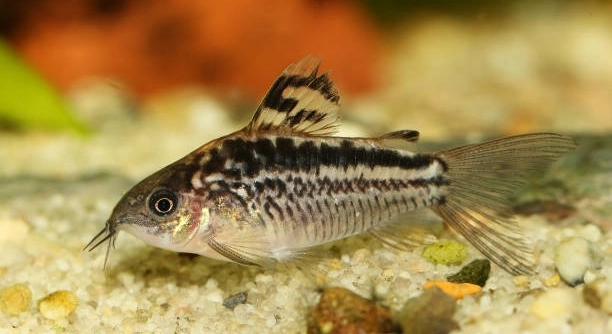
Do you ever find yourself watching your Corydoras catfish resting in the same spot and wondering if something is wrong?
The most common reason your Corydoras keeps laying in the same spot is stress or discomfort in its environment. Other possible causes include poor water quality, illness, injury, low oxygen levels, or a lack of stimulation.
From subtle health concerns to environmental triggers, understanding the reasons behind this behavior can help you better care for your Corydoras and maintain a peaceful aquarium.
1. Poor Water Quality
Corydoras catfish are sensitive to changes in their environment, especially water conditions. When the water becomes dirty or unbalanced, they may stop being active and spend more time resting. High ammonia or nitrite levels, low oxygen, and unstable pH can all cause stress. If your Corydoras keeps laying in the same spot, it might be reacting to unhealthy water. Regular tank maintenance, including partial water changes, gravel cleaning, and filter checks, is essential. Testing the water weekly with a reliable test kit helps catch any issues early. Even small spikes in toxins can make a big difference. Also, make sure the tank is not overcrowded, as that can lead to faster water pollution. A calm, clean environment helps your fish feel secure and keeps them active. Clean water isn’t just about looks—it’s about your fish’s health.
Watch for signs like clamped fins, gasping, or dull color. These often show poor water conditions.
Even if the tank looks clear, it might still have issues that can only be spotted with proper testing and routine care.
2. Lack of Hiding Spots
A tank with limited cover or hiding areas can make Corydoras feel exposed and stressed. When they don’t feel secure, they often stay still in one safe-looking spot.
Adding plants, caves, and small decorations gives your Corydoras more choices for where to rest and explore. In the wild, these fish live in muddy, shaded areas with lots of places to hide. When that’s missing in an aquarium, they might retreat to one corner and avoid swimming around. Using real or artificial plants, small driftwood, or store-bought fish shelters can really improve their comfort. Spread these hiding areas across the tank to encourage movement and help them feel safe in more than one place. Also, make sure there’s low light or shaded zones, especially if you have a bright tank. These adjustments often lead to a noticeable change in behavior. The more secure they feel, the more active and curious they tend to become.
3. Low Oxygen Levels
If oxygen levels drop, Corydoras may rest more often and stay in one place near the bottom. This can happen in tanks with poor water flow or high temperatures.
Corydoras need well-oxygenated water to stay active and healthy. When oxygen is low, they often slow down, breathe heavier, and rest more. Warmer water holds less oxygen, so high tank temperatures can make things worse. Tanks without enough surface movement or filtration can also limit oxygen. Using a sponge filter, air stone, or adjusting the outflow of your filter can help increase circulation. Make sure your tank isn’t overstocked, which uses up more oxygen and adds waste. If you see your Corydoras gulping at the surface or staying still too long, it’s time to check the oxygen levels. A small change in airflow or tank setup can bring a big improvement in their activity.
Avoid sudden temperature changes and keep your tank well-aerated during warm seasons. A thermometer helps track heat buildup, especially during summer or in rooms with poor ventilation. Cooler water, gentle circulation, and steady maintenance will keep your Corydoras comfortable. You’ll often notice them swimming around more once conditions improve, showing they’re more at ease in their space.
4. Illness or Injury
Corydoras that are unwell or injured often rest in one spot for long periods. This behavior helps them conserve energy and recover, but it’s also a sign something may be wrong.
If your Corydoras has become less active, check for signs like ragged fins, pale color, bloating, or strange swimming patterns. Illnesses like bacterial infections or internal parasites are common in community tanks. Sometimes the fish might also get injured by sharp decor, tank mates, or during rough handling. Always quarantine new fish before adding them to your main tank to prevent disease spread. A clean tank and a balanced diet go a long way in supporting their immune system. When in doubt, isolate the affected fish and observe them more closely. Treat with appropriate medication based on symptoms, and consult a vet or aquatic specialist if needed. Early action can help your fish recover faster.
5. Boredom or Lack of Stimulation
Corydoras are active fish that enjoy exploring their surroundings. If the tank is too plain or lacks variety, they may stay in one spot out of boredom.
Adding different textures, small changes in layout, or rotating decor can help keep them more engaged and moving around the tank.
6. Tank Mates Causing Stress
Some fish can be too aggressive or territorial, making Corydoras feel unsafe. If they’re being chased or harassed, they may stay hidden or inactive to avoid conflict.
Choose peaceful tank mates and watch for signs of bullying. A calm community helps Corydoras feel safe enough to explore.
7. Natural Resting Behavior
Corydoras often rest in the same spot during certain times of day. This is normal and doesn’t always mean something is wrong.
As long as they’re eating, swimming occasionally, and not showing signs of illness, it may just be part of their routine.
FAQ
Why does my Corydoras catfish stay in one corner all the time?
This usually means your Corydoras is stressed, uncomfortable, or not feeling well. It might be caused by poor water quality, low oxygen, lack of hiding spots, or being bullied by other fish. Sometimes, it can also be part of their natural behavior if they feel safe in that corner. Try to check for other signs like gasping, not eating, or changes in appearance. Make sure the water parameters are stable, and the tank environment feels safe. Small changes like adding plants or hiding places often help them feel more confident and move around more.
Is it normal for Corydoras to rest during the day?
Yes, it’s completely normal. Corydoras are more active at certain times, especially during early morning or evening hours. During the day, they often rest in one spot for short periods, especially if they feel safe there. As long as your fish is eating, occasionally swimming, and not showing any signs of distress, this behavior is usually fine. Resting helps them conserve energy. You might also notice them hanging out together in groups, which gives them comfort. If they’re still responsive and alert when approached or when food is added, you likely have nothing to worry about.
Can a Corydoras catfish get lonely if it’s the only one?
Yes. Corydoras are social fish and do best in groups of at least five to six. If kept alone, they may become withdrawn or inactive, often staying in one spot for most of the day. They naturally live in schools in the wild and feel more comfortable when surrounded by others of their kind. Adding more Corydoras usually brings out their playful and curious side. They may start swimming together and become much more active overall. Loneliness can affect their mood and health, so it’s best to keep them in a proper group to see their full personality.
How do I know if my Corydoras is sick?
Look for signs like lack of appetite, pale or darkened color, bloated belly, frayed fins, white spots, or odd swimming behavior. If your Corydoras is lying still for long periods and not responding to food or movement, that’s also a concern. Some illnesses progress quickly, so acting early makes a big difference. Quarantine the fish if you see anything unusual, and consider testing your water right away. Treat based on symptoms and consult with a specialist if needed. A clean tank, proper food, and consistent care all play a big part in keeping them healthy.
What temperature should the water be for Corydoras?
Corydoras prefer cooler to mid-range temperatures, ideally between 72°F and 78°F (22°C to 26°C). If the water gets too warm, oxygen levels drop, and they may become sluggish or stressed. On the other hand, if it’s too cold, it can weaken their immune system. Use a reliable aquarium heater and thermometer to keep things steady. Sudden temperature changes can be harmful. If you notice your Corydoras resting more during heatwaves or unusually warm days, it might be time to adjust the environment. Keeping the temperature stable helps them stay active and healthy.
How often should I clean the tank?
A small partial water change (around 20-30%) every week is usually best. This helps remove waste, refresh oxygen, and balance nutrients. Use a gravel vacuum to remove debris from the bottom, where Corydoras spend most of their time. Clean the filter monthly or as needed, but avoid cleaning everything at once—it can remove good bacteria your tank needs. Regular cleaning helps keep ammonia and nitrite levels low, which directly affects how active and healthy your Corydoras will be. A clean tank makes them more comfortable and reduces the chance of illness.
Do Corydoras need a specific type of substrate?
Yes, soft sand or smooth gravel is best for Corydoras. They like to dig and sift through the bottom looking for food, so rough or sharp gravel can hurt their sensitive barbels. Injuries to their barbels can lead to infections or cause them to stop eating. If your Corydoras stays in one spot and avoids the substrate, it might be a sign the gravel is too harsh. A fine sand substrate allows them to behave naturally without risk. You’ll often see them more active and playful when the bottom of the tank is comfortable for them.
Final Thoughts
Corydoras catfish are peaceful, gentle fish that often show their feelings through small changes in behavior. If you notice your Corydoras resting in the same spot often, it might not mean something is wrong right away. However, it’s always worth paying attention. Sometimes it’s just their natural resting habit. Other times, it can be a sign of stress, illness, or discomfort in their environment. Learning to spot these signs early can make a big difference in their well-being. A fish that feels safe and healthy will move around more, explore its surroundings, and interact with others in the tank.
Simple changes in tank care can improve things quickly. Clean water, the right temperature, enough oxygen, and a soft bottom all help Corydoras feel at ease. It’s also important to avoid overcrowding and to choose peaceful tank mates. Keeping them in a group is another key step, as they rely on social contact with others of their kind. Adding more hiding spots or changing the layout of the tank from time to time can also keep things interesting for them. Most of the time, when the environment supports their needs, they become more active and show their curious nature.
Watching your Corydoras closely is the best way to understand what they need. They may not show clear signs of a problem at first, but little things—like resting in one spot too much—can tell you a lot. Regular tank checks, feeding good-quality food, and keeping a calm space will all help. Caring for fish doesn’t have to be complicated, but being consistent is important. When your Corydoras feels safe and healthy, it becomes more than just a fish in a tank—it becomes a calm, active part of your underwater setup. And that’s always rewarding to see.

Hello,
If you enjoy the content that we create, please consider saying a "Thank You!" by leaving a tip.
Every little bit helps us continue crafting quality advice that supports the health, happiness, and well-being of pets around the world, for pets of all shapes, sizes, and species.
We really appreciate the kindness and support that you show us!