
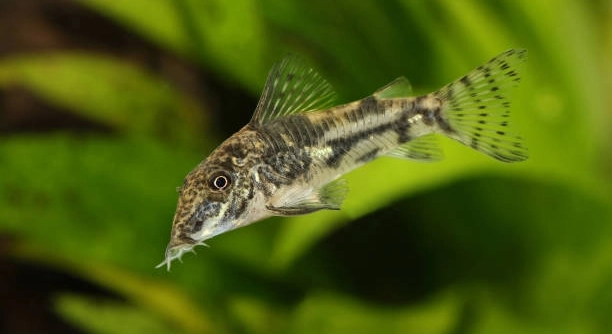
Corydoras catfish are often seen hiding near the filter in aquariums. This behavior can raise concerns for their well-being, especially if it seems unusual. Understanding the reasons behind this habit is essential for maintaining a healthy tank environment.
The primary reason for this behavior is the Corydoras’ instinct to seek shelter near areas with strong water currents. These areas often provide safety, better oxygen levels, and cleaner water, which are important for the fish’s comfort and health.
Understanding these possible reasons can help you ensure your Corydoras remain healthy and comfortable in their environment.
Possible Reason 1: Oxygen Levels Near the Filter
Corydoras catfish often seek out areas where the water is oxygen-rich, and the filter is an ideal place for this. The movement of water near the filter increases oxygen exchange, which is crucial for these fish. In low-oxygen conditions, they may feel stressed or uncomfortable, prompting them to hide near the filter for better air circulation. Providing more oxygen in other parts of the tank can help reduce this behavior, but it’s important to monitor the overall water quality to ensure your fish aren’t struggling to breathe.
Increasing oxygen levels can be done through a variety of methods, such as adding an air pump or airstone in other parts of the tank. However, the filter’s water flow may remain the most attractive option for your Corydoras catfish.
It’s also crucial to regularly clean the filter to maintain its efficiency. If the filter gets clogged, it can lead to reduced oxygen flow, which might cause your Corydoras to become stressed and stay close to the filter more often. This adjustment can help alleviate hiding behaviors.
Possible Reason 2: Shelter and Protection
Corydoras catfish are naturally shy and prefer places where they can hide from potential threats. Filters often provide the perfect refuge, with their structure creating spaces where the fish feel secure. The filter housing or any plants near the filter can serve as a protective zone for the catfish, especially when they sense potential danger or stress in the tank.
It’s a good idea to ensure there are other hiding spots in the tank. This gives your Corydoras more options and can help them feel safer throughout the aquarium. Be mindful of tank mates that might make your fish feel vulnerable, as this could also contribute to hiding behavior.
Having enough shelters around the tank will allow your Corydoras to move freely without constantly seeking the filter. It’s essential to balance safety and comfort for your fish, ensuring they don’t feel confined or overexposed in their environment.
Possible Reason 3: Water Temperature
Corydoras catfish are sensitive to temperature fluctuations and prefer stable, slightly cool water. If the water temperature near the filter is cooler, they might seek it out to maintain a comfortable body temperature. A drop in temperature, even if slight, can lead to stress, causing the fish to hide near the filter.
It’s important to regularly check the water temperature, especially around the filter area. If you notice the filter causes temperature drops, consider adjusting the tank’s heater to keep the water consistently warm. Corydoras thrive in temperatures between 72-78°F, so maintaining this range is key to reducing their hiding.
Sudden shifts in temperature can cause health problems, so avoid placing the tank in drafty or warm areas. If the filter itself is cooling the water too much, installing a heater near the fish could provide a more stable environment.
Possible Reason 4: Water Quality
Water quality plays a major role in Corydoras behavior. Poor water quality, such as high ammonia or nitrite levels, can cause stress and make your catfish retreat to safer spots, like near the filter. Filters often provide cleaner water, so the fish may be instinctively drawn to the filter area for better water conditions.
It’s crucial to maintain water quality by performing regular water changes and monitoring the levels of ammonia, nitrites, and nitrates. If the filter is doing its job, it can help remove waste and toxins, providing your Corydoras with a healthier environment.
Investing in a quality filtration system can prevent these issues. Over time, poor water quality can negatively affect your fish’s health and behavior. Keep a close eye on the tank’s water parameters and clean the filter regularly to avoid stress from poor water conditions.
Possible Reason 5: Tank Lighting
Corydoras catfish are nocturnal creatures and feel more secure in dim lighting. Bright lights can stress them out, causing them to hide near the filter where they feel protected from the intensity of the light. The filter area might be the darkest part of the tank.
If your aquarium light is too bright, try dimming it or using a light that simulates a natural day-night cycle. This can make your Corydoras feel more comfortable and reduce their need to seek dark areas.
You can also try switching to a low-wattage light or placing decorations to create more shaded spaces.
Possible Reason 6: Overcrowding
Overcrowding in an aquarium can create stress, leading Corydoras to seek refuge near the filter. Limited space and too many tank mates can result in competition for resources, making them retreat to areas where they feel safer, like near the filter.
It’s important to maintain an appropriate stocking level in the tank. Ensure that the fish have enough space to swim comfortably, as overcrowding can negatively affect their health and behavior.
Overcrowding can also cause aggression, which further increases the stress level. Regularly check the number of fish and their compatibility to maintain a peaceful environment.
Possible Reason 7: Illness
If your Corydoras is feeling unwell, it may seek shelter near the filter. Illness often leads to reduced energy and hiding behaviors, and the filter area can feel like a secure spot.
Pay close attention to any signs of illness, such as changes in behavior, appetite, or physical appearance.
FAQ
Why does my Corydoras catfish keep hiding near the filter?
Corydoras catfish may hide near the filter for several reasons, including the need for better oxygen levels, shelter, or cooler water temperatures. The filter creates a strong water current and can provide a place for these fish to rest while getting oxygen-rich water. Filters often serve as a natural refuge, offering them both safety and cleaner water. Ensuring that the filter is functioning well and that other parts of the tank offer similar conditions can help reduce this hiding behavior. Corydoras are naturally shy and enjoy the security of areas with water movement.
How can I reduce my Corydoras hiding behavior near the filter?
To reduce hiding, you should focus on improving tank conditions. Start by ensuring oxygen-rich areas in other parts of the tank, perhaps with additional aeration or air stones. Also, check the water temperature; if it’s too cool, consider adjusting the heater. Reducing stress factors like tank overcrowding, providing more hiding spots, and maintaining water quality will also help. Regular water changes, proper filtration, and providing places for the fish to hide outside of the filter area can make them feel more secure and less reliant on the filter as a hiding spot.
Is the filter causing stress for my Corydoras catfish?
It’s possible that the filter is causing stress, especially if the water flow is too strong for your Corydoras. These fish do not thrive in tanks with high water flow, so make sure the filter’s current is not too harsh for them. You can adjust the flow rate or use a sponge filter for a gentler flow. Another factor to consider is the noise from the filter, which may also cause stress, especially if it is loud. Ensuring that the filter is well-maintained and the water flow is appropriate for Corydoras can minimize any potential stress from the filter.
What should I do if the water temperature near the filter is too low?
If you notice the water near the filter is cooler than the rest of the tank, it’s a good idea to adjust your aquarium’s heater to maintain a consistent temperature. Corydoras prefer temperatures between 72-78°F, so ensuring that the entire tank remains within this range is essential. If the filter is cooling the water too much, consider repositioning the heater or using a different type of heater that provides a more uniform temperature throughout the tank. Monitoring the water temperature regularly with a reliable thermometer will help avoid these fluctuations.
Can poor water quality make my Corydoras hide near the filter?
Yes, poor water quality can definitely make Corydoras seek shelter near the filter. Filters help maintain water quality by removing waste, and Corydoras naturally seek cleaner water. If the water quality is poor, Corydoras may hide near the filter to escape toxins or high levels of ammonia or nitrites. Regular water changes, proper filtration, and checking water parameters for ammonia, nitrites, and nitrates will ensure that the tank is clean and healthy for your fish. Keeping the filter clean and running efficiently will also contribute to better water quality and reduce hiding behavior.
Is it normal for my Corydoras catfish to be active at night?
Yes, Corydoras catfish are nocturnal and tend to be more active at night. During the day, they may rest or hide, but once the lights are off, they become more active. This is perfectly normal behavior for Corydoras, as they feel more secure in low-light conditions. Providing dim lighting during the day can help your Corydoras feel more at ease and encourage them to swim around more during the day. If you notice them hiding during the night as well, it could be a sign of stress or discomfort in the tank.
Should I be concerned if my Corydoras is hiding all the time?
Frequent hiding can be a sign of stress, illness, or environmental factors that make your Corydoras feel uncomfortable. If your fish only hide occasionally, it’s usually not a concern. However, if they are constantly hiding, it’s worth investigating their surroundings. Check the water parameters, temperature, and tankmates to ensure everything is suitable for their needs. If the fish shows other signs of illness, like loss of appetite, discoloration, or unusual swimming behavior, it’s important to address the problem quickly to prevent further stress or health issues.
How can I provide more hiding spots for my Corydoras catfish?
Adding more hiding spots to your tank can help reduce stress for your Corydoras. You can use plants, rocks, or caves to create shaded areas. These structures should be placed throughout the tank, not just near the filter, to give your Corydoras more options. Driftwood and live plants are great additions that not only provide hiding spots but also mimic their natural environment. Make sure the hiding spots are accessible and large enough for the Corydoras to move freely in and out of them. This will make them feel more secure in the aquarium.
Can my Corydoras be stressed from tankmates?
Yes, aggressive tankmates or overly active fish can cause stress for Corydoras, making them more likely to hide near the filter. Corydoras are peaceful and shy, and they do best with calm and non-aggressive companions. If tankmates are bullying or chasing your Corydoras, they may retreat to safer areas. It’s important to ensure that your tank is stocked with compatible fish. Avoid keeping Corydoras with fin-nipping or territorial species. Keep an eye on the interactions between tankmates and remove any problematic fish to reduce stress for your Corydoras.
What can I do if my Corydoras catfish is sick and hiding?
If your Corydoras is hiding and showing signs of illness, such as loss of appetite or unusual swimming patterns, it’s important to address the issue immediately. Start by checking the water quality, as poor water conditions can contribute to illness. Isolate the sick fish in a quarantine tank if possible, and monitor it closely. Research common Corydoras diseases like Ich or fungal infections, and treat accordingly. Consulting a veterinarian experienced in fish health can also provide guidance on the appropriate treatment to help your fish recover.
Final Thoughts
Understanding why your Corydoras catfish may hide near the filter is essential for ensuring their health and well-being. These fish are naturally shy and prefer areas where they feel safe and secure. The filter can offer them a place with cleaner water and gentle movement, which is why they may often seek refuge near it. However, while hiding occasionally is normal, constant hiding can indicate an issue with water quality, temperature, or stress. It’s important to assess the entire environment and make any necessary adjustments to help your fish feel more comfortable.
To address the hiding behavior, begin by checking the tank’s water parameters regularly. Corydoras prefer stable and clean water, so keeping ammonia, nitrites, and nitrates within safe levels is crucial. Also, ensure that the water temperature is within the ideal range, usually between 72°F and 78°F. If the filter’s current is too strong, consider adjusting it or switching to a sponge filter. Adding more hiding spots in other parts of the tank can help reduce their reliance on the filter area. These changes can help create a more balanced and less stressful environment for your Corydoras.
Finally, remember that Corydoras catfish are peaceful and relatively low-maintenance fish, but they do require a proper environment to thrive. Pay attention to their behavior and the conditions of the tank to ensure that they feel safe and content. If they continue to hide or exhibit signs of stress, further investigation into their health, water quality, and tankmates is necessary. A well-maintained aquarium with suitable conditions will help your Corydoras live a healthy and active life.

Hello,
If you enjoy the content that we create, please consider saying a "Thank You!" by leaving a tip.
Every little bit helps us continue crafting quality advice that supports the health, happiness, and well-being of pets around the world, for pets of all shapes, sizes, and species.
We really appreciate the kindness and support that you show us!