
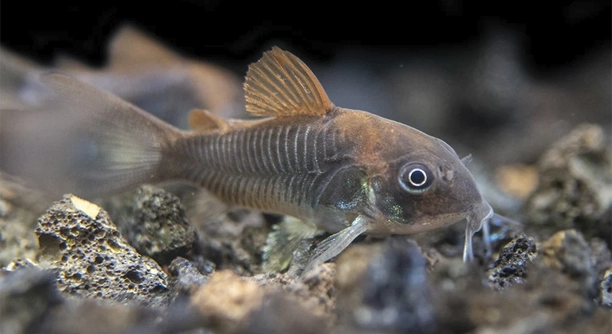
Do you ever find yourself worrying about your Corydoras catfish acting strangely or not looking as healthy as usual?
The most effective way to tell if your Corydoras catfish is developing health issues is by observing changes in behavior, appetite, and physical appearance. These signs often point to stress, disease, or poor water quality.
Understanding the early signs can help prevent more serious problems and ensure your Corydoras lives a healthy, active life in its tank.
Common Signs Your Corydoras May Be Sick
Corydoras catfish are usually active, peaceful, and social fish. When they start acting differently, it can be a warning that something is wrong. One of the first signs is a lack of movement. If your Corydoras is staying still for long periods or hiding more than usual, it could be a sign of stress or illness. Loss of appetite is another sign to watch for. Healthy Corydoras will eat regularly, especially during feeding times. If yours is ignoring food, take note. Clamped fins, rapid breathing, or spending too much time at the surface may also indicate a problem. Look closely at their body and fins for white spots, redness, bloating, or cloudy eyes. These physical changes often mean there’s an infection or issue with water quality. Monitoring behavior and physical appearance helps catch problems early before they become harder to treat or lead to more serious health concerns.
Quick changes in water temperature or quality can cause stress and illness. Always keep tank conditions stable.
Acting early when you see these signs can help you improve their environment and health. Treating symptoms quickly often leads to better recovery. Watch for subtle changes that may not seem serious at first. Staying consistent with care can prevent most problems.
7 Warning Signs to Watch For
Here are seven signs your Corydoras may be showing if they are sick or stressed. Keep an eye out for these and act quickly.
- Lethargy or low activity – If your Corydoras spends more time resting or hiding, something may be wrong.
- Loss of appetite – A healthy Corydoras will eat enthusiastically. Refusing food for more than a day is a concern.
- Clamped fins – Fins held tightly against the body are often a sign of discomfort or infection.
- Labored or rapid breathing – Gasping at the surface or heavy gill movement may mean poor water conditions or illness.
- White spots or patches – These can signal Ich or other fungal or bacterial infections.
- Bloating or a swollen belly – Swelling can come from overfeeding, constipation, or internal issues.
- Discoloration or cloudy eyes – Physical changes in skin color or eye clarity often signal poor health.
Noticing just one of these signs doesn’t always mean something serious, but it’s important to pay attention. If several signs appear together, test the water parameters immediately. Ammonia spikes, poor filtration, or sudden temperature shifts are common triggers. Regular tank maintenance plays a key role in preventing most health problems. Make sure you’re not overfeeding, and clean any leftover food quickly. Also, try not to overcrowd the tank. Corydoras do best in small groups, but too many fish can increase stress and disease risks. Quarantining new fish before adding them to the main tank can also protect your Corydoras from catching new illnesses.
What Causes Health Issues in Corydoras
Poor water quality is one of the most common reasons Corydoras get sick. Even slight changes in ammonia, nitrites, or pH can cause stress. Unstable temperatures and dirty tanks also affect their immune systems and leave them more open to infections and disease.
Overcrowding can also lead to health problems. When there are too many fish in the tank, it raises waste levels and lowers oxygen. Corydoras are social but still need space to swim and rest. A cramped tank can make them anxious and more prone to illness. Another common cause is poor diet. These fish need a balanced diet with sinking pellets, occasional protein like bloodworms, and some variety. Feeding only one type of food or letting uneaten food rot in the tank can impact both water quality and their health. Lastly, introducing new fish without quarantine can bring in unwanted bacteria or parasites.
Stress weakens the immune system. Anything from loud noises to frequent tank cleaning can stress your Corydoras. If they are being chased by other fish, that’s another major cause. They do best with peaceful tank mates and a soft, sandy substrate. Rough or sharp gravel can damage their sensitive barbels. Infections often start with small cuts or irritation from rough tank decor or unstable water. You may not notice it right away, but over time, it leads to bigger problems. Regular observation helps spot subtle behavior changes early, before the issue grows. Treating the root cause rather than just symptoms makes a lasting difference.
How to Keep Your Corydoras Healthy
Keep water clean by testing it weekly. Stable pH, low ammonia, and consistent temperature reduce stress and illness. Clean filters regularly and perform partial water changes to maintain a healthy tank environment without disrupting beneficial bacteria or your Corydoras’ sense of safety.
Feed your Corydoras a balanced diet. Use quality sinking pellets made for bottom feeders, and supplement with treats like bloodworms or brine shrimp once or twice a week. Avoid overfeeding, as leftover food can rot and lower water quality. Make sure food reaches the bottom so they can access it easily. Set up the tank with soft sand instead of gravel, and include hiding spots like plants or small caves. Keep tankmates peaceful and avoid aggressive species that might chase or nip. Watch them daily for behavior or appearance changes. Catching issues early often means simpler fixes. Healthy Corydoras are active, social, and curious—keeping them that way starts with consistent care.
When to Be Concerned
If your Corydoras stops eating for more than two days, moves less, or has visible signs like white spots or bloating, it’s time to take action. Waiting too long can make treatment harder and reduce the chances of full recovery.
Trust your instincts. If something feels off, it probably is. Even slight behavior changes, like avoiding other fish or swimming in odd patterns, can mean something’s wrong. Testing the water and checking for tank issues should always be your first step.
Treatment Options
Start by checking and correcting water conditions. Often, poor water quality is the cause. Do a 25-50% water change and clean the filter if needed, without removing too much beneficial bacteria. If symptoms continue, isolate the affected fish in a separate tank to avoid spreading illness. Use aquarium-safe medications as recommended, based on the symptoms you see—such as antifungals, antibacterial treatments, or anti-parasitic meds. Remove carbon from filters during treatment, as it can absorb medication. Always follow dosage instructions closely. Avoid trying multiple medications at once unless advised by a professional. Give your Corydoras time to recover in a calm, stable environment with clean water and good food.
Preventing Future Problems
Stick to a regular tank maintenance routine and avoid sudden changes in water conditions. Give your Corydoras a calm, clean space with the right diet and tankmates. Observing them daily is the best way to catch early signs of trouble.
FAQ
How do I know if my Corydoras is stressed?
Corydoras are usually calm and peaceful, so if they start acting unusually, it’s often a sign of stress. Common signs include hiding more than usual, staying still for long periods, or being more aggressive toward tankmates. You might also notice them spending more time at the surface, gasping for air, or swimming erratically. Stress can result from poor water quality, overcrowding, or aggressive tankmates. Addressing these factors can help relieve stress and keep your Corydoras healthy.
Can Corydoras catch diseases from other fish?
Yes, Corydoras can catch diseases from other fish. Introducing new fish without quarantining them can bring in parasites, bacteria, or fungi that affect your Corydoras. Even if the new fish don’t show symptoms right away, they could be carrying pathogens. It’s a good practice to quarantine new fish for at least two weeks before adding them to your tank. Regularly monitoring tankmates for signs of illness also helps prevent the spread of diseases.
What should I do if my Corydoras has white spots?
White spots on your Corydoras could be a sign of Ich, a common parasitic infection. Ich appears as small, white cysts on the body and fins. If you notice white spots, isolate the sick fish in a separate tank and treat with an appropriate medication designed for Ich. Raise the water temperature slightly to speed up the parasite’s life cycle (but do not exceed 80°F). Be sure to follow the instructions on the medication carefully. It’s important to clean the main tank afterward to prevent reinfection.
Why is my Corydoras not eating?
If your Corydoras stops eating, it could be a sign of stress, illness, or poor water conditions. The most common cause is bad water quality, so test your water parameters for ammonia, nitrites, and pH. Other causes include injury, infection, or changes in temperature. Corydoras may also refuse food if they’re not comfortable with the type of food provided. Make sure you’re offering sinking pellets and occasional live or frozen foods. If the issue persists, you may need to isolate the fish for further observation.
How can I improve the water quality for my Corydoras?
Corydoras are sensitive to water quality, so it’s crucial to maintain good tank conditions. Regular water changes (25-50% every week) are essential to keep toxins like ammonia and nitrites in check. Make sure your filter is working properly and clean it regularly, but avoid cleaning it all at once. Test the water regularly for ammonia, nitrites, nitrates, and pH levels. Keep the temperature between 72-78°F and avoid sudden fluctuations. Having live plants or beneficial bacteria can also help improve water quality naturally.
What should I feed my Corydoras to keep them healthy?
Corydoras are bottom feeders, so they require sinking pellets or tablets designed for them. These pellets should provide a balanced diet with protein, fiber, and essential vitamins. You can also offer occasional treats like bloodworms, brine shrimp, or daphnia. Avoid overfeeding as leftover food can pollute the tank and lead to poor water quality. Remove any uneaten food after a few hours to prevent it from decaying.
Can Corydoras live with other fish?
Yes, Corydoras are peaceful fish that get along well with other species, especially those that are not overly aggressive. They are social creatures and do best in groups of at least three or four. However, avoid keeping them with larger, aggressive fish that might nip at their fins or bully them. Peaceful tankmates like tetras, guppies, and other small, calm fish are ideal. Ensure your tank has plenty of hiding spots for Corydoras to retreat to if they feel stressed or threatened.
Why is my Corydoras swimming upside down?
If your Corydoras is swimming upside down or has trouble maintaining balance, it could be a sign of swim bladder disease. This condition can occur from stress, poor water quality, or overfeeding. It may also be linked to physical injury or an internal infection. Try fasting your Corydoras for a couple of days to see if it helps. If the issue persists, consider isolating the fish and treating it with a swim bladder-specific medication. Testing and improving water quality can also help prevent further issues.
What type of substrate is best for Corydoras?
Corydoras prefer soft, fine sand or smooth gravel as substrate. Their barbels are sensitive, and rough or sharp gravel can injure them. Sand also allows them to forage naturally, searching for food and cleaning the bottom of the tank. Ensure the substrate is deep enough to allow them to dig and sift through it. Keep in mind that clean sand and gravel are easier to maintain, but it’s essential to avoid sharp-edged materials.
How often should I clean my Corydoras tank?
Cleaning your Corydoras tank involves regular maintenance to keep it healthy. Perform partial water changes (25-50%) every week, ensuring you’re removing any waste or uneaten food. Clean the filter regularly, but don’t disrupt the beneficial bacteria all at once. If you have a gravel substrate, vacuum it during water changes to remove debris. Avoid overcleaning, as this can upset the biological balance in the tank. Keep the tank’s temperature, pH, and other parameters stable, and check the tank weekly for any visible issues.
Taking care of Corydoras catfish is fairly straightforward, but it requires regular attention to their environment and health. These fish are generally hardy, but they are sensitive to changes in water quality, stress, and other tank conditions. Understanding their needs, such as keeping the water clean, offering the right food, and providing a peaceful environment, is key to ensuring they thrive. Small changes in their behavior or appearance can be early signs of stress or illness, so it’s important to stay observant. With the proper care, Corydoras can live long, healthy lives and provide a calming presence in your aquarium.
It’s essential to address problems early, as Corydoras are prone to certain health issues, like white spots or swim bladder problems. If you notice any of these signs, acting quickly can prevent further complications. Regularly testing the water, maintaining the tank, and offering a varied diet can help keep common issues at bay. If your Corydoras shows signs of stress or illness, adjusting the water quality and checking for any external changes in the tank is a good starting point. Taking the time to address small problems before they become bigger can make all the difference in the long-term health of your fish.
Overall, caring for Corydoras is about consistency and awareness. Keeping the tank clean, offering the right food, and monitoring their behavior daily are the foundations of good care. By paying attention to their physical appearance and activity, you can often catch issues early. With a little effort and regular care, your Corydoras catfish will remain healthy and happy in their environment. Their peaceful nature and gentle personalities make them a wonderful addition to any aquarium, and with the proper care, they can bring joy to your tank for many years.

Hello,
If you enjoy the content that we create, please consider saying a "Thank You!" by leaving a tip.
Every little bit helps us continue crafting quality advice that supports the health, happiness, and well-being of pets around the world, for pets of all shapes, sizes, and species.
We really appreciate the kindness and support that you show us!