
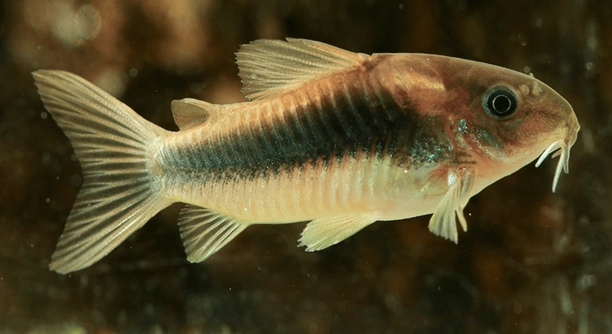
Are your Corydoras catfish constantly shifting the gravel in their tank, leaving you wondering why they won’t just settle down? These busy little bottom-dwellers often surprise owners with their persistent digging habits.
The main reason your Corydoras catfish keeps digging is instinctual behavior tied to foraging. In the wild, they sift through substrate to search for food particles, and this natural trait often continues even in a well-fed, captive environment.
Other factors like tank conditions, social behavior, and stress may also play a role in their digging habits, making it useful to understand all possible causes.
Natural Foraging Instincts
Corydoras catfish are bottom-feeders by nature. In the wild, they spend most of their time at the bottom of rivers, sifting through sand and soft sediment to find tiny bits of food. Even when they live in an aquarium and are given regular meals, their instincts don’t just go away. They continue to dig and stir up the substrate, looking for any leftover food or edible particles that might have settled. This behavior is not only normal but also healthy. It keeps them active and engaged, allowing them to express what comes naturally to them. It also means your tank setup should support this behavior with smooth, soft substrate to avoid damaging their sensitive barbels. Watching them dig and shuffle around is often a sign that they are comfortable and behaving in a way that suits their natural rhythm.
They are not bored or misbehaving—they’re simply doing what they’re wired to do.
If your substrate is too rough or sharp, it may cause injury. Fine sand or smooth gravel will let them dig safely and comfortably.
Looking for Leftover Food
Even in well-fed tanks, Corydoras often search for extra food. They may sense tiny particles missed during feeding times and start digging to uncover them.
Overfeeding isn’t always the cause, but uneaten food settling into the substrate is common. Corydoras have a strong sense of smell, and they’ll try to sniff out even the smallest bits. This can lead to frequent digging as they explore each corner of the tank. Sometimes, they’ll even dig after just being fed, out of habit. It’s important to keep the tank clean so the leftover food doesn’t rot and harm the water quality. Siphoning the substrate regularly helps reduce waste buildup. If your fish are still digging a lot, consider spreading food more evenly during feeding time or using sinking pellets that are easier for bottom-feeders to find. This can help reduce how often they feel the need to dig for extras.
Breeding Behavior
Sometimes, digging is linked to breeding behavior. Corydoras may start rearranging the substrate as part of their natural preparation for spawning. This is especially common if you have both males and females in the tank.
When breeding conditions are right—like slightly cooler water, increased water flow, or added protein in their diet—Corydoras may begin courtship behavior. This includes chasing, nudging, and yes, digging. The females often look for suitable spots to lay eggs, while males follow closely behind. You might also notice them cleaning surfaces like leaves or the tank glass in preparation. If the digging seems more focused and frequent, and you have a mixed group of mature fish, breeding could be a strong reason. In that case, keeping the tank clean and maintaining stable conditions can help them succeed. It’s a natural and rewarding process, even if they don’t always end up laying eggs.
Once spawning is complete, the digging usually slows down. Corydoras don’t guard their eggs, so they return to normal behaviors after laying. If you notice eggs stuck to glass or plants, you can gently remove them to a breeding tank to protect them from being eaten. Otherwise, let nature take its course in the community tank.
Substrate Preference
Corydoras are very sensitive to the type of substrate in their tank. They prefer soft, fine sand because it allows them to dig and forage without hurting their barbels.
When the substrate is too rough or made of sharp gravel, their digging can lead to stress or even injury. You may see them dig less or only in certain areas. Sand is not only easier on their bodies, but it also lets them behave more naturally. If you’re seeing a lot of digging and they seem active and healthy, the substrate is probably a good match. But if you notice worn-down barbels or changes in behavior, it might be time to switch to something softer. The right substrate supports both their physical health and their need to dig regularly. Watching them move sand around with their faces is a clear sign they’re content.
Exploring Their Environment
Corydoras are curious by nature. Digging helps them explore their surroundings and feel more secure in their space. They often poke around areas they’ve already checked, just in case something new has appeared.
They may also dig under decorations or plants to check for hidden spots. It’s a way of learning their space.
Temperature or Water Flow Changes
Changes in temperature or water flow can affect their behavior. Sudden drops or shifts may trigger digging, especially if they associate it with past breeding cycles or food. Some Corydoras also dig more when they feel uncertain or stressed by their surroundings. It’s a way to stay busy and feel safe. If your heater or filter has recently been adjusted, or if you’ve done a large water change, their digging could be a response. Stable, gentle water flow and consistent temperatures usually help reduce this behavior. Keep an eye on how they act after tank maintenance to spot patterns.
Stress or Lack of Hiding Spots
If there aren’t enough places to hide, Corydoras may dig to feel safer. They often like to rest under leaves or tucked behind decor.
FAQ
Why do my Corydoras keep digging?
Corydoras are natural diggers. They often sift through substrate in search of food, even in a well-maintained tank. This is part of their foraging behavior and is a healthy, instinctive action. Their digging also helps them stay active and engaged. If they’re constantly moving gravel around, it’s typically a sign they’re comfortable in their environment.
Should I be worried if my Corydoras are digging a lot?
Frequent digging isn’t usually something to worry about. It’s a natural behavior, especially if they’re looking for food or engaging in breeding activities. However, if they seem stressed or are injuring themselves, such as scraping their barbels, the tank conditions might need adjustment. Check the substrate, water temperature, and flow. Make sure the tank has adequate hiding places for them.
Can Corydoras dig up my plants or decorations?
Yes, Corydoras can dig around plants or decorations in your tank. They may accidentally uproot plants while searching for food or rearranging their space. If you notice plants being moved, consider adding heavier decorations or anchoring plants more securely. You can also use plant pots to keep the roots safe while still allowing your fish to explore.
Do Corydoras need a specific type of substrate to dig in?
Yes, Corydoras prefer soft, fine substrates like sand for digging. Sharp or coarse gravel can damage their sensitive barbels and cause discomfort. Sand allows them to move freely while foraging without hurting themselves. Make sure the substrate is smooth and not too rough. It also helps to rinse the sand thoroughly before adding it to the tank to remove any debris.
What if my Corydoras aren’t digging at all?
If your Corydoras aren’t digging, it could be a sign that something’s off. They may feel stressed due to improper water conditions, such as temperature fluctuations, poor water quality, or lack of hiding spots. Corydoras are bottom dwellers and often dig when they feel comfortable. Check your tank setup to make sure it supports their natural behavior.
Can Corydoras dig for food if they’re well-fed?
Yes, even well-fed Corydoras will continue to dig. They are instinctual foragers, so they may sift through the substrate looking for any missed bits of food or simply because it’s their natural behavior. If you notice a lot of digging despite proper feeding, it’s just part of their nature.
How can I prevent Corydoras from digging up the tank too much?
If digging is excessive or causing issues, there are a few things you can try. First, ensure the substrate is fine and smooth to prevent injury. You can also feed them sinking pellets to encourage them to stay on the substrate instead of digging. Adding more hiding spots or plants may help distract them and reduce digging.
Is digging a sign of Corydoras breeding?
Yes, digging can be linked to breeding behavior. Female Corydoras may dig to create a spot for laying eggs, while males may chase and nudge them as part of courtship. If you notice increased digging and other courtship behaviors, like cleaning surfaces or swimming in circles, it could be a sign that your Corydoras are preparing to spawn.
How do Corydoras’ barbels affect their digging behavior?
Barbels are essential for Corydoras as they help them feel around the substrate while foraging. They dig to explore and search for food, using their barbels to detect objects and potential meals. If the substrate is too rough, it can cause damage to their barbels, making them reluctant to dig. Always use smooth sand or fine gravel to protect their sensitive barbels.
Can Corydoras dig when they’re stressed?
Yes, Corydoras may dig more if they are stressed. They often dig as a way to feel secure and distracted. If there are sudden changes in water temperature, poor water quality, or lack of hiding spaces, the fish may begin digging excessively. Reducing stress factors, such as providing more cover and ensuring stable water conditions, can help reduce this behavior.
Do Corydoras need a tank mate to dig comfortably?
Corydoras are social fish, so having tank mates can help them feel secure. However, they don’t need to be in a group to dig. While being with other Corydoras can reduce stress and encourage natural behaviors, a lone Corydoras may still dig. Make sure the environment is conducive to their needs, regardless of tank mates.
How can I tell if my Corydoras are happy while digging?
Happy Corydoras are active and exhibit natural behaviors like digging, foraging, and exploring. If they’re digging and seem relaxed, with healthy, clean barbels and no signs of injury, they are likely content. Watch for signs of stress, like rapid gill movement or hiding in corners, which might indicate discomfort.
Final Thoughts
Corydoras catfish are naturally curious and active fish. Their digging behavior is typically a sign that they’re comfortable and behaving instinctively. Whether they’re foraging for food, preparing for breeding, or simply exploring their surroundings, digging is a normal part of their day-to-day activity. As long as the tank conditions are suitable and they’re not injuring themselves in the process, their digging shouldn’t be a cause for concern. In fact, it can be a positive sign that they are happy and healthy in their environment.
However, there are certain factors to watch out for. If your Corydoras are digging excessively or seem stressed, it may be due to changes in the tank, such as water temperature fluctuations or rough substrate. Keeping an eye on these aspects will help ensure your catfish are comfortable. A smooth, fine substrate like sand will prevent any potential injury to their barbels and allow them to dig freely. Additionally, ensuring there are enough hiding spots in the tank will give them a sense of security and reduce any stress-related behaviors.
Ultimately, understanding the reasons behind your Corydoras’ digging can help you create a better environment for them. These fish thrive when they have opportunities to express their natural behaviors, and digging is a big part of that. With the right tank setup and a little observation, you can keep your Corydoras happy and healthy, allowing them to continue digging and exploring their habitat as they were meant to.

Hello,
If you enjoy the content that we create, please consider saying a "Thank You!" by leaving a tip.
Every little bit helps us continue crafting quality advice that supports the health, happiness, and well-being of pets around the world, for pets of all shapes, sizes, and species.
We really appreciate the kindness and support that you show us!