
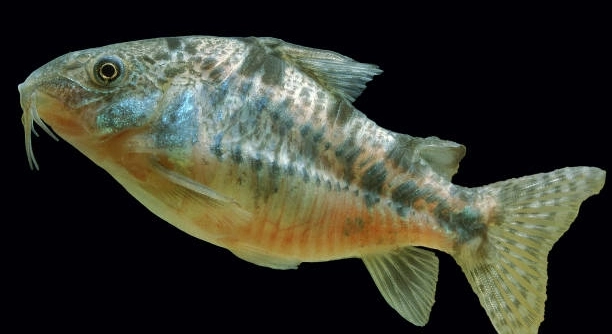
Keeping your Corydoras catfish happy and healthy during aquarium maintenance can be tricky. These small, peaceful fish need special attention to stay comfortable during tank upkeep. It’s important to know how to handle them with care.
During aquarium maintenance, the best way to keep Corydoras catfish comfortable is by minimizing stress. Maintain water quality, reduce handling, and avoid disturbing their environment too much. Ensure that the cleaning process is gentle and thorough.
By following these simple steps, your Corydoras can continue thriving even during necessary maintenance tasks. We’ll explore ways to ease their discomfort and create a stable environment.
Keep Water Quality in Check
Maintaining water quality is crucial for the health of your Corydoras catfish. These fish are very sensitive to changes in their environment, especially poor water conditions. When performing aquarium maintenance, make sure to regularly check the water parameters, such as temperature, pH levels, and ammonia or nitrate levels. Freshwater catfish like Corydoras thrive in stable, clean water that doesn’t fluctuate too much. Regular water changes are essential, but you should avoid making them too large or frequent, as this could stress the fish. Ideally, change 20-30% of the water weekly to keep the tank fresh and healthy for your fish.
A consistent water change routine also helps maintain a balance of beneficial bacteria in the tank. These bacteria are important for breaking down waste, so keeping them stable will prevent unwanted spikes in toxins.
By regularly testing the water and keeping it at optimal levels, you can reduce the risk of illness and keep your Corydoras catfish comfortable. Proper water maintenance ensures that they stay stress-free during cleaning sessions.
Avoid Handling the Fish
Handling Corydoras catfish can stress them out, so it’s best to minimize physical contact during aquarium maintenance. These fish are not accustomed to being touched and can get easily agitated. Instead, focus on cleaning the tank around them.
The more you can keep their environment undisturbed, the better. This can be done by gently vacuuming the substrate and cleaning the filter without disturbing the fish too much. If you need to move them, do so with care and quickly, using a soft net to avoid injuring them.
By keeping handling to a minimum, you’ll reduce stress levels and help your Corydoras stay calm.
Maintain Proper Tank Temperature
Maintaining a stable temperature is key for your Corydoras catfish’s comfort during tank maintenance. These fish prefer water that stays between 72°F and 78°F (22°C to 26°C). When performing maintenance, avoid sudden temperature drops or increases, as this can stress your fish. Use a reliable thermometer to monitor water temperature closely.
A fluctuating temperature can harm your fish’s immune system and overall health. When doing water changes, be cautious not to introduce water that is too cold or too hot. Allow the new water to adjust to the tank’s temperature before adding it, and keep the heater in a stable range.
When the temperature is consistent, your Corydoras will stay more active and less stressed. It’s essential to monitor the temperature regularly and adjust if needed to ensure they’re always in a safe, comfortable environment.
Reduce Light Exposure
Reducing light exposure during aquarium maintenance can help your Corydoras catfish feel more at ease. These fish prefer dim lighting and can become stressed in bright or harsh light. During maintenance, avoid turning on bright lights in the tank, especially if you’re cleaning or changing the water.
Instead, use a dim lamp or rely on natural light if you need extra visibility. Keeping the environment calm and subdued will help reduce stress, allowing your Corydoras to feel secure. Prolonged exposure to bright lights can make your fish feel vulnerable, leading to anxiety or inactivity.
This simple change in lighting can make a big difference in keeping your fish comfortable. When the environment is calm, your Corydoras will feel safe enough to go about their normal activities, reducing their overall stress.
Avoid Overly Frequent Maintenance
Overdoing aquarium maintenance can disrupt your Corydoras catfish’s routine and cause unnecessary stress. It’s important to clean the tank regularly, but excessive cleaning can harm the delicate balance of the ecosystem. Focus on maintaining water quality and only clean when necessary.
Frequent maintenance can also disturb the fish more than needed, especially when it comes to substrate cleaning or filter changes. Give your Corydoras a chance to adapt to the environment without constant interference. Regular but moderate cleaning will ensure the tank stays healthy without overwhelming the fish.
Ensure the Substrate Is Soft
Corydoras catfish are bottom dwellers and enjoy sifting through soft substrates. Hard gravel or sharp materials can injure their sensitive barbels. Use fine sand or smooth gravel to ensure their comfort while they explore the tank floor during maintenance. Soft substrate provides a safe, natural environment.
Soft substrates also help the catfish forage for food more comfortably. The sand allows them to sift through it without harming themselves, and it mimics their natural habitat. Avoid any coarse or jagged stones to prevent injury.
Keep the Filter Clean
A clean filter is vital for maintaining water quality and ensuring the comfort of your Corydoras. Make sure to clean the filter regularly, but avoid over-cleaning, as it can disrupt beneficial bacteria. A well-maintained filter will keep the water free from toxins and help create a stress-free environment.
FAQ
What are the ideal water parameters for Corydoras catfish?
Corydoras catfish thrive in water that is slightly acidic to neutral, with a pH between 6.5 and 7.5. The water temperature should range between 72°F and 78°F (22°C to 26°C). Ammonia and nitrite levels should always be at 0 ppm, while nitrate levels should not exceed 20-30 ppm. Maintaining stable water parameters is crucial for their health and well-being.
It’s also important to regularly test the water for these parameters using reliable test kits. Water changes should be done regularly, ideally around 20-30% weekly, to ensure optimal conditions. By keeping the water parameters in check, you help prevent stress, which can lead to illness or behavioral issues.
How often should I clean my Corydoras catfish tank?
While regular maintenance is important, cleaning too often can disrupt your Corydoras’ environment. It’s best to clean the tank once every week or two, focusing on water changes, removing excess waste, and vacuuming the substrate. Over-cleaning can harm the beneficial bacteria that help keep the tank’s ecosystem balanced.
Don’t clean everything at once. Avoid removing all the gravel or cleaning the filter too frequently, as this can wipe out beneficial bacteria. Instead, clean parts of the tank during each session, allowing the ecosystem to maintain its balance while still providing a clean environment for your catfish.
Can Corydoras catfish live with other fish?
Yes, Corydoras catfish are peaceful and social creatures, so they do well in community tanks with other non-aggressive fish. They are bottom dwellers and tend to stay out of the way of other fish. Corydoras are often kept with small, peaceful fish like tetras, guppies, and rasboras.
It’s essential to avoid placing them with larger or more aggressive fish that might stress them out or even harm them. Also, make sure there are plenty of hiding places in the tank for the Corydoras to feel secure. Their peaceful nature makes them excellent companions for many species.
Do Corydoras need a tank with a lid?
Yes, it’s recommended to have a tank with a lid, especially for Corydoras catfish. While they are not typically jumpers, they can sometimes get startled and leap out of the tank if they feel threatened. A lid also helps keep the water temperature stable and prevents evaporation, which can affect water quality.
A lid also helps maintain a controlled environment, keeping your tank’s conditions constant. This is especially important if you’re doing regular water changes, as a lid helps reduce sudden fluctuations in temperature. It ensures your Corydoras stay safe and comfortable.
How do I prevent my Corydoras catfish from getting stressed during cleaning?
To reduce stress during tank cleaning, avoid disturbing your Corydoras too much. Clean the tank gently and gradually, using a soft net to move the fish if needed. Try to clean areas of the tank in small sections, allowing the catfish to stay in their familiar environment as much as possible.
Make sure the water temperature is stable during cleaning, and avoid using harsh chemicals or strong currents while performing maintenance. By keeping the process calm and non-invasive, your Corydoras will feel safer and less stressed, which is crucial for their health.
Can Corydoras catfish eat algae wafers?
Yes, Corydoras catfish can eat algae wafers, but it should not be their primary diet. They are omnivores, so they enjoy a varied diet of sinking pellets, live or frozen foods, and occasional plant matter. Algae wafers can be a good supplement but should be offered in moderation.
When offering algae wafers, make sure to remove any uneaten portions after a few hours to prevent water quality issues. If your Corydoras is primarily eating algae wafers, consider providing additional protein and vegetables to ensure they get a balanced diet.
Why is my Corydoras catfish staying at the top of the tank?
Corydoras catfish are bottom-dwelling fish, so if they are staying at the top of the tank, it could indicate a problem with the water quality. High levels of toxins like ammonia or nitrite can stress your fish, causing them to swim near the surface to get more oxygen.
Check the water parameters to ensure everything is within the ideal range. If the water quality is good, observe the catfish for signs of illness or distress. If the problem persists, it could be related to another factor, such as temperature changes or tank mates being too aggressive.
How do I know if my Corydoras catfish is healthy?
Healthy Corydoras catfish are active, social, and swim around the bottom of the tank in groups. They should have smooth, undamaged bodies with no visible signs of injury, such as fins with holes or torn skin. Their barbels (whiskers) should be intact and not worn down.
Additionally, healthy Corydoras have a good appetite and are always searching for food on the substrate. If your fish are sluggish, have damaged barbels, or are losing weight, it could be a sign of health issues. Make sure to check water parameters regularly and provide a balanced diet.
Can Corydoras catfish live in a tank with a strong filter?
Corydoras catfish prefer calm waters and may struggle in tanks with very strong currents or filters. While they can tolerate some water movement, excessive flow can stress them and make it difficult for them to swim comfortably.
Choose a filter with adjustable flow rates to create a more gentle current in the tank. You can also place the filter’s outflow near the surface of the water or add decorations to help diffuse the flow. By controlling the water movement, you create a more comfortable environment for your Corydoras catfish.
Final Thoughts
Taking care of your Corydoras catfish during aquarium maintenance is all about creating a stable and stress-free environment. By following some basic guidelines, you can ensure they stay comfortable and healthy. Water quality, temperature, and minimal handling are some of the most important aspects to focus on. Keeping the tank clean while avoiding over-cleaning will maintain a healthy balance in the aquarium, benefiting both your fish and their habitat.
It’s also crucial to consider their tank mates and tank conditions. Corydoras catfish are peaceful bottom dwellers, so it’s important to provide them with a suitable environment. They thrive in community tanks with small, calm fish that don’t disrupt their peaceful nature. The right substrate, proper lighting, and clean, stable water will make a big difference in their overall well-being. Their diet, though simple, should also be varied enough to ensure they get the nutrients they need to thrive.
In the end, maintaining a comfortable environment for your Corydoras catfish requires a balance of regular care, attention to detail, and patience. While these fish are hardy and can adapt to many tank conditions, keeping them free from stress and ensuring their habitat mimics their natural environment will make sure they live long and healthy lives. By staying attentive to their needs during aquarium maintenance, you’re not only helping them survive but thrive in your care.

Hello,
If you enjoy the content that we create, please consider saying a "Thank You!" by leaving a tip.
Every little bit helps us continue crafting quality advice that supports the health, happiness, and well-being of pets around the world, for pets of all shapes, sizes, and species.
We really appreciate the kindness and support that you show us!