
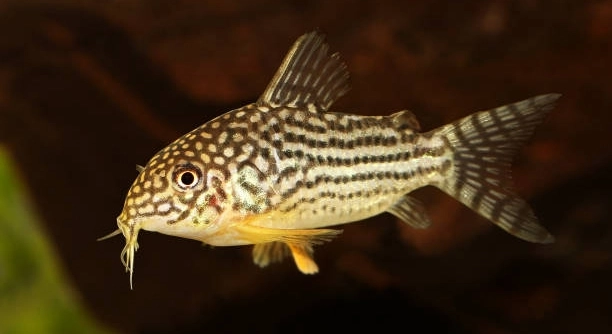
Do you ever find yourself watching your Corydoras catfish dart to the surface more often than usual, unsure why it happens?
The most common reason Corydoras catfish dart to the surface is to gulp air, a natural behavior linked to their labyrinth organ. However, frequent surfacing may indicate low oxygen levels, stress, or water quality issues.
Understanding what triggers this behavior can help improve your catfish’s well-being and create a more stable, healthy aquarium environment.
Theory 1: Low Oxygen Levels in the Tank
Corydoras catfish are equipped with a labyrinth organ that allows them to breathe air from the surface, but they usually do this only on occasion. If your fish are darting up frequently, it might be a sign that oxygen levels in the tank are too low. This can happen in warm water, poorly filtered tanks, or aquariums with minimal surface agitation. When there isn’t enough oxygen in the water, these fish instinctively head to the top for air. You can fix this by improving water circulation, adding an air stone, or adjusting your filter output to create more surface movement.
Quick fixes like opening the lid for better air exchange or lowering the temperature slightly can make a big difference.
A well-oxygenated tank helps reduce stress and supports the natural breathing habits of Corydoras catfish, keeping them comfortable and calm throughout the day.
Theory 2: Sudden Noises or Vibrations
Corydoras catfish can be startled easily by sharp sounds or sudden tank movement.
If their tank is placed near a TV, speakers, or high-traffic area, your Corydoras may dart to the surface in reaction to the vibrations or noise. These quick movements are often part of a startle response and can happen during loud conversations or cleaning activities near the tank. Over time, repeated disturbances can stress the fish, leading to unpredictable swimming patterns. To reduce this, try relocating the tank to a quieter area or cushioning any contact points around it. Soft background noise like bubbling water can also help mask sharp external sounds. Keep your tank stable on a flat surface and avoid tapping the glass. Reducing noise and movement not only keeps your Corydoras calm but also encourages more natural behavior. A peaceful environment supports their well-being and helps them stay active without darting around in distress.
Theory 3: Poor Water Quality
Ammonia, nitrite, or high nitrate levels can lead to stress and strange behaviors like darting to the surface. Corydoras are sensitive to changes and rely on stable, clean water to stay healthy and active.
If the water contains toxins, even in small amounts, your catfish may act erratically. Test your water weekly with an aquarium test kit and aim to keep ammonia and nitrite at 0 ppm, and nitrates below 20 ppm. Regular water changes, usually 25–30% weekly, help maintain safe levels. Use a water conditioner during changes to neutralize chlorine and chloramine. Also, make sure your filter media is rinsed gently in tank water—not tap—so beneficial bacteria aren’t destroyed. If you’ve recently added new fish or overfed, this can spike waste levels quickly. Keeping the substrate clean with occasional vacuuming helps limit waste buildup and supports a stable tank environment for your Corydoras.
Clear, stable water is key to keeping Corydoras calm. Use a thermometer to track water temperature, and avoid sudden changes during water changes. Avoid overfeeding and remove leftover food within a few minutes. Keep an eye on your filter’s performance and don’t let debris clog it. Even a small improvement in water quality can stop unusual swimming behavior.
Theory 4: High Flow Rate
A strong current can overwhelm small fish like Corydoras, especially if the filter output is too powerful. They may dart to the surface looking for calmer areas, trying to escape the water movement.
In tanks with fast-moving water, Corydoras may feel like they’re constantly battling the current. This creates stress and forces them to use more energy than normal, leading to erratic swimming or surface darting. If your filter output is strong, try adding a baffle or redirecting the flow. Placing driftwood or decorations near the output can help break up the current. Watch your fish closely—if they’re always clinging to the bottom or avoiding open water, the flow might be too high. Corydoras prefer slow-moving streams in the wild. Mimicking this helps them feel more comfortable and act naturally. Keeping the flow moderate will reduce stress and allow them to explore the tank with ease and confidence.
Theory 5: Normal Breathing Behavior
Corydoras have a special organ that lets them breathe air from the surface. Darting up occasionally is completely normal and helps them get extra oxygen when needed, especially during rest or after feeding.
If it happens a few times a day without other signs of stress, it’s likely nothing to worry about. Just make sure the tank is clean and oxygen levels are steady.
Theory 6: Lack of Hiding Spots
Without enough hiding spaces, Corydoras may feel exposed and anxious, leading to surface darting or sudden bursts of movement. These fish enjoy low, covered areas like caves, plants, or driftwood to rest and explore comfortably. When they lack secure spaces, they stay on alert and may bolt to the surface if startled. Adding more hiding spots can reduce this behavior and help your fish feel safe in their surroundings.
Theory 7: Poor Tank Mates
Aggressive or overly active fish can make Corydoras feel unsafe. Darting to the surface might be their way of escaping unwanted attention. Choose peaceful tank mates to avoid constant stress.
FAQ
Why does my Corydoras catfish swim to the surface at night?
Corydoras are nocturnal by nature and may swim to the surface at night for oxygen, especially if water quality is poor or the oxygen level drops in the dark. While they are often more active at night, a constant desire to surface could indicate that they’re struggling to get enough air. If this is frequent, check oxygen levels and ensure your tank’s filtration system is working efficiently. It might also help to add an air stone or improve surface agitation to ensure better oxygen distribution.
How can I stop my Corydoras from darting to the surface?
To stop your Corydoras from darting to the surface, focus on stabilizing water conditions. Ensure there’s adequate oxygen in the tank by using a filter with proper water circulation or adding an air stone. Monitor your water quality regularly, checking for ammonia, nitrites, and nitrates, as poor water quality can cause stress. Also, ensure that your tank has enough hiding spots and is free of overly aggressive fish, as stress is often a significant cause of erratic behavior.
Are Corydoras catfish sensitive to changes in water temperature?
Yes, Corydoras are sensitive to changes in water temperature. Rapid fluctuations can cause stress and lead to unusual behavior like darting to the surface. Aim to maintain a stable temperature between 72–78°F (22–26°C). Use a reliable aquarium heater and thermometer to keep things consistent. If you notice your catfish acting strangely after a temperature change, try to stabilize the tank and avoid moving the heater too quickly. Sudden temperature shifts can weaken their immune system and make them more susceptible to illnesses.
Can Corydoras catfish live with other fish?
Corydoras are peaceful, bottom-dwelling fish that generally do well with other non-aggressive species. However, they can get stressed if housed with very active or territorial fish. Aggressive tank mates might chase them or make them feel unsafe, leading to stress behaviors like darting to the surface. Ideal tank mates for Corydoras include other peaceful fish, such as tetras, rasboras, or guppies. Avoid placing them with larger or more aggressive species like cichlids or certain barbs.
How often should I feed my Corydoras catfish?
Corydoras are bottom feeders, and they thrive on a diet of sinking pellets, live or frozen foods like bloodworms or brine shrimp, and occasional vegetables like blanched spinach. You should feed them once or twice a day, but make sure they eat everything within a few minutes to prevent water pollution. Overfeeding can lead to water quality issues and cause stress for your fish. If you see uneaten food, remove it to keep the tank clean and healthy.
Why does my Corydoras stay at the bottom of the tank?
Corydoras are bottom-dwelling fish, and it’s normal for them to spend most of their time near the substrate. However, if they’re staying at the bottom and not moving much, it could indicate stress, poor water conditions, or illness. Check for signs of disease, such as unusual spots, sluggishness, or labored breathing. If no other issues are present, make sure the water is clean, the temperature is stable, and that the tank is properly filtered. Also, ensure your Corydoras have enough hiding spots to reduce stress.
How do I know if my Corydoras are stressed?
Stressed Corydoras may exhibit unusual behaviors, such as darting to the surface, rapid swimming, hiding more than usual, or even lethargy. Physical signs of stress might include faded colors, clamped fins, or irregular swimming patterns. Stress can come from various sources, such as poor water quality, incompatible tank mates, or lack of hiding spots. Reducing stress requires addressing these underlying issues by improving water conditions, adding decorations for shelter, and ensuring the tank environment is peaceful and safe.
What kind of substrate is best for Corydoras?
Corydoras prefer soft, sandy substrate as they like to dig and root around for food. Sharp gravel or rough substrate can injure their barbels, which they use to explore the tank floor. Sand is the best option as it is gentle on their delicate barbels and allows them to sift through it naturally. You can also use smooth gravel or rounded stones, but avoid anything too rough. The key is to provide a comfortable environment where your Corydoras can forage without risk of injury.
Why are my Corydoras catfish swimming in circles?
Corydoras that swim in circles may be experiencing stress, confusion, or poor water quality. It’s a behavior often seen when fish are exposed to high levels of toxins, such as ammonia or nitrites. Check your water parameters immediately. If the water quality is fine, then the behavior might be caused by the tank’s environment, like high flow rates or insufficient hiding spots. This unusual swimming pattern can also signal an underlying health issue, so keep an eye on your fish for other signs of distress.
Can Corydoras live in a tank with low light?
Yes, Corydoras can live in low-light tanks as they are naturally adapted to the murky waters of rivers, where light penetration is low. However, ensure there’s enough light to support live plants if you have any in the tank, as plants need light for photosynthesis. Too much light can lead to algae growth, so a balanced lighting schedule is essential. Corydoras are not reliant on bright light, but a dim, consistent lighting setup creates a more natural environment for them.
Final Thoughts
Corydoras catfish are generally peaceful and hardy creatures, but their behavior can be affected by a range of factors in the aquarium. Darting to the surface is not always a cause for alarm, as it could be part of their normal behavior. However, when this behavior is frequent or accompanied by other signs of stress, it’s important to investigate further. Ensuring the water quality is excellent, maintaining stable temperatures, and providing enough hiding spaces can go a long way in keeping your Corydoras happy and healthy.
If your Corydoras continue to dart to the surface despite your efforts to improve the environment, consider checking the oxygen levels in the tank. Corydoras are sensitive to low oxygen conditions, and the surface darting could be a sign that they are struggling to breathe properly. In such cases, using an air stone or improving water movement can help. It’s also a good idea to keep an eye on their tank mates to ensure no aggressive behavior is causing unnecessary stress.
Ultimately, the key to managing this behavior is understanding your fish’s needs and creating a balanced and stable environment. Corydoras thrive in tanks that mimic their natural habitat, with clean, well-oxygenated water and a peaceful community. By paying attention to their specific needs, you can prevent surface darting and ensure your Corydoras remain healthy and active for years to come.

Hello,
If you enjoy the content that we create, please consider saying a "Thank You!" by leaving a tip.
Every little bit helps us continue crafting quality advice that supports the health, happiness, and well-being of pets around the world, for pets of all shapes, sizes, and species.
We really appreciate the kindness and support that you show us!