
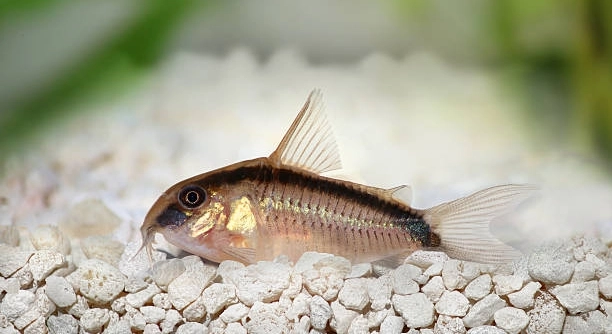
Corydoras catfish are popular aquarium pets known for their peaceful nature. However, weight loss can sometimes occur, leading to concerns about their health. Understanding the reasons behind this change is essential for their well-being.
The primary causes of weight loss in Corydoras catfish include poor water conditions, inadequate diet, or underlying health issues. Stress from other tankmates or environmental changes may also contribute to their weight loss. Monitoring these factors is crucial for prevention.
Identifying these potential issues will help maintain a healthy aquarium environment and support your Corydoras catfish’s overall well-being.
Poor Water Quality
Water quality is a critical factor that affects the health of Corydoras catfish. Dirty or improperly maintained water can cause stress, which leads to weight loss. High ammonia, nitrite, or nitrate levels are particularly harmful to fish. These toxins can damage gills and internal organs, making it harder for your catfish to absorb nutrients. Regular water changes and proper filtration are essential to keep your aquarium in top condition. In addition, test your water frequently to ensure it remains within safe parameters for your fish.
Keeping the water clean will help your catfish thrive. Regular maintenance is key to their well-being and can prevent several health problems.
To maintain optimal water quality, perform partial water changes every week or as needed. Ensure that your filtration system is efficient and clean. Use water test kits to monitor ammonia, nitrite, and nitrate levels. If levels rise, take action immediately by changing the water or improving the filtration system. Maintaining proper water conditions also encourages healthy behavior and prevents unnecessary stress, which is crucial for keeping your Corydoras catfish in good health.
Inadequate Diet
A poor diet can lead to malnutrition, which often results in weight loss. Corydoras catfish are bottom feeders that require a varied diet, including high-quality sinking pellets, live or frozen food, and occasional vegetables. Offering only one type of food can lead to deficiencies. Be sure to provide a balanced diet to meet all their nutritional needs.
Feeding your catfish a variety of foods ensures they get the necessary nutrients for growth and health. It also adds variety to their diet, preventing them from becoming disinterested in their meals.
A high-quality, nutrient-rich diet is necessary to support your Corydoras catfish’s immune system and overall health. In addition to pellets, supplement their meals with live or frozen food like bloodworms, brine shrimp, or daphnia. Offer small pieces of blanched vegetables such as zucchini or spinach for variety. Overfeeding should also be avoided, as it can lead to water quality problems, but underfeeding can also cause weight loss and weaken the catfish. Adjust their food intake based on their size and activity level. A balanced, diverse diet is essential for maintaining their weight and health.
Stress from Tankmates
Stress caused by aggressive or overly active tankmates can lead to weight loss in Corydoras catfish. When fish are constantly chased or bullied, they use energy to escape rather than eating or resting. This behavior can result in reduced food intake, making it harder for the fish to maintain a healthy weight.
Aggressive fish, such as certain cichlids or faster swimmers, may intimidate Corydoras catfish, preventing them from feeding properly. It is crucial to carefully select compatible tankmates that are calm and peaceful to avoid such stress. Additionally, ensure your tank provides plenty of hiding spaces and territories for your catfish to retreat to when needed.
Corydoras catfish are naturally peaceful and thrive in calm environments. Stress from tankmates can severely affect their health. It’s best to keep them with other peaceful species that don’t compete for food or space. If you notice signs of aggression, consider rearranging the tank layout or introducing more hiding places. Proper tankmate selection is essential for reducing stress and supporting the well-being of your Corydoras catfish. Monitoring their behavior and adjusting the tank setup accordingly can improve their overall health and help prevent weight loss.
Illness or Infection
Illnesses or infections can cause weight loss in Corydoras catfish by affecting their ability to absorb nutrients. Common infections like parasites, bacterial, or fungal diseases can make your fish lethargic and reduce their appetite. Early detection and treatment are crucial for preventing further weight loss and complications.
If your catfish becomes less active, has discolored patches, or shows signs of physical damage, it may be suffering from an infection. It’s important to act quickly by isolating the affected fish in a quarantine tank and seeking treatment with the appropriate medication. Not all illnesses are visible at first, so keep a close eye on their behavior and appearance.
Providing a clean and stable environment is essential for preventing infections. Regular water changes, maintaining proper water quality, and quarantining new fish before introducing them to the main tank can help reduce the chances of spreading diseases. If your Corydoras catfish shows any signs of illness, consult with an aquarium professional or veterinarian for proper diagnosis and treatment.
Overcrowding
Overcrowding in an aquarium can cause stress and competition for resources, leading to weight loss in Corydoras catfish. Too many fish in a small space can result in poor water quality, reduced food availability, and increased aggression. This can prevent your catfish from eating properly.
If there are too many fish in the tank, consider relocating some to another tank or upgrading to a larger one. Ensuring that there is enough space for each fish will help minimize stress and allow your Corydoras to feed and move freely. A spacious environment is crucial for maintaining a healthy fish population.
Aquariums should not be overcrowded, as this can lead to multiple problems. Each fish needs enough space to swim and find food. When tank space is limited, fish are forced to compete for resources, which may lead to malnutrition and weight loss. Maintaining an appropriate number of fish based on tank size is essential for creating a healthy and stress-free environment.
Water Temperature
Corydoras catfish are sensitive to changes in water temperature, which can negatively affect their health. Too high or too low water temperatures can lead to stress, reduced appetite, and weight loss. Keep the tank temperature stable between 72-78°F (22-26°C) for optimal health.
If the temperature fluctuates too much, your catfish might become lethargic and stop feeding. Use a reliable aquarium heater with a thermostat to maintain a steady temperature. Regularly check the water temperature to ensure consistency. Keeping the water at the right temperature reduces stress and supports healthy feeding habits.
Lack of Hiding Spots
Corydoras catfish are shy and need places to hide. Without enough hiding spots, they may feel exposed and stressed, which can result in weight loss. It’s important to include caves, plants, or rocks in the tank to provide security and comfort for your fish.
FAQ
What are the signs that my Corydoras catfish is losing weight?
Weight loss in Corydoras catfish is often noticeable when their body becomes visibly thinner, and their stomach area appears sunken. They may also become less active, spending more time hiding. You might notice that the fish is eating less or not at all. If these symptoms persist, it’s essential to examine their diet and environment to identify the underlying cause.
How can I ensure my Corydoras catfish is getting the right nutrition?
To ensure your Corydoras catfish receives proper nutrition, offer a varied diet consisting of high-quality sinking pellets, live or frozen food, and occasional vegetables. Avoid offering only one type of food, as it may lead to nutrient deficiencies. Feeding multiple small meals throughout the day will also help them maintain a healthy weight.
Can Corydoras catfish eat pellets?
Yes, Corydoras catfish can eat sinking pellets. These pellets are designed to reach the bottom of the tank, where Corydoras typically forage. It’s essential to choose pellets that are appropriate for their size and ensure they are made with high-quality ingredients to meet their nutritional needs.
How often should I feed my Corydoras catfish?
Corydoras catfish should be fed small portions 2-3 times a day. Overfeeding can lead to water quality issues, while underfeeding can result in malnutrition and weight loss. Monitor their eating habits, and adjust feeding times as needed. Ensure that food is consumed within a few minutes to avoid it decomposing in the water.
What water conditions do Corydoras catfish need?
Corydoras catfish require clean water with stable parameters. The ideal pH range is 6.0-7.5, and the water temperature should be kept between 72-78°F (22-26°C). Ammonia, nitrites, and nitrates should always be monitored and kept within safe levels to prevent stress and disease, which can lead to weight loss.
Is it necessary to have a filter for my Corydoras catfish tank?
Yes, a good filter is essential to maintain water quality in the tank. It helps remove debris, waste, and toxins that could affect your Corydoras catfish’s health. A filter also helps maintain oxygen levels in the water, which is crucial for your fish’s overall well-being. Regular maintenance of the filter is equally important.
Can stress cause Corydoras catfish to lose weight?
Yes, stress can contribute to weight loss in Corydoras catfish. Stress factors such as poor water quality, overcrowding, aggressive tankmates, or sudden environmental changes can cause them to stop eating, leading to malnutrition and weight loss. Reducing stress factors and providing a stable environment is key to preventing these issues.
How can I reduce stress in my Corydoras catfish?
To reduce stress in your Corydoras catfish, make sure the tank is appropriately sized and avoid overcrowding. Choose peaceful tankmates that won’t intimidate them, and provide plenty of hiding spots like caves, plants, or decorations. Maintain consistent water conditions, and avoid sudden changes in temperature or pH.
Can Corydoras catfish get sick from poor water quality?
Yes, poor water quality can lead to various health problems for Corydoras catfish. High levels of ammonia, nitrite, or nitrate can cause damage to their gills and internal organs, leading to illness and weight loss. Regular water changes, proper filtration, and water testing are essential for keeping your fish healthy.
What is the best tank size for Corydoras catfish?
A minimum tank size of 20 gallons is recommended for a small group of Corydoras catfish. More space is better, as it allows them to move freely and reduces stress. Adequate space helps maintain better water quality and ensures the fish are not overcrowded, promoting healthier eating habits and behavior.
Are Corydoras catfish sensitive to temperature changes?
Yes, Corydoras catfish are sensitive to temperature fluctuations. Sudden changes in water temperature can cause stress, lower their immune system, and lead to weight loss. Keep the water temperature between 72-78°F (22-26°C) for optimal health, and use a reliable aquarium heater to maintain consistency.
What are common diseases that affect Corydoras catfish?
Corydoras catfish are susceptible to a range of diseases, including external parasites, fungal infections, and bacterial diseases. Common signs include discoloration, lesions, or swelling. If you notice any unusual behavior or physical symptoms, isolate the affected fish and seek appropriate treatment.
How can I tell if my Corydoras catfish has an internal parasite?
Internal parasites in Corydoras catfish can cause symptoms like weight loss, bloating, or a change in stool consistency. The fish may appear lethargic or have trouble swimming. If you suspect an internal parasite, it’s important to quarantine the fish and treat them with medication designed for internal parasites.
Can Corydoras catfish live with shrimp?
Yes, Corydoras catfish can live with shrimp, as they are generally peaceful and don’t pose a threat to them. However, ensure that the shrimp are large enough to avoid becoming prey, as some fish species may try to eat smaller shrimp. Additionally, maintain good water quality to support both species.
How do I prevent my Corydoras catfish from being bullied?
To prevent bullying, ensure your Corydoras catfish have ample space and hiding spots. Keep them with peaceful tankmates that won’t chase or intimidate them. Avoid aggressive species such as larger cichlids or fast-moving fish. Monitor interactions to prevent aggression and provide a calm, secure environment for all tank inhabitants.
Should I quarantine new Corydoras catfish before adding them to the tank?
Yes, quarantining new fish for at least two weeks before adding them to the main tank is essential. This helps prevent the spread of potential diseases or parasites to your existing fish. It also allows you to monitor the new fish for any signs of illness or stress before introducing them to the aquarium.
Can overfeeding cause weight loss in Corydoras catfish?
Overfeeding can lead to poor water quality due to uneaten food decomposing in the tank. This, in turn, can stress your Corydoras catfish, causing them to stop eating or become sick. It’s essential to feed them only as much as they can consume in a few minutes to avoid food waste and maintain healthy water conditions.
Can Corydoras catfish survive in brackish water?
Corydoras catfish are freshwater fish and are not suited for brackish water. While some species may tolerate slight salinity, it is not ideal for most Corydoras. Keeping them in freshwater conditions ensures they thrive and stay healthy, preventing stress and other complications that can arise from living in brackish water.
Final Thoughts
Maintaining a healthy weight for your Corydoras catfish is essential for their overall well-being. By monitoring their diet, water conditions, and behavior, you can ensure that they remain in optimal health. If your catfish starts losing weight, it’s important to act quickly and address any potential issues, such as poor nutrition, stress, or health problems. Regular water changes, a balanced diet, and careful attention to their environment will help prevent weight loss and other health complications.
If your Corydoras catfish does experience weight loss, don’t panic. Start by checking their diet to ensure it’s varied and nutritious. Add sinking pellets, live or frozen food, and vegetables to provide a balanced diet. Next, take a closer look at their living conditions, as poor water quality or unsuitable tankmates can contribute to stress and weight loss. Make sure the tank has enough space for all inhabitants and is free of aggressive fish that may cause harm. Lastly, keep an eye on their behavior. If they seem lethargic or stop eating, it’s a clear indication that something might be wrong.
Taking preventive measures is the best way to keep your Corydoras catfish healthy and thriving. Regular water testing, good filtration, and a consistent feeding schedule will help maintain stable conditions that prevent weight loss. If issues arise, addressing them promptly can avoid long-term damage. By ensuring your catfish have the proper care, they will continue to live happily in your aquarium for years to come.

Hello,
If you enjoy the content that we create, please consider saying a "Thank You!" by leaving a tip.
Every little bit helps us continue crafting quality advice that supports the health, happiness, and well-being of pets around the world, for pets of all shapes, sizes, and species.
We really appreciate the kindness and support that you show us!