
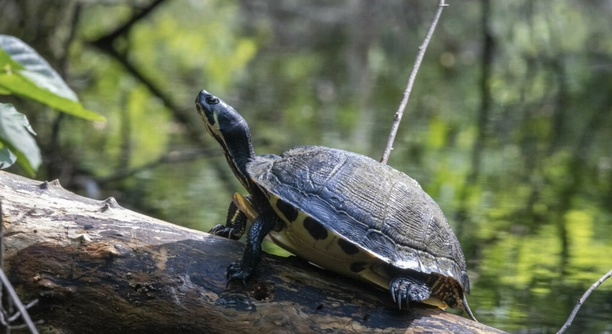
A yellow-bellied slider is a popular pet, but managing its tank can sometimes be tricky. One common issue is the unpleasant smell of ammonia in the water, which can affect both the tank environment and the health of your turtle.
Ammonia smell in a yellow-bellied slider tank is primarily caused by waste buildup, decaying food, and poor filtration. The presence of these elements leads to the release of ammonia, which contaminates the water and creates an unpleasant odor.
Understanding how to manage these factors will help maintain a healthier tank and improve the well-being of your yellow-bellied slider.
Understanding Ammonia in Your Yellow-Bellied Slider Tank
Ammonia is a byproduct of organic waste that builds up in your turtle’s tank. When your yellow-bellied slider eats, it produces waste, both solid and liquid, which breaks down in the water. The breakdown of food debris and uneaten pellets also contributes to ammonia. If the water is not filtered effectively, this waste accumulates. As the ammonia levels rise, the water becomes toxic, which can affect the health of your turtle. It’s essential to regularly clean the tank and replace the water to keep ammonia levels under control. Without proper care, the ammonia can quickly become harmful.
Water quality plays a significant role in maintaining the tank’s health. High ammonia levels can stress your turtle, leading to possible skin issues or respiratory problems. The main way to address ammonia buildup is to improve filtration and perform regular water changes to ensure the ammonia is diluted.
In addition to water changes, having a good filtration system in place is crucial. Filtration helps remove excess waste and ammonia, keeping the water cleaner for longer. A filter that is too small or ineffective can allow ammonia to build up, so choosing the right filter is important. You also need to monitor the water temperature and ensure it stays at an optimal level, as bacteria that break down waste are more effective in warmer water. Adding live plants to your tank can help as well, as plants can absorb some of the ammonia and improve the water quality.
Cleaning and Maintenance Tips for Ammonia Control
Regular maintenance can prevent ammonia buildup. This includes cleaning your turtle’s tank, replacing the water, and checking filtration systems.
By keeping the tank clean and ensuring proper filtration, you’ll be able to reduce ammonia and improve the overall health of your yellow-bellied slider. These simple steps can go a long way in maintaining a balanced, healthy tank.
The Role of Filtration in Ammonia Control
A good filtration system is key to reducing ammonia in the tank. It works by breaking down waste before it can create harmful levels of ammonia. Make sure your filter is appropriately sized for the tank, as a small filter won’t be effective at keeping the water clean.
Filters remove not only waste but also debris and uneaten food, preventing the buildup of ammonia. It’s essential to clean or replace the filter media regularly. If the filter becomes clogged or dirty, it can’t perform its job efficiently, allowing ammonia to accumulate. Regular checks and maintenance of the filtration system will help avoid ammonia problems.
The right filter size is important. If your tank is too large for the filter, it will not be able to handle the waste load. For a yellow-bellied slider, a filter rated for at least twice the size of your tank is recommended. Also, consider a filter with a biological filtration component. This type of filter helps grow beneficial bacteria that break down ammonia naturally.
Managing Tank Size and Stocking Density
Stocking density, or how many turtles or other creatures you have in your tank, impacts ammonia levels. Overcrowding increases waste production and ammonia buildup. If you have more than one turtle, be sure to increase the size of the tank and filtration system.
Larger tanks allow more water volume, which helps dilute ammonia and maintain water quality. It’s crucial to avoid overcrowding, as the waste from multiple turtles can quickly overwhelm the filter. An overcrowded tank will require more frequent water changes to keep ammonia levels under control. To ensure proper stocking, allow at least 10 gallons of water per adult yellow-bellied slider.
In addition to tank size, the presence of other species in the tank can also affect ammonia levels. Smaller species like fish can add to the waste load, so their numbers must be kept in check. Be mindful of the overall stocking density in your tank to keep ammonia levels manageable.
The Importance of Water Changes
Regular water changes are essential in keeping ammonia levels in check. When you replace a portion of the water, you dilute the ammonia, lowering its concentration. Changing about 25-30% of the water every week can prevent the buildup of harmful levels.
Consistency is key when it comes to water changes. Skipping water changes or doing them too infrequently can lead to rapid ammonia buildup. When doing a water change, be sure to use a water conditioner to remove chlorine or chloramine, which can harm your turtle.
Choosing the Right Substrate
The substrate in your turtle’s tank can also affect ammonia levels. Some substrates, like gravel or sand, can trap waste and debris, creating areas where ammonia can accumulate. Choosing a substrate that’s easy to clean is important for preventing this issue.
Consider a smooth substrate like river rocks or tile, which are easier to clean and don’t trap as much waste. Regular cleaning of the substrate is necessary to maintain water quality. If you use a substrate that traps waste, be sure to vacuum the bottom regularly to remove buildup.
The Role of Plants
Live plants can help absorb ammonia and improve water quality. Plants like anacharis or water hyacinth are known to absorb excess nutrients, including ammonia, helping to balance the tank. These plants also provide hiding spots for your turtle.
In addition to improving water quality, plants can create a more natural and enriching environment for your turtle. They help oxygenate the water and can reduce stress by offering hiding spots. However, be mindful of the types of plants you choose, as some may not be suitable for turtles.
FAQ
Why does my yellow-bellied slider tank smell like ammonia?
Ammonia smells occur when waste, uneaten food, and debris break down in the tank. The buildup of these elements, combined with inadequate filtration, leads to an increase in ammonia levels, which creates the unpleasant odor. Regular water changes and a proper filtration system are essential to manage ammonia levels.
How often should I change the water in my yellow-bellied slider tank?
It’s recommended to change 25-30% of the water every week. This helps dilute ammonia and other harmful substances that build up in the water. Consistent water changes keep the tank environment healthy for your turtle and reduce the chance of foul odors.
What is the best filter for a yellow-bellied slider tank?
The best filter is one that is rated for at least twice the size of your tank. A filter with biological, mechanical, and chemical filtration capabilities will keep the water clean and remove waste. Make sure to clean or replace the filter media regularly to maintain its efficiency.
Can live plants help reduce ammonia in the tank?
Yes, live plants can help absorb ammonia and other waste products. Plants like anacharis, java moss, and water hyacinth are excellent choices. They not only reduce ammonia levels but also help oxygenate the water and provide hiding spots for your turtle.
How do I know if the ammonia level in the tank is too high?
Ammonia levels can be checked with an aquarium test kit. If the ammonia levels are higher than 0.5 ppm, the water is unsafe for your turtle. Symptoms of high ammonia include lethargy, difficulty breathing, and skin irritation. If you notice these signs, perform an immediate water change.
Can too many turtles in a tank cause ammonia buildup?
Yes, overcrowding increases the waste load in the tank, which leads to higher ammonia levels. Each turtle produces waste, and if the tank is too small, the filtration system may not be able to keep up. It’s important to provide at least 10 gallons of water per adult yellow-bellied slider.
How does tank size affect ammonia levels?
A larger tank helps dilute ammonia, making it less likely to reach harmful levels. The bigger the tank, the more space there is for the water to absorb the waste. If the tank is too small, ammonia can build up more quickly and become toxic.
What can I do if my filter isn’t reducing ammonia?
If your filter isn’t doing its job, check its size and cleaning schedule. Make sure the filter is rated for your tank size and clean the media regularly. If the filter is still ineffective, consider upgrading to a stronger filter. You may also need to adjust the water temperature or use additional filtration methods.
Is it necessary to use a water conditioner in my tank?
Yes, using a water conditioner is important, especially if you use tap water. Tap water often contains chlorine or chloramine, which can harm your turtle. A water conditioner removes these chemicals, making the water safe for your yellow-bellied slider.
Can I add fish to my yellow-bellied slider tank?
While fish can be added to a turtle tank, they should be monitored closely. Turtles are often not compatible with fish, as they may try to eat them. If you choose to keep fish, ensure the tank is large enough to handle the waste load and that the fish are not too small.
How can I reduce the risk of ammonia spikes after feeding my turtle?
To reduce ammonia spikes, remove any uneaten food after feeding. Leftover food decomposes and contributes to ammonia buildup. It’s best to feed your turtle small amounts at a time to ensure that it eats everything within a few minutes.
Do I need a specific type of substrate for my yellow-bellied slider tank?
Avoid substrates that trap debris, such as gravel or sand, as they can contribute to ammonia buildup. Use smooth, non-porous substrates like river rocks or tiles, which are easier to clean and don’t trap waste. Regular substrate cleaning is also necessary to maintain water quality.
Can adding a protein skimmer help with ammonia?
A protein skimmer is typically used in saltwater tanks and may not be necessary for a yellow-bellied slider tank. However, adding additional filtration, like a biological filter, can help break down waste and reduce ammonia. It’s better to focus on a good filtration system and regular maintenance.
How can I tell if my turtle is stressed by ammonia levels?
Signs of stress from high ammonia levels include lethargy, loss of appetite, excessive basking, and difficulty swimming. If you notice these behaviors, test the water for ammonia and perform a water change immediately. High ammonia levels can also cause skin lesions or respiratory issues.
Can I use a UV sterilizer to control ammonia in my tank?
A UV sterilizer helps reduce harmful microorganisms in the water but does not directly address ammonia buildup. It can be useful in maintaining overall water quality but should be used in conjunction with proper filtration and regular water changes to manage ammonia levels effectively.
How does temperature affect ammonia levels in a turtle tank?
Water temperature plays a role in ammonia breakdown. Higher temperatures can speed up the breakdown of organic matter, leading to faster ammonia buildup. Keeping the water temperature within the ideal range for your turtle (75-85°F) ensures proper filtration and bacterial activity to manage ammonia levels.
What can I do if my yellow-bellied slider is showing signs of ammonia poisoning?
If your turtle is showing signs of ammonia poisoning, such as red or swollen eyes, difficulty breathing, or lethargy, immediately perform a large water change to dilute ammonia levels. Remove any uneaten food and improve filtration. If symptoms persist, consult a veterinarian for advice.
Do water changes alone solve the ammonia problem?
While water changes are crucial for reducing ammonia, they alone may not completely solve the problem. A good filtration system, proper tank size, and correct stocking density are essential for keeping ammonia at safe levels. Regular maintenance of these systems is necessary for long-term water quality.
Is it safe to use ammonia-removing chemicals in my turtle tank?
Ammonia-removing chemicals may provide a temporary solution, but they should not replace proper tank maintenance. Over-reliance on chemicals can lead to imbalances in the water chemistry. It’s best to address the root cause of ammonia buildup through better filtration, regular water changes, and proper tank care.
Final Thoughts
Maintaining a healthy tank for your yellow-bellied slider is essential to keeping them happy and thriving. The presence of ammonia in the tank often signals that waste is building up faster than it can be filtered out. This buildup, if left unchecked, can lead to health problems for your turtle. Regular water changes, proper filtration, and monitoring the water quality are all necessary steps in reducing ammonia levels. Ensuring your tank is appropriately sized for your turtle and any other creatures in the tank will also help maintain a stable environment.
In addition to cleaning and water changes, consider the role of live plants in your tank. Certain plants can help absorb excess ammonia, contributing to a cleaner environment. Plants also provide enrichment for your turtle, offering hiding spots and additional areas to explore. While ammonia-removing chemicals might provide a temporary fix, they should not replace proper maintenance practices. It’s better to focus on addressing the root causes of ammonia buildup, such as insufficient filtration or overfeeding, rather than relying solely on chemical solutions.
By staying on top of tank maintenance, you can prevent ammonia problems before they become a major issue. It’s important to regularly test the water to catch any ammonia spikes early. Keep an eye on your turtle’s behavior and health as well. Signs of ammonia poisoning, such as lethargy or difficulty breathing, should be addressed immediately with water changes and proper tank cleaning. A combination of good filtration, regular water changes, and a properly maintained environment will ensure that your yellow-bellied slider remains healthy and comfortable in its habitat.

Hello,
If you enjoy the content that we create, please consider saying a "Thank You!" by leaving a tip.
Every little bit helps us continue crafting quality advice that supports the health, happiness, and well-being of pets around the world, for pets of all shapes, sizes, and species.
We really appreciate the kindness and support that you show us!