
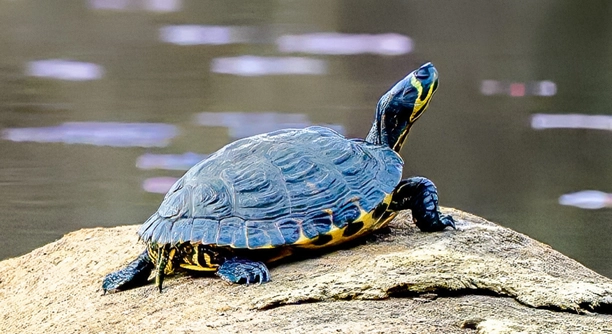
Creating a garden pond that’s perfect for yellow-bellied sliders requires careful planning and attention. These turtles need specific elements to thrive in a safe and comfortable environment. Setting up the right pond can be a rewarding project.
To create a yellow-bellied slider-friendly garden pond, you should focus on proper water depth, basking areas, and aquatic plants. Ensure the pond has clean, filtered water and provides both sun and shade for the turtles to thrive.
Taking these steps will give your slider the best environment. Continue reading to discover how to create an ideal habitat for your turtle.
Choosing the Right Pond Location
When selecting a location for your yellow-bellied slider pond, you need to consider sunlight and shade balance. These turtles enjoy basking in the sun but also need shaded areas to cool off. The pond should be placed where it will get around 6 hours of sunlight a day, with some areas that provide refuge from the heat.
The area should be easily accessible for cleaning and maintenance. Avoid spots where water runoff from nearby areas could pollute the pond. The placement should allow you to maintain the water quality without much disruption. Keep in mind that the pond should be far enough from tree branches to prevent leaves from clogging the water, yet still offer enough shade during the hottest parts of the day.
Once the location is chosen, ensure the pond is level to prevent water from draining out. This setup can prevent stress on the turtles and maintain water levels consistently.
Building the Pond Structure
Once you’ve selected the location, it’s time to build your pond. Focus on creating a structure that mimics the turtle’s natural habitat. The pond should include shallow areas for basking and deeper areas for swimming.
Ensure the pond’s materials are safe for aquatic life. Non-toxic liners and natural rocks will create a more inviting space for the turtle to enjoy. A secure barrier around the edge will prevent the turtle from escaping, especially if there are predators in the area. You can choose from various materials like fiberglass, concrete, or rubber, but ensure the pond is sturdy and durable. The structure should be stable enough to withstand any weather conditions.
Water Depth and Filtration
Yellow-bellied sliders need a variety of water depths. A pond should have shallow areas for basking, along with deeper spots for swimming. A depth of 18 to 24 inches is ideal for the turtles, while deeper areas can range from 30 to 36 inches.
Water filtration is crucial for maintaining a clean environment. A good filter will help remove debris and prevent algae buildup. Opt for a filter rated for at least twice the pond’s volume to ensure proper circulation. It will keep the water clear and provide a healthier environment for the turtles. Regular maintenance of the filtration system will keep the pond in top condition, ensuring your slider stays happy and healthy.
A UV light filter can also be beneficial. It helps control algae growth by breaking down harmful bacteria. This creates a cleaner, healthier habitat for your turtle to thrive in. Always monitor the water conditions, as yellow-bellied sliders are sensitive to poor water quality.
Adding Plants for Shelter and Food
Aquatic plants provide food and shelter for yellow-bellied sliders. Choose plants that can grow both underwater and above the surface. Water lilies and water hyacinths are great options. They also help oxygenate the water, which is beneficial for the turtles.
Additionally, aquatic plants create hiding spots for your turtle to feel safe. This is especially important if you plan to have multiple turtles or if your pond attracts predators. The plants give the turtles places to retreat, helping reduce stress. Keep the plants trimmed to ensure they don’t overcrowd the pond.
Turtles are natural foragers, so plants like duckweed can offer an extra food source. However, make sure they don’t overpower the pond or restrict swimming areas. An even balance of plant life enhances the pond’s overall health while providing natural enrichment for your slider.
Providing a Basking Area
A solid basking area is a must for yellow-bellied sliders. This allows them to dry off, regulate their body temperature, and absorb UV rays. A flat rock or platform that sits above the water works best.
Make sure the basking area is easily accessible from the water. Turtles need to climb onto it without difficulty. You can use natural materials like rocks or wood to create a platform. Ensure it’s positioned where the turtle can get sunlight but also has shaded spots to cool off.
The basking area should be large enough for your slider to move around comfortably. It should be stable, dry, and safe for them to use.
Pond Maintenance
Maintaining your pond is crucial for your turtle’s health. Regular cleaning is necessary to avoid algae buildup and keep the water fresh. You should remove debris and check the water filter at least once a week.
It’s important to monitor the pond’s water levels, too. Evaporation or water loss can affect the pond’s health and your turtle’s environment. Keep an eye on any changes in water temperature, clarity, and smell. If anything seems off, clean the pond immediately and replace the water.
Temperature Control
Temperature control is vital for your turtle’s well-being. Yellow-bellied sliders thrive in water temperatures between 75°F and 85°F. Using a water heater can help regulate the pond’s temperature during cooler months. Make sure to avoid extremes.
Keep the air temperature around 70°F to 80°F, as this will help the turtle stay comfortable. During hot summer months, provide shaded areas for the slider to rest and cool down. A balanced temperature ensures your turtle remains healthy and active in its pond.
FAQ
How often should I clean the pond?
Cleaning the pond should be done regularly to ensure the health of your yellow-bellied slider. It’s recommended to perform a full cleaning once a month. This includes removing debris, cleaning the filter, and checking the water’s clarity. In addition, spot cleaning should be done weekly to remove any visible waste or algae buildup. Regular maintenance prevents the spread of harmful bacteria and keeps the water fresh for your turtle.
What should I feed my yellow-bellied slider?
Yellow-bellied sliders are omnivores, so their diet should include a mix of vegetables, fruits, and protein. You can feed them commercial turtle food, which is formulated for their nutritional needs. Supplement their diet with fresh vegetables like lettuce, kale, and aquatic plants, along with fruits such as strawberries and bananas. Occasionally, offer them protein sources like earthworms, small fish, or cooked chicken. Be sure to avoid feeding them high-fat foods, as this can lead to health problems.
Do I need to provide UVB lighting for my turtle?
Yes, UVB lighting is important for your yellow-bellied slider’s health. UVB rays help them synthesize vitamin D3, which is essential for calcium absorption and shell development. If your turtle spends time outdoors in natural sunlight, they may get enough UVB exposure. However, if your slider is kept indoors, you should provide UVB lighting. Place a UVB bulb above the basking area to ensure they can get enough light. Make sure the light is replaced every six months, as its effectiveness diminishes over time.
Can I keep multiple yellow-bellied sliders in the same pond?
Yes, you can keep multiple yellow-bellied sliders in the same pond, but it requires careful planning. Ensure the pond is large enough for each turtle to have its own space. A crowded pond can lead to stress, fighting, and competition for basking spots. The rule of thumb is to provide about 10 gallons of water per turtle. Also, ensure that there are plenty of basking areas and hiding spots to reduce territorial disputes. Monitoring their behavior is essential to ensure they are getting along.
How deep should the pond be?
The depth of your pond should vary to accommodate both swimming and basking. The minimum recommended depth is 18 to 24 inches, but deeper areas, ranging from 30 to 36 inches, will give your yellow-bellied slider room to swim and dive. Shallow areas are necessary for basking, so make sure there is a transition from deep to shallow water for ease of movement. Proper water depth prevents your turtle from feeling cramped and allows them to swim freely.
How do I prevent algae growth in the pond?
Algae growth is a common issue in garden ponds, but there are ways to manage it. The key is maintaining good water quality and proper filtration. Install a high-quality filter that circulates water and removes organic matter. Adding aquatic plants can also help, as they compete with algae for nutrients. Avoid overfeeding your turtle, as uneaten food can lead to excess nutrients in the water, promoting algae growth. Regular cleaning and water changes will also help keep the algae under control.
Is it okay for my turtle to live in a pond during winter?
Yellow-bellied sliders are cold-blooded, meaning they rely on external temperatures to regulate their body heat. During the winter months, it’s important to ensure that the water temperature doesn’t drop too low. In colder climates, you should bring your turtle indoors or use a pond heater to maintain a stable water temperature between 75°F and 85°F. If you keep your turtle outside in the winter, make sure the pond does not freeze, as this can harm your slider. Provide plenty of hiding spots for warmth and protection.
How do I create a safe environment for my turtle in the pond?
To create a safe environment for your turtle, focus on preventing predators from accessing the pond. Fencing around the pond can help protect against animals like raccoons and birds. Keep the pond free of harmful chemicals by using non-toxic materials for the pond liner and decorations. Additionally, make sure the edges of the pond are sloped, so the turtle can easily climb in and out without risk of injury. Regularly check the water for any signs of contamination and maintain clean, fresh water.
What if my turtle isn’t eating?
If your yellow-bellied slider is not eating, there could be several reasons. Stress from environmental changes, poor water quality, or overcrowding could cause a decrease in appetite. First, check the water parameters, including temperature and filtration, to ensure they are within the proper range. Stress can also be caused by predators or other tank mates. If the issue persists, consider consulting a veterinarian to rule out any underlying health problems. A temporary loss of appetite may occur during hibernation or shedding, but a prolonged lack of eating is a concern.
How do I introduce new turtles to my pond?
When introducing new turtles to the pond, it’s important to do so gradually. Start by placing the new turtle in a separate enclosure next to the pond so they can get used to each other’s scent. After a few days, allow the new turtle to enter the pond, but monitor their interactions. Ensure there is enough space for both turtles, with plenty of basking spots and hiding places. Keep a close eye on any signs of aggression and be prepared to separate them if needed.
Final Thoughts
Creating a yellow-bellied slider-friendly garden pond can be a rewarding experience. These turtles thrive in environments that mimic their natural habitats, so it’s essential to provide them with the right conditions. By ensuring proper water quality, temperature, and basking areas, you can create a comfortable and healthy space for your slider. Regular pond maintenance is crucial to avoid health issues and to keep your turtle safe. If you’re new to keeping turtles, understanding their needs and behavior will help you make the right choices.
When setting up the pond, consider both the aesthetic and functional aspects. While it’s important to have an attractive pond, it’s equally vital to meet the specific needs of your turtle. A pond that offers ample swimming space, secure basking spots, and access to clean, UVB-lighted areas will support the health and well-being of your yellow-bellied slider. Also, remember that their environment should be adaptable to changes in the weather, as turtles require stable conditions year-round.
Lastly, caring for yellow-bellied sliders means committing to their long-term health. They live for many years, so setting up a proper pond is not just about creating a space for them to enjoy now but ensuring their comfort for the future. Consistent maintenance, proper feeding, and a well-designed pond will help your turtle thrive. When done right, your garden pond will be a place for your yellow-bellied slider to flourish and live a long, healthy life.

Hello,
If you enjoy the content that we create, please consider saying a "Thank You!" by leaving a tip.
Every little bit helps us continue crafting quality advice that supports the health, happiness, and well-being of pets around the world, for pets of all shapes, sizes, and species.
We really appreciate the kindness and support that you show us!