
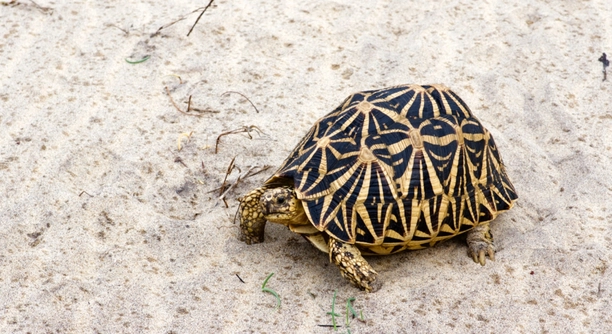
Turtles are fascinating pets, but sometimes they display odd behavior, like twitching. It can be confusing to understand why your turtle might do this. It’s important to figure out what’s going on so they stay healthy.
Turtles twitch for various reasons, including stress, environmental changes, or even a sign of illness. It’s important to observe their overall behavior and health to pinpoint the cause. Ensuring proper care can help prevent these issues.
Understanding why your turtle is twitching can guide you in making adjustments to their care. Taking the right steps will help you keep your turtle comfortable and happy.
Reasons Your Turtle Might Be Twitching
Twitching in turtles can be caused by several factors, including stress, improper environment, or health problems. When turtles feel stressed, they may exhibit unusual behaviors like twitching or rapid movements. This could be because of environmental changes, such as sudden temperature shifts or inadequate lighting. Turtles are sensitive to their surroundings, so it’s important to make sure their habitat is stable and comfortable. Additionally, stress can arise from handling, loud noises, or being placed in a space with too much activity. If a turtle’s living conditions aren’t right, twitching may be one of the signs of discomfort.
Make sure your turtle has the right temperature, proper lighting, and quiet surroundings. This will help reduce any stress-related behavior.
When stress is the cause of twitching, providing a calm environment is key. Check if your turtle has access to the correct temperature range and basking areas. Ensure that your turtle’s space is not overcrowded or too loud. Regular, peaceful interaction with them can also help lower anxiety. If they seem to relax and stop twitching, the problem might have been the stress.
Health Issues That Can Cause Twitching
If your turtle continues twitching despite the right environment, health issues may be at play. Twitching could be a sign of neurological problems, parasites, or even a vitamin deficiency. Vitamin E and calcium deficiencies can impact their muscle control, leading to twitching or abnormal movements. Illnesses like respiratory infections, parasites, or injuries may also affect their motor functions. If there are any signs of swelling, discharge, or unusual movements, it’s important to consult with a vet immediately.
Ignoring health-related issues can make things worse. Make sure to keep an eye on your turtle’s overall behavior and appearance.
A visit to the vet is essential if your turtle’s twitching is accompanied by other symptoms. A professional can help identify any nutritional deficiencies or medical conditions. Common signs that something is wrong include lack of appetite, weight loss, or unusual lethargy. Regular check-ups and a proper diet are important to maintain your turtle’s health. A vet can help treat the issue and give advice on how to adjust care accordingly.
Temperature and Lighting Issues
Improper temperature and lighting are common reasons for twitching in turtles. If their habitat is too cold or too warm, it can stress them out. Turtles need specific temperature ranges to stay healthy, and the wrong environment can lead to muscle spasms or twitching. Check if their basking area and water temperature are within the recommended range for their species.
A basking light should provide warmth, while a UVB light is essential for vitamin D3 production. Without UVB light, your turtle may develop metabolic bone disease, which can affect their muscles and cause twitching. Ensure your turtle’s environment is balanced with both heat and UVB to avoid these issues.
If your turtle’s enclosure is too dark or too hot, they may become more stressed. Using thermometers to monitor the temperature and timers for the lights can help maintain a stable environment. Adjusting the lighting schedule can also prevent overstimulation. A well-lit, warm habitat promotes healthy activity and reduces the chances of twitching due to environmental factors.
Stress from Handling
Turtles are sensitive to stress, especially from excessive handling. If they’re picked up or moved around too much, it can lead to twitching. While some turtles can tolerate occasional handling, it’s important to keep it to a minimum to avoid upsetting them. Continuous handling can cause anxiety, leading to behaviors like twitching or hiding.
Reducing handling and giving your turtle space can help them feel more secure. Place them back in their enclosure immediately after short interactions and let them explore at their own pace. When they feel threatened or uncomfortable, they may show signs like twitching. Avoid loud noises or sudden movements that could stress them further.
By allowing your turtle to adjust at their own pace and only handling them when necessary, they’ll feel more at ease. Respecting their need for peace and quiet ensures they remain comfortable and reduces the risk of stress-related behaviors like twitching. Regularly observing your turtle will help you identify when they’re more sensitive to stress.
Poor Diet and Nutritional Deficiencies
A poor diet can lead to twitching in turtles. When they don’t get enough of the right nutrients, such as calcium or vitamin E, it affects their muscles and overall health. Ensure your turtle gets a balanced diet with both plant and animal matter to avoid these issues.
Without proper nutrition, turtles may develop muscle spasms or twitching as their bodies try to compensate for the lack of essential nutrients. Offering a variety of foods like leafy greens, worms, and high-quality turtle pellets can help meet their nutritional needs. Avoid feeding them too much processed food or high-fat treats.
Providing the right vitamins and minerals can prevent deficiencies that lead to twitching. Supplements may be necessary for some species, especially if they aren’t eating a wide range of food. Keep their diet varied, and consider consulting a vet if you suspect they’re lacking in certain nutrients.
Parasites and Infections
Parasites or infections in turtles can lead to twitching or abnormal movements. Parasites can affect their nervous system, while infections may cause discomfort or internal issues that affect their motor skills. Keep an eye out for any changes in behavior, such as lack of appetite or lethargy.
If your turtle is twitching and showing other symptoms, a visit to the vet is crucial. Parasites like worms or external infestations can lead to twitching. A vet will diagnose the problem and offer treatments to eliminate the parasites. Keeping their living area clean can help prevent future infestations.
Regular check-ups and a clean, hygienic environment are key to preventing infections or parasites. Turtle tanks should be cleaned regularly, and any signs of illness should be addressed promptly to prevent worsening symptoms. Maintaining good hygiene helps your turtle stay healthy and free from parasites that can cause twitching.
Environmental Changes
Changes in your turtle’s environment can lead to stress, causing twitching. Whether it’s moving to a new tank, a change in temperature, or alterations to their feeding schedule, turtles are sensitive to shifts in their surroundings. They may react with twitching if they feel uncertain or unsafe.
When making changes, ensure that everything in the enclosure is adjusted gradually. This includes lighting, water temperature, and the types of decorations or hiding spots available. Providing consistency can help your turtle feel secure and reduce the likelihood of twitching from sudden changes.
Consider introducing new changes one at a time, allowing your turtle time to adjust. Providing a stable environment with familiar elements helps minimize stress and prevents twitching caused by feeling out of place or unsettled.
FAQ
Why is my turtle twitching its head?
Head twitching in turtles can happen for several reasons. It could be due to stress, discomfort, or even a sign of illness. When turtles feel stressed, they may twitch their heads or display unusual movements. This could be from a change in their environment, such as improper lighting, temperature, or too much handling. If the head twitching is paired with other symptoms like lethargy, a loss of appetite, or abnormal swimming, it’s important to check with a vet to rule out any health issues like neurological problems or infections.
Is it normal for my turtle to twitch its legs?
Leg twitching in turtles can be normal, especially if it’s a brief movement, but it could also indicate something more serious. If your turtle has been sitting in one position for too long, its muscles might twitch as a response to muscle fatigue. However, consistent twitching or spasms, particularly if your turtle seems to be in pain, could be related to a nutritional deficiency, such as a lack of calcium or vitamin E. In some cases, it may also indicate neurological issues. If twitching persists, a vet consultation is recommended.
How can I tell if my turtle is stressed?
Turtles may show signs of stress in various ways, such as twitching, hiding more than usual, or swimming frantically. Stress in turtles can be caused by several factors, including improper temperature, lighting, or handling. Turtles that are stressed might refuse to eat, stay in one corner of the tank, or show signs of aggressive behavior. If you notice these signs along with twitching, it’s a good idea to reassess their environment and make any necessary adjustments to create a calmer, more comfortable space.
Can a vitamin deficiency cause my turtle to twitch?
Yes, a vitamin or mineral deficiency can cause your turtle to twitch. Vitamin E and calcium are particularly important for a turtle’s muscle and nerve function. A lack of these nutrients can lead to muscle spasms, twitching, or weakness. You can prevent this by offering a well-balanced diet that includes leafy greens, animal protein, and specially formulated turtle food. If you’re concerned your turtle is not getting enough nutrients, consult with a vet about possible supplements or dietary changes.
What should I do if my turtle is twitching and not eating?
If your turtle is twitching and not eating, it may be a sign of illness or stress. The lack of appetite could be due to various reasons, such as an infection, parasitic infestation, or environmental issues like improper water temperature or lighting. Start by reviewing your turtle’s habitat to ensure the temperature and lighting are correct. If there are no improvements or if the symptoms continue, it’s best to take your turtle to a vet to address any health concerns.
Can parasites cause my turtle to twitch?
Parasites can indeed cause twitching in turtles. External parasites like mites or internal parasites can affect their nervous system, leading to abnormal movements. Infected turtles may also show other symptoms such as lethargy, weight loss, or a lack of appetite. Regular cleaning of the tank and ensuring that your turtle has access to clean water can help prevent parasites. If you suspect your turtle has parasites, a visit to the vet is necessary to diagnose and treat the issue.
How can I prevent twitching in my turtle?
Preventing twitching starts with ensuring your turtle’s environment is safe and comfortable. This includes maintaining the correct water temperature, providing UVB lighting, and ensuring your turtle’s diet is balanced and nutritious. Additionally, avoid handling your turtle too much, as excessive handling can cause stress. Regularly monitor your turtle’s behavior for any signs of discomfort, and keep their tank clean to avoid parasites. If your turtle seems to be twitching despite these efforts, consider consulting a vet to rule out any health issues.
What are the signs that my turtle is sick?
In addition to twitching, signs that your turtle may be sick include a lack of appetite, lethargy, unusual swimming behavior, or changes in the way they breathe. If your turtle has swollen eyes, nasal discharge, or skin lesions, these could also indicate an underlying illness. Illnesses such as respiratory infections or metabolic bone disease are common in turtles, and it’s important to seek veterinary care if any of these symptoms are present. Early detection and treatment are key to ensuring your turtle’s health.
How do I check if my turtle’s lighting is correct?
Turtles need both heat and UVB light to stay healthy. To check if your turtle’s lighting is correct, use a thermometer to measure the basking area’s temperature, which should be between 85°F and 90°F. The water temperature should be between 75°F and 80°F. UVB lights should be used for 10-12 hours a day to mimic natural sunlight. If you’re unsure if the UVB light is working properly, consider replacing it every six months, as the effectiveness diminishes over time, even if the light is still visible.
Can I use regular lights for my turtle’s tank?
Regular lights, such as incandescent or fluorescent bulbs, are not a substitute for the specialized heat and UVB bulbs turtles need. UVB light is essential for vitamin D3 synthesis, which helps turtles absorb calcium. Without UVB light, your turtle may develop metabolic bone disease, which can cause twitching, weakness, and deformities. It’s important to use a proper UVB light specifically designed for reptiles, along with a basking light for warmth.
What should I do if my turtle keeps twitching despite proper care?
If your turtle continues to twitch even after you’ve adjusted their environment and diet, it’s time to seek professional help. Persistent twitching could be a sign of an underlying medical issue, such as a neurological disorder, infection, or vitamin deficiency. A vet can perform tests to determine the cause of the twitching and recommend a treatment plan. It’s important to address the issue promptly to prevent any further complications.
Final Thoughts
Turtles are unique creatures that require careful attention to their environment and health. When your turtle starts twitching, it’s important to first assess the situation. Twitching can be caused by many factors, from stress to improper lighting, diet, or even health issues. Sometimes, a small change in their living conditions can make a big difference in their behavior. If you notice your turtle twitching, the first step is to check the temperature, lighting, and cleanliness of their tank. Ensuring their environment is stable and comfortable can help reduce stress and prevent twitching caused by environmental factors.
If adjusting their environment doesn’t resolve the twitching, it may be time to look into their diet and overall health. A balanced diet rich in vitamins and minerals is essential for keeping your turtle’s muscles and nerves in good condition. A lack of calcium or vitamin E, for example, can cause twitching and other health issues. Offering a variety of foods and considering supplements can help maintain your turtle’s well-being. If the twitching continues despite proper care, it’s crucial to consult a veterinarian to rule out any health problems, such as infections or parasites.
In the end, understanding the reasons behind your turtle’s twitching and addressing them early can help ensure their long-term health and happiness. Regular observation of their behavior, along with proper care, will keep your turtle comfortable and reduce the chances of any unusual movements or discomfort. Whether it’s a simple environmental fix or a more complex health issue, paying attention to your turtle’s needs is the best way to help them thrive. If you’re ever in doubt, seeking professional advice from a vet will give you peace of mind and ensure your turtle is well taken care of.

Hello,
If you enjoy the content that we create, please consider saying a "Thank You!" by leaving a tip.
Every little bit helps us continue crafting quality advice that supports the health, happiness, and well-being of pets around the world, for pets of all shapes, sizes, and species.
We really appreciate the kindness and support that you show us!