
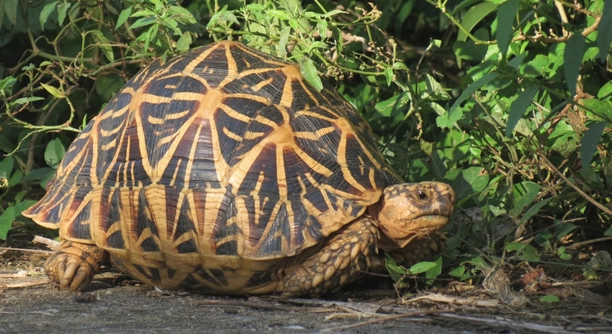
Turtle tanks require regular maintenance to ensure a clean and healthy environment. Whether you’re a new turtle owner or looking for better practices, knowing the right cleaning tips can make all the difference in their well-being.
Regular cleaning is essential to maintaining a healthy turtle tank. The best cleaning tips include removing debris, cleaning the filter, changing the water, scrubbing surfaces, and ensuring proper water quality. These actions prevent bacteria buildup and promote a healthy environment.
Taking proper care of your turtle tank will improve your turtle’s living conditions and enhance their overall health.
Remove Debris Regularly
Removing debris from your turtle tank should be part of your weekly routine. Leaves, uneaten food, and waste can quickly accumulate, creating an unhealthy environment. Use a small net to scoop out floating debris and a gravel vacuum to clean the substrate. This helps prevent excess organic matter from breaking down into harmful substances that can affect water quality.
Over time, uneaten food and waste left in the tank can result in harmful bacteria growth. These bacteria can cause infections and other health issues for your turtle. By cleaning the debris regularly, you also help maintain clearer water, which benefits both the turtle and the overall tank environment.
A clean tank promotes better water quality, allowing your turtle to thrive in a healthy habitat. It also reduces the workload when performing deeper cleans, making the process easier and more manageable.
Clean the Filter Frequently
Changing the filter media often ensures proper filtration. A clean filter will prevent the buildup of harmful waste and maintain water clarity.
When cleaning the filter, be sure to follow the manufacturer’s instructions to avoid damaging it. Clean the filter media in water removed from the tank to preserve beneficial bacteria. If the filter isn’t functioning well, it can lead to dirty water and other issues, making cleaning more difficult. Clean the filter every 2-4 weeks, depending on the size of the tank and the number of turtles. Remember that a clogged filter may also contribute to poor water circulation, further affecting water quality. Maintaining proper filtration is key for keeping the water clean and safe for your turtle.
Change the Water Regularly
Changing the water in your turtle tank is crucial for maintaining a healthy environment. Depending on the size of the tank and the number of turtles, aim to replace 20-30% of the water each week.
Frequent water changes help remove waste, toxins, and excess nutrients that can build up over time. This prevents the growth of harmful bacteria and keeps the water clean for your turtle. It also prevents the water from becoming too acidic or alkaline, which can negatively impact your turtle’s health.
Make sure the water temperature and pH are balanced before adding it back into the tank. Always use dechlorinated water to avoid harmful chemicals that can irritate your turtle’s skin and eyes. Keeping water conditions stable promotes better health for your turtle and enhances their overall living experience.
Scrub the Tank’s Surfaces
Regularly scrubbing the surfaces of the tank keeps algae and bacteria from taking hold. Use a soft brush or sponge to gently scrub the tank walls.
Algae can grow quickly, especially if the tank is exposed to natural light. Scrubbing the tank’s surfaces helps remove algae buildup and keeps the environment clean. Pay close attention to corners and other areas where debris may collect, as these spots can be breeding grounds for bacteria.
Use a gentle, non-toxic cleaner or just warm water to scrub the surfaces. Harsh chemicals can harm your turtle or alter water chemistry. Cleaning the tank’s surfaces regularly will help prevent the growth of algae and keep the environment fresh for your turtle.
Check the Tank’s Temperature
The water temperature in your turtle tank should be kept consistent. The ideal range is typically between 75°F and 80°F, depending on the species of turtle.
Fluctuating temperatures can stress your turtle and affect their immune system. Use a reliable aquarium thermometer to monitor the temperature regularly. Avoid placing the tank in direct sunlight, as it can cause temperature spikes. A steady temperature promotes a healthy and comfortable environment for your turtle.
Monitor Water Quality
Regularly checking water quality is essential for a healthy tank. Test for ammonia, nitrites, and nitrates, as these can harm your turtle if levels rise too high.
A proper filtration system helps manage water quality, but testing ensures you catch issues early. Poor water quality can lead to skin problems or respiratory infections in turtles. Use test kits available at pet stores to check water parameters and ensure they stay within safe ranges. Regularly adjusting the filtration or doing partial water changes can help maintain stable water conditions.
Use the Right Substrate
Choosing the right substrate for your turtle tank can aid in cleaning and provide a natural environment. Avoid using substrates that are too fine, as they can make cleaning harder.
Sand, gravel, or river rocks are commonly used, but they require regular cleaning to prevent debris from building up. Some turtles may ingest the substrate, so choose an appropriate size to avoid choking hazards. The right substrate can enhance your turtle’s habitat and make tank maintenance easier with regular cleaning.
FAQ
How often should I clean my turtle tank?
You should clean your turtle tank every week. This includes removing debris, scrubbing the surfaces, and checking water quality. A partial water change should also be done every 1-2 weeks to maintain clean and healthy water. If you have more turtles or a smaller tank, you might need to clean more frequently.
Can I use regular tap water for my turtle tank?
Tap water often contains chlorine or chloramine, which can harm your turtle. Always use a water conditioner to remove these chemicals before adding water to the tank. It’s essential to maintain safe water conditions for your turtle’s health. Using dechlorinated water helps prevent skin irritation and other health issues.
What should I do if my turtle’s shell looks dirty or stained?
If your turtle’s shell looks dirty or stained, gently scrub it with a soft brush. Do not use any harsh chemicals, as they could irritate your turtle. If stains persist, it may be a sign of poor water quality, so be sure to clean the tank and check the water parameters. Regular tank maintenance can help prevent this problem.
How do I prevent algae growth in my turtle tank?
Algae thrive in tanks with excess light and nutrients. To prevent algae growth, avoid placing your tank in direct sunlight. Regularly scrub the surfaces and perform partial water changes. A good filtration system helps keep water clean and reduces the nutrients that feed algae growth.
Is it okay for my turtle to have a filter with a strong current?
Turtles prefer calm waters, so a filter with a strong current might stress them out. Choose a filter with adjustable flow, or select a model designed for turtle tanks. If the current is too strong, create areas of low flow where your turtle can rest comfortably.
Do I need to clean the filter media in my turtle tank?
Yes, cleaning the filter media is necessary to ensure proper filtration. However, never clean the filter media in tap water, as it can kill the beneficial bacteria that help break down waste. Use water from the tank to clean the filter media and maintain the bacteria colony.
How can I tell if my turtle tank water is healthy?
To ensure your turtle’s water is healthy, test for ammonia, nitrites, and nitrates regularly. These should be kept at zero levels for a safe tank environment. pH levels should be monitored to stay within the proper range for your turtle species. Clear water and the absence of strong odors are also good signs of water health.
What temperature should the water in a turtle tank be?
The water temperature should typically range between 75°F and 80°F. Some species might require slightly higher or lower temperatures, so check the specific needs of your turtle. Use a reliable aquarium heater and thermometer to maintain a consistent temperature, as temperature fluctuations can stress your turtle.
Do I need a basking light for my turtle?
Yes, turtles need a basking light to regulate their body temperature and help with the synthesis of Vitamin D3. Ensure the basking area is heated to 85°F to 90°F, and provide a UVB light to help your turtle absorb calcium and maintain a healthy shell.
Can I use rocks or sand as substrate for my turtle tank?
You can use rocks or sand as substrate, but make sure they are large enough that your turtle won’t accidentally ingest them. Smaller substrate materials can be harmful if swallowed. Additionally, keep the substrate clean and remove debris regularly to maintain a healthy tank environment.
Final Thoughts
Cleaning a turtle tank may seem like a challenging task, but with regular care and attention, it becomes manageable. By following a cleaning routine, you can maintain a healthy environment for your turtle. This not only ensures their well-being but also helps reduce the growth of harmful bacteria and algae. A clean tank provides your turtle with a safe space to thrive, keeping their shell and overall health in top condition.
Water quality is one of the most important aspects of turtle tank care. Regular water changes, testing for harmful chemicals, and using dechlorinated water all contribute to a stable, safe environment for your turtle. Additionally, the right filtration system is essential for keeping the water clean, as it helps remove debris and waste. Don’t forget to monitor water temperature and pH levels to maintain a balance that suits your turtle’s needs.
Maintaining the tank’s surfaces, substrate, and filter is also crucial. Regular scrubbing helps prevent algae build-up, and choosing the right substrate makes cleaning easier. Over time, cleaning becomes part of a routine that keeps the tank fresh and ensures your turtle has the best living conditions. With these tips, you can create a comfortable and healthy habitat for your turtle, allowing them to enjoy a long and happy life in their tank.

Hello,
If you enjoy the content that we create, please consider saying a "Thank You!" by leaving a tip.
Every little bit helps us continue crafting quality advice that supports the health, happiness, and well-being of pets around the world, for pets of all shapes, sizes, and species.
We really appreciate the kindness and support that you show us!