
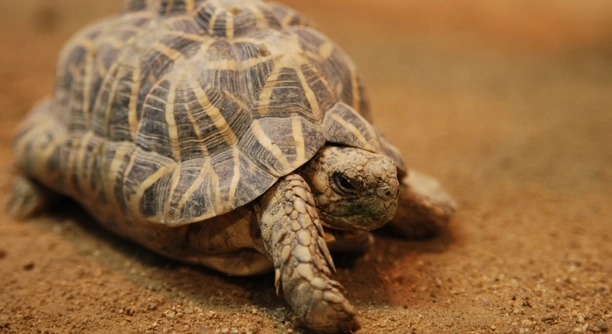
Turtles are fascinating creatures, but sometimes their behavior can be puzzling. One such behavior that often leaves owners scratching their heads is when their turtle tries to climb the heater.
The most common reason turtles climb the heater is due to the attraction of warmth. Turtles are cold-blooded, so they seek out heat sources to regulate their body temperature. Climbing can be a sign of discomfort or an attempt to find a better spot for basking.
Understanding why your turtle behaves this way can help you provide a more comfortable and safe environment for your pet. It’s essential to consider the factors contributing to this behavior.
Why Turtles Need Heat
Turtles are cold-blooded animals, meaning they can’t regulate their own body temperature. To stay healthy, they need an external heat source, which is often why they seek out the warmth of heaters. In their natural habitat, turtles bask in the sun to warm themselves. This helps them digest food, stay active, and maintain their overall health. If your turtle is constantly trying to climb the heater, it’s likely trying to get closer to a source of heat that it feels is necessary for its well-being. Turtles can sometimes become overly focused on finding heat if it’s not properly provided.
Heat is crucial to a turtle’s survival. Without it, they could experience a weakened immune system, trouble digesting food, and other health problems. Therefore, it’s essential to make sure your pet has an appropriate basking area with the correct temperature.
You might also notice that your turtle’s behavior becomes more extreme in colder months. This is because turtles rely even more heavily on warmth during the colder seasons. If your tank temperature isn’t right, your turtle may feel the need to find heat in other ways, such as climbing the heater.
What Causes Excessive Climbing?
If a turtle is climbing the heater constantly, it may not only be a sign of seeking warmth but also frustration. Turtles need space to move around, and if their habitat is too small or lacks proper basking areas, they might resort to climbing on anything they can find. While heaters are designed to warm up the tank, they may not offer the ideal basking conditions your turtle needs. A basking platform positioned near the heat source is a better solution for your turtle to feel comfortable. Without proper basking space, your turtle may begin climbing the heater in search of relief.
Turtles naturally want to regulate their body temperature, so it’s not uncommon for them to try climbing up heaters, walls, or any surfaces that might bring them closer to heat. The behavior can also be a sign that their habitat isn’t set up well, causing stress and confusion for your pet. If your turtle is struggling to find the warmth it needs in its tank, the heater can quickly become an object of attraction, as the turtle attempts to satisfy its need for heat.
The Right Temperature for Your Turtle
Turtles thrive in specific temperature ranges, and getting the basking area just right is key. The water temperature should be around 75-80°F, and the basking area needs to reach 85-90°F. If it’s too cold, your turtle will keep looking for warmth, possibly leading to unwanted behavior like climbing heaters.
A proper basking spot should be equipped with a heat lamp to maintain the necessary warmth for your turtle. Without the right setup, your turtle may constantly be trying to climb the heater to get closer to the heat. Using a thermometer to check both the water and basking areas can help you maintain the correct temperatures consistently.
If you notice your turtle climbing more often than usual, it might be because the basking area is too cold. Ensure that your heat lamp is in good condition and providing the right amount of warmth. If the lamp is faulty or too far from the basking platform, your turtle may not be able to get the warmth it needs.
Tank Setup and Space Considerations
Turtles need enough space to roam and explore. If their tank is too small, they may become frustrated and seek out heat sources like the heater. It’s essential to provide a tank large enough to allow your turtle to move freely and comfortably. A cramped environment leads to stress and unhealthy behavior.
A tank that is too small can make your turtle feel trapped, so it’s important to ensure they have plenty of room to swim and bask. Along with space, adding hiding spots and accessories like plants or rocks can give your turtle a sense of security and reduce unwanted behavior. Turtles, like many pets, need more than just food and water; they need a tank that allows them to exhibit natural behaviors.
Make sure there are no obstacles preventing your turtle from reaching the basking spot or heater. If they can’t get close enough to the heat, they may resort to climbing. With a spacious and well-designed setup, your turtle will be more likely to feel comfortable and less inclined to climb the heater.
Water Quality and Its Effects
Water quality can also impact your turtle’s behavior. Poor water conditions can stress your turtle, making it more likely to engage in unusual activities like climbing the heater. Keeping the water clean is essential for its health and comfort.
Regularly check the water’s temperature, pH levels, and cleanliness to maintain a healthy environment. Turtles are sensitive to changes in their habitat, and dirty water can lead to stress, causing them to seek out heat sources in an attempt to escape discomfort. Proper filtration and water changes are key.
Proper Diet and Digestion
A balanced diet is vital for your turtle’s well-being. Inadequate nutrition can lead to digestive issues, causing your turtle to act out. If they feel unwell or sluggish, they may look for heat as a way to feel better.
Proper feeding habits can also contribute to a calmer turtle. Make sure your turtle’s diet is rich in nutrients and appropriate for its species. This includes providing both plant and animal matter, depending on what your turtle requires. A turtle with the right diet will be more likely to behave normally and spend time basking rather than climbing heaters.
Tank Accessories and Heat Source Position
Where you place your heat source is as important as the temperature itself. A heat lamp should be positioned in a way that allows your turtle to easily access the warmth without having to climb on the heater. Make sure the lamp is not too far from the basking platform.
It’s crucial to position the heat lamp above the basking area and not too close to the heater. This ensures your turtle can comfortably bask without resorting to climbing. The heat should be directed to a designated area where your turtle can fully enjoy its warmth without struggle.
FAQ
Why does my turtle keep climbing the heater?
Your turtle may be climbing the heater in search of warmth. Turtles are cold-blooded, meaning they rely on external heat sources to regulate their body temperature. If the water in their tank or the basking area is too cold, your turtle will seek out a heat source like the heater. This behavior is often a sign that the temperature in their environment isn’t optimal. Check the water temperature and basking area to ensure they fall within the correct range.
How can I stop my turtle from climbing the heater?
The best way to stop your turtle from climbing the heater is by ensuring it has access to an appropriate basking area. Make sure the basking spot is at the right temperature and easily accessible. The basking area should be equipped with a heat lamp to provide the necessary warmth. Additionally, ensure the water temperature is around 75-80°F. Regularly monitor the temperature in both areas with a thermometer to prevent your turtle from feeling the need to climb the heater for warmth.
Is my turtle in distress if it’s climbing the heater often?
Frequent climbing can be a sign that your turtle is stressed or uncomfortable. It may be trying to find a better heat source or trying to escape a poorly set-up tank. Stress in turtles can be caused by environmental factors like improper tank size, incorrect temperatures, or poor water quality. Regularly check your turtle’s habitat to ensure it is a comfortable, safe space for your pet. Addressing the root cause of the behavior can prevent your turtle from feeling the need to climb the heater as often.
What temperature should I maintain in my turtle’s tank?
Turtles need a temperature range that mimics their natural habitat. The water temperature should be kept between 75-80°F, and the basking area should reach 85-90°F. Using a reliable thermometer for both the water and basking areas is essential. If the basking area is too cold, your turtle may try to climb the heater to find warmth. Also, consider the type of turtle you have, as different species have slightly varying temperature preferences.
How can I tell if my turtle is too cold?
Signs of a cold turtle include sluggish movement, lack of appetite, and staying in the water for extended periods without basking. If your turtle is constantly hanging around the heater or seeking out warmer areas, it could be an indication that the tank is too cold for its comfort. A cold turtle may also be less active and more likely to spend time at the bottom of the tank. Monitoring the water and basking area temperatures will help ensure that your turtle doesn’t get too cold.
Can a heater hurt my turtle?
If the heater is placed too close to the turtle or is malfunctioning, it can pose a risk. A heater that gets too hot can burn your turtle’s skin or cause other harm. It’s important to use an appropriate heater designed for aquarium use and to make sure it’s installed properly. Place the heater in a position where your turtle can’t easily access it. Always check the temperature regularly to avoid overheating, which can be just as harmful as being too cold.
Should I provide a separate heat source for my turtle’s basking area?
Yes, providing a separate heat source for the basking area is essential for your turtle’s health. While the tank heater keeps the water warm, the basking area needs to have a heat lamp to provide warmth that your turtle can directly absorb. The heat from the basking light will help your turtle regulate its body temperature and support proper digestion. Make sure the basking area is positioned under the light, so your turtle can bask comfortably.
How often should I clean my turtle’s tank to prevent heater climbing?
Cleaning your turtle’s tank regularly is important to maintain a healthy environment and prevent stress. A clean tank reduces the chances of your turtle feeling uncomfortable, which could lead to climbing the heater. Aim to clean the tank and change the water at least once a week, depending on the size of the tank and number of turtles. You should also clean the filter regularly to keep the water clear and healthy. A well-maintained tank makes it easier for your turtle to feel at ease and reduces the likelihood of unwanted behavior.
What if my turtle keeps trying to climb despite the right temperature?
If your turtle is still trying to climb the heater despite the right temperature, it could be due to other factors such as tank size, boredom, or stress. Turtles need enough space to move around and explore. A tank that is too small can cause frustration and lead to climbing. Additionally, providing accessories like hiding spots, plants, or rocks will give your turtle enrichment and help reduce boredom. Addressing these factors can help your turtle feel more secure and less likely to climb the heater.
Can I use a heat mat for my turtle’s tank?
While heat mats can be used for certain reptile species, they are not ideal for turtles. Heat mats provide heat from underneath, which may not reach your turtle effectively. Turtles prefer basking under direct heat, which a heat lamp can provide. Heat mats may also raise the temperature in certain areas of the tank, which can make it harder to maintain a consistent and safe temperature for your turtle. Using a heat lamp positioned above the basking area is the most effective way to meet your turtle’s heat needs.
Final Thoughts
Turtles are unique creatures with specific needs when it comes to their environment. The behavior of climbing the heater is often linked to their need for warmth, as they are cold-blooded animals that rely on external heat sources to regulate their body temperature. If your turtle is climbing the heater frequently, it may be trying to find the right warmth to stay healthy and active. This behavior can be avoided by making sure your tank is set up properly, with both the water and basking areas at the correct temperatures. Ensuring that your turtle has access to the warmth it needs will help reduce its desire to climb the heater.
However, climbing the heater may also be a sign of stress or discomfort. If your turtle’s tank is too small, lacks proper basking spots, or has poor water quality, your pet may feel the need to explore other areas in search of relief. A well-designed tank setup is crucial for your turtle’s well-being. Make sure the tank is large enough, with a proper basking area, heat lamp, and clean water. This will not only help keep your turtle comfortable but also reduce unwanted behaviors like climbing the heater. By regularly monitoring the temperature and the overall environment, you can ensure that your turtle feels safe and secure in its habitat.
It’s also important to pay attention to the other factors that can affect your turtle’s behavior. A balanced diet, proper tank accessories, and a clean living space all play a role in keeping your turtle healthy and happy. When you address the root causes of heater climbing, whether it’s due to temperature issues or environmental stress, you’ll be able to provide a much more stable and comfortable home for your turtle. By maintaining the right conditions and observing your pet’s needs, you can prevent climbing behaviors and ensure a long, healthy life for your turtle.

Hello,
If you enjoy the content that we create, please consider saying a "Thank You!" by leaving a tip.
Every little bit helps us continue crafting quality advice that supports the health, happiness, and well-being of pets around the world, for pets of all shapes, sizes, and species.
We really appreciate the kindness and support that you show us!