
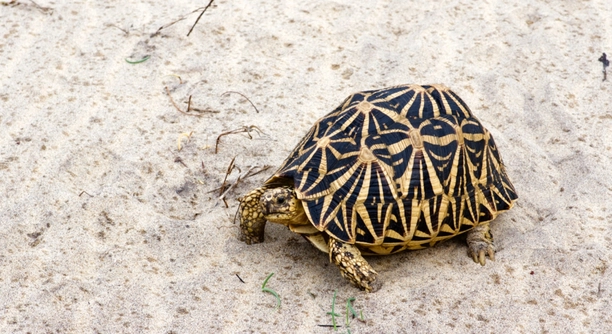
Turtles, whether in the wild or as pets, need safe hiding spots to feel secure and relaxed. Their natural instincts lead them to seek shelter when they feel threatened or stressed.
The best hiding places for turtles include areas like natural shelters in the wild or well-placed hides in captivity. A turtle’s hiding spot should provide them with privacy and security to mimic their natural behavior.
Choosing the right hiding place is key to your turtle’s health and well-being. This guide will help you find ideal locations to make sure your turtle feels safe and comfortable.
Natural Hiding Spots for Wild Turtles
Wild turtles rely on their environment to stay safe. They typically hide under thick vegetation, logs, or in muddy areas to escape predators and harsh weather conditions. In wetlands, they may burrow into soft soil or hide under aquatic plants to avoid danger. Turtles also use rocks and fallen trees as a place of retreat. These spots not only protect them from predators but also provide the moisture and temperature regulation needed for their survival. As reptiles, they are naturally drawn to areas that help them conserve energy and stay hydrated. It’s important to remember that wild turtles are instinctively drawn to places that mirror their natural habitat. When setting up an enclosure, mimicking these environments can make your turtle feel at ease.
Natural hiding places are critical to a turtle’s survival, offering both shelter and moisture. Mimicking this in captivity allows them to thrive.
For wild turtles, hiding is a necessary part of their survival. These creatures rely heavily on their surroundings, and their choice of hiding place reflects their need for protection from predators and extreme temperatures. A turtle may also seek shelter to rest after a long search for food. Whether in water or on land, the hiding spots they choose play a crucial role in maintaining their physical and mental health. Creating spaces where they can retreat and regulate their temperature naturally is important, especially for pet turtles. If you observe wild turtles, understanding their natural hiding instincts can help you provide a more secure environment for your own turtle at home.
Best Hiding Spots for Pet Turtles
For pet turtles, the right hiding spots are essential for comfort and well-being. A safe hide should be easily accessible and fit within their enclosure. It should mimic the natural conditions that would make them feel secure, just like in the wild.
Turtles should have a hideout that provides cover and allows them to retreat when needed.
A simple hiding spot can be created using natural materials such as rocks, logs, or clay pots. The idea is to create a safe, dry area that helps your pet turtle feel secure and stress-free. The hideout should also be easy to clean, as turtles are naturally prone to creating waste in their habitats. Providing enough space for the turtle to move freely within the hideout is important for their comfort. If you’re keeping your turtle in a tank, ensure that the hideout is large enough for them to completely cover themselves. Keep in mind that the more hidden and protected the space is, the better it will be for your pet turtle. Additionally, adding water near the hiding space can allow your turtle to hydrate, as they naturally enjoy moist areas. When setting up these hiding spots, try to think like a turtle—offering a spot that feels naturally secure, free from disturbance, and able to protect them from external threats.
Indoor Hiding Spots for Turtles
Indoor turtle hides can be simple yet effective. Items like ceramic caves, plastic tunnels, or hollow logs work well. These hides can be placed in areas with proper lighting and humidity.
Plastic tunnels or ceramic caves are easy to find and clean, making them ideal for indoor setups. Ensure the hide is large enough to let your turtle comfortably retreat but small enough to make them feel safe. You can also place some substrate, like coconut fiber or moss, to make it feel more natural. Keeping the hide in a shaded area will provide a place of security. Additionally, ensure your turtle has access to fresh water near their hiding spot, as they may drink while resting.
Indoor hides allow your turtle to feel more comfortable and secure within their environment. Proper lighting is important, as well as maintaining humidity and temperature. Hiding spots should be easily accessible and provide both privacy and ventilation to avoid mold buildup. Consider using natural elements like logs or rocks to build a more realistic hiding spot. Many pet stores offer ready-made turtle hides, but using materials you may already have could save money while still providing an enriching environment for your turtle.
Outdoor Hiding Spots for Turtles
Outdoor hides are vital for turtles that spend time outside. Consider using natural elements like bushes, tall grass, or piles of leaves to create safe spaces. These areas offer cover and comfort.
Natural hiding spots provide the best protection and mimic what turtles would choose in the wild. If you’re setting up a pen outdoors, create shaded areas with bushes or tall grass to allow your turtle to retreat and stay cool. The terrain should be soft enough for digging but firm enough for stability. Adding logs or rocks around the edges will give them even more places to explore and hide. An outdoor hide should also provide enough moisture, as turtles need it for proper hydration.
When creating outdoor hiding spots, aim for an area that feels like nature. It should offer your turtle the ability to move around and regulate its body temperature. For example, leaving parts of the area shaded while allowing access to sunny spots gives your turtle a choice in its environment. The natural cover protects your turtle from predators and allows it to retreat when needed. Regularly check the area to make sure it remains safe and clean.
Hiding Spots for Baby Turtles
Baby turtles require small, secure spaces to hide. Use shallow containers or small, soft caves to keep them protected. These hides provide a sense of security.
For baby turtles, a snug hideout is essential. You can use small pots, aquarium decorations, or even a damp towel. Ensure the hiding space is low to the ground, allowing easy access. A smaller space makes them feel more secure.
Baby turtles often feel vulnerable and need a cozy hide. Their small size makes them more prone to stress, so providing a space that they can easily access and feel safe in is essential for their development.
Hiding Spots for Aquatic Turtles
Aquatic turtles need both water and dry areas for hiding. Floating platforms and submerged caves work well to offer privacy.
In aquariums, using floating platforms or submerged caves allows aquatic turtles to hide and access water at the same time. These hiding spots should be placed at different levels within the tank, giving your turtle a variety of areas to retreat. A water filter will help maintain water quality.
Aquatic turtles are highly dependent on water for hydration and cooling. Offering a hide in the water, such as submerged caves or floating logs, gives them both privacy and comfort. Keep the environment clean and maintain proper filtration. The right hide helps prevent stress and encourages natural behaviors.
FAQ
What type of hiding spot is best for a turtle?
The best hiding spot for a turtle depends on its environment. For pet turtles, caves, tunnels, or even hollow logs can be excellent choices. The hide should provide a sense of security and be large enough for the turtle to move around but small enough to make them feel protected. For wild turtles, natural environments like thick vegetation, logs, and soft soil are ideal. These spots offer both protection from predators and comfort. When setting up hides, always ensure the area has enough ventilation and is easy to clean.
How often should I clean my turtle’s hiding spot?
Cleaning your turtle’s hiding spot should be a regular part of your tank maintenance. Depending on the size of the tank and the turtle, this could be every 1-2 weeks. Always remove waste, uneaten food, and any debris to keep the area clean and fresh. If the hiding spot is made of organic materials like wood, check for mold or bacteria buildup. Regular cleaning prevents health issues, like infections, from developing in your turtle.
Can I use a plastic hide for my turtle?
Yes, plastic hides can work well for turtles, but they should be chosen carefully. Look for hides that are easy to clean and have no sharp edges that could harm your turtle. Some plastic hides come with ventilation holes, which helps ensure proper airflow. While plastic can work, natural materials like wood or ceramic might be preferred for a more natural environment.
Do turtles need a hide to feel safe?
Yes, turtles need hiding spots to feel safe, especially when they’re feeling threatened or stressed. In both captivity and the wild, they seek out areas to retreat to when they need rest or feel vulnerable. A hide provides them with a sense of security and a private space. In captivity, having a dedicated hiding spot is essential for their mental well-being, just as it would be for wild turtles. It mimics their natural behavior and helps them feel at ease.
Can I make my own turtle hideout?
Yes, you can easily make your own turtle hideout. Many materials like clay pots, plastic containers, or even rocks can be repurposed to create a safe space for your turtle. If you are building your own hideout, consider using natural elements that will help your turtle feel more comfortable, like moss, leaves, or coconut fiber. Just make sure that the hideout has no sharp edges and is large enough for the turtle to move around in comfortably.
How big should a turtle hide be?
A turtle’s hide should be big enough for them to fit inside comfortably but small enough that it feels secure. If the space is too large, your turtle might not feel as protected. Ideally, the hide should allow the turtle to completely retreat from view and have enough room to turn around. For smaller turtles, a hide that is about 1.5 times the size of their shell is usually appropriate. For larger turtles, you’ll need to provide more space, but it’s still important to maintain a sense of privacy.
Should I add bedding or substrate to my turtle’s hide?
Yes, adding bedding or substrate to your turtle’s hide is a good idea. It can provide a more natural environment and give your turtle something to burrow into. For land turtles, coconut fiber, sphagnum moss, or reptile carpet are popular choices. For aquatic turtles, adding substrate to the bottom of the tank is not essential for the hide, but you can add sand or gravel in other areas of the tank for variety. Just be sure to change the substrate regularly to prevent it from becoming dirty or contaminated.
Can I put multiple turtles in one hiding spot?
It depends on the size of the hide and the temperament of your turtles. If the hide is large enough, multiple turtles can share the same space, but there is a risk of stress or aggression. Some turtles may not like to share their private space and may become territorial. If you keep multiple turtles, it’s best to provide enough hiding spots to avoid conflict and to ensure each turtle has a safe place to retreat to when they need it.
How do I create a natural hide for my turtle?
Creating a natural hide can be done using materials like rocks, plants, and logs that resemble the turtle’s natural habitat. In the wild, turtles hide under logs, in thick vegetation, or in muddy areas. You can mimic this by using a mix of natural items in your turtle’s enclosure. Consider placing some flat rocks that they can hide under, adding plants or vines, and including some substrate like soil or moss for texture. The hide should be secure, easily accessible, and provide the right temperature and humidity conditions for your turtle.
Can hiding spots help with a turtle’s health?
Yes, hiding spots play an important role in a turtle’s health. They provide privacy, reduce stress, and encourage natural behaviors. When a turtle feels stressed or threatened, it can become ill or have trouble eating. A hideout allows your turtle to retreat and recover, keeping it calm and more likely to maintain its appetite. Additionally, having access to a clean and secure hiding spot ensures that the turtle remains comfortable and less likely to become exposed to harmful conditions.
Final Thoughts
Creating the right environment for your turtle is crucial for their well-being. Turtles are creatures that thrive in spaces that offer both shelter and comfort. Whether they’re in the wild or as pets, their need for safe hiding spots is essential to reducing stress and ensuring they feel secure. In captivity, providing your turtle with a variety of hiding places that mimic natural environments can help them adjust to their new home. Be it through simple caves, logs, or even well-maintained tank setups, the goal is to offer a safe retreat.
When selecting or creating hiding spots for your turtle, it’s important to keep a few things in mind. The hide should be large enough for the turtle to move around but not too spacious that they feel exposed. Adding natural materials like rocks or plants can enhance the hide’s quality and provide a more comfortable environment for the turtle. Regular cleaning is also a must to prevent health issues, as dirty hides can lead to infections or other problems. You should also consider the placement of the hide, as turtles need proper ventilation and access to areas that are cooler or warmer depending on their specific needs.
In the end, the happiness and health of your turtle depend on how well their environment is set up. By offering them adequate hiding spots, you allow them to display natural behaviors, such as resting, nesting, and cooling down. Creating these spaces in your pet’s tank, or providing similar spaces in the wild, ensures that they remain safe and comfortable. Taking these simple steps to improve their environment will make a big difference in how they adapt and thrive.

Hello,
If you enjoy the content that we create, please consider saying a "Thank You!" by leaving a tip.
Every little bit helps us continue crafting quality advice that supports the health, happiness, and well-being of pets around the world, for pets of all shapes, sizes, and species.
We really appreciate the kindness and support that you show us!