
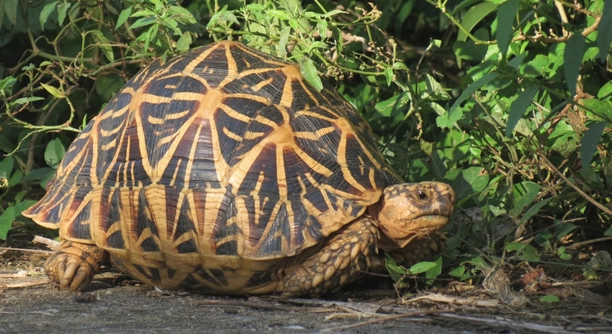
Turtles are curious creatures, and if you’ve noticed your pet constantly trying to climb out of its tank, you’re probably wondering why. This behavior can be puzzling, but there are a few reasons behind it.
Turtles may try to escape their tanks for various reasons such as seeking better environmental conditions, exploring, or simply due to stress. If their habitat lacks proper space, heat, or stimulation, they may become restless and attempt to escape.
Addressing the root causes of this behavior can make a significant difference in your turtle’s well-being. Knowing the right steps will help create a more comfortable and secure environment for your pet.
Why Do Turtles Try to Escape?
Turtles often try to climb out of their tanks because they’re uncomfortable or unhappy in their environment. They may be searching for more space, cleaner water, or simply a change of scenery. If their tank is too small, lacks proper heat, or has dirty water, your turtle may attempt to escape in search of better conditions. Sometimes, they’re just exploring because they’re naturally curious animals. Understanding the causes of this behavior is crucial for providing your pet with a better habitat, ensuring its health and happiness. By identifying and addressing these issues, you can prevent further escape attempts and make your turtle feel safe and comfortable.
One of the main reasons turtles try to escape is poor tank conditions. A small, overcrowded tank, inadequate heating, or unclean water can all make your turtle feel stressed.
Properly setting up your turtle’s tank is essential for preventing escape attempts. Make sure the tank is large enough for your pet to move around freely. The water temperature should be regulated according to the species’ needs, as they are cold-blooded creatures that rely on heat to regulate their body temperature. Additionally, clean water is key—turtles are known to be sensitive to water quality. Having a filtration system can help maintain cleanliness.
Handling Stress and Boredom
Stress and boredom can also lead to escape behavior. Turtles need enrichment and stimulation to stay happy. Without enough space or objects to interact with, they may begin looking for an escape. Providing proper hiding spots, rocks to climb, or plants to explore will give your turtle a chance to engage with its environment. Additionally, make sure there’s enough basking space where it can relax and absorb heat.
Turtles can become bored and frustrated without adequate mental stimulation. This boredom can lead them to try to climb out of their tank as a way to relieve stress.
Temperature and Lighting Issues
If your turtle is trying to escape, the temperature and lighting in its tank may not be ideal. Turtles rely on heat to regulate their body temperature. If the water is too cold or the basking area is inadequate, they may try to leave in search of better conditions.
Ensure your turtle’s tank has both a basking area with a heat lamp and a cooler area for swimming. The water temperature should be kept at the proper level depending on the species. A thermometer can help maintain a consistent temperature. Check that the basking light provides the right amount of warmth to help your turtle regulate its body heat effectively.
If your turtle is still trying to escape despite proper heat and lighting, it could be that the lighting itself is wrong. UVB lights are necessary for your turtle’s health and to help it absorb calcium. Without adequate UVB light, your turtle might feel disoriented and uncomfortable, leading it to seek a different environment.
Tank Size and Space
An undersized tank is one of the main reasons turtles try to climb out. If there isn’t enough room for your turtle to swim around freely or bask properly, it will likely try to find a more comfortable space. A cramped tank leads to stress and frustration.
For healthy growth and behavior, the tank size should be appropriate for your turtle’s species and size. As a general rule, aim for a tank that is at least 10 gallons of water per inch of turtle shell length. This will provide enough space for swimming, basking, and proper movement. Turtles need room to stretch their legs and explore their environment.
If you’ve noticed your turtle frequently climbing the walls of its tank, it may be trying to escape a too-small space. Adding extra hiding spots, climbing objects, or plants can make the tank feel larger and more stimulating. More space allows your turtle to exhibit natural behaviors and feel less confined.
Health Concerns
If your turtle is frequently trying to escape, it might be signaling health problems. Illness, parasites, or injuries can make them feel uncomfortable in their environment, causing them to look for a place to hide or escape.
Look for other signs of illness, such as lack of appetite, lethargy, or abnormal behavior. A trip to the vet can help rule out any health issues.
Turtles might also try to escape if they’re dealing with shell problems. A soft or deformed shell could be causing them discomfort. It’s important to check the condition of your turtle’s shell regularly to ensure its health.
Water Quality
Poor water quality is a common reason why turtles try to leave their tanks. Dirty water can cause discomfort, and your turtle may attempt to escape to find cleaner surroundings.
To maintain good water quality, change the water regularly and invest in a reliable filter. This helps reduce toxins and bacteria, keeping the water safe for your turtle.
FAQ
Why is my turtle trying to escape all of a sudden?
If your turtle suddenly starts trying to escape, it could be a sign of stress or discomfort. Changes in temperature, lighting, or water quality could be the cause. Also, if the tank has become too small as your turtle grows, it may be trying to find more space. Health issues can also contribute to this behavior, so checking for any signs of illness is important.
How can I stop my turtle from climbing out of its tank?
To stop your turtle from climbing out, first ensure that the tank is large enough and properly equipped. Check the water temperature and make sure there is a suitable basking area with proper lighting. Make sure the water is clean, and that the tank is stimulating enough. If the behavior persists, you may need to consider providing more hiding spaces or objects for your turtle to interact with.
How do I know if my turtle is stressed?
Stress in turtles can manifest in several ways, such as trying to climb out of the tank, not eating, or becoming more aggressive. You might also notice your turtle spending more time hiding. Stress could be due to poor water conditions, lack of space, inadequate lighting, or an overcrowded tank.
What’s the best tank size for my turtle?
The ideal tank size depends on the species of your turtle. Generally, you need at least 10 gallons of water for each inch of your turtle’s shell length. If your turtle is growing rapidly, consider upgrading to a larger tank to ensure it has enough space to swim and bask comfortably.
Can my turtle escape if I have a lid on the tank?
While a lid can prevent your turtle from physically climbing out, it’s essential that the lid has proper ventilation. Without proper air circulation, the tank could become too warm or oxygen-poor. Ensure the lid is secure and made of material that prevents escape attempts, while still allowing airflow.
How often should I clean my turtle’s tank?
Regular cleaning is key to maintaining a healthy tank. Change about 25-50% of the water every week and clean the tank’s decorations and substrate. Monthly, you should do a deeper cleaning, including cleaning the filter and checking for any debris or mold.
What temperature should the water be for my turtle?
Water temperature varies depending on the species, but most turtles require water temperatures between 75°F and 85°F (24°C to 29°C). It’s important to research the specific needs of your turtle’s species to provide the most comfortable environment.
Why isn’t my turtle basking like it used to?
If your turtle isn’t basking, it might be due to an uncomfortable basking area. Make sure the heat lamp is positioned correctly to provide a warm basking spot. It’s also possible that your turtle is sick or stressed, which can cause it to avoid basking. Check for other signs of illness.
Can I put more than one turtle in the same tank?
It’s possible to house multiple turtles together, but it depends on the species. Some turtles are territorial and may fight. If you’re considering adding another turtle, make sure the tank is large enough to give each turtle its own space. Always monitor them to ensure they’re getting along.
Do turtles need UVB light?
Yes, UVB light is essential for turtles, as it helps them metabolize calcium and maintain strong bones and shells. Without adequate UVB light, turtles can develop metabolic bone disease, leading to health issues. Make sure the light is placed close to the basking area and replaced every 6-12 months.
Can a dirty tank cause my turtle to try to escape?
Yes, dirty water can cause your turtle to feel stressed and uncomfortable. When the water becomes polluted with waste, bacteria, or algae, it can irritate your turtle’s skin and eyes, leading it to search for a cleaner environment. Regular water changes and a good filtration system will help prevent this.
Is it normal for my turtle to be more active during certain times of day?
Turtles are typically more active during the day and can have bursts of activity in the morning or afternoon. This is when they bask, swim, and search for food. If your turtle is more active at night, it might be a sign of improper lighting or temperature, disrupting its natural cycle.
Why does my turtle keep hiding?
Turtles hide when they feel stressed or unwell. It’s a natural behavior, especially if they’re trying to avoid external stressors or discomfort. Check for signs of illness or poor water quality, and ensure the environment is calm and safe for your turtle to feel secure enough to come out.
Can a turtle climb out of its tank if it has nothing to climb on?
Yes, even without climbing objects, a turtle can still attempt to escape. They are naturally curious and may climb the walls of their tank to explore. Adding enrichment such as rocks, logs, or plants can help keep your turtle engaged and reduce the urge to escape.
How do I know if my turtle is getting too much or too little light?
If your turtle is staying in the water more often and not basking, it might not be getting enough light. On the other hand, if your turtle spends excessive time basking or seems lethargic, it might be getting too much light. Monitor your turtle’s behavior and adjust the light intensity or timing accordingly.
How can I tell if my turtle’s shell is unhealthy?
An unhealthy shell can show signs like soft spots, discoloration, or cracks. If the shell feels spongy or rubbery, it may be a sign of metabolic bone disease. Regularly check for these signs and consult a vet if you notice anything unusual about the shell’s appearance or texture.
Final Thoughts
Turtles are fascinating creatures with unique needs and behaviors. If your turtle keeps trying to climb out of its tank, it’s important to understand the reasons behind this behavior. It could be due to an uncomfortable environment, such as improper water temperature, poor lighting, or a small tank. By addressing these factors, you can create a more suitable and comfortable habitat for your turtle. Taking the time to check these conditions will help prevent stress and escape attempts, allowing your pet to thrive in its environment.
Understanding your turtle’s natural instincts and needs is key to ensuring its well-being. Turtles are naturally curious, and they will sometimes try to escape if they feel restricted or uncomfortable. Providing enough space, proper heat, UVB lighting, and clean water can make a huge difference in how your turtle behaves. Regular checks on their habitat will ensure that they stay happy and healthy. By preventing escape attempts, you can also protect your turtle from potential injury or stress.
While turtles are generally low-maintenance pets, they still require attention and care to thrive. If you notice your turtle trying to climb out of its tank, don’t ignore the signs. It’s important to observe their behavior and adjust their environment to meet their needs. Whether it’s improving the tank’s size, water quality, or temperature, small changes can make a big difference in your turtle’s comfort and happiness. By understanding your pet’s needs and providing the right care, you can help ensure a long and healthy life for your turtle.

Hello,
If you enjoy the content that we create, please consider saying a "Thank You!" by leaving a tip.
Every little bit helps us continue crafting quality advice that supports the health, happiness, and well-being of pets around the world, for pets of all shapes, sizes, and species.
We really appreciate the kindness and support that you show us!