
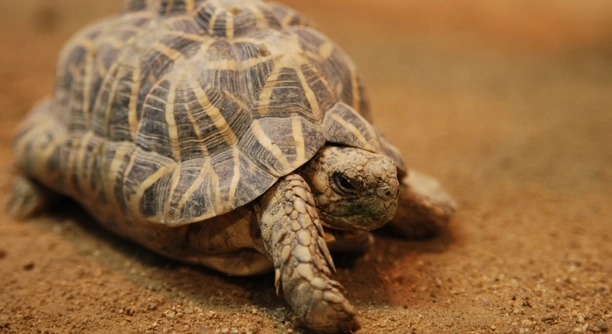
When setting up a home for your turtle, choosing the right tank size is essential for their well-being. Each turtle species has different space requirements based on their size, activity levels, and environmental needs.
Selecting the best tank size depends on the specific needs of your turtle species. Larger turtles require more space, while smaller ones can thrive in more compact setups. It’s crucial to provide enough room for swimming, basking, and proper filtration.
Understanding the best tank size for your turtle species is key to keeping them healthy and happy. This guide will explore different turtle species and the tank sizes they thrive in.
Red-Eared Slider Tank Size
Red-eared sliders are one of the most popular pet turtle species. They can grow up to 12 inches in length, which means they require a large tank to live comfortably. A tank of at least 75 gallons is recommended for adult red-eared sliders. For a juvenile, you could start with a 40-gallon tank, but remember, as they grow, they will need more space. These turtles are highly active swimmers, so the tank should be deep enough to accommodate their need for plenty of water to swim around. They also need a basking area to dry off, as well as a strong filtration system to keep the water clean.
A well-maintained tank ensures that your red-eared slider stays healthy and happy, so make sure the water is always clean, the basking area is accessible, and there’s plenty of room to swim around.
These turtles are known for their playful behavior, and the right tank size will allow them to exhibit this. A 75-gallon tank also provides the space needed for setting up different areas, like hiding spots or rocks for climbing. It also helps to prevent any territorial aggression that can develop if they feel cramped in too small a space.
Box Turtle Tank Size
Box turtles are a little different from other water turtles because they spend a lot of time on land. The tank size for box turtles is smaller than that of aquatic species, but it still requires careful consideration. A 40-gallon tank should be the minimum size for an adult box turtle.
These turtles enjoy both indoor and outdoor environments, so you should aim to recreate their natural habitat with a mix of land and water. A proper tank should allow them enough space to move around, climb, and explore. Keep in mind, box turtles also need a humidity-controlled environment to stay healthy.
A 40-gallon tank provides the room for them to roam while still having space for water and a dry area for them to retreat to. It’s important to set up a substrate that helps maintain humidity, along with hiding spots to reduce stress. Box turtles are known for being shy, so creating a comfortable environment is crucial. With a well-designed setup, your box turtle can thrive.
Painted Turtle Tank Size
Painted turtles are another species that require a spacious environment. These turtles can grow up to 10 inches and need plenty of room to swim. A 75-gallon tank is ideal for an adult painted turtle, ensuring they have space for both swimming and basking.
A well-maintained tank for a painted turtle should have a good balance between water and dry areas. The water should be deep enough for swimming, and the basking spot must be accessible for them to dry off and absorb UV light. The tank should also include a filtration system to keep the water clean, as painted turtles are quite active swimmers and produce waste quickly.
When setting up their environment, consider adding water plants, rocks, and platforms for climbing. Painted turtles enjoy basking in the warmth, so having a proper light source is essential. A 75-gallon tank provides a lot of space, allowing the turtle to explore, exercise, and maintain its health.
Snapping Turtle Tank Size
Snapping turtles require significantly larger tanks because of their size and active nature. Adult snapping turtles can reach up to 20 inches in length, so a 100-gallon tank is necessary to ensure they have enough space to move around.
Their tank should also be deep enough to allow for swimming and have areas for basking. Snapping turtles are known to be quite aggressive, so it’s crucial to make sure their environment provides enough space to prevent stress and territorial behavior. A large, spacious tank will reduce the chances of aggression and allow them to swim freely.
Setting up a snapping turtle tank requires providing secure areas for the turtle to hide and plenty of room for them to explore. A 100-gallon tank allows for proper water filtration and ample space for swimming, basking, and roaming. When creating a setup, be mindful of their strong jaws and make sure there’s no way they can escape. A well-designed habitat will ensure your snapping turtle stays healthy and content.
Musk Turtle Tank Size
Musk turtles are small, making them easier to house in smaller tanks compared to larger species. A 40-gallon tank is typically enough for an adult musk turtle. They are semi-aquatic, so a mix of water and dry areas is essential for their well-being.
These turtles enjoy swimming but don’t need as much space as larger species. Musk turtles also appreciate having hiding spots, which can help reduce stress. It’s important to maintain water cleanliness with a strong filter, as they can be messy. Providing both shallow and deeper areas in the tank can also encourage natural behaviors.
Map Turtle Tank Size
Map turtles are active swimmers and need a larger tank as they can grow up to 10 inches. A 75-gallon tank provides the space necessary for them to move around comfortably. Map turtles also need basking areas and a reliable filtration system.
Map turtles thrive in tanks with good swimming space. A 75-gallon tank is large enough to keep them active and healthy, and adding a basking platform allows them to dry off. It’s crucial to maintain the tank’s water temperature and cleanliness. A well-set-up environment will keep map turtles healthy and thriving.
Softshell Turtle Tank Size
Softshell turtles require large tanks due to their size and unique shape. For adults, a 100-gallon tank is necessary to provide the space they need. These turtles need room for swimming and a dry area for basking, which should be spacious enough to accommodate their active lifestyle.
FAQ
What tank size is best for a baby turtle?
For baby turtles, the tank size depends on the species. Generally, a 20-gallon tank is enough for small species like red-eared sliders or box turtles. However, as they grow, you’ll need to upgrade the tank size. Juvenile turtles should have enough space to swim and bask comfortably. As they reach adulthood, you’ll want to switch to a 40 to 75-gallon tank, depending on their species. Baby turtles are more active than you might expect, and providing them with the right environment from the start will set the stage for a healthier life.
Can I keep multiple turtles in the same tank?
It’s possible to keep multiple turtles in the same tank, but you must be cautious. Some turtles can be territorial, especially if the tank is too small. For species that are more social, such as red-eared sliders, a larger tank will allow them to coexist peacefully. However, if you have aggressive species, like snapping turtles, they should be housed separately. When keeping multiple turtles, make sure the tank is spacious enough (at least 75 gallons for two or more medium-sized turtles) and that there are enough basking and hiding spots to prevent conflicts.
What kind of filtration do turtles need?
Turtles produce a lot of waste, so a strong filtration system is essential for keeping the water clean. A good filter should be able to handle at least double the tank’s volume to ensure proper water circulation. For example, in a 75-gallon tank, a filter rated for 150 gallons is ideal. Canister filters or power filters are good options because they are more effective in maintaining water quality. It’s also important to clean the filter regularly and change the water periodically, even if you have a strong filtration system, to prevent bacterial growth and keep your turtle’s environment healthy.
Do turtles need a heat lamp?
Yes, turtles need a heat lamp for proper basking. UVB rays are crucial for their health as they help them synthesize Vitamin D3, which is necessary for calcium absorption and shell health. The heat lamp should be placed over a basking area in the tank, where the turtle can dry off and warm up. The temperature in the basking area should range from 85°F to 95°F, depending on the species. It’s also important to provide a cooler area in the tank so the turtle can regulate its body temperature by moving between hot and cool spots.
How often should I clean my turtle’s tank?
You should clean your turtle’s tank regularly to maintain a healthy environment. The water should be changed weekly, especially if you don’t have a strong filtration system. The basking area and decorations should be cleaned bi-weekly. Remove waste, uneaten food, and debris daily to keep the tank sanitary. If you notice the water becoming cloudy or smelly, it may be time to clean the entire tank, scrub the sides, and replace the filter media. Regular tank cleaning helps prevent health issues for your turtle, including respiratory and shell problems.
Can turtles live in a tank without a filter?
While it’s possible for turtles to live in a tank without a filter, it’s not recommended. Turtles produce a lot of waste, and without proper filtration, the water can become polluted quickly. This can lead to unhealthy living conditions for the turtle and may cause skin infections, shell rot, or respiratory issues. A filter helps maintain water quality by removing debris and waste. If you must keep a turtle in a tank without a filter, you will need to change the water frequently and clean the tank thoroughly to ensure the turtle’s well-being.
How much space do turtles need to bask?
Turtles need a designated basking area that is large enough for them to climb out of the water and completely dry off. The basking platform should be sturdy and easily accessible. For most species, the platform should be large enough to fit the turtle comfortably, allowing it to stretch out and bask in the warmth. A basking area that is too small can cause stress, as turtles need to be able to fully dry off to maintain good health. It’s also important to provide UVB lighting above the basking area to promote proper vitamin D3 synthesis.
Are glass tanks or plastic tanks better for turtles?
Both glass and plastic tanks can work for turtles, but each has its pros and cons. Glass tanks are sturdy, provide clear visibility, and retain heat well, which can be beneficial for aquatic species. However, they are heavy and may break if not handled properly. Plastic tanks are lighter and less likely to break, but they can scratch easily and may not retain heat as effectively. If you choose a plastic tank, make sure it’s made of high-quality material that can handle the weight of the water. For most turtle keepers, a glass tank is a more common choice due to its clarity and durability.
How deep should the water be in a turtle tank?
The water depth in a turtle tank depends on the species. For smaller turtles, like painted turtles or musk turtles, the water should be at least 6 to 8 inches deep. Larger turtles, such as red-eared sliders or snapping turtles, will require deeper water—12 inches or more, to allow for proper swimming. The water depth should also allow the turtle to dive and submerge itself if it desires. However, make sure the turtle can easily get to the surface to breathe. If you have a basking area, the water depth should not exceed the height of the platform, ensuring the turtle can climb out easily.
Do turtles need a substrate in their tank?
Turtles do not need a substrate in their tank, but it can be beneficial. For aquatic turtles, a smooth, fine-gravel substrate can help maintain a more natural look while preventing sharp objects that might harm your turtle. However, some owners prefer to keep the bottom of the tank bare for easier cleaning and to reduce the risk of their turtle ingesting substrate. For land-based turtles, a soft, moist substrate like coconut fiber or soil is a good choice as it helps maintain humidity and allows the turtle to burrow, simulating its natural habitat.
What should I feed my turtle?
Turtles need a balanced diet to stay healthy. Most turtles are omnivores, which means they eat both plants and animals. You can feed them a variety of foods, including commercial turtle pellets, leafy greens like lettuce and kale, and proteins like worms, insects, and small fish. You can also offer them fruits like strawberries and apples, but only in moderation. It’s essential to avoid feeding your turtle processed human food or foods that are toxic to them, such as avocado. Additionally, always ensure they have access to clean water to drink and soak in.
How long can turtles live in captivity?
Turtles can live for a long time in captivity with proper care. The lifespan varies depending on the species. Some smaller species, like box turtles, can live 30 to 50 years, while larger species, such as red-eared sliders and snapping turtles, can live 20 to 40 years. Proper tank care, a balanced diet, and regular veterinary checkups will help ensure your turtle has a long and healthy life. Many turtle owners are surprised by how long their pets can live, so it’s important to be prepared for a long-term commitment when adopting one.
Can turtles live outside the tank?
Turtles can live outside the tank, but only if their outdoor habitat is secure and safe. For species that thrive in both land and water, such as box turtles or red-eared sliders, you can create an outdoor enclosure that mimics their natural environment. However, the enclosure should be escape-proof, with a secure lid or fencing to prevent predators from getting in. The area should have access to both water for swimming and a dry area for basking. If you plan to keep a turtle outside, make sure the temperature is appropriate for the species, and bring them back indoors during extreme weather conditions.
Choosing the right tank size for your turtle is a crucial part of ensuring their health and happiness. Different species of turtles have different needs, and it’s essential to consider these when setting up their environment. Whether you have a small musk turtle or a large snapping turtle, providing adequate space for them to swim, bask, and explore is key. It’s not just about size; the tank’s setup must also provide clean water, a basking area, and a good filtration system. Without these elements, your turtle could face health problems like shell rot, respiratory issues, or stress.
Tank maintenance is another important factor to keep in mind. Regular water changes, cleaning, and filter maintenance are necessary to ensure your turtle’s home remains clean and safe. Turtles are messy animals, and without proper filtration or regular cleaning, the water can quickly become polluted, which can lead to harmful bacteria and algae growth. A good rule of thumb is to change the water weekly and clean the tank thoroughly at least once a month. If you have more than one turtle, you may need to clean the tank more often. Taking care of your turtle’s environment is just as important as providing them with the right tank size.
Finally, always keep in mind that turtles can live for many years, sometimes decades. This means that when setting up a tank, you’re committing to their care for a long period of time. Make sure you’re ready for the responsibility before bringing a turtle into your home. The right tank size, proper setup, and regular maintenance will provide your turtle with a healthy, comfortable life. By taking these steps, you’ll help your turtle thrive and enjoy its long life by your side.

Hello,
If you enjoy the content that we create, please consider saying a "Thank You!" by leaving a tip.
Every little bit helps us continue crafting quality advice that supports the health, happiness, and well-being of pets around the world, for pets of all shapes, sizes, and species.
We really appreciate the kindness and support that you show us!