
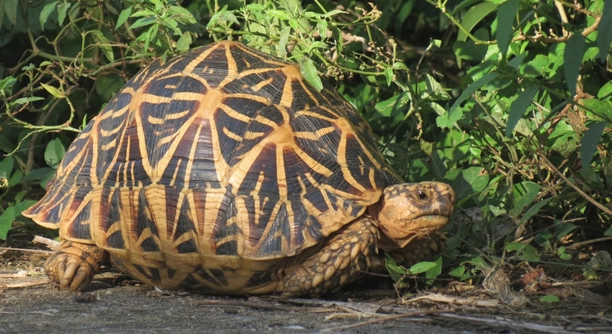
Turtles are fascinating creatures, but sometimes they can exhibit behaviors that leave us wondering. One common issue is when they spend all day in one spot. Understanding the cause behind this can help ensure their well-being.
A turtle sitting in one spot all day can be caused by several factors such as environmental stress, inadequate habitat conditions, or health problems. A lack of proper temperature, lighting, or substrate could lead to this behavior, signaling discomfort.
Knowing what causes this behavior can help you create a better environment for your turtle. This will ensure they are comfortable, active, and healthy.
Possible Causes for Your Turtle’s Inactivity
Turtles are naturally slow-moving, but if yours is staying in one spot all day, it might indicate something is wrong. One common issue is improper habitat conditions. Turtles need a warm, well-lit environment to stay active and healthy. Without a proper basking area or heat lamp, they may become lethargic and spend most of their time sitting. Similarly, poor water quality can also make them feel uncomfortable and inactive, as turtles are highly sensitive to changes in their environment. Overcrowding, insufficient hiding spots, or a lack of variety in their enclosure may also contribute to their behavior.
The right habitat conditions are essential for a turtle’s well-being. A healthy environment encourages natural behaviors like swimming and basking. Proper lighting and temperature regulation are key factors.
Make sure your turtle has a clean tank, access to fresh water, and a comfortable place to bask. Without these elements, your turtle might not feel motivated to move around, leading to inactivity. Ensuring your turtle’s space meets its needs is one of the most important things you can do for its health.
Illness or Injury
Sometimes, inactivity is a sign of illness or injury. If your turtle is not moving much, it could be dealing with a health issue that’s causing pain or weakness. Injuries to the shell or limbs can make it hard for them to move. Even minor injuries may result in significant discomfort, leading them to stay in one spot. In addition to physical injuries, internal health problems like respiratory infections or parasites can also cause lethargy.
If your turtle suddenly starts staying still, it’s important to examine its body closely. Check for any visible signs of injury or swelling. If nothing is apparent, look for other signs like labored breathing or lack of appetite. These may signal an underlying issue that requires immediate attention from a veterinarian.
A vet can determine if your turtle is sick and help treat the condition. Prompt care can make a big difference, especially when it comes to preventing long-term health problems. Regular checkups are essential to ensure your turtle stays healthy and active.
Temperature and Lighting Issues
A turtle’s environment needs to have the right temperature and lighting to stay healthy. Without proper heat and UVB light, turtles can become sluggish and inactive. The basking spot should be between 85°F and 90°F, while the water temperature should range from 75°F to 80°F. If these conditions are not met, your turtle might not have the energy to move around.
Turtles rely on basking to regulate their body temperature and absorb UVB light, which helps them produce vitamin D3. If their environment lacks sufficient warmth or UVB rays, they may become lethargic and spend most of their time in one spot. Check your lighting setup regularly to ensure it’s in good working condition and positioned correctly.
A good heat source like a heat lamp is vital for your turtle to remain active. If the tank is too cold, the turtle may retreat to a spot that feels more comfortable but will not move much. Replacing old bulbs or adjusting their placement might help bring back your turtle’s energy.
Tank Size and Enclosure Conditions
If the tank is too small or overcrowded, your turtle might feel stressed and unwilling to move. Inadequate space can lead to frustration and hinder natural behaviors, including swimming and basking. A larger tank provides room for your turtle to roam and maintain a healthy level of activity.
Turtles need space to explore and feel secure in their environment. If the enclosure is cramped or filled with too many other animals, the turtle may become overwhelmed and stop moving. Offering a variety of hiding spots, rocks, or floating platforms can help make the turtle feel more comfortable and encourage movement.
A well-maintained tank with clean water and the right decorations is essential to help your turtle stay active. Adding plants, rocks, and other accessories can make the enclosure feel more natural and inviting. A more stimulating environment will encourage your turtle to explore and move around rather than sitting in one spot all day.
Stress and Environmental Changes
Turtles are sensitive to stress caused by sudden changes in their environment. Moving to a new tank, loud noises, or handling too often can cause your turtle to become withdrawn and inactive. Stress can lead them to spend long periods in one spot, avoiding movement.
If you’ve recently changed their tank setup or introduced new tank mates, your turtle might be adjusting. Changes in their routine, such as inconsistent feeding times or water quality, can also cause stress. Keeping things consistent will help your turtle feel secure and less likely to become inactive.
Overfeeding or Poor Diet
An improper diet can also make your turtle sluggish. Overfeeding or giving them the wrong types of food can lead to lethargy. Too many high-protein foods can cause weight gain, while a lack of variety in their diet can lead to nutrient deficiencies.
Turtles require a balanced diet consisting of vegetables, fruits, and protein. If they’re not getting the right nutrients, it can affect their energy levels and overall health. You might notice them sitting in one spot, too tired to move or swim, which is a sign they need a better diet.
Lack of Exercise
Turtles need to stay active to remain healthy. If their habitat doesn’t provide enough stimulation or opportunities to move, they might become less active. They need space to swim, bask, and explore. Without enough exercise, they may spend too much time in one spot.
Providing your turtle with enough room to move around and objects like rocks or platforms to climb can help encourage them to be more active. Ensure they have access to both dry and wet areas so they can exercise and maintain their physical health.
FAQ
Why does my turtle sit in one spot all day?
There are several reasons why your turtle might sit in one spot all day. It could be due to environmental issues like poor water quality, improper temperature, or inadequate lighting. If your turtle doesn’t have the right conditions to bask or swim comfortably, it may become inactive. Stress or illness can also lead to inactivity, as can poor diet or lack of exercise. It’s essential to observe your turtle’s behavior closely and ensure its habitat is suitable.
What is the best temperature for a turtle’s habitat?
A turtle’s habitat needs to be at the right temperature for them to stay active and healthy. The basking area should be around 85°F to 90°F, while the water should be kept between 75°F and 80°F. You can use a thermometer to monitor these temperatures and adjust heaters or lamps as needed. Having the proper temperature helps your turtle regulate its body temperature and promotes natural behaviors like basking and swimming.
Can stress cause a turtle to stop moving?
Yes, stress is a common reason why turtles stop moving or become less active. Stress can result from many factors, including sudden changes in their environment, overcrowding in their tank, or frequent handling. Even loud noises or a lot of movement around their enclosure can make them anxious. To reduce stress, maintain a consistent and calm environment for your turtle. Ensure their habitat is spacious and clean, and avoid disturbing them too much.
How can I tell if my turtle is sick?
A sick turtle may show signs like lethargy, lack of appetite, difficulty breathing, or swelling on the body or shell. If your turtle stops moving or appears weak, it could be a sign of illness. Inspect their shell for cracks, bumps, or softness, which can indicate infections or injuries. If your turtle is not moving as usual, it’s best to consult a veterinarian who specializes in reptiles for a proper diagnosis.
Is it okay to handle my turtle frequently?
While handling your turtle occasionally is fine, it’s important not to overdo it. Turtles can become stressed by excessive handling, which may lead to them sitting in one spot all day. It’s better to observe your turtle from a distance and only interact when necessary, like during feeding time or cleaning. This allows your turtle to feel more secure in its environment.
How much should I feed my turtle?
Feeding your turtle the right amount is essential to prevent lethargy and obesity. Most adult turtles need to be fed every two to three days, while younger turtles require daily feeding. A healthy diet includes a mix of vegetables, fruits, and protein. Too much protein or high-fat foods can make your turtle sluggish, so be mindful of portion sizes and ensure they get a balanced diet.
What should I do if my turtle’s water quality is poor?
Poor water quality can lead to a variety of health problems, including inactivity. To maintain clean water, change it regularly—at least once a week for a small tank. Use a reliable filtration system to help remove waste and keep the water clear. Test the water for chemicals like ammonia and nitrites to ensure it’s safe for your turtle. Poor water quality can make your turtle uncomfortable and contribute to lethargy.
Can my turtle get depressed?
Turtles can experience stress, which can sometimes lead to behaviors resembling depression. If your turtle isn’t moving, not eating, or seems to be avoiding interaction, it could be dealing with environmental stressors or health issues. Providing a proper habitat, a varied diet, and enough space to move around can help improve your turtle’s mood and activity levels. It’s important to monitor their behavior and make adjustments to their care if necessary.
What types of light should I use for my turtle?
Turtles need both UVA and UVB light for healthy bone growth and overall well-being. UVA light helps with their daily behavior patterns, while UVB light is essential for synthesizing vitamin D3, which allows them to absorb calcium. A good UVB bulb should be placed above the basking area, and it needs to be replaced every six months, as the effectiveness of the bulb decreases over time. Make sure your turtle has access to both light types during the day for optimal health.
Should I add decorations or plants to my turtle’s tank?
Adding plants, rocks, and other decorations can make your turtle’s environment more stimulating and comfortable. It also gives your turtle places to hide, climb, and explore, which can encourage them to move around and stay active. Be sure to use non-toxic plants and safe materials to avoid harming your turtle. A variety of textures in their environment can also make them feel more secure and less stressed.
How do I know if my turtle is too cold?
If your turtle is too cold, it may become lethargic, stop eating, or stay in one spot to conserve heat. Cold temperatures slow down their metabolism, making them less active. To ensure your turtle stays warm, maintain the correct temperature for both the water and basking areas. If your turtle is showing signs of being too cold, increase the temperature gradually and avoid sudden changes.
Final Thoughts
If your turtle is sitting in one spot all day, it’s important to assess several factors that could be contributing to this behavior. Turtles are sensitive creatures, and their inactivity could be due to environmental issues like poor water quality, inadequate lighting, or incorrect temperatures. Ensuring that their habitat is well-maintained and comfortable is one of the most important steps you can take to keep them active. A proper basking area, clean water, and the right temperatures for both water and basking spots are key to their health and well-being.
Another consideration is your turtle’s diet and exercise. Overfeeding or providing an unbalanced diet can lead to lethargy. It’s important to feed your turtle a variety of food, including vegetables, fruits, and protein, but in the right proportions. A proper diet, combined with enough space for swimming and basking, encourages your turtle to stay active. A lack of stimulation or exercise in their environment could also cause your turtle to become sedentary, so be sure to offer opportunities for them to move and explore.
Finally, stress and health issues can also play a big role in why your turtle might be inactive. Environmental changes, such as moving them to a new tank or overcrowding, can cause stress, making them withdraw and stay still. Illnesses or injuries can lead to a lack of movement as well, and if you notice other signs like a decrease in appetite, labored breathing, or unusual behavior, it’s best to consult with a veterinarian. Understanding your turtle’s behavior and addressing the underlying causes will help ensure they lead a healthy and active life.

Hello,
If you enjoy the content that we create, please consider saying a "Thank You!" by leaving a tip.
Every little bit helps us continue crafting quality advice that supports the health, happiness, and well-being of pets around the world, for pets of all shapes, sizes, and species.
We really appreciate the kindness and support that you show us!