
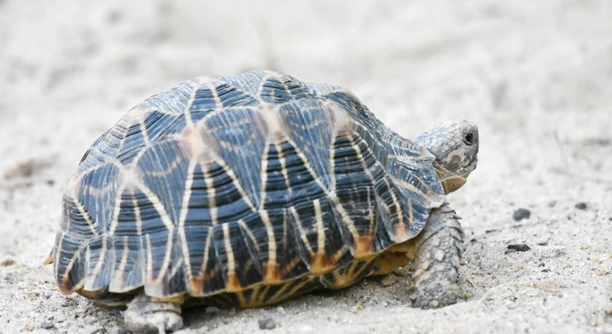
A healthy turtle tank needs good water circulation to ensure your turtle stays happy and healthy. Proper water flow also prevents debris buildup, helping to maintain clean and clear water. Here are simple ways to improve your tank’s water circulation.
The best way to improve water circulation is by using a good filter, adjusting the flow rate, and ensuring water movement in all areas of the tank. Proper placement of decorations and pumps can also assist in circulating water efficiently.
With just a few adjustments, you can create a more balanced environment. These tips will help you keep your turtle’s habitat in great shape while improving overall water quality.
1. Use a Quality Filter
A quality filter is the backbone of any turtle tank’s water circulation. Without it, debris can accumulate quickly, making the water murky and harmful for your turtle. Filters come in different sizes and flow rates, so choosing the right one for your tank is essential. A filter that’s too weak won’t be able to handle the waste produced by your turtle, while one that’s too strong may disturb the water’s natural flow and stress your turtle. It’s important to match the filter’s capacity with the size of your tank.
The filter’s placement also matters. Make sure it is positioned in a place where it can reach the entire tank. This ensures that the water flows evenly, keeping all areas clean.
A good filter helps remove waste, maintains water clarity, and prevents the buildup of harmful bacteria. Investing in a quality filter and adjusting its settings for your tank size and turtle’s needs can make a noticeable difference in the health of your turtle’s environment.
2. Adjust the Water Flow
The flow rate of your filter should match your turtle’s tank. Too much water flow may create strong currents that can stress your turtle. On the other hand, too little flow can cause the water to stagnate, leading to poor circulation.
Adjusting the flow rate properly can help balance the needs of your turtle while maintaining a clean tank. Some filters come with adjustable flow settings, so you can fine-tune it based on your turtle’s comfort. If your filter doesn’t have this feature, consider adding a flow control valve to regulate the speed of the water.
It’s important to observe your turtle and see how it reacts to the water flow. If the current is too strong, your turtle may struggle to swim, so reducing the flow might be necessary. Experiment with different settings to find the best balance for both water quality and your turtle’s well-being.
3. Add a Water Pump
A water pump helps distribute water evenly, promoting better circulation throughout the tank. It’s an especially good idea for tanks with heavy decorations or large spaces where the filter alone can’t reach every corner. Place the pump in a strategic location to ensure water flows across the entire tank.
A water pump can be easily added alongside your filter. Choose one with adjustable settings so you can control the flow rate. If your tank has plants or rocks, place the pump near open spaces where the water can circulate without interference. This helps maintain water movement while preventing stagnant areas.
The pump should not create too much turbulence, as this can stress your turtle. Instead, focus on providing a gentle flow that mimics natural conditions. You may need to test different placements before finding the optimal position for your tank’s size and setup. Proper water circulation is key to keeping the environment clean and healthy.
4. Use Tank Decorations Wisely
Tank decorations, such as rocks, plants, and logs, add a natural look to your turtle’s habitat. However, they can disrupt water flow if not positioned carefully. Make sure decorations don’t block the filter or water pump. This allows water to circulate freely while still creating hiding spots for your turtle.
Try arranging decorations so that water can move around them easily. Avoid overcrowding the tank with too many objects, as this can limit water flow and create stagnant areas. If your turtle likes to hide, place decorations in a way that they don’t obstruct the pump or filter but still provide shelter. This creates a balance between functionality and aesthetics in the tank.
Also, consider using floating plants or soft decorations that won’t be too heavy or obstruct the flow of water. Floating plants can help promote water movement, while also offering shade and hiding places for your turtle. This setup benefits both the tank’s look and your turtle’s comfort.
5. Maintain Proper Tank Size
The size of your tank plays a big role in water circulation. A tank that is too small for your turtle can easily become crowded, limiting water movement. Make sure your tank is large enough for your turtle to move around comfortably while ensuring proper circulation.
Choosing the right size tank will allow the filter and water pump to work more effectively, without needing to work overtime to maintain water quality. This ensures that there are no dead zones where debris can collect. A larger tank also provides better space for water to flow evenly.
6. Keep the Tank Clean
Regular cleaning of your tank is crucial to maintaining good water circulation. Debris, algae, and waste buildup can clog your filter and disrupt the water flow. Be sure to clean the substrate and decorations, and check your filter regularly for blockages.
While cleaning, avoid over-disturbing the tank’s setup. Stirring up debris can temporarily affect water clarity, but with proper filtration, it should clear up quickly. Regular maintenance will ensure that water circulates effectively and the tank remains healthy for your turtle.
7. Monitor Water Temperature
Water temperature affects circulation by influencing the viscosity of the water. Warmer water is less dense and circulates more easily, while colder water can make movement more sluggish. Keeping the water at an appropriate temperature encourages proper flow and overall health in the tank.
For most turtles, the ideal water temperature is around 75 to 80°F (24-27°C). You can use a heater to maintain the right temperature if needed. Monitoring the temperature regularly ensures that both the turtle and water flow stay at their optimal levels.
FAQ
How do I know if my tank’s water flow is too strong for my turtle?
If the water flow is too strong, your turtle may struggle to swim against the current. You might notice your turtle being pushed around the tank, unable to find a comfortable spot. This can cause stress and make it harder for your turtle to rest. If this happens, try reducing the water flow by adjusting your filter or adding a flow control valve. You can also consider repositioning the filter to create a more balanced flow.
What are the signs of poor water circulation in my turtle tank?
Poor water circulation can lead to stagnant areas, where debris, uneaten food, and waste accumulate. Your water may appear cloudy or dirty, and you might notice unpleasant odors. Poor circulation can also result in a higher buildup of bacteria, which is harmful to your turtle’s health. Keeping an eye on your water quality and ensuring the filter works effectively is key to avoiding these issues.
Can I use a sponge filter for my turtle tank?
Yes, a sponge filter can be a good choice for smaller tanks or for hatchlings. Sponge filters provide gentle water movement, making them ideal for sensitive turtles. They also help maintain biological filtration by promoting beneficial bacteria growth. However, for larger tanks or adult turtles, you may need a stronger filter to maintain good water circulation.
Should I use a heater in my turtle tank?
Yes, a heater can be necessary if the water temperature drops too low. Many turtle species, especially aquatic turtles, require warm water to stay healthy. If the water is too cold, it can slow down the water circulation, making the tank feel sluggish and less comfortable for your turtle. A heater can help maintain a stable water temperature and ensure proper water flow.
Can I place my turtle tank near a window?
It’s best not to place your turtle tank directly near a window. Sunlight can lead to temperature fluctuations and can promote excessive algae growth in the tank. It may also cause uneven water circulation, as the tank may heat up too quickly in direct sunlight. Keep your tank in a stable, cool area to ensure a consistent environment for your turtle.
How often should I clean my turtle tank to maintain good circulation?
You should clean your turtle tank at least once a week to maintain good water circulation. Regular cleaning prevents the buildup of waste, algae, and debris that can clog your filter and disrupt water flow. Be sure to clean the substrate, decorations, and change the water regularly. Additionally, check the filter every few weeks to make sure it’s working efficiently and replace any filter media as needed.
Can I use live plants to improve water circulation?
Live plants can help improve water circulation by providing natural flow patterns in the tank. They act as a natural filter, absorbing excess nutrients from the water, which helps reduce algae growth and keeps the water clean. However, it’s important to place plants in a way that doesn’t obstruct the flow of water or block the filter and pump. Fast-growing plants are especially helpful for maintaining good water quality.
Do turtles need air pumps for their tanks?
In most cases, turtles do not require air pumps because their breathing needs are met above the water. However, air pumps can be beneficial if you’re trying to increase water movement and improve oxygenation. This can be especially useful in larger tanks or tanks with poor water flow. If you decide to use an air pump, make sure it doesn’t create strong currents that could stress your turtle.
How do I prevent algae buildup in my turtle tank?
Algae growth can be controlled by maintaining proper water circulation and using a good filtration system. Regular water changes and cleaning the tank can help remove algae before it becomes a problem. Also, limiting the amount of direct sunlight your tank receives will reduce the chances of algae overgrowth. Adding live plants to the tank can also compete with algae for nutrients, helping to keep it in check.
What is the ideal water temperature for my turtle tank?
Most freshwater turtles thrive in water temperatures between 75°F and 80°F (24°C to 27°C). This range promotes healthy activity levels, digestion, and immune system function. If the water is too cold, it can slow down your turtle’s metabolism and affect its behavior. If the water is too warm, it could negatively impact water quality and oxygen levels, which may affect circulation.
Is a canister filter better than an internal filter for my turtle tank?
A canister filter is generally more powerful and efficient than an internal filter. It’s ideal for larger tanks, as it provides better filtration and more control over water flow. Canister filters also offer the benefit of being placed outside the tank, which helps maximize space inside the tank for your turtle. However, they can be more expensive and require more maintenance. Internal filters, while less powerful, are easier to set up and maintain, making them a good choice for smaller tanks.
How do I keep my turtle tank water clear?
To keep the water clear, maintain proper water circulation with a strong filter and water pump. Regular cleaning of the tank, decorations, and substrate will help prevent debris buildup, while weekly water changes will remove any excess waste. Using a UV sterilizer can also help clear up cloudy water by removing microorganisms and algae.
Can a weak filter cause poor water circulation?
Yes, a weak filter can certainly lead to poor water circulation. If the filter isn’t powerful enough for the size of your tank, it won’t be able to effectively move water around, resulting in stagnant areas. This can lead to debris accumulation, poor water quality, and an unhealthy environment for your turtle. Choosing a filter with the right capacity for your tank size is essential to keeping the water circulating properly.
Final Thoughts
Maintaining good water circulation in your turtle tank is essential for your turtle’s health and comfort. Proper water flow ensures that waste is effectively removed from the tank, preventing harmful bacteria and keeping the environment clean. Without proper circulation, the water can become cloudy, stagnant, and unhealthy for your turtle. This can lead to stress, poor health, and even disease. Regular maintenance and the right equipment, such as a suitable filter, water pump, and heater, can make a big difference in ensuring the water flows properly and remains clean.
In addition to having the right equipment, it’s important to observe how your turtle reacts to the water conditions in the tank. If you notice your turtle struggling to swim or hiding more often than usual, it may be a sign that the water flow is too strong or weak. Adjusting the filter, repositioning decorations, and making sure the water temperature is ideal can improve the environment for your turtle. A calm and stable habitat is crucial for your turtle’s well-being, and it’s something that can be achieved with some simple adjustments and careful monitoring.
Remember, creating a well-circulated environment isn’t just about adding filters and pumps. It also involves regular cleaning, managing tank size, and ensuring that decorations don’t obstruct water flow. Consistent maintenance, such as cleaning the substrate and checking the filter, will prevent debris buildup that could block the movement of water. A healthy tank is a balanced tank, and with a little effort, you can provide your turtle with the best possible living conditions. Taking care of these small details will help create an environment where your turtle can thrive for years to come.

Hello,
If you enjoy the content that we create, please consider saying a "Thank You!" by leaving a tip.
Every little bit helps us continue crafting quality advice that supports the health, happiness, and well-being of pets around the world, for pets of all shapes, sizes, and species.
We really appreciate the kindness and support that you show us!