
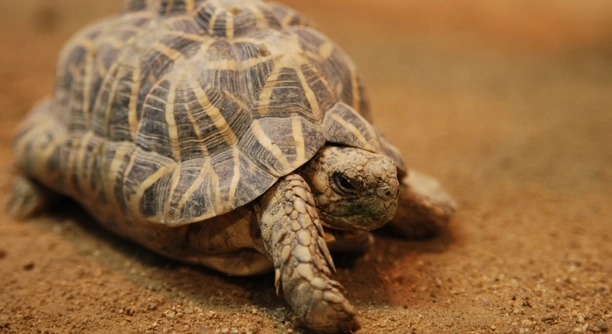
Turtles are known for their calm nature, but if you notice your turtle shaking its head, it may be signaling something important. Understanding this behavior can help address potential health concerns and improve their well-being.
Head shaking in turtles is often caused by respiratory infections, physical discomfort, or stress. In some cases, it may be a sign of an underlying medical issue, such as a vitamin deficiency or an injury. It’s essential to monitor their behavior closely.
Addressing the cause of your turtle’s head shaking can lead to a healthier and happier pet.
Common Causes of Head Shaking in Turtles
Head shaking in turtles can be alarming, but it’s often a sign that something needs attention. Respiratory infections are one of the most common causes. If a turtle’s environment is too cold or damp, it can lead to illness, affecting their respiratory system. This often results in head shaking, labored breathing, and a lack of appetite. Infections can spread quickly in confined spaces, so maintaining the proper temperature and cleanliness in their habitat is crucial. Other causes of head shaking include stress, especially if a turtle is handled too much or exposed to sudden changes in its environment.
Stress or discomfort can also cause head shaking. Turtles are sensitive to their surroundings, and changes in their tank or handling habits can lead to stress. Overcrowded tanks or excessive noise can cause them to act out with head shaking as a sign of discomfort.
A balanced, stable environment is essential for a turtle’s health. Ensure they are not exposed to sudden changes in temperature or lighting. Stress can also be reduced by giving them plenty of space to move and rest undisturbed.
Respiratory Infections and Their Impact
Turtles are vulnerable to respiratory infections if their environment is not properly regulated. A cold, wet tank can provide the perfect breeding ground for bacteria, leading to infections that affect their respiratory system. Symptoms include head shaking, wheezing, and sometimes open-mouth breathing. If left untreated, these infections can become severe, even leading to death. To prevent respiratory infections, it’s essential to maintain proper water temperature and filtration in the tank. Regularly checking for leaks and ensuring a dry basking area also helps in preventing excess moisture that encourages bacteria growth.
Monitoring your turtle’s overall health and behavior is key. If you notice consistent head shaking, it could be the start of a more serious issue. The sooner you address any changes in their behavior, the better chance you have of preventing further complications.
Temperature and Tank Conditions
The temperature of your turtle’s environment plays a major role in its overall health. If the water is too cold, turtles may exhibit head shaking and other signs of distress. They rely on warmth for proper digestion and immune function. Providing a basking spot where they can regulate their temperature helps keep them comfortable.
To maintain proper temperature, ensure that both the water and basking areas are set within the ideal range for your species. Use a water heater for consistency and a reliable thermometer to monitor the tank’s conditions. Cold water not only affects their health but can also lower their immune system’s ability to fight infections.
Proper tank conditions also include keeping the water clean and ensuring good filtration. Dirty water can lead to bacteria buildup, which could trigger health problems, including head shaking. Cleaning the tank regularly will prevent infections and keep your turtle’s environment healthy.
Handling and Stress
Excessive handling of your turtle may cause stress, leading to abnormal behaviors like head shaking. Turtles are not like other pets that enjoy human interaction. Overstimulating them can cause anxiety. It’s important to limit handling to reduce stress levels.
Stress can be a significant factor in head shaking. Avoid constant movement and sudden changes in the tank environment. Turtles can feel threatened when they’re frequently picked up or moved around. Instead, give your turtle time to acclimate to its surroundings. Make sure your pet has a quiet, safe space to retreat when it feels stressed.
Vitamin Deficiencies
A lack of essential vitamins, especially vitamin A, can cause your turtle to shake its head. Vitamin A is crucial for maintaining a healthy immune system and overall well-being. Deficiencies can lead to respiratory issues, causing the head-shaking behavior.
You can avoid vitamin deficiencies by offering a balanced diet. Feed your turtle a variety of foods, including leafy greens, carrots, and other vitamin-rich vegetables. If you are unsure, consider a turtle-specific multivitamin supplement to ensure they are getting all the necessary nutrients.
Injury or Pain
Head shaking can also be a sign of injury or pain. If your turtle has been in an accident or has been handled too roughly, it may shake its head due to discomfort. Check for any visible wounds or signs of distress.
If you notice that your turtle continues shaking its head or seems lethargic, it may be time for a visit to the vet. Head shaking could indicate a deeper issue, such as a physical injury, that needs medical attention.
FAQ
Why is my turtle shaking its head?
Head shaking in turtles can be caused by several factors, including respiratory infections, stress, injury, or vitamin deficiencies. If your turtle is shaking its head, first check for signs of illness such as wheezing or labored breathing. Cold or dirty water, along with improper tank conditions, can also contribute to head shaking.
What should I do if my turtle shakes its head?
If your turtle is shaking its head, the first step is to assess its environment. Ensure the water temperature is within the recommended range, and check for any visible signs of infection or injury. If the head shaking persists, consult a vet for a proper diagnosis and treatment plan.
Can head shaking be a sign of stress in turtles?
Yes, stress is a common cause of head shaking. Turtles may become stressed due to overcrowded tanks, excessive handling, or changes in their environment. Try to reduce any potential stressors and give your turtle time to adjust to its surroundings. Providing a quiet space for rest may help ease the stress.
How can I prevent my turtle from shaking its head?
Preventing head shaking starts with creating a stable, healthy environment. Make sure your turtle’s tank is properly heated and filtered, and avoid sudden changes in the tank setup. Feed your turtle a well-balanced diet rich in essential vitamins to avoid deficiencies. Minimize stress by limiting handling and providing a comfortable, calm environment.
Is head shaking always a sign of illness?
Not necessarily. While head shaking can be a symptom of illness, it can also be a response to discomfort, stress, or environmental factors. It’s important to evaluate your turtle’s overall health and behavior. If the shaking continues or is accompanied by other symptoms like lack of appetite or lethargy, it could indicate an underlying issue.
Can turtles get cold and shake their heads?
Yes, cold temperatures can cause your turtle to shake its head. Turtles are cold-blooded animals, and they rely on their environment to regulate their body temperature. If the water or basking area is too cold, it can affect their immune system and cause them to act out with behaviors like head shaking. Ensure your tank is kept within the appropriate temperature range.
How do I treat a turtle with a respiratory infection?
If you suspect your turtle has a respiratory infection, it’s crucial to seek professional help immediately. A vet may prescribe antibiotics or other treatments depending on the severity of the infection. In the meantime, ensure that your turtle’s habitat is clean, dry, and properly heated to promote healing.
Can improper diet cause head shaking in turtles?
An improper diet can lead to vitamin deficiencies, which in turn may cause head shaking. Turtles need a balanced diet that includes leafy greens, vegetables, and protein sources. Lack of vitamin A, in particular, is known to cause respiratory issues and other health problems. If you’re unsure about your turtle’s diet, consult a vet for recommendations.
What signs should I look for to determine if my turtle is sick?
Signs of illness in turtles include lethargy, loss of appetite, labored breathing, excessive head shaking, swelling, and unusual behavior. If your turtle exhibits any of these symptoms, it’s essential to take immediate action and seek veterinary care to address potential health concerns.
How can I reduce stress for my turtle?
To reduce stress, provide a quiet and spacious environment. Avoid excessive handling and give your turtle time to acclimate to changes in its surroundings. Ensure that its tank has enough space for movement and that it’s not overcrowded with other turtles. A stress-free environment helps promote your turtle’s well-being.
How do I know if my turtle has an injury?
If your turtle is shaking its head and showing other signs of distress, such as limping, not moving normally, or showing visible wounds, it could be injured. Gently inspect your turtle for any cuts, bruises, or abnormal swelling. If you suspect an injury, it’s important to take your turtle to a vet for a thorough examination.
Should I take my turtle to a vet if it is shaking its head?
If your turtle’s head shaking continues or is accompanied by other concerning symptoms such as lethargy, loss of appetite, or difficulty breathing, it’s a good idea to consult a vet. Early intervention can help prevent serious health issues and ensure your turtle’s well-being.
What is the best temperature for my turtle’s tank?
The ideal temperature for your turtle’s tank varies depending on its species. However, most aquatic turtles thrive in water temperatures between 75°F and 80°F. The basking area should be slightly warmer, around 85°F to 90°F, allowing your turtle to regulate its body temperature effectively.
Can I treat my turtle at home for head shaking?
While minor issues like stress or slight discomfort can often be addressed at home, more serious conditions like respiratory infections or injuries require professional care. Always monitor your turtle’s behavior and, if the head shaking persists or worsens, seek veterinary assistance for a proper diagnosis and treatment.
What are common mistakes in caring for turtles that could lead to head shaking?
Common mistakes include improper tank temperature, inadequate filtration, overcrowding, overhandling, and an imbalanced diet. Each of these factors can contribute to stress or health issues that may lead to head shaking. Ensuring that your turtle’s habitat is clean, stable, and well-maintained is key to preventing these problems.
How often should I clean my turtle’s tank?
Cleaning your turtle’s tank is essential for maintaining a healthy environment. A full tank cleaning should be done every two to three weeks, but regular partial water changes should be performed weekly to ensure water quality. Keep an eye on water conditions and remove debris promptly to avoid bacterial growth.
Final Thoughts
Head shaking in turtles can be unsettling, but it’s often a sign of a treatable issue. Whether it’s a result of stress, a vitamin deficiency, or an injury, recognizing the cause early on can make a difference in how quickly your turtle recovers. If you notice persistent head shaking, it’s important to assess your turtle’s environment, diet, and overall health. Sometimes, the shaking could be a minor reaction to a temporary change in its surroundings, but other times, it could indicate something more serious that requires veterinary attention.
A balanced diet is crucial for maintaining your turtle’s health. Ensuring they get the right amount of vitamins, especially vitamin A, can help prevent respiratory infections and other health issues. Turtles rely heavily on their diet for proper immune function. Feeding them a variety of vegetables, proteins, and occasionally, supplements, can keep their body in good condition and prevent deficiencies that could lead to symptoms like head shaking. Additionally, maintaining the right tank temperature and water quality is vital. Temperature fluctuations or poor water conditions can lead to stress and health complications, including head shaking.
Ultimately, keeping an eye on your turtle’s behavior and making adjustments to its environment or diet when necessary can prevent head shaking. If the shaking continues despite these efforts, or if your turtle shows other signs of illness, consulting a vet is the best course of action. By addressing potential causes early, you can help your turtle stay healthy and happy. Regular care, a proper diet, and a comfortable habitat are the keys to a long and healthy life for your pet turtle.

Hello,
If you enjoy the content that we create, please consider saying a "Thank You!" by leaving a tip.
Every little bit helps us continue crafting quality advice that supports the health, happiness, and well-being of pets around the world, for pets of all shapes, sizes, and species.
We really appreciate the kindness and support that you show us!