
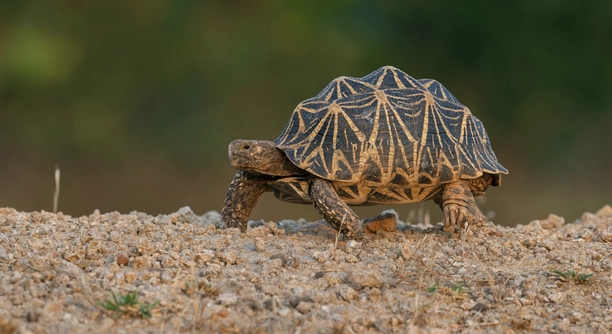
Mold growth in a turtle tank can quickly become an issue if not managed. It can lead to health problems for your pet and make cleaning more difficult. Preventing mold is essential for maintaining a clean, safe environment.
To prevent mold in a turtle tank, maintain proper filtration, control humidity levels, regularly clean the tank, and ensure adequate lighting. Additionally, remove any uneaten food promptly, and use non-porous materials for decorations to minimize mold buildup.
Proper care will not only help maintain a mold-free environment but also improve your turtle’s habitat. Keep reading to discover effective ways to protect your tank.
Keep the Tank Clean
A clean tank is essential to prevent mold from growing. Regularly remove waste, leftover food, and any decaying plants. These can all contribute to mold and bacteria buildup. Wipe down surfaces with a damp cloth to keep algae and mold from forming. Pay attention to the corners and under decorations where debris can hide. Cleaning is best done at least once a week. During cleaning, avoid using harsh chemicals, as they can harm your turtle. Instead, opt for natural cleaners or warm water to disinfect surfaces.
Removing uneaten food promptly is also crucial. Food left in the tank can break down and create a breeding ground for mold. Make sure to check the tank every day and remove any leftovers. This habit will significantly reduce the chances of mold developing.
To maintain a clean environment, it’s helpful to invest in a good filtration system. A powerful filter will remove waste and bacteria more effectively. Regular maintenance of the filter ensures it’s working properly, preventing mold from building up in the first place.
Control Humidity Levels
Humidity plays a large role in mold formation. High humidity levels promote mold growth in the tank, so it’s important to monitor and control them. Aim to keep the humidity between 40% and 60%. You can do this by adjusting the water temperature or using a dehumidifier in the room.
If the humidity is too high, it can cause mold to grow on surfaces, decorations, and plants. A hygrometer can help you track humidity levels accurately. Keep the air moving by using a fan to circulate air and avoid stagnant moisture, which promotes mold growth. Additionally, avoid overfilling the tank with water, as this can increase humidity levels unnecessarily. Regularly checking and adjusting the humidity will go a long way in preventing mold and ensuring a healthy environment for your turtle.
Use Non-Porous Materials
Non-porous materials are much easier to clean and prevent mold buildup. Opt for decorations made from plastic, glass, or ceramic. These materials don’t absorb moisture, making it harder for mold to grow. Avoid using wood or natural materials, as they can hold moisture and promote mold formation over time.
When selecting tank accessories, prioritize non-porous options. Look for plants, rocks, and logs that are either made from or coated with materials that do not retain water. These will last longer and be much simpler to clean. Regularly disinfect these materials to further reduce the risk of mold.
Ensure that the tank’s surfaces are free from any porous materials that could contribute to mold growth. This includes making sure that all decorations are smooth and don’t have any cracks where mold can thrive. A mold-resistant setup can save you time and effort in cleaning.
Maintain Proper Lighting
Proper lighting is vital for preventing mold growth in a turtle tank. The right lighting helps control the moisture levels and provides a healthy environment for your pet. Ensure that your tank receives at least 12 hours of light each day. Use UVB lights to support your turtle’s health, but also make sure to avoid excessive humidity caused by improper lighting.
Too much light can lead to higher temperatures, which increases humidity and can encourage mold. Balance your light settings to ensure the right temperature, and always place the light fixture at an appropriate distance from the water. A timer can help maintain consistency in lighting, preventing fluctuations that could affect mold growth. Regularly check that the bulbs are working properly and replace them when needed.
Remove Excess Water
Excess water can create a perfect environment for mold. Always ensure that the water level is appropriate and that there is no standing water around the tank. If you notice any puddles, clean them up right away. Keeping the water level controlled will help prevent mold buildup.
Check the tank’s water quality regularly. Too much water can also cause the substrate to stay damp for longer, promoting mold growth. If the tank is too full, consider removing some water to reduce humidity. A stable water level is key to mold prevention.
Use a Dehumidifier
A dehumidifier helps maintain the right humidity levels in the room. By reducing moisture in the air, it limits the chances for mold growth. Set the dehumidifier to the desired level and allow it to run in the room where the tank is kept. This will also help keep the tank dry.
Position the dehumidifier near the tank, but not directly in the tank’s environment. It should remove moisture without causing the tank to dry out too quickly. Adjust settings based on the humidity levels that are ideal for your turtle’s health.
Keep Tank Covered
A tank cover keeps dust and debris out while preventing excessive moisture from entering. It’s especially useful when you have multiple turtles or a larger tank. The cover also helps maintain a more consistent temperature and humidity level, reducing the chance of mold.
FAQ
What causes mold in a turtle tank?
Mold typically forms in a turtle tank when excess moisture is present. This can happen due to poor water circulation, high humidity levels, or leftover food and waste. If the tank isn’t cleaned regularly or has poor filtration, mold spores can thrive. Keeping the tank well-maintained and free of decaying organic matter reduces the likelihood of mold growth.
How can I tell if mold is in my turtle tank?
Mold often appears as fuzzy or discolored patches on surfaces, including tank walls, decorations, or substrates. It may range in color from white to greenish or black. If you notice any unusual growth, it’s a good idea to inspect the tank more closely. Mold can also produce a musty odor, which is another indicator.
Can mold harm my turtle?
Yes, mold can be harmful to your turtle’s health. Exposure to mold can lead to respiratory issues, skin irritations, or infections. Mold can also impact the overall cleanliness of the tank, affecting water quality and increasing the risk of diseases. It’s essential to address mold growth as soon as you notice it.
How often should I clean my turtle tank to prevent mold?
A regular cleaning schedule is key to preventing mold. Clean your turtle’s tank at least once a week, but you should spot clean more often to remove any food or waste. Changing the water regularly and cleaning the substrate will help keep the environment mold-free.
What is the best way to remove mold from a turtle tank?
To remove mold, start by gently scrubbing the affected areas with a soft brush or cloth. You can use warm water to clean the tank. For stubborn mold, try using vinegar diluted with water (1:1 ratio) to scrub the surfaces. Avoid harsh chemicals, as they can harm your turtle. After cleaning, rinse everything thoroughly to remove any cleaning residue.
Is it safe to use bleach to clean my turtle’s tank?
Bleach is not recommended for cleaning a turtle tank due to its toxic nature. Even small amounts of bleach left behind can harm your turtle. Stick to safer, natural cleaning methods like vinegar, or use aquarium-safe cleaners specifically designed for pet tanks.
Can high humidity cause mold in a turtle tank?
Yes, high humidity is a major factor in mold growth. A humid environment creates ideal conditions for mold spores to thrive. To control humidity, make sure the tank is properly ventilated, and use a dehumidifier if necessary. Keep humidity levels between 40% and 60% to avoid mold problems.
Should I use a filter to prevent mold?
Yes, using a good filtration system is essential for keeping the tank clean and mold-free. A filter helps remove waste, uneaten food, and debris, which can encourage mold growth. Regularly maintain the filter to ensure it is working properly. A filter also helps keep the water clear and reduces bacteria buildup.
Can I prevent mold by covering the tank?
Covering the tank can help reduce mold growth by limiting the amount of moisture that escapes into the air. A cover also prevents dust and other debris from entering the tank, keeping it cleaner. Just make sure the cover allows enough ventilation to avoid excessive humidity buildup inside the tank.
How can I maintain the proper lighting to prevent mold?
Proper lighting is key in preventing mold. UVB lights are essential for your turtle’s health, but be mindful of heat and humidity. Keep lights at an appropriate distance from the water to prevent excess humidity. You should aim for 12 hours of light each day, using a timer to regulate the light cycle. Be sure to replace any old bulbs to maintain optimal lighting conditions.
What can I do if mold keeps growing back?
If mold keeps returning, you may need to adjust the environmental conditions in the tank. Check the humidity levels and ensure the tank is being cleaned thoroughly. Ensure proper water circulation and filtration. If necessary, consider investing in a stronger dehumidifier or better tank covers. Regular maintenance and monitoring will help control persistent mold issues.
What materials are best for preventing mold in a turtle tank?
Non-porous materials like plastic, glass, or ceramic are best for preventing mold in a turtle tank. These materials do not absorb moisture, making them less prone to mold growth. Avoid porous materials like wood or natural rocks, as they hold moisture and create an environment that mold can thrive in. Regular cleaning of these materials is essential to prevent mold buildup.
Final Thoughts
Maintaining a clean and healthy environment for your turtle is crucial for its well-being. Mold growth in the tank can lead to various health issues, not just for your turtle but also for the overall tank environment. By keeping the water clean, controlling humidity levels, and ensuring proper ventilation, you can significantly reduce the chances of mold developing. Regular cleaning and inspecting the tank are essential in catching mold growth early before it becomes a bigger problem.
It’s also important to remember that preventing mold is an ongoing process. It’s not enough to clean the tank once and assume mold will never appear again. A consistent cleaning schedule, monitoring the water quality, and maintaining proper humidity levels will keep your turtle’s habitat healthy. Using safe, natural cleaning solutions, like vinegar, can also help remove mold without harming your turtle. Avoiding harsh chemicals and sticking to non-toxic methods is vital for your pet’s health.
Finally, staying proactive in mold prevention is the key. Ensure your turtle’s tank has proper filtration and is well-ventilated. Keep an eye on the tank’s water levels and humidity, as both can contribute to mold growth. Regularly changing the water, wiping down surfaces, and cleaning decorations will help maintain a safe environment. With attention and care, you can keep your turtle’s home mold-free and promote its overall health.

Hello,
If you enjoy the content that we create, please consider saying a "Thank You!" by leaving a tip.
Every little bit helps us continue crafting quality advice that supports the health, happiness, and well-being of pets around the world, for pets of all shapes, sizes, and species.
We really appreciate the kindness and support that you show us!