
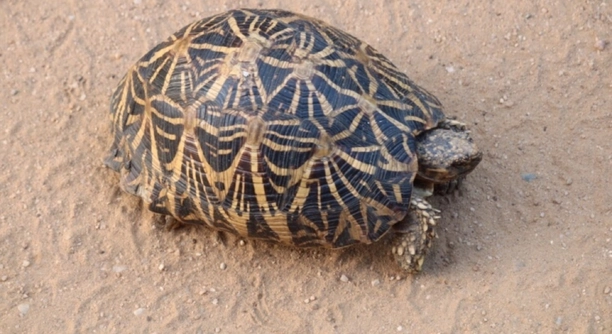
Turtles are fascinating creatures, often displaying unique behaviors that can puzzle their owners. One common concern is the gulping sound some turtles make. Understanding this behavior can help ensure your pet’s well-being and comfort.
The gulping sound your turtle makes is often related to its respiratory system, potentially signaling stress, a breathing issue, or even an improper tank environment. It is crucial to monitor their behavior and consult with a veterinarian if the sound persists.
Addressing the root cause of these sounds will help keep your turtle healthy and comfortable in its environment. Understanding how to care for your pet’s needs is key to preventing further concerns.
Possible Causes of Gulping Sounds
Turtles making gulping sounds often point to a few key issues that could be affecting their health. One possibility is that your turtle is having trouble breathing, which might be due to an infection or obstruction. Respiratory infections are common in turtles, especially if they are kept in environments that are too cold or humid. Another cause could be the water quality, as poor water conditions can irritate their respiratory system. Additionally, stress from overcrowding, improper tank size, or sudden changes in the environment can also contribute to abnormal behaviors like gulping.
If you notice your turtle consistently making gulping sounds, the first step is to check their tank. Ensure that the water is clean, warm, and filtered properly. Make sure your turtle has plenty of space to swim and a place to bask. Stress from inadequate space or temperature fluctuations can lead to breathing issues, so creating a stable and comfortable environment is key. In some cases, the gulping may signal something more serious, like a respiratory infection.
A veterinarian visit is essential if the gulping persists. They can perform a checkup to ensure your turtle’s respiratory system is functioning well and rule out any infections or other health problems. Early intervention is the best way to ensure your turtle stays healthy.
What You Can Do to Help
To start addressing the issue, maintain a clean and stable environment for your turtle. Regular tank cleaning and temperature checks will help prevent respiratory problems.
Tank Conditions and Water Quality
Poor water quality is a major contributor to your turtle’s gulping sounds. If the water in your turtle’s tank is not clean or filtered properly, it can irritate their respiratory system and lead to abnormal breathing. Regular water changes and proper filtration are key to preventing these issues.
The water temperature should also be monitored. If it is too cold, it can stress your turtle’s body and cause them to gasp for air. Aim for a water temperature between 75°F and 80°F (24°C – 27°C), which is ideal for most species. Additionally, check the pH levels of the water and ensure they are within the appropriate range. A stable and clean environment helps prevent respiratory issues, reducing gulping sounds.
Regular water changes will reduce the buildup of harmful bacteria and toxins. A good filtration system ensures that your turtle’s environment stays clean, and you won’t have to worry about the water becoming too dirty. Keeping the water clear and balanced will support your turtle’s health.
Tank Size and Space
Turtles need ample space to move freely. A small tank can cause stress, which may lead to gulping sounds. Ensure the tank is large enough for your turtle to swim comfortably, with enough room for basking and exploring.
Stress and Anxiety
Stress is a common cause of gulping sounds in turtles. Overcrowding or constant handling can make your turtle anxious, leading to breathing irregularities. Turtles need quiet, stable environments to thrive.
If you notice your turtle becoming stressed, try to reduce disturbances and provide more hiding spots. These will give your turtle a sense of security and help calm them down.
Creating a peaceful, low-stress environment encourages better health and reduces behaviors like gulping. Limit handling, avoid loud noises, and make sure they have space to retreat.
Respiratory Infections
Respiratory infections are a significant cause of gulping sounds in turtles. Symptoms include wheezing, nasal discharge, or labored breathing. These infections can be caused by poor tank conditions, like incorrect temperatures or dirty water.
If left untreated, respiratory infections can worsen and harm your turtle’s health. To prevent infections, maintain proper water quality, temperature, and humidity levels. If you suspect an infection, seek veterinary care promptly. The veterinarian will provide the best course of action for treatment and recovery.
Tank Temperature
Temperature fluctuations can stress your turtle and cause it to gasp for air. A stable water temperature is essential for their overall health.
FAQ
Why is my turtle gulping air?
Gulping air can be a sign of stress or respiratory issues. It’s common for turtles to gasp if the water temperature is too cold or if the water quality is poor. This behavior could also signal an infection, especially if accompanied by other symptoms like wheezing or nasal discharge. Check your turtle’s environment to ensure it’s clean and stable. If the behavior persists, a trip to the vet may be necessary to rule out health problems.
Can poor water quality cause gulping sounds?
Yes, poor water quality is one of the leading causes of gulping sounds. When the water is dirty, it can irritate your turtle’s respiratory system. This irritation can make your turtle gasp for air or make gulping sounds. Regular water changes, proper filtration, and ensuring the water is free from chemicals will help reduce this problem. Always test the water for pH levels and toxins to ensure it is within a healthy range for your turtle.
How can I reduce my turtle’s stress?
Stress can lead to gulping sounds and other signs of distress in turtles. To minimize stress, ensure your turtle has enough space in its tank and provide hiding spots where it can retreat when needed. Avoid constant handling and noisy environments. Additionally, maintain a stable temperature in the tank and avoid overcrowding, as these factors can contribute to your turtle’s stress. A calm, stable environment is key to keeping your turtle happy and healthy.
What temperature should my turtle’s tank be?
Turtles need a consistent water temperature between 75°F and 80°F (24°C – 27°C) to remain comfortable and healthy. If the temperature falls below this range, your turtle may become stressed, which could lead to gulping or other irregular behaviors. Make sure the tank is equipped with a heater and thermometer to maintain the right temperature. A basking area should also be provided with a heat lamp to allow your turtle to regulate its body temperature.
Could my turtle have a respiratory infection?
Respiratory infections in turtles often cause gulping sounds, wheezing, and nasal discharge. These infections are more likely if your turtle’s tank is too cold or if the water quality is poor. If your turtle is showing signs of illness, it’s important to take them to the vet for a proper diagnosis. A respiratory infection left untreated can be harmful, so early intervention is critical. Keep the tank conditions optimal to help prevent infections from occurring in the first place.
What should I do if my turtle keeps gulping?
First, check the water quality and temperature. Ensure the tank is clean, and the water is at the right temperature. If the water is dirty, change it and clean the tank. If the temperature is off, adjust the heater or move the tank to a more suitable location. If the gulping persists despite proper tank conditions, it may be time to visit a veterinarian to rule out respiratory issues or infections. Getting a professional opinion is crucial to ensure your turtle’s health.
Can gulping sounds be caused by the tank size?
Yes, a tank that’s too small can cause stress in your turtle, leading to gulping sounds. Turtles need space to swim freely and move around. A cramped environment can make them anxious, which might result in abnormal breathing patterns. Make sure your turtle has enough space to swim, bask, and explore. A larger tank will also help maintain better water quality and temperature regulation, which in turn helps prevent stress-related behaviors.
How often should I clean my turtle’s tank?
It’s important to clean your turtle’s tank regularly to maintain water quality and prevent respiratory issues. Perform a partial water change weekly, removing about 25% of the water. Clean the filter every 4 to 6 weeks to ensure proper filtration. Additionally, scrub the tank and decorations monthly to remove algae buildup. Keeping the tank clean helps reduce the risk of your turtle developing respiratory infections and other health issues.
Can handling my turtle too much cause gulping?
Yes, excessive handling can stress your turtle, which may lead to gulping or other abnormal behaviors. Turtles are not like pets that enjoy constant interaction, and too much handling can make them anxious. Limit handling to necessary occasions and make sure your turtle has a peaceful environment where it can feel safe. Providing a stable, low-stress environment will help reduce any behaviors related to anxiety, including gulping sounds.
Is there a connection between gulping sounds and feeding?
Gulping sounds can sometimes occur during or after feeding, especially if the turtle is eating too quickly or in an uncomfortable position. It’s important to feed your turtle in a calm, quiet area and avoid disturbing them while eating. If your turtle is gulping after meals, monitor its eating habits to ensure it’s not eating too fast or struggling to breathe. If the gulping persists, it could be a sign of a respiratory issue, in which case a vet visit would be recommended.
What should I do if I notice other symptoms along with gulping?
If your turtle is making gulping sounds and showing additional symptoms, such as nasal discharge, lethargy, or swollen eyes, it’s important to seek veterinary help. These signs could indicate a respiratory infection or other health problem. A vet can properly diagnose the issue and provide the best treatment options to ensure your turtle’s recovery. Ignoring these symptoms can lead to more severe health complications, so it’s crucial to address them promptly.
Final Thoughts
Gulping sounds in turtles are often caused by stress, poor water quality, or respiratory issues. When your turtle starts making these noises, it’s important to assess their environment first. Ensure the tank conditions are right, including clean water, the proper temperature, and enough space. Stress can easily result from overcrowding, handling, or tank conditions that are not suitable for your turtle. Providing a peaceful, secure space for your turtle to swim and bask will go a long way in preventing such behaviors.
If the gulping persists despite these adjustments, it could be a sign of a respiratory infection or other health issues. In these cases, it’s best to seek the help of a veterinarian who can offer a proper diagnosis. Respiratory infections are common in turtles and can worsen quickly if left untreated. Your vet can guide you on the best treatment options to ensure your turtle recovers fully. Early intervention is key to managing these health concerns effectively.
In the end, maintaining a stable environment is crucial for your turtle’s well-being. By focusing on water quality, temperature control, and reducing stress, you can help prevent most cases of gulping sounds. Regular monitoring of your turtle’s health and behaviors will allow you to address any issues before they become more serious. If you’re ever unsure, don’t hesitate to consult with a vet for peace of mind and proper care.

Hello,
If you enjoy the content that we create, please consider saying a "Thank You!" by leaving a tip.
Every little bit helps us continue crafting quality advice that supports the health, happiness, and well-being of pets around the world, for pets of all shapes, sizes, and species.
We really appreciate the kindness and support that you show us!