
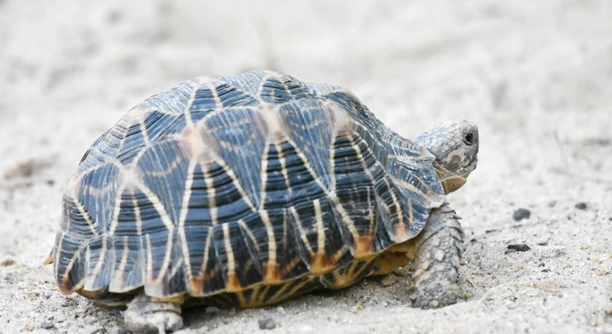
Turtles are fascinating creatures, but when they start avoiding food, it can be worrying. Understanding the reasons behind their behavior can help ensure their health and happiness. There are various factors that may contribute to this issue.
The main reasons why a turtle may avoid its food include stress, water temperature fluctuations, poor diet, illness, or even the presence of parasites. External factors like habitat changes or tank mates can also influence a turtle’s appetite.
Knowing the key reasons behind this behavior can guide you in making the necessary adjustments. By understanding these factors, you can help your turtle feel more comfortable and encourage healthy eating habits.
Stress and Anxiety
Stress is a common reason why your turtle might avoid its food. Turtles are sensitive creatures, and even small changes in their environment can lead to anxiety. New tank mates, loud noises, or even frequent handling can cause stress, making them hesitant to eat. In some cases, a stressed turtle may withdraw, hiding in its shell or refusing to interact.
If your turtle is displaying signs of stress, it’s essential to evaluate its living conditions. Make sure the tank is quiet, comfortable, and not overcrowded. Giving your turtle time to adjust to changes and reducing handling can help ease stress. Keeping the environment stable is key.
Consider adding more hiding spots or decorations to make your turtle feel safer. A well-structured tank with plenty of space can go a long way in minimizing anxiety. If you continue to see signs of stress, you may want to observe your turtle more closely for any other symptoms that could point to health issues.
Water Temperature Issues
Water temperature plays a critical role in your turtle’s appetite. If the water is too cold, your turtle’s metabolism slows down, leading to reduced activity and eating. The ideal temperature for most species ranges between 75°F and 80°F, though this can vary.
When the water temperature drops below the recommended range, your turtle may stop eating. It’s essential to have a reliable thermometer in your tank to monitor water conditions closely. A sudden fluctuation can also confuse your turtle’s body, making it harder for it to maintain regular eating habits.
To prevent temperature-related problems, invest in a quality water heater. Set it to the proper range and make sure your turtle’s basking area stays warm as well. Regularly checking the water temperature and maintaining a stable environment will encourage your turtle to eat and stay healthy.
Illness or Injury
A turtle refusing food can also be a sign of illness or injury. Turtles may avoid eating when they’re in pain or not feeling well. If your turtle has been more lethargic than usual or is showing signs of swelling or unusual behavior, it could be a health concern. Common illnesses like respiratory infections, shell rot, or parasites can make your turtle feel unwell and cause a loss of appetite.
If you suspect your turtle is sick, it’s important to visit a vet who specializes in reptiles. A professional can diagnose any underlying health issues and recommend appropriate treatment. Sometimes, a minor injury or infection can affect your turtle’s ability to eat properly, making a vet visit crucial.
Keeping your turtle’s living space clean and regularly checking for signs of illness can help prevent these issues from becoming serious. Addressing health concerns quickly is vital for your turtle’s long-term well-being.
Poor Diet or Unappealing Food
A lack of variety or unsuitable food can lead to your turtle turning away from meals. If you’re feeding your turtle the same food every day, it may lose interest. Turtles need a balanced diet that includes both plant and animal matter.
Offering different foods like leafy greens, insects, or commercial turtle pellets can provide the nutrients your turtle needs. Make sure the food is cut into manageable pieces and free from pesticides or harmful chemicals. Fresh, nutrient-rich meals can stimulate their appetite and keep them healthier.
You may also want to experiment with offering food in different ways, such as placing it in the water or on a flat surface. By providing more engaging options, you can encourage your turtle to eat regularly. Always remember that a well-rounded diet can help prevent malnutrition, which can affect your turtle’s energy levels and overall health.
Incompatible Tank Mates
If your turtle shares its space with other animals, it might avoid eating due to competition for food or aggression. Some tank mates, especially more aggressive species, can intimidate your turtle, causing it to avoid meals.
Incompatible tank mates can also stress your turtle, which, as mentioned earlier, can lead to a loss of appetite. Consider whether your turtle feels safe in its environment, especially during feeding times. Some species, like fish or other reptiles, may steal food or disturb your turtle while it’s eating.
To reduce stress, ensure your turtle has a designated space to eat without interference. Separate aggressive animals from your turtle and provide enough food for everyone. By creating a peaceful and cooperative tank environment, your turtle will be more inclined to eat and feel secure.
Dirty Tank or Poor Water Quality
A dirty tank can discourage your turtle from eating. Poor water quality, such as high levels of ammonia or dirty water, can make the environment unappealing for your turtle. Clean water is essential for a healthy and comfortable space.
Make sure to change the water regularly and clean the tank to prevent harmful build-up. Use a water filter to keep the water clean and check its quality often. When the tank is clean, your turtle will be more inclined to swim and eat.
Regular water maintenance is vital for keeping your turtle’s habitat in top condition. A clean tank contributes to your turtle’s overall health, reducing the risk of stress or illness.
Seasonal Changes
Turtles may eat less during certain seasons, particularly during cooler months. As reptiles, they rely on external temperatures to regulate their body heat. When the weather changes, they may enter a semi-dormant state, reducing their food intake.
This behavior is especially common in species like box turtles. During colder months, they may naturally eat less or even stop altogether as they slow down their metabolism. It’s important to keep the tank temperature stable year-round to minimize stress and encourage eating.
During these months, it’s best to monitor your turtle closely for signs of lethargy or health issues. Make sure their habitat stays comfortable and consistent.
Overfeeding or Spoiled Food
Overfeeding can also cause your turtle to avoid food. If your turtle is regularly offered too much food, it may simply not feel hungry. Spoiled or old food can also deter your turtle from eating.
To prevent this, only feed your turtle the appropriate amount of food for its size and age. Remove uneaten food from the tank after a few hours to keep it fresh and prevent the water from getting contaminated. Offering small, regular meals can help encourage a healthy eating schedule for your turtle.
FAQ
Why isn’t my turtle eating?
There are several reasons your turtle might not be eating. Common causes include stress, water temperature issues, poor water quality, an unsuitable diet, and tank mate problems. Stress from environmental changes, new tank mates, or handling can cause your turtle to stop eating. Similarly, if the water temperature is too cold or too warm, your turtle might not feel like eating. Dirty water can also deter your turtle from eating, as it might make the environment uncomfortable. It’s also important to check the diet, as some turtles can get picky or refuse food if they aren’t offered variety. Tank mates can also affect feeding; aggressive or dominant animals may prevent your turtle from eating.
How can I make my turtle eat?
To encourage your turtle to eat, first, ensure its environment is comfortable. Check the water temperature, clean the tank, and monitor the water quality. Offer a variety of foods like vegetables, fruits, and protein-based foods such as worms or shrimp. If your turtle has been stressed, try providing more hiding spots or reducing handling time. If tank mates are causing issues, consider separating them during feeding. Make the food more appealing by offering it in different ways, like floating it in the water or placing it in a shallow dish.
What temperature should my turtle’s water be?
The ideal water temperature for most turtles ranges between 75°F and 80°F (24°C to 27°C). This temperature range ensures that your turtle’s metabolism remains active, promoting good digestion and healthy eating habits. If the water is too cold, your turtle’s metabolism may slow down, causing a loss of appetite. On the other hand, water that’s too warm can also cause discomfort. It’s important to invest in a reliable water heater and thermometer to maintain consistent temperatures in the tank.
How often should I feed my turtle?
The frequency of feeding depends on your turtle’s age and size. For young turtles, it’s typically recommended to feed them daily. Adult turtles usually require feeding 3-4 times a week. Offering smaller, regular meals is better than overfeeding them in one sitting. Overfeeding can lead to obesity and health issues. Remove any uneaten food after a few hours to maintain water quality.
Is it normal for a turtle to stop eating during hibernation?
Yes, it is normal for some turtles to eat less or stop eating during colder months when they enter a state of dormancy or brumation. This is a natural behavior, especially in species like box turtles or painted turtles. During this time, their metabolism slows down, and they do not require as much food. However, make sure the tank temperature remains stable to avoid unnecessary stress during this period.
Can I feed my turtle only lettuce?
Lettuce should only be a small part of your turtle’s diet. While leafy greens like lettuce are a good source of fiber, they don’t provide the full range of nutrients your turtle needs. Turtles require a balanced diet that includes protein, calcium, and other vitamins. Offer a variety of vegetables, fruits, and protein sources, such as worms, fish, or specially formulated turtle pellets. Stick to dark, leafy greens like collard greens, kale, and dandelion greens for better nutritional value.
Why is my turtle’s shell soft?
A soft shell is usually a sign of calcium deficiency. This can happen if your turtle is not getting enough calcium in its diet or is not basking under UVB light. Calcium is essential for shell growth and overall health. Ensure your turtle has access to proper UVB lighting for 10-12 hours a day to help it synthesize vitamin D3, which is necessary for calcium absorption. You can also supplement their diet with calcium-rich foods or use a calcium supplement powder. If the soft shell persists, a visit to a vet may be necessary.
How do I know if my turtle is sick?
Signs of illness in turtles include a lack of appetite, swollen eyes, abnormal swimming behavior, lethargy, or a change in the appearance of their shell or skin. If your turtle is not eating for an extended period or seems unwell in other ways, it’s best to consult a veterinarian who specializes in reptiles. Common turtle illnesses include respiratory infections, shell rot, or parasites, which require professional care. Timely intervention can prevent the illness from worsening.
Can I give my turtle fish as food?
Yes, many turtles enjoy eating fish, and it can be a good source of protein. However, it should not be the only food in their diet. Too much fish, especially fatty fish, can lead to nutritional imbalances. Offer fish as a treat or supplement to a varied diet. Some turtles also enjoy live fish, but be mindful of the risks of introducing parasites or bacteria. Always ensure the fish is clean and free from harmful chemicals before feeding it to your turtle.
How do I clean my turtle’s tank?
Cleaning your turtle’s tank is important for maintaining good water quality and preventing diseases. First, remove any uneaten food and waste from the tank. Change the water regularly—at least once a week, or more often if the tank is heavily stocked. Clean the tank’s walls, substrate, and decorations with warm water and a soft brush. Avoid using harsh chemicals, as they can harm your turtle. If you use a filter, clean it according to the manufacturer’s instructions to maintain optimal water flow and quality.
Final Thoughts
Turtles can be sensitive creatures, and their eating habits are often influenced by various factors. Whether it’s stress, water quality, temperature, or diet, understanding these influences can help you address the issue of your turtle not eating. It’s important to be patient and observe your turtle’s behavior closely. Sometimes, small changes in their environment can have a big impact. Ensure that your turtle has a balanced diet and a clean, comfortable environment. If they continue to refuse food, it might be time to consult with a vet who specializes in reptiles. A professional can help identify any underlying health issues and guide you in finding the right solution.
In many cases, minor adjustments can encourage your turtle to eat. For example, offering different types of food, adjusting the water temperature, or reducing stress factors can make a significant difference. Adding variety to your turtle’s diet helps prevent boredom, and it’s important to monitor their intake to ensure they are getting all the nutrients they need. If the water quality is poor, it can not only cause feeding issues but also affect your turtle’s overall health. Regular tank maintenance, such as cleaning the tank and checking the filter, is a key part of keeping your turtle happy and healthy.
Ultimately, the key is to observe your turtle carefully and make any necessary changes to its environment and diet. Keeping a consistent routine for feeding and tank maintenance is essential. While it may take some time, most turtles will start eating again once their needs are met. If all else fails, seeking expert advice from a vet can help identify potential problems and provide peace of mind. By staying proactive and attentive to your turtle’s needs, you can help them thrive in a comfortable, healthy environment.

Hello,
If you enjoy the content that we create, please consider saying a "Thank You!" by leaving a tip.
Every little bit helps us continue crafting quality advice that supports the health, happiness, and well-being of pets around the world, for pets of all shapes, sizes, and species.
We really appreciate the kindness and support that you show us!