
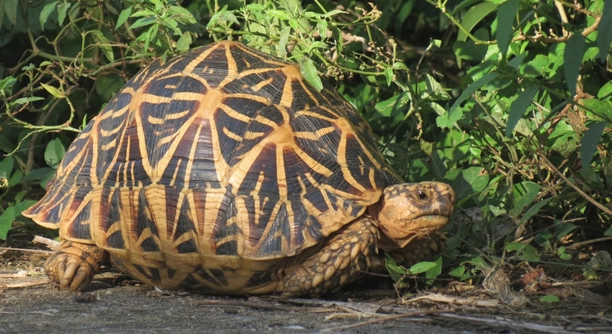
Turtles are fascinating creatures, but sometimes their behavior can leave us wondering what’s going on. One common concern among turtle owners is when their pet keeps hiding under rocks, leaving us curious about what it means.
Turtles often hide under rocks as a response to stress, feeling unsafe, or simply seeking a quiet, secure place to rest. This behavior is instinctual and provides them with comfort, allowing them to regulate their environment and emotions.
Understanding why your turtle behaves this way can help improve its overall well-being. With a few simple changes to its habitat, you can encourage a healthier, more comfortable environment for your pet to thrive.
Why Turtles Hide Under Rocks
Turtles are naturally shy creatures, and they often seek shelter when they feel threatened or stressed. Hiding under rocks is a way for them to find security and avoid potential danger. If your turtle keeps hiding, it might be reacting to something in its environment. Changes in its habitat, noise, or even a new pet in the house can trigger this response. It’s important to understand that hiding doesn’t necessarily mean your turtle is unwell. It’s just a part of their natural behavior, and they might only come out when they feel safe.
Sometimes, turtles hide to regulate their temperature. If they are too hot or too cold, they may retreat to a cooler or warmer spot under the rocks. Make sure their enclosure has a range of temperatures, with warm and cool areas where they can adjust as needed. This helps them stay comfortable and healthy.
Proper lighting and a well-balanced diet also play an essential role in how your turtle feels. If your turtle isn’t getting enough exposure to natural sunlight or appropriate UVB light, it may retreat more often. Ensuring their environment meets their needs can help reduce this behavior. Regularly clean their habitat, and monitor their eating habits. If the hiding persists, consider consulting with a vet to rule out any underlying health issues.
How to Create a Safe Environment
To help your turtle feel more secure, create a habitat that closely mimics its natural environment. A few hiding spots, like rocks, logs, or plants, will provide the perfect shelter. Make sure to maintain a balanced setup.
Turtles prefer an environment that gives them control over their surroundings. When they can choose between warm and cool spots or find a quiet space to retreat, they are less likely to hide excessively. It’s important to remember that a happy, healthy turtle will often explore more and spend less time in hiding. By offering a safe, comfortable space, you’ll encourage them to be more active and content.
Stress and Anxiety in Turtles
Stress is a common reason turtles seek shelter under rocks. This could be due to environmental changes, loud noises, or even new animals introduced to the area. When turtles feel stressed, they instinctively hide to feel safe.
If your turtle is hiding frequently, check for any recent changes in its environment. Has there been a sudden shift in temperature or lighting? A new pet or person in the house? These factors can cause your turtle to retreat and avoid interaction. You can reduce stress by keeping the environment calm and stable. Ensure your turtle’s habitat is quiet, free from sudden movements, and has a proper heating and lighting system.
Make sure that there’s nothing in your turtle’s environment that could be causing it harm. Excessive handling or a lack of privacy can also make your turtle feel anxious. Keeping a low profile around its habitat can help your turtle feel more secure and less likely to hide. Reducing stress is key to encouraging healthy behavior and better interaction with your pet.
Temperature and Lighting Needs
Turtles rely on specific temperature and lighting conditions to stay healthy. If the water is too cold or too hot, your turtle may retreat to a hiding spot to regulate its body temperature. This behavior is instinctual.
To create an optimal environment, make sure your turtle has access to both warm and cool areas. Use a basking lamp to create a warm spot where it can rest, and ensure the water is cooler but not too cold. The proper light source also helps your turtle metabolize nutrients and maintain its health. UVB light is crucial for turtles, as it helps them produce vitamin D3, necessary for calcium absorption.
If you notice your turtle hiding more often, check if the temperature in its tank is in the correct range. Consistent lighting and temperature control will help your turtle feel comfortable and active. Without the proper environment, it may continue hiding as a way to escape from the discomfort.
Health Issues in Turtles
Health problems can cause turtles to hide. If they feel unwell, they may retreat to a hiding spot as a way to avoid being vulnerable. This behavior can indicate pain or discomfort.
If your turtle is hiding more than usual, pay close attention to its eating habits and overall activity level. Loss of appetite, lethargy, or unusual behavior may signal an underlying issue, such as a respiratory infection or shell problems. In such cases, it’s best to consult a vet to ensure your turtle’s health is not compromised.
Feeding and Diet
A poor diet can also lead to your turtle hiding. If the food offered doesn’t meet its nutritional needs, it may feel weak or sluggish. A lack of proper nutrition can make your turtle more prone to stress and hiding.
Turtles need a balanced diet that includes both animal protein and plant matter. This can include insects, worms, leafy greens, and the right amount of calcium. Ensure your turtle is getting a varied diet to keep it active and healthy. Proper feeding habits reduce the likelihood of your turtle feeling unwell and hiding more often.
Sheltering Instincts
Turtles are natural hiders, and this instinct is deeply ingrained in them. Even when they are not stressed, they may hide simply out of habit. Rocks and logs offer a sense of safety and security.
Turtles seek shelter when they feel vulnerable or need to rest. It’s important to provide appropriate hiding spots in their tank, so they can feel comfortable and secure. Over time, this behavior can lessen as they become accustomed to their environment and feel safer.
FAQ
Why is my turtle constantly hiding under the rocks?
Turtles often hide to feel safe or secure. It could be due to environmental stress, such as changes in temperature, lighting, or loud noises. Turtles also hide when they are feeling unwell or stressed. If your turtle is hiding more than usual, it’s essential to examine its environment and check for signs of illness.
Should I be concerned if my turtle hides a lot?
It depends on the situation. If your turtle is hiding occasionally and seems to come out to eat or bask, it’s usually fine. However, if it’s hiding continuously, not eating, or showing signs of lethargy or discomfort, this could indicate a health problem, and a vet visit may be necessary.
Can temperature affect my turtle’s hiding behavior?
Yes, temperature is a crucial factor in a turtle’s behavior. If the water is too hot or too cold, your turtle may seek a hiding spot to regulate its body temperature. Make sure your turtle has access to both warm and cool areas to maintain comfort.
What can I do if my turtle is hiding too much?
First, check if the environment is stable. Ensure that the water temperature and lighting are appropriate. Provide plenty of hiding spots so your turtle feels secure. If the hiding continues, look for signs of illness like poor appetite, lethargy, or unusual shell behavior and consult a vet if needed.
Could my turtle be hiding because it’s stressed?
Yes, stress is a common reason for hiding. Changes in the turtle’s environment, the presence of other animals, or sudden loud noises can trigger stress. Keep the environment calm and avoid unnecessary handling. Providing a quiet, stable habitat may help your turtle feel more comfortable and reduce hiding.
How do I know if my turtle is sick?
Signs that your turtle may be sick include lack of appetite, lethargy, closed eyes, and changes in behavior, like hiding more often. If you notice these symptoms, it’s best to consult a veterinarian. Sick turtles may also have abnormal shell colors, soft shells, or respiratory problems.
Is my turtle hiding because it is hungry?
Sometimes turtles hide to escape from distractions, including food. However, hiding does not always indicate hunger. If your turtle is hiding and not eating, it may have health issues, such as digestive problems, or it may not feel comfortable in its environment. Try adjusting its habitat and feeding routine to see if that helps.
How can I create a more comfortable environment for my turtle?
To make your turtle feel more secure, ensure that its habitat has the right balance of warm and cool areas. Provide hiding spots like rocks, logs, or plants. Make sure the water is clean, and the UVB light is functioning. A quiet environment with minimal disturbance also helps turtles feel safe.
What if my turtle’s shell is turning soft and it’s hiding more often?
Softening of the shell, combined with excessive hiding, can be a sign of calcium deficiency or a health issue. Make sure your turtle is getting enough calcium in its diet, such as through calcium supplements or cuttlebone. If the problem persists, consult a veterinarian for further evaluation.
Can my turtle hide due to being in a new environment?
Yes, turtles may hide when they are placed in a new environment. They can be territorial and feel vulnerable when introduced to unfamiliar surroundings. Give your turtle time to adjust to its new home and ensure it has plenty of hiding spots to reduce stress and help it feel comfortable.
How often do turtles need to hide?
Hiding is normal behavior for turtles, but it should not be excessive. If your turtle is hiding regularly but still coming out to eat, bask, and interact, it’s probably fine. However, consistent hiding without coming out to feed or bask might indicate stress or health problems that need attention.
Should I remove the rocks if my turtle hides under them too much?
Removing hiding spots can make your turtle feel more exposed and insecure. Instead, consider adjusting the tank’s environment, such as temperature or lighting, to help reduce stress. You can also provide alternative hiding places or rearrange the tank to make it more appealing.
Can overfeeding cause my turtle to hide?
Overfeeding can cause your turtle to feel sluggish or bloated, leading it to retreat and hide. Turtles should be fed in appropriate amounts based on their size and age. If your turtle seems overly full or avoids food after eating, adjust its feeding schedule to prevent overfeeding.
Can I handle my turtle if it’s hiding?
It’s best not to handle your turtle too much when it is hiding. Excessive handling can increase stress and make the hiding worse. Let your turtle come out when it feels ready. If handling is necessary, do so gently and in a way that doesn’t cause additional stress.
What are some signs that my turtle is stressed?
Signs of stress in turtles include hiding more than usual, refusing food, rapid breathing, or a change in behavior. They may also appear more aggressive or shy. Ensuring a stable, comfortable environment with the right temperature, lighting, and diet can help reduce stress levels.
Is my turtle hiding because it’s going into hibernation?
Turtles in colder climates may hide during the winter months, entering a state of dormancy called brumation, which is similar to hibernation. During brumation, turtles eat less and may hide for extended periods. However, this behavior is typical only in the colder months and should not be confused with illness.
How can I encourage my turtle to stay active?
To encourage activity, provide a spacious tank with areas to explore and bask. Make sure the water is clean and the temperature is right. Offering a varied diet and regular interaction can also help keep your turtle active and engaged. If hiding continues, check for signs of discomfort or illness.
Final Thoughts
Understanding why your turtle hides under rocks can be a helpful way to ensure it remains healthy and comfortable in its environment. Hiding is a natural behavior for turtles, and it can serve several purposes, from feeling safe to adjusting to temperature changes. However, if your turtle hides more often than usual, it may be a sign that something in its environment or health needs attention. By paying attention to changes in behavior and making small adjustments to its habitat, you can help reduce stress and encourage your turtle to come out more often.
The most important factors to consider are the temperature, lighting, and overall setup of your turtle’s enclosure. Turtles need both warm and cool areas in their habitat so they can regulate their body temperature. Providing UVB light is also essential for their health, as it helps them produce vitamin D3 and absorb calcium. A clean and secure environment, with a few hiding spots, will allow your turtle to feel safe while still having space to explore and bask. Keep the surroundings quiet and free from sudden disturbances to reduce stress and help your turtle feel more comfortable.
If your turtle continues to hide frequently, it’s essential to consider its health. Turtles hide when they are not feeling well, and if they’re also showing signs of poor appetite, lethargy, or abnormal shell behavior, it might indicate an underlying health issue. In such cases, it’s best to consult a veterinarian who specializes in reptiles. With the right care, environment, and attention to your turtle’s needs, you can help it thrive and enjoy a long, healthy life.

Hello,
If you enjoy the content that we create, please consider saying a "Thank You!" by leaving a tip.
Every little bit helps us continue crafting quality advice that supports the health, happiness, and well-being of pets around the world, for pets of all shapes, sizes, and species.
We really appreciate the kindness and support that you show us!