
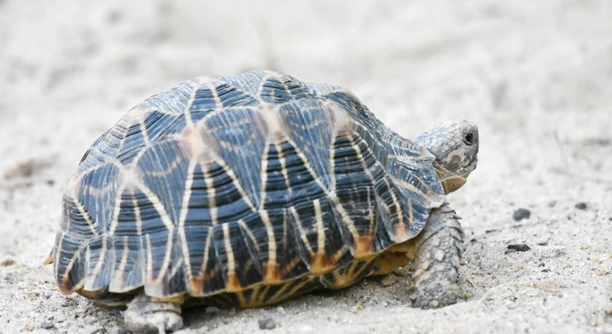
Turtles are fascinating creatures, and watching them bask in the sun is often a peaceful sight. However, if your turtle stops basking, it may be concerning. Understanding why this happens can help improve their care.
Turtles stop basking for various reasons, including inadequate lighting, temperature fluctuations, stress, or even health issues. It’s essential to identify the cause to ensure they receive proper care, as basking is crucial for their well-being.
By recognizing the key factors that affect basking, you can create a better environment for your turtle. This article will explore common reasons and provide solutions for each one.
Inadequate Basking Area Setup
One of the most common reasons turtles stop basking is because their basking area is not suitable. If the area doesn’t have enough heat, light, or space, your turtle may avoid it. Proper basking spots are essential for your turtle’s health, as they need the warmth to digest food and maintain a healthy metabolism.
A basking area should include a heat source, like a heat lamp, placed near the top of the basking platform. Ensure the temperature on the basking spot is around 85-95°F, depending on the species of turtle. If the area doesn’t meet these needs, your turtle may decide to stop basking altogether.
Also, consider the layout of the basking area. It should provide space for the turtle to move comfortably and dry off. Turtles don’t like to feel cramped or unable to access their food and water, so a clean, organized space is key to keeping them healthy and active.
Water Quality and Filtration
Water quality plays a major role in turtle behavior. Poor water quality can discourage turtles from basking. When water is dirty or smells bad, turtles may prefer staying in the water rather than moving to the basking area.
Turtles need clean water to stay healthy. The water must be filtered regularly to remove excess waste and debris. Water that’s too murky or polluted may cause skin and shell problems, further stressing the turtle. Keeping the tank or pond clean will encourage your turtle to bask and enjoy its environment more.
Improving the filtration system is a simple but effective solution. Regular water changes and maintaining the proper water temperature help keep your turtle comfortable. Healthy water encourages good behavior and can even improve your turtle’s appetite. Ensure there’s a balance in the habitat to keep them thriving and active.
Temperature Fluctuations
Turtles need a stable environment to feel comfortable. If temperatures in their tank or habitat fluctuate too much, they may stop basking. Too cold or too hot temperatures can cause them to avoid the basking spot altogether.
It’s important to keep the water and air temperature steady. A water temperature of around 75-80°F and a basking area between 85-95°F works for most species. Use thermometers to monitor both areas and make adjustments as needed.
Extreme temperature changes can stress your turtle, affecting its health and behavior. If your turtle stops basking, check for any sudden shifts in temperature. If there are fluctuations, consider using a more reliable heating system or additional lights to maintain consistency.
Stress
Turtles, like any pet, can get stressed. Stress can be a major reason why your turtle stops basking. If there are loud noises, other pets, or constant movement around the tank, it might cause them to avoid basking.
Turtles are sensitive creatures, and stress can negatively impact their behavior and overall health. To reduce stress, place the tank in a quiet, calm area where your turtle won’t be disturbed. Keep the surroundings peaceful and ensure there is enough hiding space for the turtle to feel safe.
Sometimes, adding a companion turtle or increasing the space can help reduce stress. A proper environment will encourage your turtle to bask and enjoy its time outside the water. Keep an eye on any behavioral changes to avoid long-term health issues.
Health Problems
If your turtle is not basking, it might be sick. Illness can make turtles avoid basking, as they may feel weak or unwell. Common health issues include respiratory infections or shell problems, which can affect their behavior.
If your turtle suddenly stops basking, it’s important to check for any signs of illness. Look for changes in appetite, lethargy, or abnormal breathing. A trip to the vet is necessary if you suspect health problems.
Lighting Issues
Turtles rely on UVB lighting to help them absorb calcium and stay healthy. If the light source is not working properly or is too weak, your turtle may not feel the need to bask.
Check your UVB bulb regularly and replace it as needed. Bulbs lose their effectiveness over time, and without the right light, your turtle can develop shell deformities or metabolic bone disease. Keep the light on for about 10-12 hours a day to help maintain your turtle’s health.
Improper Diet
A poor diet can also contribute to a turtle’s reluctance to bask. When turtles don’t get the nutrients they need, they might become lethargic and avoid basking.
Ensure your turtle is getting a balanced diet with plenty of protein, vegetables, and calcium. A lack of nutrients can cause health problems and discourage basking. Regularly adjusting their diet based on their age and species will improve their overall health and encourage natural behaviors like basking.
FAQ
Why is my turtle not basking in the sun?
If your turtle isn’t basking in the sun, it could be due to several factors. The temperature in the basking area might not be right, or the lighting may not be strong enough. Turtles need warmth to regulate their body temperature and UVB light to help with calcium absorption. If either of these is inadequate, they might stop basking. Stress, illness, or an uncomfortable basking area can also cause your turtle to avoid basking. Ensuring proper care and environment is crucial to encourage this important behavior.
How do I know if the basking area is set up correctly?
A good basking area should have proper heat and lighting. The temperature on the basking spot should be between 85-95°F, and the UVB light should cover the area well. Make sure the platform is large enough for your turtle to comfortably move and dry off. If the area feels too cold, cramped, or poorly lit, your turtle may not want to use it. Regularly check the temperature with thermometers and replace the UVB light every 6-12 months, depending on the bulb type.
Can water quality affect basking behavior?
Yes, water quality can impact your turtle’s behavior. If the water is dirty or has poor filtration, your turtle may avoid basking and spend more time submerged. Turtles can become stressed in polluted water, leading to a lack of interest in basking. Regular water changes and proper filtration are essential for keeping the water clean and encouraging healthy basking habits. Additionally, ensure that the water temperature is within the range appropriate for your turtle’s species.
What happens if my turtle stops basking for a long time?
If your turtle stops basking for an extended period, it could be a sign of stress or illness. It may also indicate that the basking area is unsuitable, such as incorrect temperatures or lighting. Without basking, turtles may develop health problems like shell deformities, metabolic bone disease, or digestive issues. If your turtle doesn’t resume basking within a couple of days, it’s best to consult a veterinarian to rule out any health problems.
Can stress make my turtle stop basking?
Yes, stress is a common reason why turtles stop basking. Stress can come from various sources like loud noises, overcrowded living spaces, or other pets disturbing the turtle. Turtles need a quiet and safe space to feel comfortable. If the environment feels threatening or if they are constantly being disturbed, they might retreat into the water and avoid basking. To reduce stress, ensure a calm, quiet environment and provide plenty of hiding spaces for your turtle to retreat when needed.
How often should my turtle bask?
Turtles should bask for around 2-4 hours each day. Basking is essential for their health, as it helps with digestion, temperature regulation, and UVB exposure. If your turtle is not basking regularly, it might be due to an issue with the setup or health. Make sure the basking area is inviting, with the right heat and lighting, and that the turtle feels comfortable and secure.
What is the ideal temperature for my turtle’s basking area?
The basking area should be between 85-95°F, depending on the species of your turtle. This range helps your turtle regulate its body temperature and stay healthy. Use a heat lamp or ceramic heat emitter to maintain the right temperature. Always use a thermometer to check the temperature and make adjustments as needed. If the area is too cool, your turtle may stop basking.
Should I use a UVB light for my turtle?
Yes, UVB light is essential for your turtle’s health. UVB light helps them synthesize vitamin D3, which is needed to absorb calcium properly. Without it, your turtle can develop serious health issues, including shell deformities and metabolic bone disease. Make sure the UVB light is positioned correctly over the basking area and replaced every 6-12 months, as it loses effectiveness over time.
Can my turtle stop basking due to a poor diet?
A poor diet can contribute to a turtle’s lack of interest in basking. Turtles need a balanced diet with protein, vegetables, and proper calcium intake. Without these nutrients, turtles can become lethargic and may avoid basking. Make sure your turtle’s diet includes the right foods for its species, and consider adding calcium supplements if needed. A healthy, well-fed turtle is more likely to bask regularly.
What should I do if my turtle keeps hiding instead of basking?
If your turtle is hiding instead of basking, it could be feeling stressed or unwell. Check the tank’s conditions—are the temperatures correct, and is the lighting sufficient? If the environment seems fine, check your turtle for signs of illness, such as a lack of appetite, unusual behavior, or difficulty swimming. Stress factors, such as loud noises, other pets, or territorial disputes, could also make your turtle seek shelter. Providing a quiet, calm, and clean environment is essential for encouraging basking.
Final Thoughts
Turtles are unique creatures with specific needs, and understanding why they stop basking is crucial to keeping them healthy. Basking is an essential part of their daily routine, providing them with warmth, UVB light, and the opportunity to dry off. If your turtle isn’t basking, it’s important to identify the cause and address it. Factors like temperature, lighting, stress, and diet can all play a role in whether or not your turtle enjoys basking. By paying attention to these aspects, you can create an environment that encourages natural behaviors and helps your turtle thrive.
If you’ve noticed that your turtle isn’t basking, start by checking the temperature and lighting in the basking area. Ensure that the heat is within the proper range, and the UVB light is providing the necessary exposure. A comfortable, clean basking spot with enough space will encourage your turtle to use it. If the water quality is poor, make sure to change it regularly and maintain good filtration. Stress can also be a factor, so keep the environment calm and quiet, away from disturbances. Addressing these issues should help your turtle feel comfortable enough to resume basking.
In some cases, health problems might be the reason your turtle stops basking. If your turtle continues to avoid basking despite having an ideal setup, it’s important to monitor for signs of illness and consult a vet if necessary. Early intervention can prevent more serious health issues down the line. Overall, by focusing on providing a stable and healthy environment, you can encourage your turtle to bask regularly and enjoy a long, healthy life. Understanding the common reasons for lack of basking and making adjustments as needed will help ensure your turtle remains happy and active.

Hello,
If you enjoy the content that we create, please consider saying a "Thank You!" by leaving a tip.
Every little bit helps us continue crafting quality advice that supports the health, happiness, and well-being of pets around the world, for pets of all shapes, sizes, and species.
We really appreciate the kindness and support that you show us!