
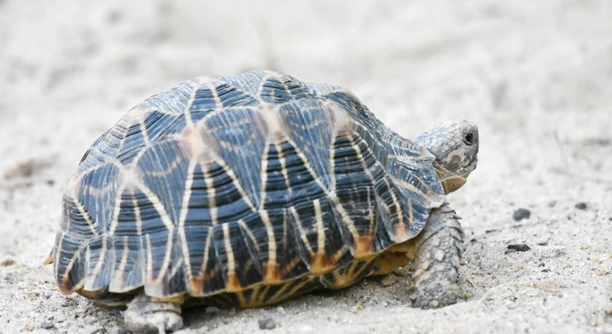
Turtles are fascinating pets, but sometimes they may exhibit odd behaviors, like hiding in corners. If you’ve noticed this with your turtle, understanding the causes can help improve their well-being. It’s important to address their needs appropriately.
Turtles hide in corners for various reasons, including stress, environmental changes, or illness. A sudden change in temperature or water quality can also make them retreat to a secluded spot. Ensuring a stable, comfortable environment can resolve this behavior.
There are several things you can do to make your turtle feel more comfortable and secure in its habitat.
Common Reasons Turtles Hide in the Corner
Turtles can hide for a variety of reasons, and the behavior can be influenced by both environmental factors and their own health. One common cause is stress. If the habitat is too noisy or too crowded, turtles may seek out secluded spots to escape. Another factor could be improper temperature. Turtles are cold-blooded animals, meaning they rely on the warmth of their environment to regulate their body temperature. If the tank is too cold or too hot, it can stress them out, causing them to hide. The water quality is another crucial aspect. Poor water quality, with high levels of ammonia or other contaminants, can make your turtle feel unsafe. Lastly, illness can be a reason. When turtles don’t feel well, they may retreat to a corner as a way of resting and avoiding interaction. Identifying these factors early can help maintain your turtle’s health.
Sometimes, it’s a matter of adjusting their environment. Keeping their tank clean and maintaining the right temperature range can go a long way in making them feel safe and comfortable.
If you’re noticing frequent hiding behavior, it’s best to check your turtle’s habitat thoroughly. Ensure the water is clean, the temperature is stable, and that they have enough space. A turtle’s behavior is often an indication of something not quite right, whether it’s environmental or health-related. If everything seems fine but your turtle is still hiding, a visit to the vet may be in order. Being proactive can prevent more serious issues down the line.
Stress and Its Effect on Turtles
Stress can cause turtles to hide in corners to feel secure. Changes in their environment, handling, or even loud noises can lead to this behavior. Turtles may retreat when they feel threatened or unsettled by their surroundings.
Sometimes, moving to a new home or making sudden changes in their tank can trigger stress. If you notice your turtle hiding after a shift in its environment, it’s likely a sign of discomfort. Overcrowding in a tank can also contribute to stress. Make sure your turtle has enough space to feel comfortable and explore.
Additionally, excessive handling can make your turtle anxious. Turtles are naturally solitary creatures and may find too much interaction overwhelming. Keeping their environment calm and minimizing stressors will help them feel safe. Avoid unnecessary disruptions, and try to maintain a stable, quiet environment to keep your turtle content.
Temperature and Water Quality
A turtle’s environment plays a huge role in its behavior. If the water temperature is too high or low, they might hide to regulate their body temperature. Turtles need a specific range to thrive, typically between 75-85°F for water. If the temperature falls outside of this range, your turtle could become stressed.
Water quality is just as important. Turtles need clean, filtered water for their health. Poor water quality with excess waste or chemicals can irritate them, leading them to hide. Regularly change the water, and use a reliable filter to keep it clean. It’s crucial to check both the temperature and water quality regularly to ensure your turtle’s habitat is optimal.
Investing in a thermometer and water testing kit can help you monitor both. If these factors are consistently maintained, your turtle is more likely to feel comfortable and stay active rather than retreat into a corner. Keep the water clean, and always check the temperature to ensure your turtle is happy and healthy.
Illness and Health Issues
Illness can cause a turtle to hide in a corner. When turtles are sick, they often isolate themselves to rest. Common health problems like respiratory infections or shell rot may lead to this behavior. If your turtle is hiding and acting lethargic, it could be a sign of illness.
If you suspect your turtle is unwell, it’s important to act quickly. Look for other symptoms such as swollen eyes, discharge from the nose, or abnormal behavior. Infections can spread quickly in turtles, and early intervention can make a big difference. A vet can help diagnose the problem and offer treatment options.
Ensure your turtle has access to a clean and safe environment to support its recovery. Keep an eye on their behavior and take action if necessary. A healthy turtle should be active and social, so any changes in behavior should be taken seriously.
Tank Setup
The setup of the tank is key to your turtle’s well-being. A small or poorly maintained tank can contribute to stress, making your turtle retreat into corners. Provide a tank with enough space for your turtle to move freely.
Consider the size of your turtle and adjust the tank size accordingly. A good rule of thumb is a tank that is at least 40 gallons for small to medium-sized turtles. A larger tank will allow for a more natural environment and space for swimming and basking. Make sure the tank includes both land and water areas to meet all of their needs.
A proper tank setup with clean water, the right temperature, and adequate lighting will help your turtle thrive and reduce hiding behaviors. A comfortable and well-maintained tank will encourage your turtle to be more active and confident.
Lighting and Basking Areas
Turtles need a proper lighting setup for both health and comfort. UVB lighting is essential for turtles to produce vitamin D3, which helps them absorb calcium. Without this, they may feel stressed and hide more often.
Ensure that your turtle has access to both UVB light and a basking spot where it can dry off and warm up. The basking area should be easily accessible, allowing your turtle to regulate its body temperature. The light should be on for around 10-12 hours a day to mimic natural sunlight.
FAQ
Why is my turtle hiding all the time?
Turtles hide for various reasons, including stress, illness, and environmental factors. If your turtle is hiding more than usual, it may be trying to escape a source of stress, such as overcrowding, loud noises, or changes in its environment. Illness or discomfort, like poor water quality or temperature imbalances, could also cause your turtle to retreat. It’s essential to check the tank’s setup, water quality, and temperature to rule out environmental issues. If everything seems fine and your turtle is still hiding, it might be worth taking them to the vet.
How can I tell if my turtle is stressed?
Stress in turtles can show up in several ways. Apart from hiding, stressed turtles may be lethargic, less active, or more aggressive than usual. They may refuse food or spend more time at the bottom of the tank. Sometimes, they may have an unusual posture or breathing problems. If your turtle exhibits these behaviors, it’s important to assess its living conditions, including tank size, water quality, and temperature, and minimize handling to reduce stress.
What are the best tank conditions for my turtle?
Turtles need a spacious tank with both water and land areas. A tank of at least 40 gallons is recommended for small to medium-sized turtles. The water should be kept clean and well-filtered, with a proper temperature range, typically 75-85°F. A basking area should be provided with a UVB light source to mimic natural sunlight. The tank should be kept free of sharp objects or hazards that could injure your turtle. The water quality should be tested regularly to avoid harmful chemicals like ammonia.
What should I do if my turtle is sick?
If your turtle is sick, it’s crucial to monitor its symptoms and take action as soon as possible. Common signs of illness include lethargy, loss of appetite, swollen eyes, or abnormal breathing. It’s best to consult with a vet who specializes in reptiles to get a proper diagnosis. In the meantime, ensure your turtle’s habitat is clean, at the correct temperature, and well-lit. Reducing stress and giving your turtle a quiet place to rest can help its recovery.
Can I handle my turtle too much?
Yes, excessive handling can stress your turtle. Turtles are solitary creatures by nature, and too much interaction can make them feel threatened. While it’s fine to handle your turtle occasionally, it’s essential not to overdo it. Allow your turtle to spend most of its time in its habitat, where it feels secure. If you need to handle your turtle, be gentle and avoid handling them too frequently or for too long.
What are the signs of a healthy turtle?
A healthy turtle is active, alert, and curious. It should have a clear, bright-eyed appearance and a clean, smooth shell. It should swim around or bask regularly and show interest in its food. A healthy turtle will have normal bowel movements and an even, symmetrical shell. Regular tank maintenance and a proper diet are key to keeping your turtle healthy.
How do I create the perfect basking area for my turtle?
A basking area should provide a dry and warm spot where your turtle can fully emerge from the water. It should be large enough for your turtle to stretch out comfortably. Use a flat surface like a rock or platform, making sure it’s stable and won’t tip over. Ensure the basking area has a heat lamp above it to maintain a temperature of around 85-90°F. A UVB light source should also be included to help with the absorption of calcium and to simulate sunlight.
Is it normal for my turtle to sleep a lot?
Yes, it’s normal for turtles to sleep a lot, especially in the winter months or if they’re not feeling well. Turtles often sleep during the day or rest at the bottom of the tank. However, if your turtle is excessively lethargic, not eating, or seems unresponsive, it could be a sign of illness or stress. Keep an eye on their behavior and check the tank’s conditions to ensure everything is optimal. If problems persist, consider visiting a vet.
How often should I feed my turtle?
The frequency of feeding depends on the age and size of your turtle. Juvenile turtles should be fed daily, while adult turtles typically eat every other day. Offer a balanced diet of commercial turtle food, supplemented with vegetables, fruits, and occasional protein like worms or small fish. Make sure to remove uneaten food to maintain water quality. Overfeeding can lead to obesity, so only feed what your turtle can consume in 15-20 minutes.
Can my turtle live with other pets?
Turtles can sometimes live with other pets, but it depends on the species and the temperament of both animals. Some turtles may get along with fish or other reptiles, while others might be more territorial. If you’re considering housing a turtle with another pet, ensure there is enough space for each animal to thrive without feeling crowded or stressed. Always monitor interactions closely to ensure the well-being of both animals.
Final Thoughts
Understanding why your turtle hides in the corner can help you address any issues in its environment. Turtles are naturally shy animals, and hiding is often a way for them to feel safe. However, excessive hiding can indicate problems like stress, poor water quality, or an improper habitat. By closely observing your turtle’s behavior and making adjustments to its living conditions, you can ensure it is comfortable and healthy. Remember that turtles are sensitive creatures, and even small changes in their environment can make a big difference.
It’s important to monitor your turtle’s overall health and behavior. If your turtle hides for long periods or shows signs of illness, it might be time to seek veterinary care. Stress, infections, and injuries can all lead to hiding behavior, so addressing the root cause is crucial for your turtle’s well-being. Keep an eye out for other signs such as lethargy, loss of appetite, or changes in the shell. A professional will be able to provide the right guidance and treatment to get your turtle back on track.
Lastly, maintaining a healthy and stable environment is essential for preventing hiding behavior. Regularly check the water temperature, cleanliness, and ensure proper lighting for basking. By providing a secure, comfortable space, your turtle will feel more at ease and less likely to hide. As long as the conditions are ideal, your turtle will thrive and enjoy a happy, healthy life.

Hello,
If you enjoy the content that we create, please consider saying a "Thank You!" by leaving a tip.
Every little bit helps us continue crafting quality advice that supports the health, happiness, and well-being of pets around the world, for pets of all shapes, sizes, and species.
We really appreciate the kindness and support that you show us!