
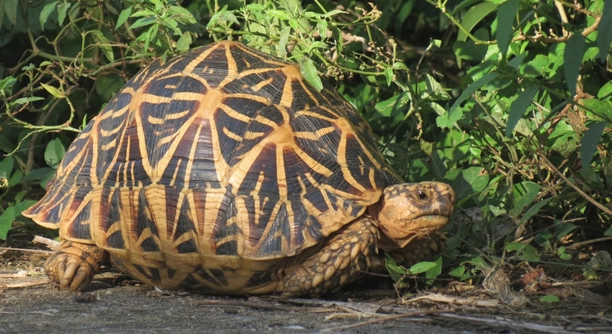
Keeping a clean outdoor turtle habitat is essential for your turtle’s health and well-being. A tidy environment supports their natural behaviors and provides a comfortable space to thrive. Learn how to maintain a safe and clean space for your pet.
The best way to keep an outdoor turtle habitat clean is by regularly removing debris, monitoring water quality, and ensuring proper filtration. This will prevent harmful bacteria buildup, promote a healthy environment, and reduce the need for frequent cleanups.
By following these tips, you can provide a cleaner, healthier space for your turtle to live and grow.
Regularly Remove Debris
Keeping your turtle habitat clean starts with removing any debris such as leaves, twigs, or algae. Over time, these can quickly build up and contaminate the water, leading to unhealthy living conditions for your turtle. This step also helps prevent the growth of harmful bacteria. A simple net or skimmer works well for daily cleaning tasks. Be sure to check the water’s surface and the areas where your turtle rests, as debris tends to accumulate in these spots. If left unchecked, debris can also cause an unpleasant odor and attract pests. Cleaning the habitat regularly keeps it fresh and safe.
To prevent unwanted buildup, set a cleaning schedule that fits your routine. You don’t need to spend hours each time; just a few minutes a day can make a big difference.
By staying on top of this task, you’ll reduce the amount of dirt and debris that affects your turtle’s habitat. Regular cleaning also minimizes the chance of water becoming cloudy or stagnant, ensuring a more pleasant environment for your pet.
Maintain Clean Water
Maintaining clean water is crucial for a healthy turtle habitat. Stagnant water can quickly lead to bacteria growth and algae blooms, both of which can harm your turtle. A good filtration system helps maintain water clarity by removing impurities and ensuring that your turtle has access to fresh, clean water. Regularly check the filter to make sure it’s working properly and clean it as needed. This will ensure the filtration system stays effective, providing clean water for your turtle at all times.
In addition to using a filter, you can replace a portion of the water each week. This helps remove any buildup and keeps your habitat fresh without needing a full water change every time.
Keeping the water clean is essential for preventing diseases and ensuring that your turtle thrives in a healthy environment. A consistent water maintenance routine makes it easier to manage and helps keep your turtle happy and safe.
Clean the Habitat’s Floor Regularly
The floor of the turtle habitat needs frequent cleaning to prevent waste buildup. Turtle waste, uneaten food, and other debris can collect quickly, causing the area to become dirty. It’s important to remove these items daily, especially if the habitat is small. A simple hand rake or a soft brush works great for this task.
Make sure you clean every corner, as waste can hide in spots that are less obvious. Regularly vacuum or use a siphon to remove any remaining dirt. Keeping the floor clear will not only improve the appearance of the habitat but also prevent bacteria buildup that could harm your turtle.
By cleaning the floor consistently, you create a cleaner, more hygienic environment for your turtle. This step ensures that your pet enjoys a space free from harmful germs, allowing it to thrive. A few minutes of cleaning each day will keep the habitat fresh and safe.
Check Water Temperature Regularly
Turtles need water at the right temperature to stay healthy. Too hot or too cold water can cause stress and health problems. It’s important to monitor the water temperature daily to ensure it stays within the proper range. A reliable aquarium thermometer will help you track the temperature accurately.
If the water is too cold, you can use a heater to warm it up, especially in cooler climates. Conversely, if the water becomes too warm, consider adjusting the heater or moving the habitat to a cooler area. Keeping the temperature stable will help your turtle stay active and healthy.
Fluctuating temperatures can lead to health issues like respiratory infections or shell problems. By checking the water temperature regularly, you can maintain a more consistent and comfortable environment for your turtle, helping it to thrive in a safe, stable habitat.
Use a Good Filtration System
A proper filtration system is key to maintaining clean water. It helps remove debris and waste, making the water healthier for your turtle. Make sure the filter is sized correctly for your habitat. A filter that’s too small won’t be effective and can lead to poor water quality.
Clean the filter regularly to keep it functioning properly. If it gets clogged, it won’t work as efficiently, and water quality will suffer. Also, consider using a biological filter to help maintain a healthy balance of beneficial bacteria in the water, preventing harmful algae growth.
Remove Uneaten Food
Turtles often leave uneaten food behind, which can pollute the water and attract pests. Always remove any leftover food within a few hours. Leftover food quickly decomposes, releasing harmful substances into the water. Use a small net or a slotted spoon to scoop it out easily.
Regularly removing uneaten food prevents bacterial growth and ensures that your turtle isn’t eating contaminated water. This simple task can help keep the habitat clean and healthy for your pet. It’s a quick habit that pays off in maintaining the overall health of the tank.
Ensure Proper Lighting
Proper lighting is essential for your turtle’s health. UVB light helps them metabolize calcium and maintain healthy shells. Without it, your turtle may suffer from bone and shell problems. Make sure your habitat has both UVA and UVB light to mimic natural sunlight.
Place the light in a spot where your turtle can bask. This will help it stay active and receive the UVB exposure it needs. Check the bulbs regularly to ensure they’re functioning correctly. Replacing them every six months helps maintain the correct level of light for your turtle’s well-being.
FAQ
How often should I clean my turtle’s habitat?
You should clean your turtle’s habitat regularly to maintain a healthy environment. At minimum, do a light cleaning once a week, but make sure to remove any debris or waste daily. A thorough cleaning of the entire habitat, including the filter and water change, should be done every two to four weeks, depending on the size of the tank and the number of turtles. If your turtle is in a larger outdoor habitat, you may need to clean it more frequently to keep the area free from waste and debris.
Can I use soap or chemicals to clean the tank?
No, it’s best to avoid using soap, detergents, or harsh chemicals when cleaning your turtle’s habitat. These substances can leave residues that are harmful to your turtle. Instead, clean the tank with warm water and a mild, turtle-safe cleaner if necessary. You can also use a vinegar-water solution for stubborn spots, but make sure to rinse the tank thoroughly afterward to remove any traces of the solution.
What should I do if the water becomes cloudy?
Cloudy water often indicates poor water quality, which can be caused by excess waste, uneaten food, or an inadequate filtration system. Check the water temperature and quality, and clean or replace the filter if necessary. Perform a partial water change and remove any leftover food or debris. If the problem persists, it could be a sign of a more serious issue, like an unbalanced ecosystem, which may require a professional’s help.
How do I keep the water temperature stable?
To keep the water temperature stable, use a reliable aquarium heater. Ensure the heater is appropriate for the size of the habitat. You can also invest in a water thermometer to monitor the temperature regularly. For outdoor habitats, ensure the water is shielded from temperature extremes by using a pond cover during colder months. Regularly check the heater to ensure it is functioning properly, and adjust the temperature as needed to maintain a consistent, comfortable range for your turtle.
How often should I change the water in my turtle’s habitat?
Water changes should be done regularly, but the frequency depends on the size of the tank and the number of turtles. In general, a partial water change should be done every two to three weeks. If the water becomes murky or if you notice a foul odor, it’s a sign that the water needs to be changed sooner. For outdoor habitats, water changes may be needed more frequently, especially during hot weather or rainy periods that can affect water quality.
Is it necessary to have UVB lighting for my turtle?
Yes, UVB lighting is essential for your turtle’s health. It helps them produce vitamin D3, which is necessary for calcium absorption and maintaining healthy bones and shells. Without UVB light, turtles can develop metabolic bone disease, which can lead to deformities. Make sure to provide a suitable UVB bulb for 10-12 hours a day, and replace the bulb every 6 months as its UVB output decreases over time, even if the light still works.
How can I prevent algae growth in my turtle’s habitat?
Algae growth is common in turtle habitats, especially in outdoor environments. To prevent algae from taking over, keep the tank or pond in a shaded area, as direct sunlight encourages algae growth. Make sure the filter is working efficiently and clean it regularly. You can also add aquatic plants that help absorb excess nutrients in the water, which can prevent algae from growing. Be careful not to overfeed your turtle, as excess food will add to nutrient levels in the water and promote algae growth.
Can I keep multiple turtles in the same habitat?
Yes, you can keep multiple turtles together, but it’s important to ensure the habitat is large enough to accommodate them. Each turtle needs enough space to move around comfortably. Overcrowding can lead to territorial issues and stress. It’s also essential to have adequate filtration to handle the waste produced by multiple turtles. Ensure there are enough basking spots and hiding areas for each turtle to reduce competition. Monitoring their behavior is key to making sure they’re getting along well.
What should I do if my turtle stops eating?
If your turtle refuses to eat, it could be a sign of stress, illness, or environmental issues. Check the water quality and temperature to make sure they’re optimal for your turtle. If the conditions are right, consider whether your turtle is experiencing stress from other turtles, lack of hiding spots, or inadequate basking areas. If the problem persists, it’s best to consult a veterinarian to rule out health problems. In some cases, turtles may stop eating as a natural response to hibernation or during the colder months.
How can I keep my turtle’s habitat odor-free?
To keep your turtle’s habitat smelling fresh, you need to maintain proper water quality and cleanliness. Clean the tank regularly, remove waste and uneaten food daily, and replace the water every few weeks. Using a good filtration system will help eliminate odors caused by waste buildup. You can also add live plants, which help improve water quality and reduce bad smells. Keep the area around the habitat clean, and avoid overfeeding your turtle, as leftover food contributes to foul odors.
Final Thoughts
Maintaining a clean outdoor turtle habitat is essential for your turtle’s health and well-being. Regular cleaning, proper filtration, and keeping the water temperature stable are key elements in creating a healthy environment. When you stay on top of these tasks, you’ll help prevent health issues and ensure that your turtle thrives. By making sure your turtle’s space is free of waste and debris, you’re providing it with a safe, comfortable home where it can grow and stay active.
The right equipment, such as filters and UVB lighting, plays a crucial role in supporting your turtle’s needs. Without a reliable filtration system, waste can build up and make the water unhealthy, leading to infections or other issues. Likewise, UVB light is necessary for your turtle’s calcium absorption, helping it maintain a healthy shell and bones. Ensuring that both of these elements are part of your habitat setup is crucial for your turtle’s long-term health. Don’t forget to monitor the environment regularly to avoid problems that can be easily prevented.
In the end, caring for your turtle’s habitat requires attention to detail and consistency. Regular water changes, food removal, and proper lighting will go a long way in keeping your turtle’s space clean and healthy. With the right care, you’ll provide your turtle with a safe and thriving environment. Taking the time to maintain the habitat properly also means fewer trips to the vet and a longer, happier life for your pet.

Hello,
If you enjoy the content that we create, please consider saying a "Thank You!" by leaving a tip.
Every little bit helps us continue crafting quality advice that supports the health, happiness, and well-being of pets around the world, for pets of all shapes, sizes, and species.
We really appreciate the kindness and support that you show us!