
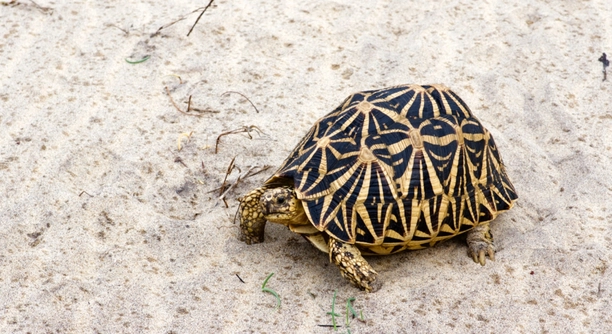
Turtles are fascinating creatures, but if your pet turtle keeps floating to one side, it can be worrying. There are several potential reasons why this happens, and it’s important to understand them to keep your turtle healthy.
One common reason for this behavior is a condition known as “buoyancy disorder,” which occurs when a turtle’s air sacs or organs become unbalanced. This can lead to an inability to swim properly, causing the turtle to float to one side.
Addressing the cause of this issue is crucial, as it will help your turtle return to normal swimming behavior and maintain its health. Keep reading to learn more about potential causes and solutions.
Buoyancy Disorder and How It Affects Turtles
Buoyancy disorder is one of the most common causes of a turtle floating to one side. It happens when a turtle’s internal organs, like its lungs or digestive system, become imbalanced. Turtles rely on air sacs in their lungs to help them maintain buoyancy in water. If these sacs aren’t functioning properly, the turtle might float awkwardly or even tip to one side. This condition can occur due to a variety of reasons, such as infections, injury, or even poor diet.
Sometimes, the problem is temporary and may improve with some rest or minor adjustments to the turtle’s environment. However, more serious cases require veterinary attention. A turtle that floats frequently may struggle to dive and may not get enough exercise. It’s important to monitor your turtle’s behavior and see if the floating continues for an extended period.
This disorder often becomes noticeable when turtles are swimming or resting. If you observe your turtle floating sideways or at an angle, it’s time to take action. Regular check-ups with a vet can ensure that your turtle’s health stays on track.
Diet and Water Quality Concerns
A poor diet or water quality can also contribute to buoyancy problems.
Turtles require a balanced diet to maintain proper health. Insufficient nutrition can lead to weakened muscles and internal organ issues, which might affect their buoyancy. Water quality is equally important; dirty water can introduce bacteria or parasites that harm the turtle. Poor conditions, such as high ammonia levels or low oxygen, can lead to infections that affect buoyancy. Always provide your turtle with clean water, proper filtration, and a variety of fresh foods.
To keep your turtle healthy, ensure that their environment remains stable. Regularly clean their tank, provide filtered water, and offer a nutritious diet that includes both plant and animal-based foods. By addressing these factors, you can reduce the risk of buoyancy issues and promote overall well-being.
Respiratory Infections and How They Affect Buoyancy
Respiratory infections can also be a key factor in your turtle floating to one side. These infections can affect the lungs, making it harder for the turtle to regulate its buoyancy. If your turtle has difficulty breathing or appears lethargic, an infection could be the cause.
Turtles with respiratory issues may show signs like nasal discharge, wheezing, or difficulty swimming. These symptoms should be taken seriously, as untreated infections can worsen over time. The infection can cause fluid buildup in the lungs, affecting the turtle’s ability to maintain proper buoyancy. If you suspect your turtle is sick, visit a vet immediately.
Treating a respiratory infection usually involves antibiotics prescribed by a veterinarian. If caught early, most infections can be treated effectively, allowing your turtle to recover and return to healthy swimming. Be sure to monitor your turtle’s behavior for other signs of illness, like loss of appetite or abnormal shell growth.
Improper Tank Setup and Its Impact on Buoyancy
An improper tank setup can sometimes be the cause of your turtle’s floating issue.
Turtles need specific conditions to stay healthy. For example, the water temperature should be between 75°F and 85°F, with proper filtration to keep it clean. If the water is too warm or too cold, it can impact your turtle’s buoyancy. Water that is too warm can affect its metabolism, while cold water can slow down its activity and cause stress.
If the water’s pH level is off or contains high levels of chlorine or other chemicals, it can irritate your turtle’s respiratory system and lead to buoyancy issues. Make sure the tank has proper water circulation and clean water to keep your turtle comfortable. A stable environment helps prevent any health problems related to buoyancy.
Overfeeding and Buoyancy Issues
Overfeeding your turtle can lead to buoyancy problems. When a turtle consumes more food than it needs, it can cause digestive issues, which may affect its buoyancy. Excess food can also lead to obesity, making it harder for the turtle to swim properly.
Turtles that are overfed often develop imbalanced fat distribution in their bodies, which can impact their ability to dive or swim efficiently. This is why it’s crucial to monitor the amount of food you offer your turtle, ensuring it gets enough without overeating. Always follow feeding guidelines and avoid giving too many treats.
Physical Injury and Its Effect on Swimming
If your turtle has experienced a physical injury, it can cause difficulties with swimming and lead to floating on one side. Injuries, especially those affecting the shell or limbs, can disrupt normal swimming patterns.
A turtle that’s hurt may have trouble using its limbs to balance itself properly in the water. This can cause it to float to one side or struggle to move around. If you suspect an injury, check for visible wounds, fractures, or swelling. A vet will help treat the injury and prevent further complications.
Parasites and Health Complications
Parasites can also be a contributing factor to buoyancy problems. These microscopic organisms can infect your turtle, leading to symptoms like floating to one side or difficulty swimming.
Parasites such as protozoa or worms can enter the turtle’s body through contaminated food or water. They affect the digestive system and overall health, weakening the turtle’s muscles and balance. If you notice unusual behavior or signs of discomfort, it’s important to consult a vet who can provide the right treatment to eliminate the parasites and restore your turtle’s health.
FAQ
What causes my turtle to float to one side?
A turtle floating to one side could be experiencing a number of issues. One common cause is buoyancy disorder, which affects the turtle’s ability to swim normally. This disorder happens when the turtle’s internal organs, such as the lungs or digestive system, are unbalanced. It can lead to the turtle’s body becoming too light or imbalanced, causing it to float to one side. Other causes include respiratory infections, improper tank conditions, overfeeding, injuries, and parasites. A check-up from a vet can help identify the cause and determine the appropriate treatment.
How can I fix my turtle’s buoyancy issues?
Fixing buoyancy problems usually requires addressing the root cause. If it’s a simple issue like a small infection or overfeeding, the turtle may recover with some care, including proper diet and tank adjustments. However, more serious cases, such as buoyancy disorder or infections, will require veterinary care. If the issue is related to tank conditions, adjusting the water temperature, cleaning the tank, or installing a proper filtration system can help. Always ensure that the water is at the correct pH and temperature for your turtle’s species.
Is my turtle sick if it keeps floating to one side?
Not necessarily. While buoyancy issues can be linked to sickness, they may also be caused by environmental factors like water quality or diet. If your turtle only floats occasionally and seems otherwise healthy, it might not be a cause for concern. However, if the floating is persistent or if you notice other symptoms such as lethargy, lack of appetite, or respiratory distress, then it’s important to consult a vet. A turtle that’s sick might also show signs of swollen limbs or difficulty moving.
Can my turtle’s diet affect its ability to swim?
Yes, diet plays a significant role in your turtle’s ability to swim. If your turtle isn’t getting the right balance of nutrients, it may become weak or gain excessive weight, making swimming difficult. A diet that’s too high in fat can lead to obesity, which affects buoyancy and swimming skills. Feeding your turtle a balanced diet of protein (like worms or fish) and vegetables (like leafy greens) is key. Avoid overfeeding your turtle, as excess food can lead to digestive issues, further affecting its ability to swim.
How do I prevent my turtle from floating to one side in the future?
Prevention begins with a healthy diet and a proper living environment. Ensure your turtle has a clean tank with proper water filtration, a stable water temperature, and the correct pH. Monitor its diet carefully, making sure not to overfeed. Regularly check for any signs of illness or injury and act quickly if you notice changes in behavior. Routine vet visits will also help keep your turtle healthy and address any problems before they become serious.
Should I take my turtle to the vet if it keeps floating to one side?
If your turtle keeps floating to one side and the issue doesn’t improve with changes in diet or tank setup, it’s a good idea to take it to a vet. A veterinarian who specializes in reptiles can properly diagnose the issue, whether it’s a buoyancy disorder, respiratory infection, or another health concern. In many cases, early intervention can prevent the issue from becoming more severe.
Can water temperature affect my turtle’s swimming ability?
Yes, water temperature is a major factor in your turtle’s swimming ability. If the water is too cold, your turtle may become sluggish and have difficulty moving around. On the other hand, water that’s too warm can cause stress and make swimming uncomfortable. The ideal temperature for most freshwater turtles is between 75°F and 85°F. Check the water temperature regularly with a thermometer and adjust as needed to keep your turtle comfortable.
Can an injury cause my turtle to float to one side?
Yes, physical injuries can cause buoyancy problems. If your turtle has experienced a fall, a bump, or any trauma, it could affect its ability to swim. For example, injuries to the shell or limbs may impair its ability to balance in the water. If your turtle has a noticeable injury or difficulty moving, it’s important to get it checked by a vet for proper care and recovery.
How do I know if my turtle has a respiratory infection?
Respiratory infections in turtles often show signs such as wheezing, coughing, or nasal discharge. If you notice your turtle has difficulty breathing, appears lethargic, or has swollen eyes or nostrils, it may have a respiratory infection. Turtles with respiratory infections may also float abnormally, as the infection can affect their lung function. A vet can confirm the diagnosis and provide treatment, typically antibiotics or other medications.
Is it normal for my turtle to float occasionally?
It’s not unusual for a turtle to float occasionally, especially if it’s resting or taking a break from swimming. However, if the floating is persistent or the turtle is floating sideways, it may indicate an underlying issue that needs attention. Monitor your turtle’s behavior to see if other symptoms, like difficulty diving or breathing issues, accompany the floating. If you’re concerned, a vet visit is a good idea.
Final Thoughts
If your turtle keeps floating to one side, it’s important to remember that this behavior can have several causes. It might be something as simple as the water temperature being too high or low, or it could be related to a more serious health issue like a respiratory infection or buoyancy disorder. Regardless of the reason, it’s essential to pay attention to your turtle’s overall behavior and look for other signs of distress, such as lethargy, loss of appetite, or difficulty swimming. Observing these details will help you figure out whether this is a minor issue or something requiring professional care.
Taking care of your turtle’s environment plays a major role in preventing floating issues. Ensuring that the tank has clean, well-filtered water with the proper temperature and pH can go a long way in maintaining your turtle’s health. Also, providing a balanced diet with the right amounts of protein, vegetables, and calcium is key. Overfeeding your turtle can lead to buoyancy problems, so always stick to the recommended feeding guidelines for your turtle’s species. Maintaining these healthy habits will help keep your turtle swimming and thriving.
If you’ve ruled out environmental factors and your turtle continues to float to one side, it’s a good idea to visit a vet who specializes in reptiles. A vet can accurately diagnose whether there’s an underlying health issue and offer treatment options. Whether it’s an infection, an injury, or something else, early intervention is often the best way to ensure your turtle gets back to its healthy, active self. In the end, by providing the right care and attention, your turtle should be able to overcome floating problems and continue enjoying a happy life.

Hello,
If you enjoy the content that we create, please consider saying a "Thank You!" by leaving a tip.
Every little bit helps us continue crafting quality advice that supports the health, happiness, and well-being of pets around the world, for pets of all shapes, sizes, and species.
We really appreciate the kindness and support that you show us!