
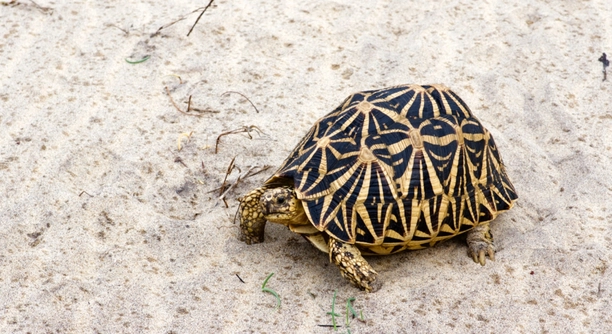
Turtles are fascinating creatures, but they can sometimes find themselves in troubling situations, such as flipping over. This behavior can be concerning, especially for pet owners. Understanding why this happens is important for both safety and well-being.
A turtle flipping over is usually caused by factors such as an unbalanced habitat, a slippery surface, or health issues. It can also happen if they become disoriented, either from stress or an unsafe environment.
Knowing the common causes can help you create a safer space for your turtle. With a little attention, you can avoid these situations and help your turtle stay healthy and comfortable.
Unbalanced Habitat
A common reason for turtles flipping over is an unbalanced habitat. If the terrain inside their enclosure is too steep or uneven, it can make it hard for them to maintain their balance. Turtles need a flat, stable surface to move around comfortably. When they are placed on slippery surfaces like wet rocks or tiles, they may lose grip and tip over. In some cases, the size of the habitat or arrangement of objects can cause them to become trapped in a corner or upside down.
Make sure your turtle’s home is properly arranged to prevent such accidents. It’s important to regularly check the surface and layout of their space to keep it turtle-friendly. A clean, even, and spacious environment will help avoid these mishaps.
Rearrange objects, use non-slippery materials, and create smooth pathways that encourage natural movement. Avoid sharp edges and overcrowding to give your turtle the freedom to roam without obstacles. Stability is key to providing a safe and comfortable living space.
Health Issues
Health problems could also contribute to your turtle flipping over. If they are dealing with muscle weakness, respiratory issues, or shell deformities, these health concerns may make it difficult for them to right themselves when tipped over.
Some turtles, especially older ones, may suffer from conditions that affect their mobility. Ensure your turtle’s diet is balanced and they receive proper care to minimize these health risks.
Slippery Surfaces
Slippery surfaces, like wet rocks or smooth tiles, are one of the main reasons turtles flip over. Their feet have difficulty gripping these materials, which causes them to lose balance. Turtles rely on friction to move around, and a slick environment disrupts this.
To prevent slipping, make sure to add materials like textured stones, rubber mats, or artificial grass to their habitat. These surfaces will provide the traction your turtle needs to feel stable. If they are placed in an area with slippery flooring, they may get stuck or easily fall onto their backs.
Regularly check the habitat for any slippery spots and make necessary adjustments. Adding safe climbing spots, ramps, and platforms can also help your turtle stay upright and explore their surroundings without risk of flipping over. Providing a surface that mimics natural environments will promote healthy movement.
Stress
Stress can be a hidden cause of flipping over in turtles. When turtles feel threatened, overcrowded, or unsafe, they may panic and become disoriented, causing them to flip. Stressful environments, such as excessive noise or sudden changes, can trigger this reaction.
Turtles need quiet and stable environments to feel comfortable. Keeping their habitat calm and routine will reduce stress. Ensure their enclosure is in a peaceful area of your home, away from loud sounds or other pets that could cause anxiety.
If you suspect stress is a factor, consider removing any unnecessary objects or noise sources. Provide hiding spaces where your turtle can retreat if needed. Giving them privacy and a safe space will help them feel secure, reducing the risk of stress-related accidents.
Overexertion
Turtles may flip over if they become overly tired or stressed from too much movement. When they push themselves too hard, they might lose control and tip over. This can happen if they’re trying to escape an area or explore too quickly.
Provide enough space for your turtle to move around naturally, without overcrowding or forcing them to travel long distances. Offer safe, slow-paced opportunities for exploration. Monitoring their activity and ensuring they have areas to rest will help prevent exhaustion-related accidents.
Turtles need their own time to rest, especially after periods of movement. If they’re constantly being moved around or forced into stressful situations, they may become disoriented. Watch for signs of fatigue and let your turtle enjoy their environment at their own pace.
Improper Tank Setup
A tank with improper setup can make it difficult for turtles to navigate, leading to flipping over. If the tank is too small, cramped, or filled with unsafe objects, it can disrupt their movement. Turtles need enough space to roam comfortably.
Arrange their tank with the right balance of water and land, keeping pathways clear and accessible. Ensure the water level is not too high, making it easy for them to move between land and water. The bottom should be flat to prevent tipping accidents.
Ensure your turtle has enough room for proper movement, as this will help prevent flipping accidents. A well-designed habitat supports their natural behaviors and gives them a safer space to thrive.
Weak Shells
Turtles with weak or malformed shells may struggle to flip themselves back over. Shell deformities can result from improper diet or insufficient calcium intake. A healthy shell is crucial for their overall strength and balance.
If your turtle’s shell shows signs of weakness, focus on providing a balanced diet rich in calcium and UVB light. A deficiency in either can affect shell development, making it harder for your turtle to maintain proper posture.
FAQ
Why does my turtle keep flipping over in its tank?
A turtle can flip over in its tank due to an unbalanced habitat, slippery surfaces, or health issues. The tank may be too small or uneven, making it hard for the turtle to move without tipping over. Also, if there are slippery surfaces like wet rocks or smooth tiles, the turtle may not be able to grip properly. Health issues like muscle weakness or shell deformities can make it harder for the turtle to right itself. It’s important to ensure the tank is spacious, with a proper balance of water and land areas, and surfaces that provide traction.
How can I prevent my turtle from flipping over?
To prevent your turtle from flipping over, focus on creating a stable and safe environment. Ensure the surfaces inside the tank are not too slippery and use materials that provide traction, like textured stones or rubber mats. Make sure the tank is large enough to allow free movement, with smooth pathways for the turtle to navigate. Providing hiding spots and ramps can also help. Regularly check the layout to avoid overcrowding and ensure the turtle has enough space to move around naturally.
Is my turtle’s shell condition causing it to flip?
A weak or deformed shell can contribute to your turtle’s inability to flip itself back over. If the shell is malnourished or improperly formed due to lack of calcium or UVB light, your turtle may struggle to maintain balance. Ensure your turtle gets enough calcium and UVB exposure to support healthy shell growth. A balanced diet with proper supplements and lighting is essential for preventing shell-related issues that could lead to flipping over.
Can stress make my turtle flip over?
Yes, stress can cause your turtle to flip over. Stressful environments, such as overcrowding, excessive noise, or sudden changes in the habitat, can lead to disorientation and panic. Turtles may try to escape or move erratically, which can result in flipping over. Creating a calm, quiet environment with a consistent routine can help reduce stress. Providing hiding spaces for your turtle to retreat to when it feels anxious will also help create a safe and stable environment.
What are the signs of stress in turtles?
Stress in turtles can show up in several ways. You might notice a decrease in appetite, lethargy, or unusual behavior like constant hiding or pacing. Turtles may also become more aggressive, biting or acting out when they feel threatened. If your turtle is flipping over frequently and showing signs of stress, it may be due to an unbalanced environment. Keep the tank quiet and allow the turtle to have plenty of space to feel safe.
How much space does my turtle need?
Turtles need a spacious habitat to thrive. A good rule of thumb is to provide at least 10 gallons of water per inch of your turtle’s shell length. A larger space allows the turtle to move naturally and explore without the risk of flipping over. A cramped tank with too many objects or a high water level can lead to accidents. Make sure the habitat is set up with a proper water-to-land ratio and accessible areas for the turtle to rest or bask.
Should I change my turtle’s tank setup to prevent flipping?
Yes, adjusting the tank setup can reduce the risk of flipping. Ensure that the tank has a stable, non-slippery surface, with enough space for your turtle to move freely. Avoid sharp edges and overcrowding, as these can cause the turtle to become disoriented. Use textured rocks or mats to improve grip and provide platforms or ramps for the turtle to climb on. Changing the setup to accommodate your turtle’s natural behavior can help prevent flipping accidents.
How often should I clean my turtle’s tank?
Regular cleaning is important for maintaining a healthy environment for your turtle. You should clean the tank at least once a week, removing any waste, leftover food, and debris. Clean the water filter and change a portion of the water weekly to ensure good water quality. A clean tank will reduce stress and promote your turtle’s well-being, making it less likely for them to flip over due to environmental factors.
Can overexertion cause my turtle to flip over?
Yes, overexertion can contribute to flipping. If your turtle is trying to move too quickly or overexerting itself to escape, it can lose balance and flip over. This is especially common if they are stressed or trying to navigate an overcrowded or uneven environment. Make sure your turtle has enough time to rest and move at its own pace, and avoid forcing them to climb or explore too much in one go.
How can I tell if my turtle is injured from flipping over?
If your turtle has been flipping over frequently, watch for signs of injury such as limping, not eating, or appearing lethargic. Check for cracks or bruising on the shell, and observe whether the turtle has difficulty moving or righting itself. If the flipping continues or you notice unusual behavior, consult a veterinarian to rule out any injury or health concerns. Ensuring your turtle’s environment is safe will reduce the risk of injury from flipping accidents.
Final Thoughts
Turtles are strong and resilient creatures, but they do face challenges when it comes to their environments. Flipping over can be a concerning issue for pet owners, but most of the time, it can be prevented with a little care and attention. Ensuring that your turtle’s tank is set up correctly, with flat and non-slippery surfaces, will reduce the chances of your turtle tipping over. A well-organized and spacious habitat also plays a huge role in helping your turtle feel safe and comfortable. It’s important to regularly assess the tank to make sure it’s suitable for your turtle’s needs.
Health is another factor that should not be overlooked. Turtles can struggle to flip themselves back over if they have a weak shell or muscle issues. A balanced diet with the right amount of calcium and UVB light is crucial to their overall health. If you notice any changes in your turtle’s behavior, such as difficulty moving or flipping more than usual, it may be worth consulting a vet to rule out any underlying health issues. The condition of their shell and overall mobility affects their ability to recover from being flipped, so it’s essential to keep an eye on their physical well-being.
Lastly, stress is a big contributor to flipping over. Turtles are sensitive to their environment, and things like excessive noise, overcrowding, or sudden changes can cause them to act out of distress. Providing a quiet, calm, and consistent environment is essential to keeping your turtle happy and healthy. Make sure the tank setup allows for natural movement and offers spaces where your turtle can retreat if needed. When turtles feel secure, they are less likely to flip over, and they will be able to enjoy a more peaceful and balanced life. With some simple adjustments and regular care, you can prevent your turtle from flipping and help it thrive in its habitat.

Hello,
If you enjoy the content that we create, please consider saying a "Thank You!" by leaving a tip.
Every little bit helps us continue crafting quality advice that supports the health, happiness, and well-being of pets around the world, for pets of all shapes, sizes, and species.
We really appreciate the kindness and support that you show us!