
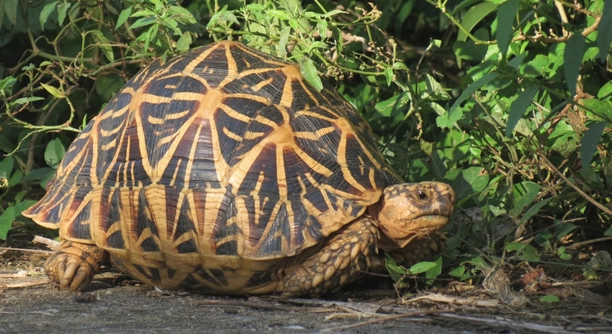
Having a turtle as a pet can be a rewarding experience, but it’s important to create a safe and comfortable environment for them. A well-maintained tank plays a crucial role in their health and happiness.
Certain items can be harmful to turtles and should never be placed in their tanks. These include items that can introduce toxins, create unsafe environments, or obstruct their movement. Keeping the tank clear of these dangers is vital for their well-being.
There are simple steps to take that ensure your turtle thrives in a safe space. Let’s go over the common mistakes and how to avoid them to protect your pet’s health.
1. Chemicals and Cleaning Products
When setting up a turtle tank, it’s easy to overlook the items you use for cleaning. Many common cleaning products, including bleach or ammonia-based solutions, can be toxic to turtles. Even the smallest amount of residue left behind could cause serious health problems. Turtles spend a lot of time in the water, so their exposure to these chemicals is inevitable. It’s crucial to choose safe, turtle-friendly cleaning products to avoid any harm.
It’s always best to clean your tank using vinegar or a mild soap solution. These alternatives are gentle yet effective and will keep your turtle’s environment safe. Never use harsh chemicals, as they can make your turtle sick, irritate their skin, or even harm their respiratory system.
Make sure to thoroughly rinse any tank equipment before placing it back in the water. If you’re cleaning decorations, rinse them multiple times to remove all traces of soap or vinegar. This extra effort can make a big difference in maintaining a healthy environment for your turtle. Always be cautious when cleaning around your pet’s space to ensure its safety.
2. Rocks and Gravel from Outdoors
Collecting rocks and gravel from outdoors may seem like a cost-effective way to decorate a turtle’s tank, but it’s risky. Outdoor stones can contain harmful bacteria or parasites that are dangerous to your turtle’s health. Even if the rocks appear clean, they could carry unseen contaminants. It’s always safer to purchase aquarium-safe rocks and gravel from pet stores that have been properly cleaned and sterilized.
Turtles are particularly sensitive to pathogens that may be present on outdoor rocks. Introducing these items into their tank can lead to infections, digestive issues, or other serious health complications. Additionally, some rocks may have sharp edges, which could potentially injure your turtle as it moves around.
If you’re set on adding natural elements to your turtle’s tank, you can opt for items made specifically for aquarium use. These are designed to be safe for your pet and are easier to maintain. Avoid taking risks with outdoor materials that may cause harm to your turtle. The extra expense is worth the peace of mind.
3. Metal Objects
Metal items should never be placed in a turtle tank. Metals like iron, copper, and aluminum can leach toxins into the water, which can poison your turtle. Even small amounts can be dangerous. These materials corrode over time and affect the water quality, putting your turtle’s health at risk.
It’s important to avoid placing any metal decorations, rocks, or toys in the tank. If you use metal accessories in other parts of your home, be mindful of how easily they could end up in the tank. Rust or residue from these items can lead to serious issues such as organ failure or skin problems in your pet.
Instead, choose non-metal alternatives such as plastic, ceramic, or natural stones that are safe for aquariums. These materials won’t affect water quality and will not harm your turtle. Non-toxic, durable items ensure that your turtle stays healthy and safe in its environment without unnecessary risk.
4. Live Plants
Live plants might seem like a good addition to a turtle tank, but not all plants are safe for turtles. Some plants can be toxic or difficult for turtles to digest. Certain species may have sharp or rough edges that can hurt your turtle as it interacts with them.
If you decide to add live plants, make sure they’re safe for turtles. Plants like water lettuce and duckweed are fine for them to interact with, while others, like ivy or lilies, can cause health problems. Turtles may also eat the plants, so it’s essential to ensure they are not harmful when consumed.
Check your plants regularly for any signs of disease or decomposition. Rotting plants can lead to poor water quality and attract unwanted bacteria. It’s always a good idea to buy plants from a reputable pet store to ensure they are suitable for a turtle habitat. Regular maintenance will keep both the plants and your turtle healthy.
5. Sand
While sand might seem like a good substrate for turtles, it can cause serious issues. If turtles accidentally swallow sand while eating or swimming, it can lead to impaction, a condition that can be life-threatening. Sand is often too fine, and turtles may have difficulty digesting it.
For turtles, it’s best to avoid sand entirely or opt for larger, smooth pebbles that are safer to handle. These materials are less likely to cause blockages in their digestive system. Sand can also make the water cloudy, affecting water quality and creating an environment where bacteria can thrive.
If you do want a natural substrate, use safe alternatives like river rocks or specially designed aquarium substrates. These are much safer for turtles and will keep their environment clean. Avoid anything that could potentially harm them in the long run.
6. Plastic Decorations
Plastic decorations may seem like a fun way to dress up the tank, but they pose risks to turtles. Some plastic items can have sharp edges that could injure your turtle. Additionally, certain plastics contain harmful chemicals that can leach into the water over time.
Turtles may also try to chew on plastic items, which can lead to accidental ingestion of small pieces. Ingesting plastic can cause serious health issues, such as digestive problems or blockages. Always check plastic decorations for any sharp or rough spots that could hurt your pet.
Opt for safer tank decorations like ceramic or stone materials. These options are more durable and less likely to pose any danger to your turtle’s health.
7. Unfiltered Water
Water quality is essential for a turtle’s health, and unfiltered water is a big no-no. Without a filtration system, toxins, debris, and waste can quickly build up, making the water unsafe for your turtle. Turtles are sensitive to poor water conditions, and this can lead to illness.
A good filter is necessary to keep the water clean and clear. Regular water changes are also essential, but a filter will reduce the frequency and help maintain stable water conditions. Choose a filter that is appropriate for the size of your tank to make sure it’s efficient.
FAQ
What type of substrate is best for a turtle tank?
The best substrate for a turtle tank depends on your turtle species, but generally, smooth river rocks or specially designed aquarium gravel are safe options. These materials are easier to clean and won’t cause harm to your turtle. Avoid fine sand, as it can be ingested and cause digestive blockages. If you do choose sand, opt for larger grains that are less likely to be swallowed. Some turtles prefer a solid surface, so consider using tiles or even a bare-bottom tank, which makes cleaning much easier.
Can I use tap water in my turtle’s tank?
Tap water can be used in a turtle’s tank, but it must be treated first. Most tap water contains chlorine and chloramines, which can harm your turtle. Always use a water conditioner to neutralize these chemicals before adding the water to the tank. Additionally, check the water’s pH, hardness, and temperature to ensure it matches the needs of your turtle species. Some turtles may be more sensitive to water conditions than others, so regular monitoring of the water quality is important to keep your pet healthy.
Is it safe to have live plants in a turtle tank?
Live plants can be a great addition to a turtle tank, but not all plants are safe for turtles. Some plants may be toxic if ingested, while others may be too delicate for your turtle to interact with. Plants like water lettuce, anacharis, and duckweed are commonly safe choices for turtle tanks. It’s important to research the plants you add to ensure they’re turtle-friendly. Keep in mind that turtles love to nibble on plants, so you’ll need to replace them regularly or choose hardy plants that can withstand some chewing.
Do turtles need UVB light?
Yes, turtles need UVB light for their overall health, especially if they’re kept in captivity. UVB light helps turtles synthesize vitamin D3, which is essential for calcium absorption. Without proper UVB exposure, turtles can develop metabolic bone disease, which can lead to weak bones and shell deformities. A UVB light should be used in combination with a basking light to ensure your turtle gets both warmth and UVB rays. Make sure to replace the bulbs every 6-12 months, as UVB output decreases over time.
How often should I clean my turtle’s tank?
A turtle’s tank should be cleaned regularly to maintain a healthy environment. Water changes should be done weekly or bi-weekly, depending on the size of the tank and the number of turtles. However, regular spot cleaning, removing waste and uneaten food, should be done daily to prevent debris from accumulating. Clean the tank’s filter every few weeks and perform a deeper cleaning once a month. Remove any algae buildup on surfaces and decorations to ensure the water remains clear and the tank stays free of harmful bacteria.
How do I know if my turtle is sick?
Turtles can be good at hiding illness, but there are some common signs to watch for. If your turtle is lethargic, not eating, or swimming abnormally, it may be unwell. Respiratory issues, such as wheezing or mucus around the nose and mouth, are signs of a respiratory infection. If your turtle’s shell appears soft or discolored, it may indicate a calcium deficiency or an infection. In any case, it’s important to consult with a veterinarian who specializes in reptiles if you notice any unusual behavior or symptoms.
Can I feed my turtle fish from the pet store?
While some turtles enjoy eating fish, you should be cautious when offering pet store fish. Some fish may carry diseases or parasites that could harm your turtle. Additionally, many pet store fish may not be nutritionally balanced for turtles. If you want to feed your turtle fish, it’s best to offer feeder fish from reputable sources, or consider using frozen or live fish designed for reptiles. Always ensure the fish is safe and free of chemicals or contaminants before offering it to your turtle.
Should I let my turtle swim in my pool or outdoor pond?
While it may be tempting to let your turtle swim in your pool or outdoor pond, it’s not always a good idea. Pools contain chlorine, which can be harmful to your turtle. Outdoor ponds can be a great environment for turtles if they are properly maintained and free of predators. However, you should ensure the pond is clean and has suitable water conditions for your turtle. If you’re considering an outdoor setup, be sure to check the local regulations on keeping turtles in outdoor ponds.
How do I maintain proper temperature in the tank?
Maintaining the correct temperature is crucial for your turtle’s health. Turtles need a warm basking area where they can dry off and regulate their body temperature. The water temperature should typically range from 75-85°F, depending on your turtle species, while the basking area should be around 90-95°F. You can achieve this by using a water heater and a basking light. Make sure to monitor the tank temperature with a thermometer and adjust as needed. Proper temperature control helps ensure your turtle remains active and healthy.
Can turtles live with other pets?
Turtles can sometimes live with other pets, but it’s essential to choose compatible species. Avoid housing turtles with other reptiles that might have aggressive tendencies or different environmental needs. Fish can live with turtles in the same tank, but the fish should be large enough not to be considered food. If you have other animals like dogs or cats, ensure they can’t access the turtle’s tank, as they might cause stress or injury to the turtle. Proper research is needed before introducing new pets into the turtle’s habitat.
Taking care of a turtle involves more than just feeding and providing a tank. It’s essential to ensure their environment is safe and free from harmful items. Choosing the right decorations, substrate, and tank accessories is critical to your turtle’s health. Avoiding things like chemicals, metals, and unsafe plants can prevent potential problems like illness, digestive issues, and injuries. Simple steps such as keeping the water clean and maintaining proper temperature conditions will also help create a thriving environment for your turtle.
When setting up a turtle tank, focus on providing what they need to feel comfortable and secure. This includes appropriate lighting, filtration, and safe surfaces for them to bask. Choosing the right tank size is another factor to consider. Turtles need room to move around and explore, so a larger tank is often better, especially as they grow. Regular maintenance is key to keeping your turtle happy and healthy, so don’t forget to clean the tank, change the water, and check the filter regularly.
Overall, creating a safe and suitable home for your turtle requires some thought and planning, but the effort is well worth it. By avoiding certain dangerous items and following proper care guidelines, you can help your turtle live a long and healthy life. Always stay informed and be mindful of your pet’s specific needs, as different turtle species may have slightly different requirements. With the right setup and care, your turtle will enjoy a comfortable and fulfilling life in its habitat.

Hello,
If you enjoy the content that we create, please consider saying a "Thank You!" by leaving a tip.
Every little bit helps us continue crafting quality advice that supports the health, happiness, and well-being of pets around the world, for pets of all shapes, sizes, and species.
We really appreciate the kindness and support that you show us!