
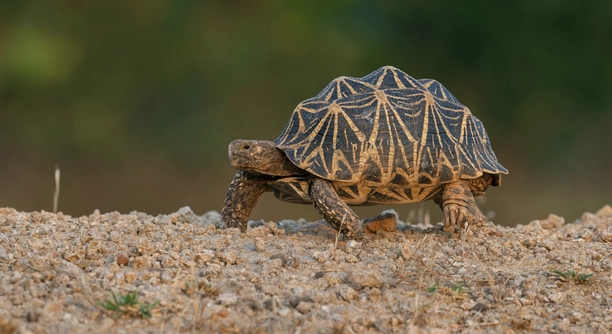
Turtles are fascinating creatures, and if you own one, you may have noticed some odd behaviors. One of these can be biting at bubbles in their environment. Understanding why your turtle does this can help improve its well-being.
Turtles may bite at bubbles due to curiosity, playfulness, or instinct. Bubbles in their environment may resemble small prey or objects in need of exploration, triggering natural hunting or investigative behaviors. This behavior is common in both young and adult turtles.
These small actions are part of your turtle’s natural instincts. There are a few things to consider when observing this behavior in your pet.
Why Do Turtles Bite at Bubbles?
Turtles are naturally curious animals, and they often engage in behaviors that might seem strange to us. When it comes to biting at bubbles, this action could be a sign of exploration or hunting instinct. Bubbles in their tank could resemble prey or objects they might investigate in the wild. Turtles use their mouths to interact with objects around them, and bubbles are an easy target. In many cases, the bubbles just catch their attention because they move in an unpredictable way.
These actions are part of the natural behavior of turtles and do not usually signify a health problem. If your turtle has access to clean water and a proper environment, this behavior can simply be a way for it to pass the time.
It’s important to remember that turtles need mental stimulation, and this behavior can be one way they engage with their surroundings. If you notice that the turtle is biting at bubbles constantly, it could be trying to stay active and entertained in its habitat. There are also some other factors to consider, like the type of water and tank setup, which may be encouraging this behavior. Bubbles are not harmful, but it’s essential to provide enough enrichment in your turtle’s environment to prevent stress or boredom.
Is It Dangerous for My Turtle to Bite at Bubbles?
It is not typically dangerous for turtles to bite at bubbles. As long as they are in a properly maintained tank with clean water, this behavior is natural.
Although biting bubbles is mostly harmless, it’s good to observe if your turtle is overexerting itself or showing signs of distress. Biting bubbles may also increase the risk of swallowing air or ingesting debris.
Does Water Quality Affect Turtle Behavior?
Yes, poor water quality can lead to stress, making your turtle more likely to bite at bubbles or engage in other odd behaviors. If the water is dirty or not properly filtered, it can affect your turtle’s health and cause it to feel uncomfortable in its environment.
Turtles are very sensitive to the quality of their water, and they can sense when something is off. Dirty or stagnant water can lead to increased stress levels and make your turtle act in ways it normally wouldn’t. Bubbles may then become a point of focus for your turtle, either due to frustration or as a result of something in the water that irritates it.
Regular cleaning of the tank and maintenance of the water filter can prevent this. A proper water temperature and pH balance are also crucial for keeping your turtle comfortable. Keeping the environment clean helps reduce stress and supports overall well-being, which can prevent excessive bubble-biting behavior.
How to Manage Bubbles in a Turtle Tank
If your turtle’s bubble-biting is becoming a concern, there are a few things you can do. You might want to consider adjusting the water flow in the tank.
Sometimes, the bubbles in the water come from the filtration system or air stones. If the bubbles are too frequent, adjusting the water flow or using a less aggressive filter can help. Additionally, reducing the number of air stones or using one that produces fewer bubbles might reduce the temptation for your turtle to bite them. You can also rearrange the decorations in the tank to provide more hiding spots or interesting objects to engage with. By modifying the environment, you can give your turtle a better space to explore.
Can Stress Cause Biting at Bubbles?
Yes, stress can lead to unusual behaviors like biting at bubbles. Turtles, like many pets, react to their environment, and stress can make them more agitated. If they feel threatened or uncomfortable, they might start biting at bubbles as a way to cope.
Stress can come from various sources, such as poor water quality, inadequate tank size, or lack of enrichment. When a turtle feels stressed, it may try to find something to focus on, and bubbles might become a target. Regularly checking the tank’s conditions and ensuring it’s a safe space will help reduce stress-related behaviors.
Are There Other Signs of Stress in Turtles?
Yes, stress in turtles can also show up as lethargy, loss of appetite, or aggressive behavior. These signs often appear if the turtle feels its environment isn’t right.
Turtles that are stressed may hide more often or seem disinterested in food. If your turtle exhibits any of these behaviors along with biting at bubbles, it could indicate that something in its environment is causing distress. Addressing water quality, temperature, and tank setup is essential in resolving these issues.
How to Keep Your Turtle Stimulated
To prevent boredom, consider adding new decorations or toys to the tank. A variety of objects like rocks, logs, and plants can provide mental stimulation for your turtle.
A more enriched environment will keep your turtle active and less focused on biting bubbles. When there is something new and interesting in the tank, your turtle is less likely to fixate on bubbles as a source of entertainment.
FAQ
Why does my turtle keep biting at the bubbles?
Biting at bubbles is typically a sign of curiosity or instinct. Turtles are naturally inquisitive creatures, and bubbles can attract their attention because they move unpredictably in the water. It can also resemble prey or something worth investigating. This behavior is usually harmless unless the bubbles are caused by an issue like poor water quality or an improperly maintained tank.
Is it normal for my turtle to bite bubbles every day?
Yes, it is normal for turtles to bite bubbles occasionally. If this behavior occurs daily, it’s likely due to a lack of stimulation in the tank. Turtles sometimes need mental engagement, and if there’s nothing else to capture their interest, they may focus on the bubbles. However, it’s important to ensure that this behavior isn’t a sign of stress or discomfort.
Can poor water quality cause my turtle to bite at bubbles more?
Yes, poor water quality can increase stress, making your turtle more likely to bite at bubbles. Dirty water, an improper filtration system, or unbalanced water parameters can cause discomfort and irritability in turtles. When stressed, they may engage in unusual behaviors like biting at bubbles, so maintaining a clean tank is essential for their well-being.
How can I reduce the number of bubbles in my turtle’s tank?
To reduce bubbles in the tank, adjust the water flow or use a gentler filter. Some filters create more bubbles than others, so switching to a model that doesn’t produce excessive bubbles can help. Additionally, lowering the water pump’s intensity can reduce air bubbles without affecting water circulation. Be mindful that some turtles enjoy the bubbles, so this change may reduce their entertainment but provide a quieter environment.
Should I be worried if my turtle is constantly chasing bubbles?
Constantly chasing bubbles isn’t usually a sign of a problem unless it’s combined with other stress signals like lethargy or poor eating habits. However, if your turtle seems overly fixated on bubbles, you may want to assess its tank setup. Check water quality, temperature, and overall tank conditions. A lack of enrichment in the environment can also lead to this repetitive behavior, so introducing new objects for your turtle to explore might help redirect its focus.
Can bubbles harm my turtle in any way?
Bubbles themselves are generally harmless to turtles. However, excessive exposure to bubbles or swallowing air can sometimes lead to bloating. If your turtle is consistently biting at bubbles and swallowing air, it could lead to minor digestive discomfort. It’s essential to ensure your turtle isn’t overexerting itself by chasing bubbles for long periods.
How do I know if my turtle is stressed out?
Stressed turtles may exhibit behaviors like hiding more often, loss of appetite, or aggression. If your turtle is biting at bubbles along with showing these other signs, it may indicate stress. Stress can be caused by poor tank conditions, incorrect water temperature, or a lack of mental stimulation. Addressing the tank environment can often resolve these issues and reduce stress in your turtle.
What type of tank environment helps prevent bubble-biting behavior?
A well-maintained tank with clean water, proper temperature, and good filtration will help prevent excessive bubble-biting behavior. Turtles also need space to move around, so a tank large enough for them to swim comfortably is essential. Enrichment items like plants, rocks, or hiding spots are beneficial for mental stimulation. Keeping the tank clean and providing a variety of things for your turtle to explore will reduce the chances of them becoming fixated on bubbles.
Can I add other animals to the tank to distract my turtle from bubbles?
Adding other animals to the tank can sometimes help distract a turtle from bubble-biting, but it depends on the type of animal and how well they coexist. Avoid adding creatures that might stress your turtle, such as other large, aggressive species. Fish or invertebrates could work well if they’re compatible with turtles. However, it’s essential to ensure that any new additions don’t disturb your turtle’s environment or food sources.
Should I worry about my turtle biting bubbles if it’s otherwise healthy?
If your turtle is otherwise healthy, biting at bubbles is likely just a playful or instinctual behavior. It’s important to monitor its general health and ensure it’s eating well, swimming comfortably, and not showing signs of stress. As long as the bubble-biting doesn’t lead to other problems like bloating or digestive discomfort, it’s not usually something to be concerned about.
Can too many bubbles harm my turtle’s tank environment?
While bubbles themselves aren’t harmful, too many bubbles can sometimes interfere with the balance of your turtle’s tank environment. Excessive bubbles can cause turbulence, disturbing the substrate or making it harder for your turtle to navigate. Overly bubbly environments can also lower oxygen levels in the water, which can affect water quality. If you notice any negative changes in your turtle’s behavior or water quality, consider adjusting the number of bubbles in the tank.
How can I tell if my turtle is just playing with the bubbles?
If your turtle is biting at bubbles but still seems active, healthy, and engaged, it’s likely just playing or investigating its environment. Playful behaviors can include chasing and biting at things like bubbles, plants, or other objects. If your turtle seems content and is also eating and swimming normally, it’s usually a good sign that the behavior is playful rather than stressful.
Final Thoughts
Biting at bubbles is a natural and common behavior for many turtles. It’s usually not something to be worried about, as it’s often tied to their curiosity or instinct. Turtles are naturally inquisitive creatures, and bubbles in their environment can attract their attention. The way bubbles move unpredictably in the water can mimic the action of small prey, making them an interesting target for your turtle. In many cases, this behavior is simply part of their playful or exploratory nature. However, if this behavior becomes excessive or your turtle seems overly fixated on bubbles, it’s important to consider whether something in its environment is causing stress or discomfort.
The health and well-being of your turtle should always be the priority. If you notice other signs of distress, such as a loss of appetite, lethargy, or aggression, then it could be time to assess the overall tank setup. Poor water quality, an inadequate tank size, or insufficient enrichment can contribute to stress, making your turtle more likely to exhibit abnormal behaviors. Regular water changes, good filtration, and ensuring that the tank provides adequate space and stimulation can help prevent unnecessary stress. Keeping the tank clean and adjusting the water flow are simple ways to reduce the amount of bubbles and avoid any potential problems with bubble-biting.
Overall, understanding your turtle’s behavior and environment is key to maintaining its health and happiness. Biting at bubbles is typically harmless as long as the water quality is good and your turtle’s environment is properly maintained. Providing enrichment, such as plants, rocks, and other interesting objects, can also help keep your turtle engaged and prevent it from becoming fixated on bubbles. If your turtle’s behavior changes or you notice any signs of stress, it’s always best to investigate and adjust the tank conditions to ensure a comfortable and healthy living space for your pet.

Hello,
If you enjoy the content that we create, please consider saying a "Thank You!" by leaving a tip.
Every little bit helps us continue crafting quality advice that supports the health, happiness, and well-being of pets around the world, for pets of all shapes, sizes, and species.
We really appreciate the kindness and support that you show us!