
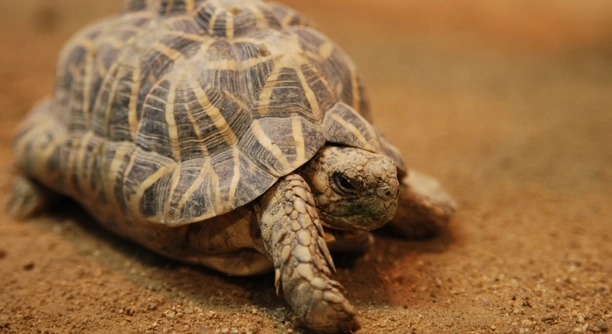
Turtles are fascinating creatures and make unique pets. Ensuring they stay happy and healthy in captivity requires attention and care. With the right setup, they can thrive and live fulfilling lives, enjoying their environment.
Keeping a turtle happy in captivity involves providing an appropriate habitat, offering a balanced diet, ensuring regular physical activity, and maintaining proper temperature and humidity. Regular cleaning, adequate lighting, and opportunities for mental stimulation also play significant roles in their well-being.
There are several steps to take to make sure your turtle stays content in its home. By following these guidelines, you can help create a healthier and more enjoyable life for your pet.
Create the Right Habitat
Turtles are creatures of habit and need a specific environment to stay healthy. They require a proper tank or outdoor enclosure that is large enough to give them space to move around. This space should also include water deep enough for swimming and a dry area for basking. Your turtle’s habitat should be set up to match its natural environment, whether it’s a pond, lake, or forested area. Keep in mind that different species of turtles have slightly different needs when it comes to temperature, humidity, and water conditions. It’s crucial to monitor these factors regularly.
A tank with a reliable filter system is essential for keeping the water clean. Water should be changed frequently, and the temperature should be controlled. A basking spot with a heat lamp can help maintain proper body temperature.
Ensure that your turtle’s enclosure includes hiding places, like rocks or logs, to give them a sense of security. A comfortable habitat will make them feel safe and allow them to thrive.
Provide a Balanced Diet
A proper diet is key to keeping your turtle healthy. Turtles need a mix of plants and animal protein. You should feed them a variety of vegetables, leafy greens, and fruits, along with occasional protein like insects or fish. For aquatic turtles, you can also add aquatic plants to their meals.
Providing the right nutrients will help prevent health issues. Overfeeding can lead to obesity and other problems, so it’s important to offer portions that are appropriate for your turtle’s size and age. Regularly offering different food options also helps keep their diet interesting.
As with their habitat, maintaining balance is critical. Too much of one type of food can cause nutritional imbalances. Pay attention to your turtle’s eating habits and adjust accordingly to meet their needs.
Maintain Proper Temperature and Lighting
Turtles need consistent temperature and lighting to thrive. A heat source is essential to ensure they stay warm enough to digest food properly. Depending on the species, you’ll need a basking area with a heat lamp. Additionally, make sure the water is kept at the right temperature for your turtle’s species.
UVB lighting is just as important. Turtles need UVB rays to synthesize vitamin D3, which helps them absorb calcium. Without adequate UVB light, your turtle could develop shell deformities and other health issues. Make sure the light is on for 10-12 hours each day, simulating a natural day-night cycle.
Both temperature and light should be monitored regularly. Keep the basking area warm, around 85°F-90°F, and the water at 75°F-80°F for most aquatic species. Ensure the light is not too close to your turtle to prevent overheating but still provides enough warmth and UV exposure.
Provide Regular Physical Activity
Physical activity is vital for a turtle’s health and happiness. Turtles need time to exercise outside of their tank or enclosure to build strength and stay active. If possible, allow your turtle to roam in a secure, enclosed space where they can explore, climb, or swim.
The more active your turtle is, the healthier they’ll be. Offering different types of physical activities, such as climbing structures or safe swimming areas, encourages your turtle to exercise. Without exercise, turtles may become lethargic or even overweight, leading to health problems.
Providing regular movement helps prevent stiffness and keeps your turtle’s body strong. Make sure they have enough room to move around. Avoid crowded spaces or overly small tanks, which can limit their physical activity and lead to a decrease in their quality of life.
Keep the Habitat Clean
A clean environment is essential for your turtle’s health. Regular water changes, substrate cleaning, and removal of any uneaten food will keep the tank free of harmful bacteria. Cleanliness helps prevent infections and ensures the water quality remains optimal.
Cleaning your turtle’s enclosure should be done weekly, or more often if needed. Use a water filter, but still do regular water changes to keep things fresh. Don’t forget to clean any decorations, rocks, or plants in the tank, as they can also accumulate waste.
Monitor Your Turtle’s Behavior
Turtles are great at showing when something’s wrong. Keep an eye on their behavior, like changes in eating habits, activity levels, or shell appearance. Any sudden changes could indicate health issues. Early detection makes treatment easier.
Turtles also need mental stimulation. They may enjoy interaction with other turtles, or simple toys that encourage natural behaviors. Keeping track of their habits will help you notice any abnormalities that might need attention.
Offer a Safe and Comfortable Space
Turtles need a safe environment where they feel secure. Use hides and sheltered areas within their habitat to provide privacy. This reduces stress and gives them a place to retreat when they feel overwhelmed. A calm, comfortable space supports their overall well-being.
FAQ
How often should I feed my turtle?
The feeding schedule depends on your turtle’s age and species. Younger turtles need to eat daily, as they are growing quickly, while adult turtles can be fed every other day or even a few times a week. A general guideline is to offer food that is about the size of their head to avoid overfeeding. Monitor their weight to ensure they are not becoming overweight, which can lead to health issues.
Can I keep different species of turtles together?
It’s not recommended to keep different species of turtles together unless their needs are very similar. Some species may be more aggressive or territorial, which can lead to stress or injury. Even if the turtles are similar in size, differences in diet, temperature, and lighting requirements can make it harder to meet all their needs properly.
What temperature should I keep my turtle’s tank at?
Most turtles thrive in water temperatures between 75°F-80°F. The basking area should be warmer, around 85°F-90°F. These temperatures help your turtle digest food and stay active. Always check the species-specific temperature range, as some species need warmer or cooler environments to stay healthy.
Do turtles need a basking area?
Yes, turtles need a basking area where they can dry off and soak up heat. This helps them regulate their body temperature and aids in the shedding of their scutes. A heat lamp or UVB light should be placed above the basking spot to ensure they get the necessary warmth and UV exposure for calcium absorption.
How can I tell if my turtle is sick?
Sick turtles may show signs like lack of appetite, lethargy, changes in behavior, or abnormal shell appearance. If your turtle starts hiding more often or refuses to eat, it could be a sign of an underlying health problem. Pay attention to their eyes and skin—swollen eyes, runny noses, or abnormal discharges are also signs of illness. If you notice any of these symptoms, it’s best to consult a vet who specializes in reptiles.
What kind of light do turtles need?
Turtles require both UVB and UVA light. UVB light helps them synthesize vitamin D3, which is essential for calcium absorption and shell health. UVA light is necessary for overall well-being and behavior. A combination of UVB and UVA bulbs, usually used together, should be on for 10-12 hours each day to simulate natural sunlight.
Can I feed my turtle vegetables only?
While turtles can eat a variety of vegetables, they also need animal protein in their diet. Aquatic turtles especially require proteins from sources like insects, fish, or worms. A good mix of leafy greens, vegetables, and protein helps ensure they get all the nutrients they need to stay healthy.
Should I clean my turtle’s tank regularly?
Yes, keeping the tank clean is essential to prevent bacteria and algae buildup. Perform regular water changes—ideally weekly—to keep the water quality high. Remove uneaten food and waste promptly. A filtration system will help, but it’s still important to clean the substrate, decorations, and tank walls regularly.
How can I tell if my turtle is getting enough calcium?
Calcium is vital for your turtle’s shell health and overall development. If your turtle’s shell appears soft, malformed, or shows signs of deformity, it could be a calcium deficiency. Ensure you’re providing a calcium supplement or calcium-rich foods, and consider using a UVB light to help with calcium absorption.
Can I keep my turtle outside?
Yes, turtles can live outside, but only in a secure, safe enclosure where they can’t escape or be harmed by predators. Outdoor enclosures should have access to clean water, a basking area, and protection from harsh weather conditions. Make sure the temperature stays within the suitable range for your turtle’s species.
How do I clean my turtle’s shell?
Turtle shells are self-cleaning to an extent, but they can accumulate dirt and algae. You can gently scrub the shell with a soft brush and warm water to remove any debris. Avoid using soap or harsh chemicals, as these can harm your turtle. If you notice any signs of infection or damage, seek professional care.
Can turtles live with fish?
Turtles can live with fish, but there are some important considerations. Some turtles, especially younger ones, may see smaller fish as food. It’s essential to choose fish that are large enough not to be eaten. Additionally, turtles produce a lot of waste, which can lead to poor water quality for fish if the tank isn’t maintained properly.
What kind of substrate should I use in my turtle’s tank?
For aquatic turtles, gravel or smooth pebbles are commonly used, but avoid small gravel that could be ingested. For land-based turtles, you can use natural substrates like coconut coir, soil, or moss. The key is ensuring the substrate is safe and easy to clean, as well as providing a natural feel for your turtle’s habitat.
Do turtles need to be social?
Turtles are generally solitary animals, although some species may tolerate the company of others. In the wild, most turtles spend time alone and only come together to mate. In captivity, avoid overcrowding the enclosure, as this can cause stress and aggression. However, some species may enjoy the presence of another turtle if there’s enough space.
How can I make my turtle’s habitat more stimulating?
To keep your turtle mentally engaged, add rocks, logs, and other items that mimic their natural environment. You can also provide objects they can climb on or swim through. Changing the layout of the enclosure periodically can offer a new experience and encourage exploration. Turtles need stimulation to stay active and curious.
How do I properly handle my turtle?
When handling your turtle, be gentle. Always support their body fully, especially the underside. Never grab a turtle by the tail, as this can cause injury. If your turtle doesn’t enjoy being held, don’t force it—let them roam freely in a safe, enclosed space.
Why is my turtle not eating?
Loss of appetite in turtles can be caused by stress, environmental changes, or illness. Check the water temperature, lighting, and cleanliness of the tank. If everything seems fine, but your turtle is still not eating, it may be sick and in need of a vet’s attention. Stress from being handled too often or having an unsuitable habitat can also cause loss of appetite.
Final Thoughts
Taking care of a turtle requires attention to detail and commitment, but with the right care, they can thrive in captivity. Creating a suitable environment for your turtle involves more than just providing food and water. They need the proper lighting, temperature, and space to move around. Regular cleaning of their tank is essential to avoid any health problems caused by dirty water or debris. When you set up your turtle’s home, make sure it mimics their natural environment as much as possible to help them feel secure and happy.
A healthy diet is another key factor in keeping your turtle happy. Turtles require a balanced diet that includes both plant-based foods and animal protein. Offering variety in their meals will ensure they get the necessary nutrients for growth and development. Be mindful of overfeeding, as this can lead to obesity, which can cause long-term health issues. As with all pets, understanding the specific needs of your turtle species will help you provide the best care possible. Regularly monitor their behavior and look out for signs of illness to catch any problems early.
Lastly, don’t forget about the importance of physical and mental stimulation. Turtles need space to explore, climb, and swim, depending on whether they’re land or aquatic species. By providing different objects to interact with in their habitat, you can help keep them active and engaged. Offering a mix of indoor and outdoor time, if suitable, can also improve their quality of life. With proper care, your turtle can live a long, healthy life, and you’ll enjoy watching them thrive as they become a part of your home.

Hello,
If you enjoy the content that we create, please consider saying a "Thank You!" by leaving a tip.
Every little bit helps us continue crafting quality advice that supports the health, happiness, and well-being of pets around the world, for pets of all shapes, sizes, and species.
We really appreciate the kindness and support that you show us!