
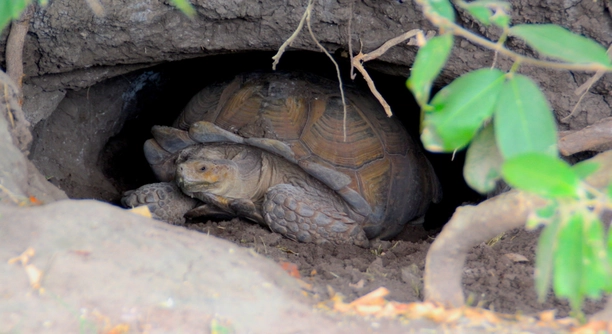
Sulcata tortoises are unique pets with distinctive behaviors. One of these behaviors, lip-smacking, might leave you wondering why they do it. Understanding the reasons behind this action can help ensure your tortoise’s well-being.
Sulcata tortoises often smack their lips as a sign of either contentment or a response to irritants in their environment, such as dust or dry conditions. This behavior is not usually a cause for concern but may indicate a need for environmental adjustments.
Knowing why your tortoise exhibits this behavior can lead to better care. Adjusting their habitat can help reduce lip-smacking and ensure their comfort. Understanding their needs will improve their health and happiness.
Common Causes for Lip-Smacking
Tortoises are creatures of habit, and they communicate in different ways. Lip-smacking in sulcatas is often a sign that they’re reacting to their environment. Sometimes, it’s simply a way for them to cope with dry air, dust, or other irritants. It could also happen after eating, especially if they’re adjusting food or water in their mouths. This type of behavior is mostly harmless. However, it’s important to pay attention to the surroundings of your tortoise. Proper humidity and temperature levels can reduce unnecessary lip-smacking and improve overall comfort.
Some tortoises will also lick or smack their lips when they’re in a new or unfamiliar environment. This is their way of exploring and testing their space. It’s important to observe if this continues after the initial settling period.
If your tortoise is in an environment that isn’t quite right, such as being too hot or too cold, they may display lip-smacking to show discomfort. This is when a careful look at their habitat could help. Check the humidity levels, lighting, and temperature to ensure they align with your tortoise’s needs. Make sure they have a balanced diet that suits their age and size too.
Is It Health-Related?
Though most lip-smacking in sulcata tortoises isn’t a health issue, it’s always worth checking for any signs of discomfort.
In rare cases, a tortoise might smack its lips due to oral or respiratory issues. If you notice excessive lip-smacking along with other symptoms, like wheezing or difficulty eating, it’s a good idea to consult a veterinarian. This could indicate an infection or injury that needs attention. Keeping an eye on their behavior and making sure their habitat is perfect will go a long way in preventing health problems.
Environmental Factors
If your sulcata tortoise is smacking its lips often, consider its environment. Dust, dry air, and extreme temperatures can cause discomfort, leading to this behavior. Proper humidity and temperature control are key to a healthy tortoise.
Keeping their enclosure clean and maintaining the right conditions can reduce the stress that triggers lip-smacking. Regularly misting their habitat and using a humidity gauge can help. Additionally, providing a warm basking spot and a cooler area for them to regulate their body temperature is essential. Adjusting these factors can lead to a noticeable improvement in your tortoise’s behavior.
Tortoises are highly sensitive to changes in their environment, so even small changes can have an impact. Too much dust or dryness can irritate their respiratory system, causing them to smack their lips. Always ensure their environment is stable and free from anything that might cause discomfort, like strong drafts or overcrowded spaces. By making these adjustments, you’re creating a more comfortable home for your tortoise.
Diet and Hydration
Lip-smacking can also be linked to diet and hydration. If your tortoise isn’t drinking enough water or is eating something too dry, they may try to adjust their mouth.
Ensuring your tortoise has access to fresh water daily is crucial for its overall health. Dehydration can lead to a range of issues, from lip-smacking to more severe conditions like kidney problems. Offer water in a shallow dish where they can easily drink without spilling. If your tortoise isn’t drinking much, try soaking it in warm water for 15-20 minutes. This can help with hydration.
Also, diet plays a role in mouth movements. A diet high in dry foods like hay or pellets can lead to lip-smacking. Fresh vegetables and fruits, while not the main diet, should be included to provide moisture and vitamins. Keep an eye on their food intake and make adjustments as needed to keep them hydrated and healthy.
Stress and Anxiety
Stress can also lead to lip-smacking in sulcata tortoises. Changes in their environment, handling, or even the presence of other animals can cause them to feel uneasy. This discomfort can show up through repetitive behaviors like lip-smacking.
If your tortoise is stressed, it might also hide more or seem less active than usual. Try to minimize loud noises and sudden changes in its environment. Avoid handling your tortoise too much, as this can cause anxiety, especially if they aren’t used to it. The more stable and calm the environment, the less likely they are to show stress through behaviors like lip-smacking.
Respiratory Issues
Sometimes, lip-smacking may point to respiratory problems. Tortoises with respiratory infections can exhibit signs like open-mouth breathing or wheezing. Lip-smacking might happen as they try to clear their throats.
If you notice additional signs like nasal discharge or labored breathing, it’s best to consult a vet. Respiratory infections in tortoises are serious and should not be ignored. Treatment can help prevent further complications and ease their symptoms.
FAQ
Why does my sulcata tortoise smack its lips?
Lip-smacking in sulcata tortoises can happen for a few reasons. It’s most commonly related to their environment, like dry air, dust, or temperature extremes. They may also smack their lips when they’re adjusting food in their mouths or when they’ve recently eaten. Sometimes, it’s simply a behavior linked to contentment or exploration. In rare cases, it can indicate health issues like dehydration, respiratory infections, or irritation.
Can my tortoise’s lip-smacking be a sign of dehydration?
Yes, dehydration is a potential cause of lip-smacking. When sulcata tortoises don’t drink enough water, they might exhibit this behavior as they attempt to moisten their mouths. Dehydration can lead to other health problems too, so it’s important to ensure your tortoise has fresh water daily. You can also soak them in lukewarm water to help with hydration.
What are some signs of stress in a sulcata tortoise?
Stress in a sulcata tortoise can show up through changes in behavior. Common signs include lip-smacking, hiding more often, or becoming less active. They may also appear more withdrawn and less responsive to their surroundings. Stress can be triggered by changes in their environment, improper handling, or the presence of other animals. Reducing stress by providing a quiet and stable environment can help prevent these behaviors.
How can I make my sulcata tortoise feel more comfortable?
To make your tortoise feel comfortable, ensure its habitat is optimal. Keep the temperature and humidity levels consistent. Provide a basking spot and a cooler area for thermoregulation. Clean the habitat regularly to remove dust and debris. Also, limit handling, as too much contact can stress them out.
What should I feed my sulcata tortoise to keep it healthy?
A sulcata tortoise’s diet should be high in fiber and low in protein. Offer them plenty of hay, like timothy or grass hay, as it provides the necessary nutrients for digestion. You can supplement with fresh vegetables like dandelion greens, collard greens, and some fruits in moderation. Avoid giving them too much fruit, as the sugar content can be harmful over time. Proper nutrition will keep your tortoise healthy and reduce any lip-smacking related to diet.
Can my sulcata tortoise’s behavior change as it ages?
Yes, as sulcata tortoises age, their behavior can change. They may become more active in their younger years and slower as they age. Lip-smacking behavior can also evolve depending on their health and living conditions. It’s important to monitor them closely as they grow, especially when it comes to their diet, hydration, and living space. Older tortoises may also develop certain health issues that could affect their behavior, so regular check-ups with a vet are a good idea.
Is it normal for my tortoise to make noises while eating?
It’s normal for a tortoise to make slight noises while eating, especially when they are chewing. They might smack their lips or make soft sounds when adjusting food. If the noises are loud or accompanied by other signs of distress, it could indicate an issue with their diet or health. It’s important to observe and make sure that everything else, like eating habits and behavior, is normal.
How do I know if my sulcata tortoise is sick?
Signs that your sulcata tortoise may be sick include changes in their eating habits, lethargy, labored breathing, nasal discharge, or excessive lip-smacking. If your tortoise exhibits any of these symptoms, it’s essential to consult a vet. Health issues like respiratory infections or parasites can develop in tortoises and can be serious if left untreated.
What should I do if my tortoise’s lip-smacking continues?
If your tortoise’s lip-smacking continues despite environmental adjustments, check for other signs of illness, like difficulty eating, lethargy, or changes in their behavior. If any additional symptoms are present, it’s important to schedule a vet visit. Persistent lip-smacking could signal a more serious issue that needs professional attention.
Can I handle my sulcata tortoise when it’s smacking its lips?
If your sulcata tortoise is smacking its lips due to stress, it’s best to avoid handling it too much. This behavior may indicate discomfort or anxiety, and handling could exacerbate the issue. Give your tortoise time to relax and adjust to its environment before attempting to interact with it again.
Final Thoughts
Lip-smacking in sulcata tortoises is generally a normal behavior, though it can sometimes indicate that something needs attention. It’s most commonly a sign of contentment, a way for your tortoise to adjust its mouth after eating, or simply a reaction to its environment. Dry air, dust, and temperature fluctuations are common triggers, and making sure their habitat is comfortable can help reduce this behavior. If your tortoise is otherwise healthy and the behavior is not excessive, it’s usually nothing to worry about.
However, there are some situations where lip-smacking could be a sign of discomfort or health issues. If the behavior persists despite adjusting environmental factors or if it’s accompanied by other symptoms like nasal discharge, labored breathing, or loss of appetite, it may indicate a respiratory infection or dehydration. In such cases, it’s important to consult a veterinarian for advice. A healthy diet, regular hydration, and proper humidity levels can help prevent these problems and promote overall well-being for your tortoise.
Lastly, taking a proactive approach to caring for your sulcata tortoise will help ensure its happiness and health. Regularly assess its living conditions, monitor its diet, and minimize stress by providing a calm, stable environment. Observing your tortoise’s behavior and addressing any changes quickly will keep your pet comfortable and thriving. Though lip-smacking is common, always keep an eye out for any signs that could suggest something more serious. With the right care, your tortoise will be able to live a long, healthy, and happy life.

Hello,
If you enjoy the content that we create, please consider saying a "Thank You!" by leaving a tip.
Every little bit helps us continue crafting quality advice that supports the health, happiness, and well-being of pets around the world, for pets of all shapes, sizes, and species.
We really appreciate the kindness and support that you show us!