
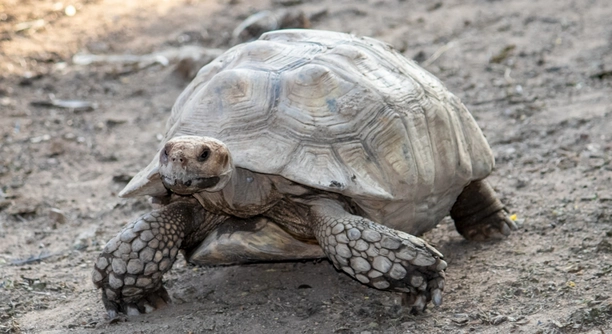
Dehydration in sulcata tortoises is a serious issue that can affect their health and well-being. Understanding the signs of dehydration can help you ensure your tortoise stays healthy and hydrated in its environment.
Dehydration in sulcata tortoises can be identified through changes in their behavior, appearance, and activity levels. Key warning signs include sunken eyes, dry skin, lethargy, and loss of appetite. Prompt intervention is critical to prevent further health issues.
Proper hydration is essential for your tortoise’s health, and recognizing dehydration early can make a huge difference in its recovery. Let’s explore the main signs of dehydration and how to prevent it.
Sunken Eyes
When a sulcata tortoise is dehydrated, its eyes are one of the first areas to show visible signs. Sunken eyes are a clear indicator that the tortoise is not getting enough water. This can cause discomfort and affect its overall health. Dehydration causes a lack of fluid in the tissues around the eyes, causing them to appear deep-set or even hollow. It’s important to monitor your tortoise closely for this sign, as it often appears before other more noticeable symptoms. Keeping your tortoise well-hydrated is essential for maintaining normal eye health.
If you notice sunken eyes, it’s crucial to take immediate action. Ensure your tortoise has access to clean water and offer it in various forms, such as a shallow dish or even soaking.
If left untreated, this condition can lead to more severe complications, including organ failure. Providing your tortoise with a proper diet and hydration routine is essential for preventing this. Regular soaking and offering water daily will help prevent dehydration. If the condition persists, it’s a good idea to consult a veterinarian for further advice.
Dry Skin
Dehydration often leads to dry, flaky skin on sulcata tortoises. This can be noticed around the legs, neck, or head. The skin may appear rough and may even crack, causing discomfort for the tortoise.
Dry skin happens when the tortoise’s body lacks the moisture needed to maintain proper hydration. You may notice that the skin doesn’t return to its normal texture even after a soak. Dryness may also cause shedding issues. Regular hydration and humidity levels should be monitored to prevent this from happening.
To prevent dry skin, make sure your tortoise always has access to fresh water. A shallow dish works best for easy drinking. Ensure its living environment has proper humidity levels to promote healthy skin. If dry skin persists, consider increasing its water intake and soaking it more often.
Lethargy
A dehydrated sulcata tortoise will likely show signs of lethargy. It may move slowly or become less active than usual. You’ll also notice that the tortoise spends more time hiding or resting in one spot.
Lack of energy can stem from dehydration, as it affects the tortoise’s overall bodily functions. Since water plays a vital role in digestion and temperature regulation, dehydration can make the tortoise sluggish. You may find that your tortoise avoids normal activities like foraging or basking in the heat.
Encourage hydration by offering fresh water and soaking the tortoise to help it rehydrate. Dehydration can cause long-term health problems, so immediate action is important. If the lethargy continues despite providing water, it may be a good idea to consult a veterinarian to rule out other health issues.
Loss of Appetite
A dehydrated tortoise may lose interest in food. This is one of the earliest signs of dehydration. When hydration levels are low, a sulcata tortoise may refuse to eat its usual diet.
Loss of appetite can be linked to dehydration because the tortoise’s body isn’t functioning optimally. When a tortoise is not drinking enough water, its digestive system slows down, making it feel less inclined to eat. Offer a variety of fresh foods and ensure access to water to encourage eating.
Hard, Dry Feces
Dehydration often causes a tortoise’s feces to become hard and dry. This occurs because water is essential for proper digestion, and without it, the waste becomes less moist.
When the tortoise is dehydrated, its body struggles to process food properly, leading to harder, drier stool. This can make defecation uncomfortable and potentially harmful. Ensure your tortoise is drinking enough water and consider increasing the humidity around it to help with digestion. If this problem continues, seek veterinary advice to avoid any further complications.
FAQ
How much water does a sulcata tortoise need daily?
A sulcata tortoise typically needs access to water every day. While the exact amount can vary depending on its size and diet, providing a shallow dish with fresh water is a good rule of thumb. Tortoises generally drink more when the temperature is higher, so make sure water is available throughout the day. Additionally, soaking your tortoise in water for about 20-30 minutes once or twice a week can help with hydration, especially if it’s not drinking enough on its own.
Can I use a water bowl for my sulcata tortoise?
Yes, using a shallow water bowl is a great way to provide your sulcata tortoise with water. The water should be shallow enough that the tortoise can easily drink without risk of drowning. Ensure the bowl is cleaned regularly to prevent the buildup of bacteria. Also, place the water bowl in an area where the tortoise feels comfortable accessing it.
What are the signs that my sulcata tortoise is severely dehydrated?
Severe dehydration in a sulcata tortoise can be identified by very sunken eyes, excessively dry and flaky skin, a lack of energy, and a refusal to eat. If these signs appear, it is critical to address the dehydration immediately by offering water and soaking the tortoise. In extreme cases, consult a veterinarian as dehydration can cause long-term health issues.
How can I prevent dehydration in my sulcata tortoise?
The best way to prevent dehydration is to make sure your tortoise has consistent access to fresh water. You should also regularly soak your tortoise in shallow, lukewarm water to encourage hydration. Additionally, ensure its living environment has proper humidity and a warm basking area that doesn’t become too dry. Offering water-rich foods like leafy greens and avoiding excessive heat will also help prevent dehydration.
Is it safe to soak my sulcata tortoise every day?
Soaking your sulcata tortoise once or twice a week is generally recommended, but daily soaking is not necessary unless your tortoise is showing signs of dehydration. If your tortoise is severely dehydrated, you may want to soak it daily until its hydration levels return to normal. Always monitor your tortoise’s behavior and hydration status to adjust the frequency of soaking.
What should I do if my tortoise refuses to drink water?
If your sulcata tortoise refuses to drink water, try offering it through different methods. For example, use a syringe or dropper to gently introduce water into its mouth. You can also soak the tortoise in water to encourage it to drink. Keep the water dish fresh, and ensure it is placed in a comfortable location for your tortoise to access. If refusal to drink persists, it’s essential to consult a veterinarian.
Can dehydration affect my sulcata tortoise’s shell?
Yes, dehydration can negatively affect the condition of your tortoise’s shell. When a tortoise is dehydrated, its shell may become more fragile and prone to cracks or other damage. Keeping your tortoise hydrated helps maintain its shell’s strength and overall health. Regular hydration and proper care are key to preventing these issues.
How long can a sulcata tortoise survive without water?
A sulcata tortoise may survive for a period without water, but it will experience significant health problems the longer it goes without hydration. Generally, a tortoise can survive a few days to a week without water, but this depends on factors such as its age, size, and environmental conditions. Long periods without water can lead to severe dehydration, organ failure, and even death. To avoid this, always provide water regularly and monitor your tortoise’s hydration status.
Can I give my sulcata tortoise water through food?
Yes, you can provide some hydration through food by offering water-rich foods like cucumbers, melons, and leafy greens. However, this should not be the only source of hydration. It’s important to make sure your tortoise has access to fresh water at all times. Food can complement its water intake but should not replace drinking water entirely.
What should I do if I suspect my sulcata tortoise is dehydrated?
If you suspect your sulcata tortoise is dehydrated, immediately provide it with fresh water and soak it in a shallow dish of lukewarm water. This will help it rehydrate. Monitor the tortoise for any signs of improvement, and if dehydration persists or worsens, consult a veterinarian for further treatment and advice. Prompt action can help prevent more severe health issues.
Does temperature affect how much water my tortoise needs?
Yes, temperature plays a significant role in how much water your sulcata tortoise needs. Warmer temperatures cause your tortoise to drink more water to stay hydrated. If the temperature in its enclosure is too high, it may lose more moisture through evaporation, leading to dehydration. Make sure to provide ample water during warmer months and maintain a stable temperature in its habitat to prevent dehydration.
Final Thoughts
Keeping your sulcata tortoise healthy requires more than just providing food and shelter. Hydration is a key factor in ensuring its well-being, and understanding the signs of dehydration is essential for any tortoise owner. Regular access to fresh water, proper humidity levels, and occasional soaking are all simple steps that can help prevent dehydration. Knowing the warning signs, like sunken eyes, dry skin, lethargy, and loss of appetite, will help you act quickly before the condition becomes severe.
If your sulcata tortoise shows signs of dehydration, immediate action is necessary. Offering water, providing a shallow dish for drinking, and increasing its water intake through food can help rehydrate your tortoise. In some cases, soaking your tortoise for a few minutes can also aid in restoring hydration levels. However, it’s important to keep in mind that if the dehydration continues or worsens, consulting a veterinarian is the best option to ensure your tortoise’s health. Dehydration can lead to serious complications, so always monitor your tortoise’s hydration closely.
Ultimately, taking a proactive approach to hydration will go a long way in maintaining the long-term health of your sulcata tortoise. Regular monitoring and care, such as offering fresh water and ensuring the proper living conditions, will help your tortoise stay active and healthy. By providing the right environment and hydration practices, you can prevent dehydration and keep your tortoise happy. It’s not just about meeting basic needs but making sure your tortoise’s health is supported with consistent care.

Hello,
If you enjoy the content that we create, please consider saying a "Thank You!" by leaving a tip.
Every little bit helps us continue crafting quality advice that supports the health, happiness, and well-being of pets around the world, for pets of all shapes, sizes, and species.
We really appreciate the kindness and support that you show us!