
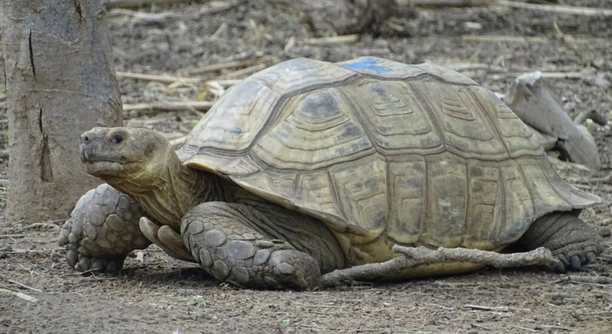
If your sulcata tortoise is rubbing its tail on the ground, it might be a sign of discomfort or natural behavior. Understanding this behavior is important for ensuring your tortoise stays healthy and happy.
The primary reason for tail rubbing in sulcata tortoises can be attributed to irritation, discomfort, or the need to shed skin. This behavior can also stem from environmental factors, such as an improper habitat setup or stress from changes in its surroundings.
Understanding this behavior can help improve your tortoise’s well-being and address any underlying health concerns. Keep reading to find out more!
Why Do Sulcata Tortoises Rub Their Tails?
Sulcata tortoises are known for their unique behaviors, and tail rubbing is one of the more common actions they perform. This behavior can often be linked to shedding skin or discomfort. As tortoises grow, their scutes (the bony plates on their shell) may shed, and the tail could rub against surfaces to help with this process. However, it is important to observe whether the behavior is frequent or associated with other signs of distress, as this may indicate health issues.
In some cases, tail rubbing could also signal irritation caused by poor enclosure conditions. A lack of proper humidity, temperature, or hiding spaces could make your tortoise feel stressed. Stress can lead to abnormal behaviors, including tail rubbing. Therefore, checking your tortoise’s habitat and environment is essential for its overall well-being.
Additionally, behavioral patterns like tail rubbing may also happen when your tortoise feels threatened. This might occur if other animals are nearby or if it feels cornered. To avoid this, ensure your tortoise has a safe and quiet space to retreat when needed.
Health Concerns and Tail Rubbing
A more serious reason for tail rubbing can be related to injury or infection. If your tortoise is hurt, the rubbing might be an attempt to relieve the discomfort. Injuries to the tail, especially from other tortoises, can lead to excessive rubbing. If you notice bleeding or swelling around the tail area, it’s crucial to consult with a vet immediately.
Some internal issues like parasites or urinary tract infections can also lead to tail rubbing. These health problems might cause discomfort, making your tortoise rub its tail against the ground in an attempt to ease the pain. If there are no visible injuries but rubbing continues, a vet check is recommended.
Keeping a close eye on your tortoise’s behavior and health is important. Regular vet visits can ensure any underlying issues are addressed early, preventing more serious complications down the line. Always consider its diet, exercise, and habitat as they directly affect its overall comfort and health.
What to Do About Tail Rubbing
If you find that your sulcata tortoise is frequently rubbing its tail, start by checking its living conditions. Ensure the enclosure has proper temperature and humidity levels to avoid discomfort. Add hiding spots and plenty of space for your tortoise to move around freely. Keep the habitat clean and stress-free to promote a healthy environment.
Address any signs of injury or infection right away by seeking professional veterinary care. You can also try adding natural, soft materials to the flooring of the enclosure to make it easier for your tortoise to shed and reduce irritation.
Environmental Factors That Contribute to Tail Rubbing
The environment plays a significant role in your tortoise’s behavior. If the temperature or humidity levels are off, your sulcata tortoise might become uncomfortable and resort to rubbing its tail. Keeping the habitat well-regulated is essential for your tortoise’s overall comfort.
Sulcata tortoises require a warm environment with temperatures between 85°F and 95°F during the day. If your enclosure is too cold, your tortoise might try to regulate its body temperature by rubbing against the ground. Similarly, humidity levels should be between 30-50% to prevent dehydration or skin issues. Consider using a humidifier or misting the enclosure to maintain the ideal levels.
Additionally, having enough space to move around is important. A cramped or overly cluttered enclosure may stress your tortoise, causing tail rubbing as a sign of frustration or discomfort. Make sure the space is large enough for your tortoise to feel safe and relaxed.
Monitoring Behavior for Changes
Noticing a change in your tortoise’s behavior is key to understanding what might be going on. Tail rubbing might be harmless, but it’s important to keep track of other symptoms. If the behavior becomes excessive or is paired with other concerning signs, it’s time to act.
Pay attention to whether the rubbing is more frequent or if your tortoise seems to be in pain. Look for signs of injury or swelling, which could indicate a more serious issue. If the tail rubbing persists without any other changes to its environment, a vet visit is recommended. Monitoring the behavior closely can help you catch potential health problems early.
Keeping track of changes in diet, activity, or social interactions will give you a clearer picture of your tortoise’s health. A change in behavior can sometimes be linked to an underlying issue that requires professional intervention.
Shedding and Tail Rubbing
When your sulcata tortoise sheds its skin, it might rub its tail against the ground. This helps it remove the old skin and keeps the process smooth. It’s a natural and common behavior, especially during the shedding periods.
Make sure your tortoise has access to a suitable surface for shedding, such as a rough substrate. This helps the process go smoothly and reduces unnecessary irritation. Keep the enclosure clean to avoid infections or complications. This simple behavior can often be mistaken for discomfort, but it’s part of a healthy routine.
Checking for Injuries
Injury to the tail can cause rubbing as the tortoise attempts to soothe the area. This can happen due to rough handling or if it accidentally injures itself while moving around the enclosure. Check for any visible signs of cuts or abrasions.
A quick examination of your tortoise’s tail and surrounding areas will help you identify any possible injuries. If the injury seems severe, seek professional care. Minor scratches may heal on their own with proper cleaning and care, but it’s best to monitor it closely.
FAQ
Why is my sulcata tortoise rubbing its tail on the ground?
Tail rubbing in sulcata tortoises is typically a sign of natural shedding or discomfort. When shedding, your tortoise may rub its tail to help remove old skin. If it’s rubbing more frequently, it could also indicate irritation, stress, or an injury. Check for any signs of physical damage or abnormal behavior.
How do I know if my tortoise is rubbing its tail due to stress?
Stress-related tail rubbing often happens when the tortoise feels threatened or confined. It may also rub its tail if the enclosure feels too small, too hot, or too cold. Observing other behaviors like hiding more often or pacing can help you identify stress. Ensure your tortoise has a proper living space with adequate room, temperature, and humidity.
Can my tortoise hurt itself while rubbing its tail?
While tail rubbing itself is not usually harmful, excessive rubbing can cause injury. If your tortoise is rubbing its tail against hard surfaces, there’s a chance it could cause scratches or abrasions. It’s important to monitor the behavior and ensure the enclosure has soft surfaces or natural materials to avoid injury.
Should I worry if my tortoise is rubbing its tail for long periods?
If your tortoise is rubbing its tail for extended periods, it may indicate an underlying issue such as injury, infection, or stress. While some tail rubbing is normal, persistent or intense rubbing may require a closer look at its health and environment. Keep an eye on its behavior and consult a vet if the issue continues.
Can a dirty enclosure cause tail rubbing in sulcata tortoises?
Yes, a dirty enclosure can contribute to tail rubbing. If the substrate is too soiled or not suitable for your tortoise, it may cause irritation, leading to excessive rubbing. Make sure to clean the enclosure regularly, use safe, comfortable materials for flooring, and keep humidity levels in check. A clean environment is vital for your tortoise’s overall health.
What are some common signs of infection in sulcata tortoises?
Signs of infection in sulcata tortoises include swelling, redness, discharge, or visible cuts or wounds on the tail or other areas. If your tortoise is rubbing its tail excessively and you notice any of these symptoms, it’s essential to seek veterinary care. Infections can worsen quickly, so prompt treatment is crucial.
Can diet affect tail rubbing in sulcata tortoises?
Diet can influence your tortoise’s overall health, but it isn’t usually the direct cause of tail rubbing. However, poor nutrition may contribute to skin issues or lethargy, which could indirectly lead to discomfort. Ensure your tortoise receives a balanced diet with plenty of fiber and essential vitamins. This helps support its overall health and reduces stress on its body.
How do I create a more comfortable environment for my tortoise?
To make your tortoise feel comfortable, make sure its enclosure has proper heating, humidity, and space. Keep the temperature between 85°F and 95°F during the day, with a cool area of around 70°F. Humidity should be kept between 30-50%. Provide soft materials for the floor, such as natural substrates like hay or coconut fiber. A large, spacious area with plenty of hiding spots and stimulation will help reduce stress.
Can tail rubbing indicate a health issue other than injury or shedding?
Yes, tail rubbing could indicate a range of health issues. It could be caused by parasites, infections, or urinary tract problems. If your tortoise is rubbing its tail and you see other signs such as lack of appetite, lethargy, or unusual behavior, it’s important to have it checked by a vet.
How often should I check my tortoise for injuries or signs of discomfort?
You should check your sulcata tortoise regularly, at least once a week, for injuries, skin issues, or discomfort. Regular checks allow you to spot any potential problems early. This includes checking for swelling, cuts, or signs of infection. If your tortoise is rubbing its tail more than usual, a closer inspection may help identify underlying issues.
Can other tortoises cause tail rubbing in my sulcata tortoise?
Yes, aggression or dominance from other tortoises could cause your sulcata tortoise to rub its tail. If there’s more than one tortoise in the enclosure, ensure there’s enough space for each one to avoid territorial conflicts. Stress from other animals could lead to tail rubbing, as well as other signs of discomfort or anxiety.
What should I do if my tortoise continues rubbing its tail?
If the behavior persists, it’s important to rule out possible causes such as injury, shedding, or stress. Adjust the environment, check for physical injuries, and observe if there are any other changes in behavior. If the rubbing continues despite these changes, it’s best to consult a veterinarian to rule out medical concerns.
Can tail rubbing be prevented?
While it’s difficult to prevent tail rubbing completely, providing a comfortable, clean, and spacious environment will reduce the chances of stress or discomfort. Regular monitoring, a proper diet, and regular vet check-ups will help ensure that your tortoise remains healthy and happy. Make adjustments to the habitat to ensure it meets your tortoise’s specific needs.
Final Thoughts
Tail rubbing in sulcata tortoises is typically a natural and harmless behavior, often linked to shedding or occasional discomfort. When your tortoise rubs its tail on the ground, it’s usually trying to remove old skin during the shedding process. This is completely normal and part of their natural cycle. In some cases, it can also be a sign that the tortoise is feeling stressed or has an injury. Paying attention to its behavior and ensuring its living conditions are ideal can help prevent excessive rubbing.
However, if your tortoise is rubbing its tail for long periods, it’s essential to assess its environment and health. Look for any signs of injury, infection, or stress. A dirty or too-small enclosure can cause discomfort, and poor nutrition can affect your tortoise’s overall health. Make sure the temperature, humidity, and space requirements are met. Providing a comfortable living space with plenty of room to move and hide will help reduce stress and promote overall well-being. Regular checks for injuries, skin conditions, and changes in behavior are also crucial in catching any potential issues early.
Ultimately, understanding your tortoise’s natural behaviors and making sure it’s in a safe and healthy environment is key. While rubbing its tail can sometimes be a sign of an issue, it’s usually not something to worry about. However, if the behavior persists or is accompanied by other concerning signs, seeking advice from a vet is always a good idea. With the right care, your sulcata tortoise will thrive and continue to display its natural behaviors, including tail rubbing, in a healthy and balanced way.

Hello,
If you enjoy the content that we create, please consider saying a "Thank You!" by leaving a tip.
Every little bit helps us continue crafting quality advice that supports the health, happiness, and well-being of pets around the world, for pets of all shapes, sizes, and species.
We really appreciate the kindness and support that you show us!