
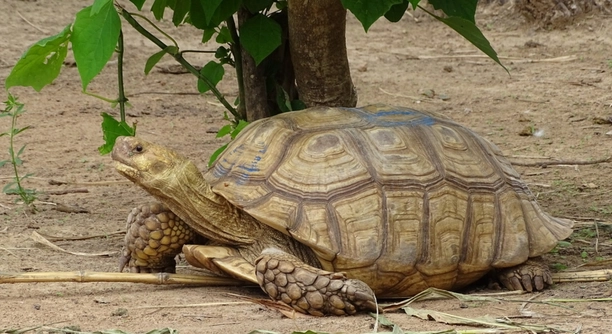
Sulcata tortoises are fascinating creatures that can live for decades, but keeping them healthy requires attention to many aspects of their care. One of the most important parts is maintaining their beak, which can overgrow without the right conditions.
To naturally trim a Sulcata tortoise’s beak, you need to provide them with a balanced diet that includes high-fiber foods and encourage activities that help wear down their beak. Allowing them to roam on rough surfaces also aids in trimming.
Proper care for your tortoise’s beak will not only ensure its comfort but also help in preventing health issues. Let’s explore the best ways to keep your tortoise’s beak healthy.
Providing the Right Diet for Your Sulcata Tortoise
A well-balanced diet is essential for maintaining a healthy beak on your Sulcata tortoise. A diet rich in fiber can naturally help wear down the beak. This can be achieved by offering high-fiber foods such as grasses, hay, and leafy greens. Sulcata tortoises are herbivores and thrive on a diet that closely mirrors what they would consume in the wild. It’s important to avoid offering foods high in protein or fat, as these can cause unhealthy growth patterns in the beak. A diet consisting of natural plant matter allows for the proper growth of their beak, while also keeping it trimmed.
Consistent access to hay and grasses, along with varied leafy greens, ensures that your tortoise gets the nutrients they need. A proper diet also contributes to overall well-being and helps prevent dental and beak issues.
Offering your tortoise a variety of appropriate plants will encourage them to naturally wear down their beak over time. This simple step promotes a healthy, balanced life for your tortoise.
Encouraging Natural Behaviors
Allowing your Sulcata tortoise to roam freely is another key factor in maintaining a trimmed beak. Tortoises in the wild naturally grind down their beaks through activities like grazing and chewing on rough surfaces. By creating an environment that encourages these behaviors, you help your tortoise naturally wear down their beak.
Providing rough surfaces such as rocks, gravel, or textured outdoor areas allows them to chew and grind their beak. When placed in a habitat that mimics natural conditions, your tortoise is more likely to engage in these activities. This helps prevent overgrowth and ensures the beak remains healthy. Letting your tortoise roam in areas that replicate their natural habitat can go a long way in promoting natural beak care.
The Role of UVB Lighting
UVB lighting plays an essential role in your Sulcata tortoise’s health, including keeping their beak in check. UVB helps them process calcium, which is important for overall bone health and the proper growth of the beak. Without adequate UVB light, your tortoise may face growth problems in both the beak and shell.
In the wild, Sulcata tortoises would naturally be exposed to sunlight, which provides the necessary UVB rays for vitamin D production. If your tortoise lives indoors, you’ll need to supply them with artificial UVB lighting. This should be placed within the tortoise’s reach to encourage basking and vitamin D synthesis. Regular exposure to UVB light helps avoid beak deformities or overgrowth caused by calcium deficiencies.
Maintaining a proper light source, in addition to a balanced diet, is essential to avoid health issues. Providing consistent access to UVB lighting for around 10 to 12 hours a day will ensure your tortoise’s overall health, including their beak. Be sure to replace bulbs regularly, as they lose effectiveness over time.
Proper Habitat and Environmental Setup
Creating the right habitat for your Sulcata tortoise is crucial for their well-being, including keeping their beak naturally trimmed. A well-maintained outdoor enclosure provides the space and natural elements that help promote healthy beak growth. Ensure that the enclosure has enough room for roaming, and includes rough surfaces like rocks and dirt to aid in beak wear.
Sulcata tortoises are known to enjoy digging and burrowing. These activities naturally assist in beak care by helping to wear down their sharp edges. The right environmental setup also includes a mix of sun and shade, which allows your tortoise to bask and regulate its body temperature. Proper humidity levels are also necessary for overall health, as overly dry environments can lead to issues with the beak and shell.
Providing a variety of surfaces and textures in the habitat encourages your tortoise to engage in natural behaviors that help maintain their beak health. By replicating their natural environment as much as possible, you set your tortoise up for a lifetime of well-being.
Monitoring Beak Growth
Keep an eye on your Sulcata tortoise’s beak regularly. Look for any signs of overgrowth, such as the beak becoming overly long or misshapen. This could indicate an issue with their diet, habitat, or overall care routine. Addressing problems early can prevent more serious issues down the road.
Beak health is an ongoing process that requires consistent care. Regular checks are essential to ensure the beak is not growing too long or becoming sharp. If needed, consult a vet for professional care to maintain the tortoise’s beak.
The Importance of Hydration
Hydration plays an important role in your tortoise’s overall health. Dehydration can cause the beak to grow abnormally, leading to potential discomfort. Providing fresh, clean water at all times helps ensure your tortoise’s beak stays in a healthy condition.
A consistent water source also supports the natural grinding down process when your tortoise chews. Make sure the water is shallow and accessible, allowing your tortoise to drink without difficulty. Proper hydration is a key part of maintaining a healthy tortoise beak.
Beak Trimming by a Professional
In some cases, beak trimming may be necessary. If you notice significant overgrowth or issues that cannot be resolved through diet and environmental changes, seek out a veterinarian experienced with tortoises. Beak trimming by a professional ensures proper care.
A vet will assess the beak’s condition and trim it safely to prevent injury.
FAQ
How can I tell if my Sulcata tortoise’s beak is overgrown?
An overgrown beak is usually easy to spot. If you notice that your tortoise’s beak is longer than usual, or if it looks uneven or curved, it could be a sign that it’s overgrown. A normal, healthy beak should have a slight curve and remain proportionate to the size of the tortoise. If the beak is sharp and pointed, or it’s beginning to overlap with the upper or lower parts of the mouth, it’s time to intervene. Regular checks are key to spotting these issues early.
What foods help trim a Sulcata tortoise’s beak naturally?
A high-fiber diet helps naturally wear down a Sulcata tortoise’s beak. Grasses, hay, and leafy greens should be the bulk of their diet. These foods encourage natural chewing, which helps grind down the beak as they eat. Additionally, offering fibrous plants like dandelion greens and cactus pads can further support natural beak maintenance. Avoid feeding them foods that are too soft or processed, as these won’t contribute to the wear-down process.
Can I trim my Sulcata tortoise’s beak myself?
While it’s possible to trim a tortoise’s beak at home, it’s generally not recommended unless you’re experienced. Improper trimming can cause injury, pain, or infection. Instead, it’s safer to monitor your tortoise’s beak and make environmental changes to naturally wear it down. If trimming becomes necessary, consult a veterinarian who specializes in reptiles to handle it safely.
How often should I check my Sulcata tortoise’s beak?
It’s a good idea to check your tortoise’s beak every couple of weeks, especially if they are housed indoors or in an area where they can’t roam freely. Regular checks allow you to spot any abnormalities early. If your tortoise is older or has a history of beak issues, more frequent checks may be necessary. Catching problems early can prevent them from becoming more severe and harder to treat.
Can UVB light help with beak health?
Yes, UVB light plays an important role in maintaining the overall health of your tortoise, including their beak. UVB helps your tortoise process calcium, which is essential for healthy bone and shell growth. A deficiency in calcium can lead to issues with the beak, such as overgrowth or deformities. Ensure that your tortoise is exposed to 10-12 hours of UVB light every day if they are kept indoors.
What if my Sulcata tortoise refuses to eat fiber-rich foods?
If your tortoise is refusing fiber-rich foods, it may be due to dietary habits, illness, or stress. You can try offering different types of fiber-rich plants to see if there’s a preference. Sometimes, it’s also helpful to soak the greens or chop them into smaller pieces to make them more appealing. However, if the refusal continues, it’s a good idea to consult a veterinarian to rule out any underlying health problems.
How does exercise affect my tortoise’s beak?
Exercise is crucial in keeping your tortoise’s beak healthy. Roaming on rough surfaces like rocks or gravel allows the beak to naturally grind down as the tortoise eats or explores. The more your tortoise moves, the more opportunities there are for the beak to wear down naturally. Creating a larger outdoor space or providing textured surfaces indoors can encourage physical activity, which helps prevent the beak from growing too long.
Is there a way to prevent beak problems before they start?
Yes, providing a proper diet and environment from the beginning can prevent beak problems. Ensure your tortoise has access to a high-fiber diet, plenty of space to roam, and rough surfaces for chewing. Regular access to natural sunlight or UVB lighting is also essential. Maintaining these factors from an early age will help your tortoise grow a healthy beak without needing excessive intervention. Regular checks and ensuring they get proper hydration are also important in preventing future beak issues.
Can I fix my Sulcata tortoise’s beak myself if it’s already overgrown?
If your tortoise’s beak is overgrown, it’s best to consult a veterinarian for professional care. Attempting to trim the beak yourself could cause injury or infection if not done correctly. A veterinarian with experience in reptile care will safely trim the beak and address any underlying issues. After the trim, your vet can offer guidance on how to prevent future overgrowth and maintain a healthy beak through diet and habitat changes.
Why is my Sulcata tortoise’s beak turning soft?
A soft beak can be a sign of nutritional deficiencies, particularly a lack of calcium or vitamin D. Without these vital nutrients, the beak may lose its natural hardness and structure. Make sure your tortoise is getting a diet rich in calcium and that it’s receiving proper UVB light to aid in vitamin D synthesis. If the problem persists, it’s best to visit a reptile vet to address any underlying health issues.
Final Thoughts
Maintaining a healthy beak for your Sulcata tortoise is essential for its overall well-being. A properly cared-for beak ensures that your tortoise can eat and drink comfortably while avoiding potential issues like overgrowth or deformities. By providing a balanced diet, ample opportunities for natural wear, and regular checkups, you can help prevent beak problems from arising. It’s also important to create an environment that encourages physical activity and supports their natural chewing behaviors. If your tortoise’s beak does become overgrown, seeking professional help from a veterinarian is the safest option to prevent injury.
Be proactive in maintaining your tortoise’s beak health. A diet high in fiber, including grasses and leafy greens, will naturally aid in the beak’s upkeep. You can also offer fibrous plants like dandelion greens to further help with wear. Keeping your tortoise well-hydrated is equally important, as dehydration can contribute to abnormal beak growth. In addition to diet, ensure your tortoise has access to plenty of space to move around and rough surfaces to roam. This encourages chewing and natural grinding down of the beak, which is essential for healthy beak maintenance.
In the end, ensuring the health of your Sulcata tortoise’s beak is part of being a responsible pet owner. By understanding the factors that contribute to proper beak care, you can avoid unnecessary issues and help your tortoise thrive. Regular checks, good diet, exercise, and appropriate veterinary care when needed will go a long way in supporting their overall health. Don’t hesitate to seek professional help if any signs of overgrowth or problems arise, as timely intervention will prevent more serious issues from developing.

Hello,
If you enjoy the content that we create, please consider saying a "Thank You!" by leaving a tip.
Every little bit helps us continue crafting quality advice that supports the health, happiness, and well-being of pets around the world, for pets of all shapes, sizes, and species.
We really appreciate the kindness and support that you show us!