
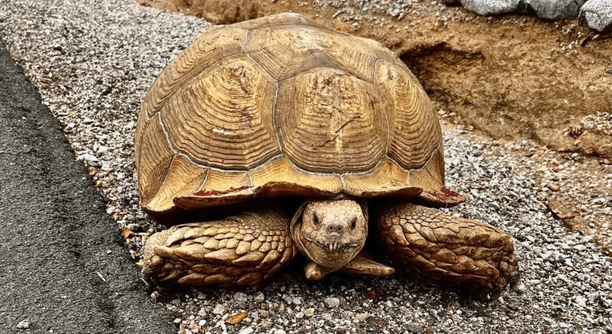
Do you find yourself worrying about your sulcata tortoise’s digestive health and wondering what might be causing their discomfort? Understanding common digestive problems can help you provide better care and ensure their long-term well-being.
The most common digestive issues in sulcata tortoises include impaction, diarrhea, bloating, parasites, dehydration, and improper diet. These problems often result from incorrect husbandry practices and can be managed with proper diet, hydration, and regular health check-ups.
By recognizing these signs early and taking the right steps, you can support your tortoise’s digestive health and help them thrive for years to come.
Impaction in Sulcata Tortoises
Impaction is a common and serious digestive issue in sulcata tortoises. It occurs when the digestive tract becomes blocked, often due to the ingestion of indigestible materials like sand, gravel, or large amounts of fibrous food. This condition can cause lethargy, loss of appetite, and visible straining during defecation. If left untreated, impaction may lead to severe complications, including permanent damage to the digestive system. Providing a well-balanced diet, proper hydration, and a substrate-free environment can significantly reduce the risk of impaction. Early detection and intervention are crucial to your tortoise’s recovery.
Impaction usually happens when tortoises eat substrate materials or consume foods low in fiber. Without enough fiber and hydration, their digestive tract struggles to move waste efficiently, causing blockages that lead to discomfort and health issues.
To prevent impaction, offer high-fiber foods like hay and grasses. Avoid feeding foods high in oxalates, as they can bind calcium and contribute to impaction. Regularly monitor your tortoise’s droppings and behavior for early signs of distress. If symptoms persist, consult a reptile veterinarian immediately. Ensuring consistent hydration and access to a shallow water source can help keep their digestive system functioning properly.
Diarrhea in Sulcata Tortoises
Diarrhea in sulcata tortoises is often caused by dietary imbalances, bacterial infections, or parasites. It presents as loose, watery stools and can quickly lead to dehydration if not addressed.
A diet too high in water-rich foods like fruits or vegetables can disrupt a tortoise’s digestive balance, causing diarrhea. Bacterial infections or internal parasites are also common causes. If you notice persistent loose stools, it is essential to review their diet and hydration levels first. Limit watery foods and prioritize fibrous options such as grasses and hay. Maintaining clean living conditions will also reduce the risk of infection.
To treat diarrhea, start by removing any watery foods from their diet and increasing fiber intake. Provide clean, fresh water at all times to prevent dehydration. If symptoms do not improve within a few days, seek veterinary care for a fecal exam to identify potential parasites or infections. Regular health check-ups can help prevent recurring digestive problems.
Bloating in Sulcata Tortoises
Bloating in sulcata tortoises occurs when excess gas builds up in the digestive system, often causing visible swelling and discomfort. This issue can result from poor diet, dehydration, or underlying infections that disrupt normal digestion.
A diet low in fiber or high in fermentable foods like certain fruits can cause excessive gas production. Dehydration can further slow digestion, allowing gas to accumulate. Providing adequate hydration, along with a fiber-rich diet of grasses and hay, can help prevent bloating. If swelling persists or the tortoise shows signs of distress, a vet should be consulted to rule out infections.
Regularly monitoring your tortoise’s food intake and droppings can help detect bloating early. Avoid foods that ferment easily, and ensure the habitat temperature is appropriate for proper digestion. Consistent hydration and a balanced diet are essential for maintaining a healthy digestive system and preventing recurring bloating issues.
Dehydration in Sulcata Tortoises
Dehydration is a common issue in sulcata tortoises, especially when their diet lacks moisture or they don’t have consistent access to clean water. It can lead to sluggish behavior, sunken eyes, and thick, dry droppings.
Tortoises get most of their hydration from the foods they eat, but they also need access to fresh water. Grasses and hay should make up the majority of their diet, while high-water foods like fruits should be limited. Regular soaks in shallow water can also help maintain hydration levels, particularly during hot or dry weather.
If dehydration is left untreated, it can cause kidney damage and other serious health problems. Ensure water sources are always clean and accessible. Adjust their diet to include more fiber and less sugary produce, as sugar can pull water from their system. A consistent routine of hydration, diet, and environmental care will support long-term digestive health.
Parasites in Sulcata Tortoises
Parasites can disrupt a sulcata tortoise’s digestive system, causing diarrhea, lethargy, and weight loss. These internal parasites often come from contaminated food, water, or substrate. Routine fecal tests and clean living conditions can help prevent infestations.
Symptoms of parasitic infections include reduced appetite, irregular stools, and visible worms in feces. If parasites are detected, a veterinarian can prescribe appropriate medications. Consistent hygiene practices reduce the risk of reoccurrence.
Poor Diet in Sulcata Tortoises
A diet lacking fiber and essential nutrients often leads to digestive issues in sulcata tortoises. Feeding excessive fruits, vegetables, or protein can cause diarrhea, bloating, and impaction. A fiber-rich diet with grasses and hay supports proper digestion and prevents many common problems.
Calcium and fiber are critical for healthy digestion. Calcium helps maintain muscle function, including the muscles that move food through the digestive tract. Without enough fiber, food can get stuck and lead to impaction or bloating. A varied, balanced diet ensures long-term digestive health and overall well-being.
Stress-Related Digestive Issues
Stress can cause digestive issues in sulcata tortoises, leading to diarrhea, loss of appetite, or irregular bowel movements. Environmental changes, overcrowding, and poor habitat conditions are common causes. Providing a stable, quiet environment with proper lighting and temperature can reduce stress and improve digestion.
What causes digestive problems in sulcata tortoises?
Digestive problems in sulcata tortoises often result from poor diet, dehydration, impaction, parasites, or environmental stress. A diet low in fiber and high in fruits or vegetables can disrupt digestion, causing diarrhea or bloating. Impaction occurs when tortoises ingest substrate or foods that are difficult to process, while parasites from contaminated food or water can lead to persistent digestive upset. Ensuring a fiber-rich diet, proper hydration, and a clean environment helps prevent most digestive issues.
How can I tell if my sulcata tortoise is impacted?
Impaction signs include lack of appetite, lethargy, and straining during bowel movements. A swollen abdomen or absence of stool for several days may also indicate a blockage. Impaction is serious and can become life-threatening if untreated. If symptoms persist, consult a veterinarian immediately. Prevent impaction by using safe substrates and feeding fibrous foods like hay and grasses.
What foods cause bloating in sulcata tortoises?
Bloating often occurs when tortoises eat foods high in sugar or water, such as fruits and some vegetables. These foods ferment during digestion, producing excess gas. A diet primarily made up of grasses, hay, and other fibrous plants helps minimize bloating. Always provide clean water to support smooth digestion.
How can I help my tortoise recover from diarrhea?
Diarrhea in sulcata tortoises requires prompt action to prevent dehydration. Start by removing watery foods like lettuce or fruit from their diet and replacing them with high-fiber options such as timothy hay. Ensure fresh water is always available and consider offering regular soaks to maintain hydration. If diarrhea lasts more than a few days, consult a reptile veterinarian to check for parasites or infections.
Why is hydration so important for digestive health?
Hydration keeps the digestive tract functioning efficiently. Without enough water, food moves too slowly through the intestines, increasing the risk of impaction. Dehydrated tortoises often pass dry, hard stools, which can damage the digestive lining. Provide shallow water dishes, regular soaks, and a diet with adequate fiber to maintain hydration levels.
Can parasites cause long-term digestive issues?
Yes, parasites can cause chronic digestive issues if left untreated. Internal parasites, such as roundworms or protozoa, damage the intestinal lining, resulting in poor nutrient absorption and persistent diarrhea. Routine fecal tests and proper hygiene help detect and prevent infestations. Treatment usually involves medication prescribed by a veterinarian.
What should I feed my sulcata tortoise to promote healthy digestion?
A high-fiber diet of grasses, hay, and leafy greens supports healthy digestion in sulcata tortoises. Avoid feeding too many fruits or vegetables, as they contain excess sugar and water. Calcium supplements and access to natural sunlight also help maintain muscle strength for digestion.
How can environmental factors impact digestion?
Incorrect temperatures, overcrowding, and sudden habitat changes can stress tortoises and disrupt digestion. Sulcata tortoises need a warm environment with proper heat gradients to aid digestion. Inconsistent temperatures can slow gut motility, causing bloating, impaction, or diarrhea. Maintaining a stable, clean, and well-regulated habitat is essential.
When should I seek veterinary help?
Seek veterinary help if your tortoise shows symptoms like persistent diarrhea, lack of appetite, bloating, or straining to defecate. Digestive problems can worsen quickly without treatment. A reptile veterinarian can perform tests, identify the cause, and recommend appropriate treatment to restore digestive health.
Taking care of a sulcata tortoise requires attention to their diet, hydration, and overall health, especially when it comes to their digestive system. Common problems like impaction, diarrhea, and dehydration can often be traced back to improper care or environmental factors. Understanding what these problems look like and how to address them is crucial for maintaining the well-being of your tortoise. A balanced diet rich in fiber, access to fresh water, and a stable living environment are all important factors in preventing many digestive issues. Regular observation and small adjustments in their care routine can make a big difference in their health.
By recognizing early signs of digestive problems, you can take immediate steps to prevent more serious issues from developing. Whether it’s adjusting their diet, providing better hydration, or addressing environmental stress, taking action as soon as you notice changes in your tortoise’s behavior can prevent complications. Regular vet visits also play a significant role in ensuring that your tortoise remains healthy. A veterinarian can provide guidance, perform necessary tests, and offer solutions if digestive issues arise, giving you peace of mind and ensuring your tortoise stays happy and healthy.
Ultimately, the key to a healthy sulcata tortoise lies in proper care and attention to their needs. While digestive problems are common, they are usually preventable or manageable with the right approach. By offering your tortoise a suitable habitat, a nutritious diet, and maintaining proper hydration, you can help avoid many of the common digestive issues that sulcata tortoises face. Keeping a consistent routine and monitoring for any changes in behavior will help you address any problems quickly and provide the best care possible for your tortoise.

Hello,
If you enjoy the content that we create, please consider saying a "Thank You!" by leaving a tip.
Every little bit helps us continue crafting quality advice that supports the health, happiness, and well-being of pets around the world, for pets of all shapes, sizes, and species.
We really appreciate the kindness and support that you show us!