
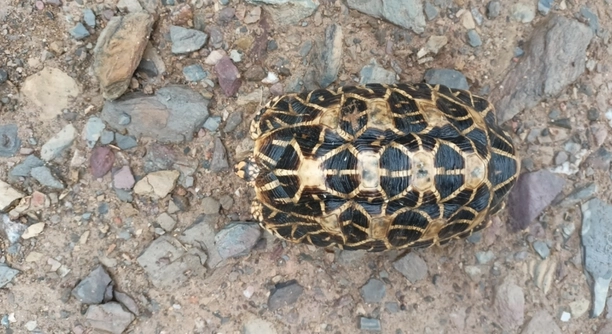
Many pet owners wonder why their star tortoise keeps trying to climb. It can be confusing to see this behavior, especially when they seem content and healthy otherwise. Understanding this habit can help provide better care.
Star tortoises often try to climb as a natural instinct. It could be related to exploration, seeking food, or even trying to escape perceived boundaries. Their climbing behavior might also indicate that they need more space or environmental enrichment.
Understanding why your star tortoise climbs can help you create a more comfortable environment. It’s important to consider the factors contributing to this behavior to ensure your pet remains happy and healthy.
Lack of Space
Star tortoises are active creatures and require ample space to roam around. If your tortoise feels cramped or confined, climbing might be a way of trying to escape. This behavior is particularly common in enclosures that don’t offer enough room for movement. Your tortoise may feel that it’s not getting enough physical activity and is trying to find a way out.
If you notice your tortoise attempting to climb frequently, it could be time to evaluate the size of its habitat. Ideally, your star tortoise’s enclosure should mimic its natural environment, providing enough room for it to explore freely. Giving your pet a larger space to move will likely reduce its climbing attempts.
You can also try rearranging the inside of the enclosure to create more exploration opportunities. Adding rocks, hides, and plants encourages natural behaviors like climbing, digging, and foraging. If your tortoise has space to explore and more enriching elements in its environment, the urge to climb will likely decrease. Make sure the enclosure size and features fit the needs of your tortoise to promote its well-being.
Seeking More Stimulation
Boredom is another common reason your star tortoise might try to climb. If it isn’t getting enough mental or physical stimulation, climbing can be a sign that it’s looking for something to do. Tortoises need varied activities to keep them entertained.
To solve this, consider providing different enrichment items in your tortoise’s space. Using puzzle feeders or creating climbing structures can keep them engaged. Offering a range of textures and things to interact with will satisfy their curiosity and reduce climbing behavior.
Mental and physical stimulation also include letting your tortoise explore outside of its enclosure from time to time. These outings help your pet explore new surroundings, offering the variety it craves. Keeping your tortoise busy with activities prevents climbing out of boredom, improving its overall health and happiness.
Natural Climbing Instinct
Climbing is a natural instinct for star tortoises. In the wild, they may climb over rocks, logs, and other obstacles in search of food or shelter. This behavior is deeply ingrained in their nature and can be seen even in captivity.
In their natural environment, climbing helps tortoises explore their surroundings, search for food, and find safe spots. Even in captivity, this instinct remains, and your tortoise may try to climb objects in its enclosure. While it may seem odd, it’s just an expression of their desire to mimic their natural behaviors. Providing appropriate climbing objects like rocks or ramps can give them a way to safely satisfy this need.
Understanding that this behavior is simply a part of who they are helps you accommodate their needs. Instead of trying to stop the climbing, offer opportunities for it to climb safely within its space. This way, you’re not only allowing natural behavior but also ensuring your tortoise stays happy and healthy.
Temperature Regulation
Temperature plays a significant role in the behavior of a star tortoise. If your pet is climbing, it could be searching for a spot with the right warmth. Star tortoises need heat to digest food and stay active, and climbing might be an attempt to find a warmer area in their enclosure.
Consider checking the temperature gradient in your tortoise’s habitat. A basking spot with a higher temperature and a cooler area are essential to allow the tortoise to regulate its body heat. If your tortoise is climbing, it may be trying to move to a more comfortable spot that supports its internal temperature. Ensure your heat source is working properly and is located at the correct height for your tortoise.
Additionally, if the temperature fluctuates too much or isn’t ideal, your star tortoise might feel uncomfortable, causing it to climb or attempt to escape. Ensuring the proper temperature range will help reduce this behavior and keep your tortoise healthy.
Desire for Food
Star tortoises are constantly searching for food, and climbing could be an attempt to find something to eat. In the wild, they climb over obstacles to find plants and insects. If they’re hungry, they may start climbing to explore their surroundings.
If your tortoise is climbing, it might be looking for food that is not within reach. Ensure you are offering a balanced and sufficient diet to keep it satisfied. It could also be that the food isn’t placed where it’s easy to access, which may lead your tortoise to try to climb.
To avoid this, regularly check your tortoise’s food placement and portion size. Offering fresh, varied food in a reachable spot will reduce climbing out of hunger. A consistent feeding routine helps ensure your tortoise is satisfied and less likely to search by climbing.
Escape Behavior
Sometimes, climbing is simply an attempt to escape. If your star tortoise feels unsafe or stressed in its environment, it may try to climb to find a way out. This could be due to a noisy environment or environmental stressors.
Observe the conditions around your tortoise to identify potential sources of stress. Things like loud noises, too much handling, or other pets could cause discomfort and drive your tortoise to climb. A calm, quiet environment with minimal disturbances is important for your tortoise’s mental health.
By creating a peaceful and stable space for your tortoise, you can help it feel secure. When your pet is less stressed, the urge to escape and climb may naturally decrease, leading to more content behavior.
FAQ
Why is my star tortoise climbing the walls of its enclosure?
Climbing the walls is a common behavior for star tortoises. They might be trying to escape, find food, or simply exploring their environment. It can also be a sign of boredom or a desire to find a more comfortable temperature. If the enclosure is too small, they might feel confined and try to climb out. Check the size of their space and add enrichment like rocks or plants to keep them busy.
How can I stop my tortoise from climbing?
The best way to stop your tortoise from climbing is by addressing the underlying reasons for this behavior. Make sure its enclosure is spacious enough, offering plenty of opportunities for exploration. Add hiding spots, climbing structures, and different textures to the environment. Providing a consistent routine, including feeding and temperature control, will also reduce the urge to climb. Finally, avoid creating stress by keeping the enclosure in a quiet, calm location.
Is climbing a sign of stress for my tortoise?
Yes, climbing can sometimes be a sign of stress. If your star tortoise feels threatened or uncomfortable in its environment, it may try to climb in an attempt to escape. Stress factors like loud noises, too much handling, or the presence of other animals can make a tortoise feel insecure. Make sure the enclosure is in a peaceful location and try to minimize disturbances. Creating a secure and stable environment will help reduce stress.
How can I tell if my tortoise is stressed?
Signs of stress in star tortoises include erratic behavior, like excessive climbing, hiding more than usual, or not eating. If your tortoise becomes more aggressive or less active, this may also indicate stress. Physical signs like weight loss or changes in its shell could also point to stress. Monitor your pet closely, and adjust its environment to reduce stressors.
Should I provide climbing objects for my tortoise?
Yes, star tortoises enjoy climbing, and providing climbing objects can enrich their environment. Rocks, logs, or ramps give them opportunities to express natural behaviors safely. However, make sure these objects are positioned properly and do not pose a risk of injury. Over-climbing without enough space or support can cause strain or stress, so it’s important to balance enrichment with comfort.
Is climbing dangerous for my star tortoise?
Climbing can be dangerous if your tortoise is attempting to scale objects that are too high or unstable. This can lead to falls, shell damage, or stress. Always ensure that the climbing structures in the enclosure are secure, stable, and at a height where your tortoise can climb safely. Avoid sharp objects or items that could hurt your pet.
How much space does my star tortoise need?
Star tortoises need a spacious enclosure to move around comfortably. As a general rule, the enclosure should be at least 10 square feet for a single tortoise. A larger area is always better, as it allows for more natural movement and exploration. If your tortoise seems to be climbing frequently, it may be signaling that it needs more space. Regularly check the size of the enclosure to ensure it’s meeting your tortoise’s needs.
Can temperature affect my tortoise’s climbing behavior?
Yes, temperature can directly impact your star tortoise’s behavior. If the enclosure is too cold, your tortoise might try climbing in search of a warmer spot. On the other hand, if it’s too hot, it could be looking for cooler areas. Make sure to maintain a proper temperature gradient with a basking spot and a cooler area, so your tortoise can regulate its body temperature comfortably. This will help minimize climbing caused by temperature discomfort.
What type of food should I offer to prevent climbing due to hunger?
A well-balanced diet is essential for your star tortoise’s health. Offering a variety of leafy greens, such as dandelion greens, collard greens, and romaine lettuce, is ideal. Occasional fruits and vegetables, like strawberries or squash, can also be added. Make sure the food is always fresh and accessible. If your tortoise is climbing due to hunger, try placing its food in an area where it can easily access it, reducing the need to search by climbing.
How can I make my tortoise feel more secure in its enclosure?
To help your star tortoise feel secure, ensure that its enclosure provides a safe, quiet space away from disturbances. Add hiding spots or burrows where it can retreat when feeling stressed. Using natural elements like rocks, plants, and logs can mimic its natural habitat, making it feel more comfortable. Keeping the enclosure stable in terms of temperature, humidity, and light will also reduce feelings of insecurity.
Is it okay for my tortoise to be outside for exercise?
Yes, allowing your tortoise to roam outside can provide exercise and mental stimulation. Make sure the area is safe and free from predators. You should also ensure the outdoor temperature is suitable, as star tortoises require warmth. Supervise your tortoise while it’s outside to keep it safe from potential hazards, and always bring it back inside once the weather cools down. Regular outdoor time can help reduce climbing behaviors by offering new experiences and exercise.
Final Thoughts
Understanding why your star tortoise keeps trying to climb is the first step toward making sure it feels comfortable and safe in its environment. Climbing is a natural behavior for tortoises, and it can stem from various reasons such as seeking food, warmth, space, or even trying to escape a stressful situation. It’s important to observe your tortoise closely and identify any patterns in its climbing behavior. Once you understand what might be causing it, you can make changes to improve its living space and overall well-being. By providing a spacious enclosure, temperature regulation, and enrichment, you can reduce climbing and make your tortoise feel more secure.
Your star tortoise’s habitat plays a key role in its behavior. If the enclosure is too small or lacks interesting features, your tortoise may feel the need to climb out of boredom or frustration. Ensuring that your tortoise has enough space to explore and plenty of climbing structures, like rocks or ramps, will allow it to express natural behaviors in a safe way. Remember that star tortoises are naturally curious animals, so offering variety and stimulation in their environment is crucial for their mental and physical health. If your tortoise is climbing to seek food or warmth, make sure it has access to proper nutrition and temperature gradients to prevent this behavior.
Finally, while climbing is a normal behavior, it’s essential to keep an eye on your star tortoise to ensure that it is not putting itself in danger. Providing a safe environment free of stressors will help your tortoise feel more relaxed and secure. Regularly check that the enclosure is the right size, and that the temperature and humidity are appropriate. A healthy, happy tortoise will be less likely to climb excessively. By taking the time to understand your pet’s needs and making simple adjustments, you can create an ideal environment where your star tortoise can thrive.

Hello,
If you enjoy the content that we create, please consider saying a "Thank You!" by leaving a tip.
Every little bit helps us continue crafting quality advice that supports the health, happiness, and well-being of pets around the world, for pets of all shapes, sizes, and species.
We really appreciate the kindness and support that you show us!